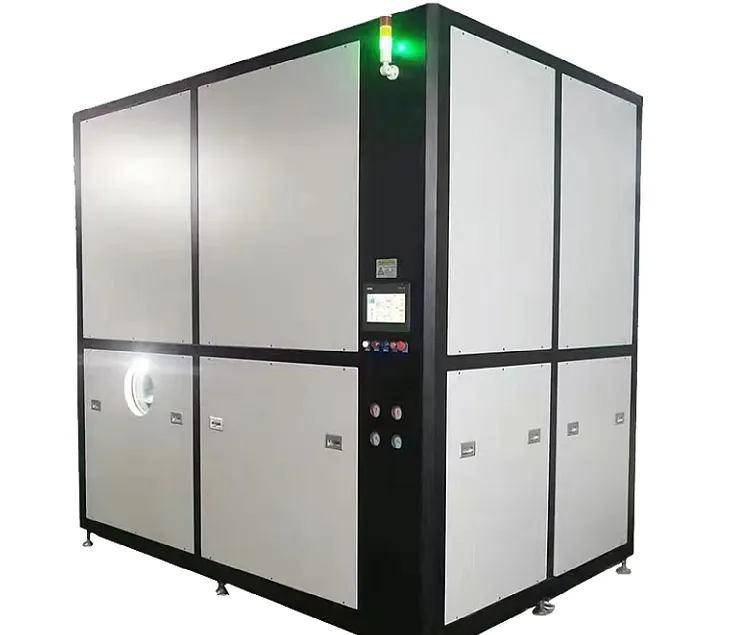
Wastewater treatment facilities face a critical challenge when handling streams containing heat-sensitive compounds, organic materials, or thermolabile substances that degrade under conventional thermal processing. Traditional evaporation methods rely on high temperatures to reduce water content, but this approach often destroys valuable compounds, creates undesirable byproducts, or damages treatment efficacy. A low temperature evaporator solves this problem by operating at reduced temperatures through vacuum technology, enabling effective wastewater concentration while preserving material integrity. Understanding when and why to deploy this specialized equipment is essential for industrial operators seeking optimal treatment outcomes and regulatory compliance.
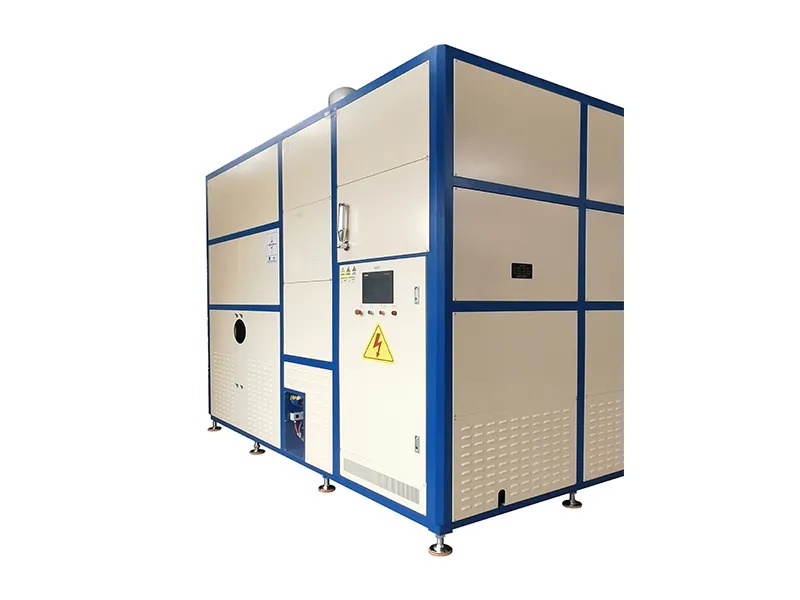
Low-temperature evaporation technology represents a significant advancement for industries where conventional heat treatment is unsuitable. By applying vacuum principles to lower the boiling point of water and process liquids, these systems enable concentration and separation without subjecting sensitive materials to thermal stress. This approach proves invaluable across pharmaceutical production, food processing, chemical manufacturing, and specialized wastewater streams where heat sensitivity demands alternative solutions. Recognizing the specific applications and operational advantages of low temperature technology helps facility managers make informed equipment investment decisions.
Understanding Low-Temperature Evaporation Technology
How Vacuum Technology Enables Low-Temperature Operation
Vacuum evaporation fundamentally changes the relationship between pressure and boiling point. By reducing atmospheric pressure within the evaporation chamber, the boiling point of water and dissolved substances decreases dramatically. At atmospheric pressure, water boils at 100°C, but under vacuum conditions, the same phase change occurs at 40°C, 30°C, or even lower depending on the vacuum level achieved. This principle allows a low temperature evaporator to concentrate wastewater without exposing heat-sensitive compounds to destructive thermal energy. The vacuum chamber, condenser, and collection system work together to create a controlled environment where evaporation and condensation occur at gentle temperatures.
Operational Advantages of Low-Temperature Systems
Operating at low temperature delivers multiple practical benefits beyond simple thermal protection. Energy consumption decreases because less thermal input is required to achieve phase change, reducing operational costs and carbon footprint compared to conventional evaporators. Equipment corrosion rates decline since materials experience lower thermal stress and reduced chemical reaction intensity at reduced temperatures. Product or waste stream quality improves because heat-sensitive compounds remain stable, volatile organic compounds are preserved rather than driven off as unwanted emissions, and biological activity in treatment processes is maintained when applicable. Additionally, low temperature operation often reduces odor generation and improves worker safety by eliminating high-temperature equipment hazards.
Industrial Applications and Ideal Use Scenarios
When Heat Sensitivity Demands Low-Temperature Solutions
Pharmaceutical wastewater streams frequently contain active pharmaceutical ingredients, metabolites, and processing residues that degrade above specific temperature thresholds. Concentration of these streams using low temperature methods preserves compound integrity for recovery or specialized treatment. Food and beverage processing generates waste containing proteins, flavoring compounds, and nutrients that denature or lose quality when exposed to high heat. Concentration and recovery of these materials through vacuum-assisted low temperature evaporation maintains both product quality and environmental compliance. Chemical manufacturing produces waste streams with specialized organic compounds, solvents, or reaction byproducts where thermal decomposition would create secondary pollution or safety hazards. Cosmetics, biotechnology, and nutraceutical industries similarly depend on gentle concentration methods to preserve product efficacy and market value.
Industrial and Commercial Application Scope
Low-temperature evaporation extends beyond hazardous or premium waste streams to general wastewater concentration where heat sensitivity is secondary to process efficiency. Textile mills use vacuum evaporation to concentrate dye baths and sizing compounds, allowing recovery and reuse while reducing disposal volume. Tanneries concentrate pickle liquors and vegetable tanning extracts at low temperatures to preserve their functional properties. Metal finishing operations concentrate rinsing waters containing valuable metal ions without precipitating or altering chemical composition. Paper mills concentrate black liquor and bleach plant effluents using vacuum technology to improve recovery efficiency. Dairy processing facilities concentrate whey permeate and milk wastewater while maintaining protein functionality. These applications demonstrate that heat sensitivity encompasses both premium products requiring preservation and standard industrial waste where gentle handling improves recovery economics and environmental outcomes.
Decision Criteria for Selecting Low-Temperature Evaporation
Evaluating Wastewater Stream Characteristics
Effective deployment of low temperature evaporator technology begins with thorough wastewater characterization. Operators must determine whether the waste stream contains compounds with known thermal degradation temperatures, volatile organic compounds that conventional heat would drive off as emissions, or sensitive biological components. Testing thermal stability at increasing temperatures reveals whether heat sensitivity exists and at what threshold damage occurs. Dissolved solids composition, pH stability, and potential for scaling or fouling also influence whether a low temperature system is preferable to conventional alternatives. Concentration targets—whether reducing volume by 50%, 80%, or achieving near-total solids recovery—determine the evaporation intensity required and influence equipment selection within the low temperature category.
Economic and Regulatory Alignment
Economic viability of low temperature evaporation depends on comparing full lifecycle costs against disposal or conventional treatment options. Lower energy consumption reduces operational expenses, while reduced emissions may decrease environmental compliance costs and potential penalties. Recovery value of concentrated materials or preserved compounds often justifies equipment investment, particularly in pharmaceutical, food, and specialty chemical industries. Regulatory frameworks increasingly favor gentle processing methods that minimize secondary pollution, volatile organic compound emission, and thermal energy consumption. Regulations governing specific waste streams may mandate heat-sensitive handling, making low temperature systems the only compliant choice rather than optional equipment. Facility capacity constraints, utility availability, and maintenance infrastructure must also align with vacuum evaporation requirements, particularly regarding condenser cooling water, vacuum pump sizing, and operator training needs for specialized equipment operation.
FAQ
What is the difference between low-temperature and conventional evaporation?
Conventional evaporation relies on high temperatures, typically 80–100°C or higher, to boil water and concentrate waste by direct heat input. Low-temperature evaporation uses vacuum technology to reduce atmospheric pressure, lowering the boiling point of water to 30–50°C or even lower, enabling concentration without thermal damage. This fundamental difference makes low temperature systems ideal for heat-sensitive materials while conventional systems work well for robust waste streams where thermal efficiency matters more than material preservation.
How does vacuum technology enable concentration at low temperature?
Vacuum evaporation removes air from the evaporation chamber, reducing atmospheric pressure on the liquid surface. At lower pressure, water molecules require less thermal energy to escape the liquid phase and evaporate. By decreasing absolute pressure from 1 atmosphere to 0.1 or 0.01 atmospheres, the boiling point of water drops from 100°C to approximately 46°C or 7°C respectively. This pressure-temperature relationship allows a low temperature evaporator to achieve phase separation and concentration while operating at mild thermal conditions unsuitable in conventional vacuum-free systems.
What industries benefit most from low-temperature evaporation systems?
Pharmaceutical, biotechnology, food and beverage, cosmetics, and specialty chemical industries derive the greatest benefit from low temperature evaporation because their waste streams contain heat-sensitive compounds, valuable recovery materials, or regulatory restrictions on thermal processing. Additionally, textile mills, tanneries, metal finishing operations, paper mills, and dairy processors employ vacuum evaporation to concentrate process liquids while preserving functional properties and enabling material recovery. Any industrial sector managing heat-sensitive wastewater or pursuing recovery economics finds low temperature systems advantageous compared to conventional high-temperature alternatives.

 EN