What Are Wastewater Treatment Systems?
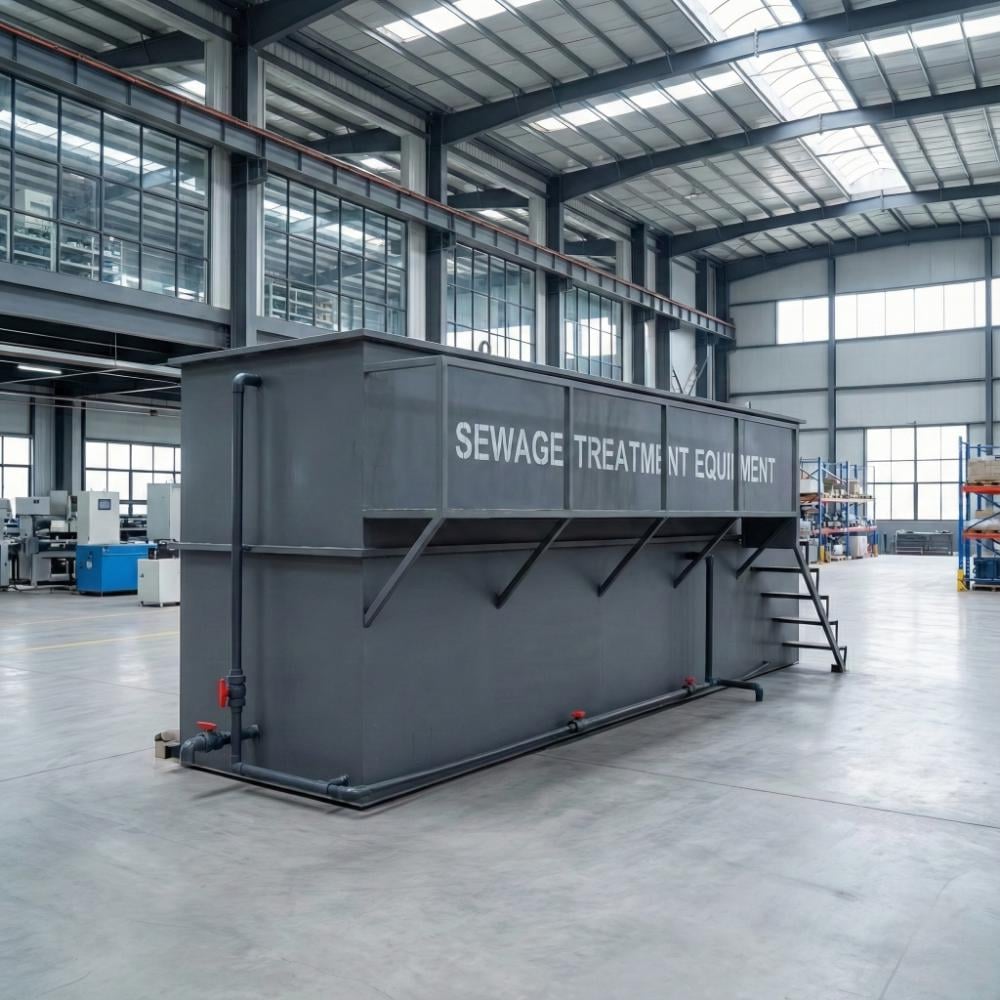
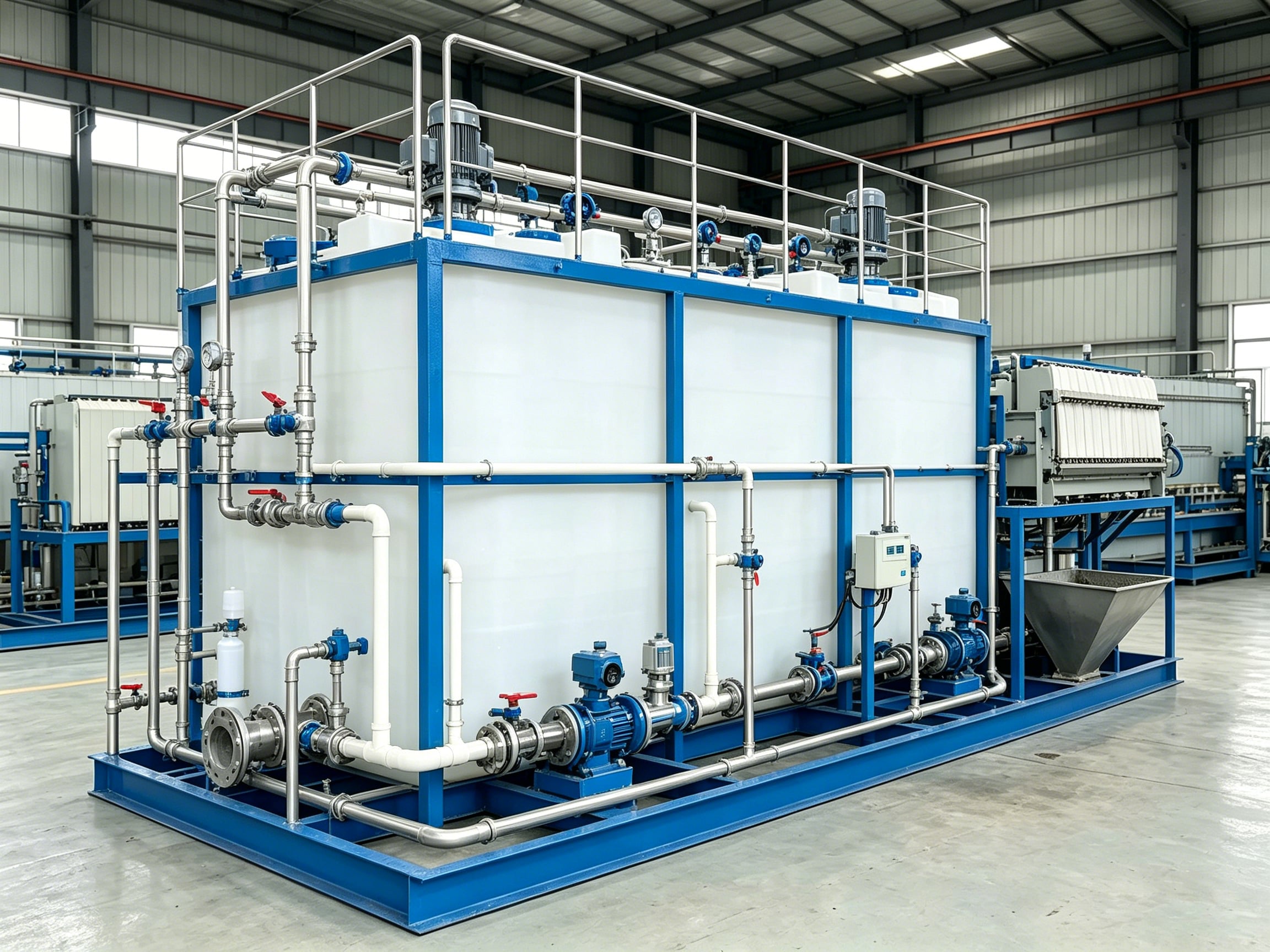
Industrial wastewater treatment systems are engineered process trains designed to reduce pollutant concentrations in effluent streams to levels that satisfy local discharge permits or enable on-site water reuse. Selecting the right configuration depends on influent chemistry, daily flow volume, target effluent quality, site constraints, and applicable environmental regulations. This category covers wastewater treatment systems ranging from compact 10 m³/day skid-mounted units to full-scale containerized plants, buried integrated configurations, and modular biological reactor installations for industrial and commercial applications.
When engineers first evaluate a new project, it is natural to focus on a single effluent parameter—COD concentration, for example—and assess options on that basis alone. In practice, what determines the long-term performance of any treatment system is how well the pre-treatment, biological, and clarification stages work together. A DAF unit that inadequately reduces oil loading will undermine downstream MBR or MBBR operation; an undersized clarifier will compromise consistent compliance records. The products in this category are configured as integrated process trains, not collections of individual units.
Key Process Technologies
The wastewater treatment systems in this category encompass several core process technologies, each suited to different effluent profiles and site requirements:
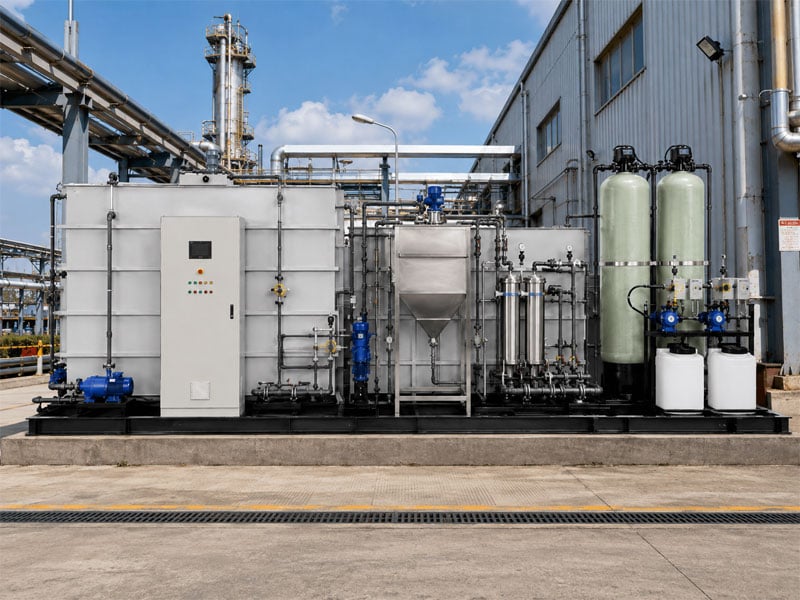
MBBR (Moving Bed Biofilm Reactor) Systems: MBBR-based wastewater treatment systems use free-floating plastic biofilm carriers to maintain high-density biomass independently of sludge settling. Provided that feed COD and temperature remain within design parameters, MBBR configurations achieve stable biological treatment with a compact reactor footprint—well suited for industrial and commercial applications where space is constrained.
MBR (Membrane Bioreactor) Systems: MBR wastewater treatment systems combine biological treatment with PVDF ultrafiltration membranes, achieving near-zero suspended solids in treated effluent. These are preferred where water reuse is the objective, as the membrane barrier delivers effluent quality suitable for process water recycling and industrial reuse applications.
A/O Biochemical Treatment: Anoxic-Oxic configurations targeting simultaneous COD and ammonia nitrogen removal. Based on operational data from industrial installations, A/O systems handling flows from 3 T/H to 500 T/H can achieve COD removal of 90% or above and ammonia nitrogen removal of 95% or above under stable, well-characterized operating conditions.
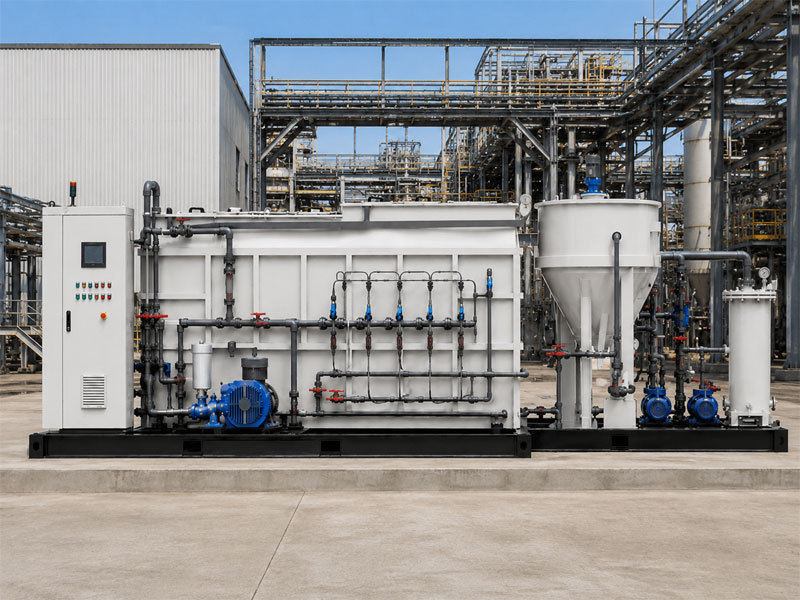
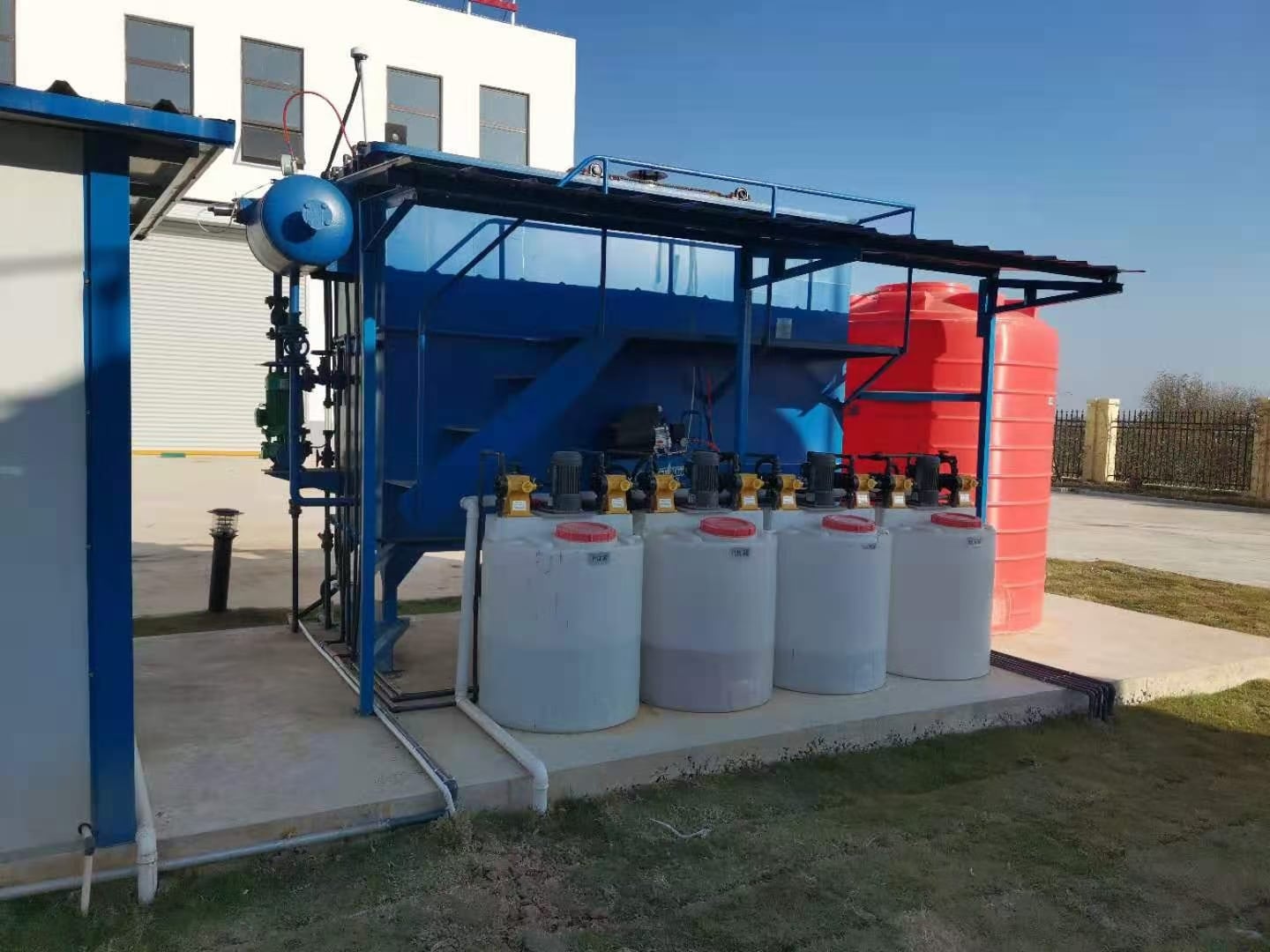
DAF (Dissolved Air Flotation) Pre-Treatment: A physical separation process generating microbubbles that float suspended solids, oil, and colloidal matter to the surface for removal. DAF units are typically the first stage in integrated industrial treatment trains, protecting downstream biological processes from organic overload and achieving oil and SS removal of 95% or above.
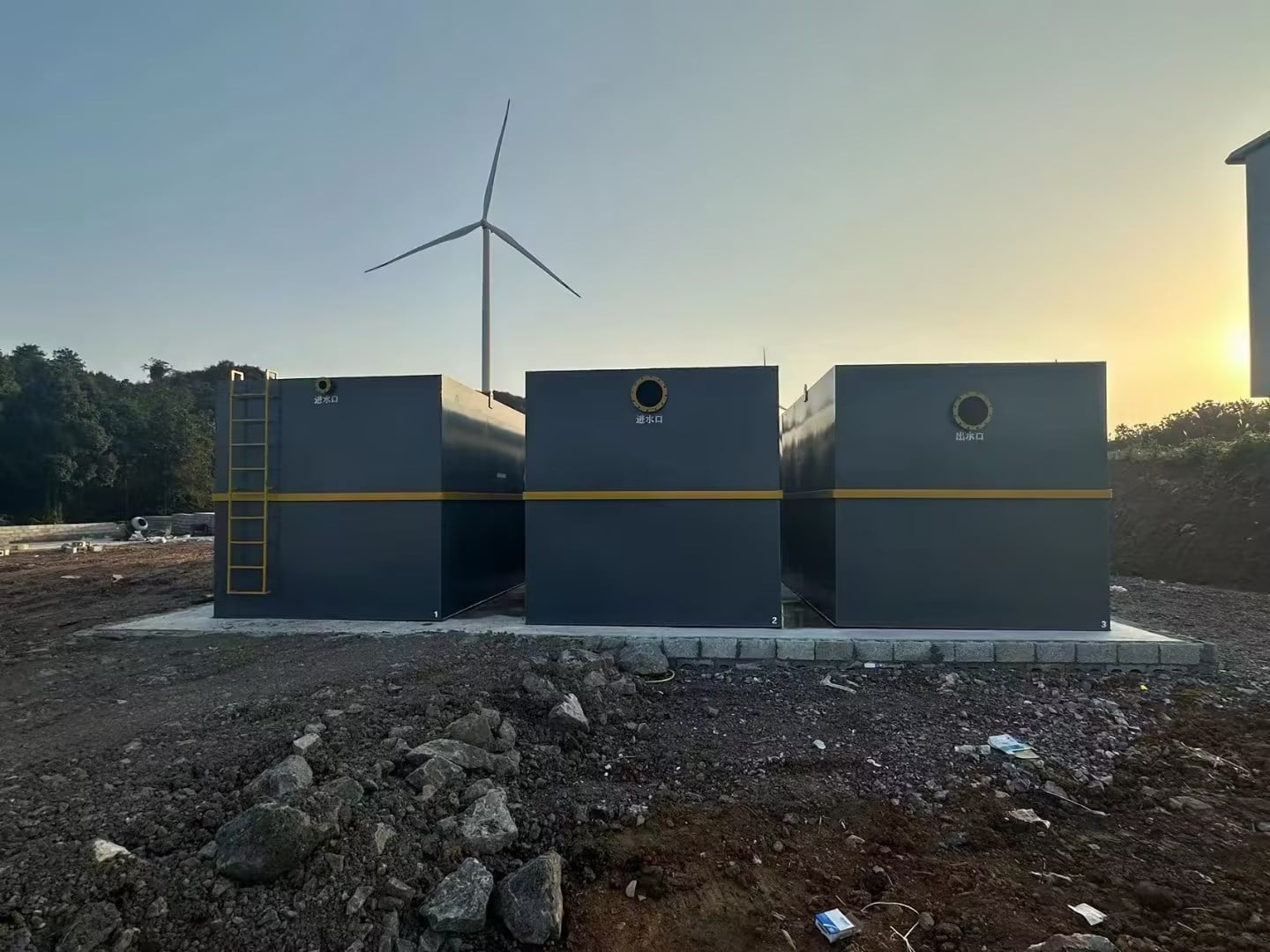
Buried and Underground Integrated Systems: A²/O process units designed for below-grade installation, recovering surface area at facilities where above-ground footprint is limited. CE/UL-certified configurations are available for domestic and light industrial applications requiring discreet, space-saving installation.
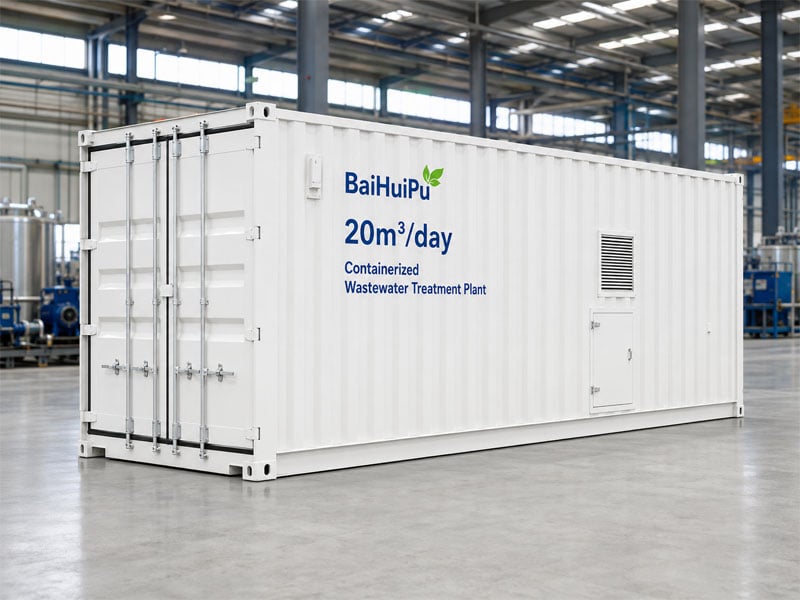
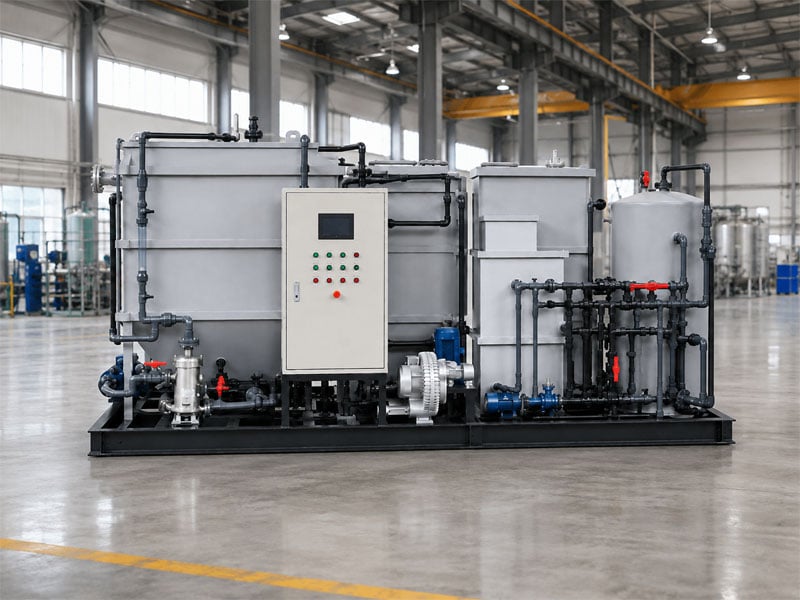
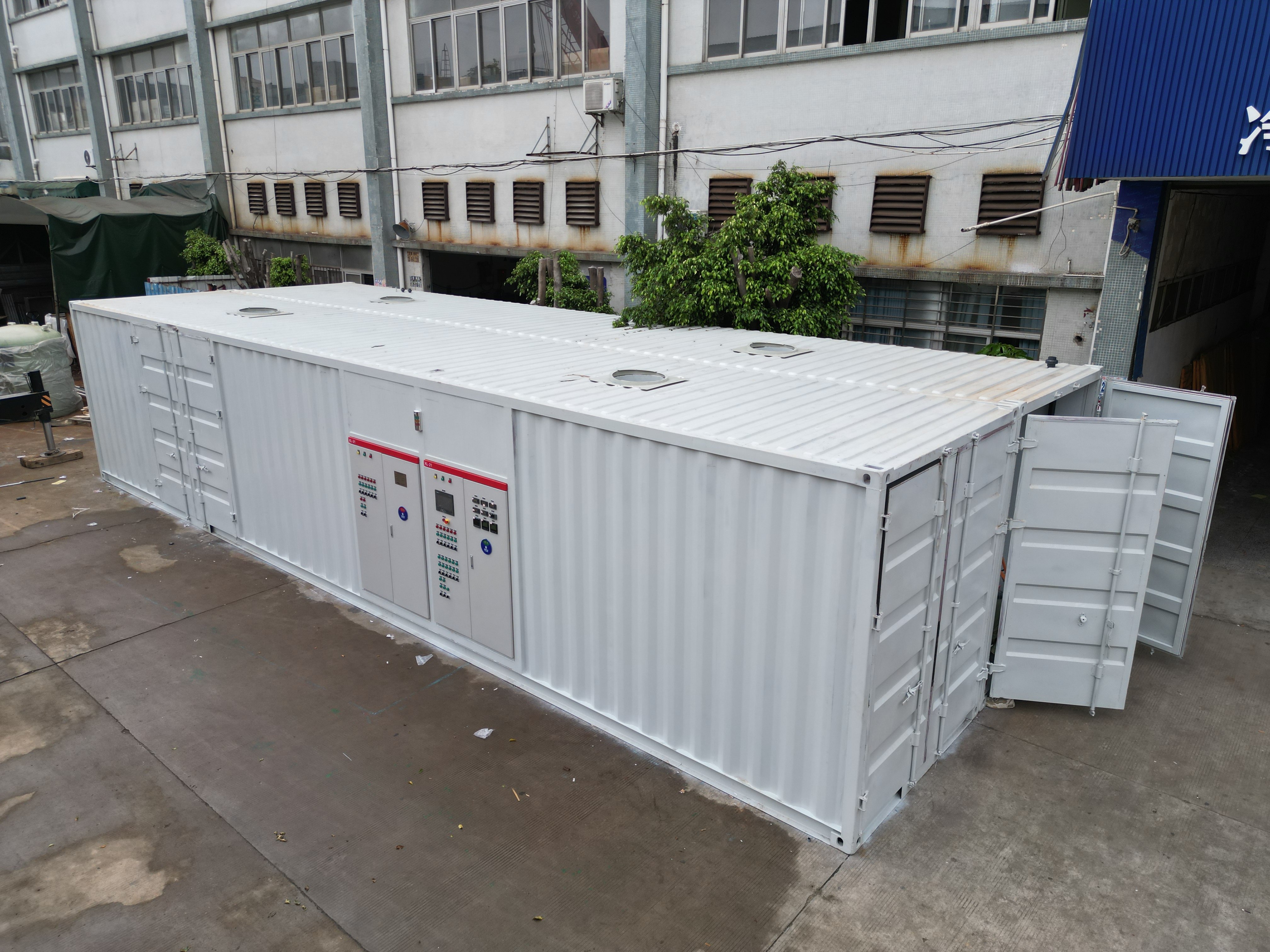
Skid-Mounted and Containerized Systems: Pre-assembled, PLC-controlled treatment plants designed for rapid deployment and minimal civil work. These are particularly suited to remote project sites, overseas greenfield facilities, and temporary treatment requirements during production ramp-up phases.
Common Applications for Industrial Wastewater Treatment Systems
This product range provides industrial wastewater treatment systems for a wide range of manufacturing and commercial scenarios:
Battery, electronics, and food manufacturing: Facilities requiring compliant wastewater treatment systems to meet COD, BOD, and suspended solids discharge limits under environmental regulations in Europe, North America, and South America.
Remote and off-grid commercial sites: Locations where centralized municipal treatment is unavailable—plug-and-play, containerized wastewater treatment systems with AO/MBBR process and PLC control enable deployment without extensive civil infrastructure.
Industrial parks and multi-tenant facilities: Sites needing shared pre-treatment capacity before discharge into central collection networks or municipal receiving systems.
Retrofit and upgrade projects: A facility that previously operated within permitted discharge limits may find that revised regional effluent standards require additional biological polishing or membrane filtration. Modular wastewater treatment systems support staged capacity additions without full-plant reconstruction.
Greenfield facility construction: New manufacturing sites in regulated markets where wastewater treatment systems must be engineered, documented, and approved as part of the environmental permitting process before production begins.
How to Select the Right Wastewater Treatment Systems
Choosing appropriate wastewater treatment systems for a specific facility requires evaluating several technical and site-specific factors. Based on experience from industrial treatment projects across multiple sectors, buyers who systematically define the following parameters make more accurate equipment selections and avoid costly post-commissioning modifications:
Effluent characterization: COD, BOD, TDS, ammonia nitrogen, suspended solids, heavy metals, oil and grease, and pH range all influence process selection. Inlet water quality variation across production cycles and seasons is a frequently underestimated factor—systems designed from a single grab sample may underperform when actual annual variability exceeds the original design basis.
Capacity and turndown range: Daily flow rate and peak-to-average ratio determine sizing. Compact configurations at 10, 20, and 50 m³/day allow phased capacity additions rather than committing to a large single-train installation before production throughput is confirmed.
Target effluent quality: Whether the treated water will be discharged, reused in the process, or forwarded to downstream concentration stages determines which technologies are appropriate. MBR achieves stricter suspended solids targets than conventional activated sludge; DAF may be sufficient where BOD is the primary limiting discharge parameter.
Site layout and infrastructure constraints: Facilities with limited above-ground footprint benefit from buried or containerized configurations. Before specifying dimensions, confirm utility connection points, available headroom, foundation requirements, and delivery access—mismatches between equipment design and existing site infrastructure are a documented source of project delays and unplanned civil cost.
Automation and remote operation: All products in this category incorporate PLC control, supporting hands-off operation and centralized process visibility. For overseas facilities with limited on-site process engineering staff, full commissioning support and operator training documentation are important elements of a successful deployment.
Why Wastewater Treatment Systems Matter for Industrial Procurement
Industrial effluent discharge faces progressively stricter regulatory requirements across major manufacturing markets. The EU Industrial Emissions Directive establishes binding numerical limits on COD, TDS, and heavy metal concentrations for specific sectors; North American effluent guidelines under the Clean Water Act impose technology-based discharge standards with enforceable limits by industry category. Manufacturers operating without properly specified wastewater treatment systems face permit revocation, production suspensions, and financial penalties that substantially exceed the capital cost of compliant treatment equipment.
For procurement managers evaluating new wastewater treatment systems or upgrading existing infrastructure, the engineering design and technology selection process involves multiple interdependent decisions. The optimal configuration depends on wastewater composition, available site utilities, spatial constraints, and the facility's long-term production profile—parameters that are facility-specific and require a site-level process engineering assessment. Suppliers who provide full process flow diagram development, custom fabrication, installation supervision, commissioning assistance, and operator training documentation reduce integration risk, particularly for overseas facilities that cannot rely on local specialized engineering support during startup of new wastewater treatment systems.
Organizations pursuing a zero-liquid-discharge strategy often plan to implement a complete treatment train in one capital project phase. In practice, ZLD wastewater treatment systems follow a staged approach: biological pre-treatment and clarification first reduce organic load and suspended solids; concentrated reject streams then move to thermal or advanced membrane concentration stages; final residues are processed for disposal or resource recovery. The wastewater treatment systems in this category cover the essential biological and physical pre-treatment stages that form the foundation for all downstream ZLD compliance and water recovery processes.

 EN