Wastewater treatment plant commissioning represents one of the most critical phases in any treatment facility project lifecycle. Before handover, a comprehensive verification process ensures that every system operates safely, efficiently, and in compliance with regulatory standards. This phase bridges the gap between construction completion and full operational capacity, requiring detailed checks of mechanical equipment, electrical systems, control instrumentation, and treatment processes.
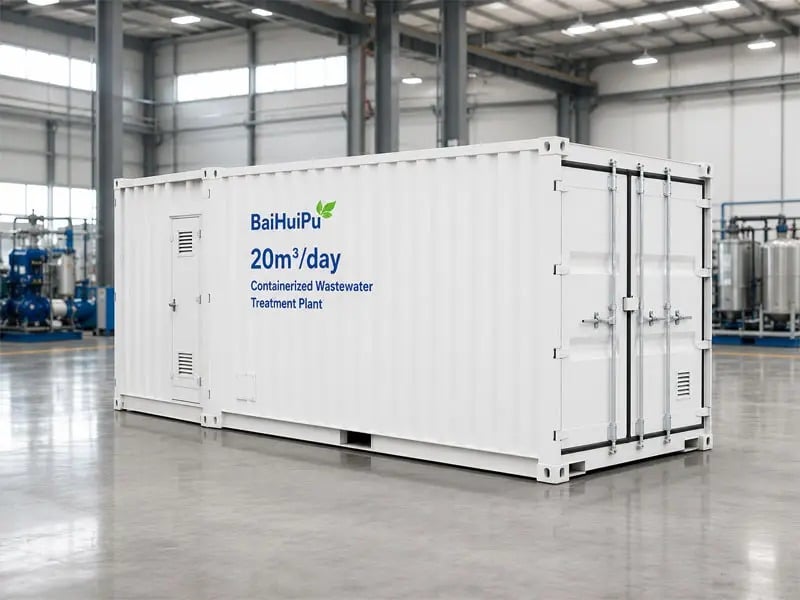
Selecting an experienced wastewater treatment plant manufacturer ensures that commissioning procedures are executed to industry standards. The handover process must confirm that all design parameters are met, operational protocols are documented, and facility personnel are fully trained to manage daily operations and maintenance.
Performance Verification During Commissioning
Treatment Efficiency Testing
Performance verification is the foundation of successful commissioning. The treatment process must achieve design removal rates for biochemical oxygen demand, chemical oxygen demand, suspended solids, and nutrient content. Each treatment stage, from preliminary screening through final polishing, must operate within specified parameters. Baseline water quality samples are collected throughout the system to confirm that effluent meets discharge standards.
Commissioning teams conduct pilot runs using actual wastewater to validate biological treatment processes. Activated sludge systems require stabilization periods to establish proper microorganism populations. Extended aeration and conventional treatment processes need different timeframes for performance stabilization. Documentation of all performance metrics creates a baseline for future operational monitoring and regulatory compliance records.
System Hydraulics and Flow Balance
Flow distribution across treatment units must be verified to prevent overloading in any single train. Pump performance is tested at design flow rates and through varying demand scenarios. Screening equipment, clarifiers, and biological reactors are evaluated for uniform flow patterns. Proper balance ensures consistent treatment performance and prevents operational bottlenecks.
Hydraulic capacity testing includes stress tests above design flow to confirm system stability during peak events. Overflow structures, bypass systems, and emergency discharge routes are activated and verified. Documentation of actual pump curves, flow meter calibration, and distribution patterns becomes essential operational reference material during handover.
Equipment and Infrastructure Handover Requirements
Mechanical Systems Inspection
All rotating equipment including pumps, blowers, compressors, and motors must be inspected for proper installation and alignment. Bearing temperatures, vibration levels, and noise signatures are established as baseline data. Lubrication systems are filled with specified fluids and fluid levels are checked. Drive mechanisms, whether belt or direct drive, are examined for wear and proper tension.
Piping systems, valves, and fittings are pressure tested and inspected for leaks. Material compatibility with wastewater is confirmed throughout all process lines. Isolation and check valves are functionally tested to verify proper sealing and operation. Mechanical handover documentation includes equipment serial numbers, installation dates, warranty information, and maintenance schedules.
Electrical and Instrumentation Systems
Control systems are tested to confirm proper operation of all monitoring and automated functions. Sensors measuring pH, dissolved oxygen, turbidity, and flow rates are calibrated against known standards. Electrical connections are verified for proper grounding and safety compliance. Backup power systems are activated and tested to confirm reliability during grid outages.
Programmable logic controller programming is validated through comprehensive testing of all process scenarios. Emergency shutdown procedures are executed and documented. Alarm systems are triggered to verify notification protocols for operators. Instrumentation handover includes spare sensor calibration data, replacement intervals, and troubleshooting procedures for facility operators.
Training and Documentation for Handover Success
Operator and Staff Training Programs
Training programs must cover normal operations, emergency response procedures, and equipment maintenance requirements. Operators learn to interpret process data, recognize equipment anomalies, and respond appropriately to alarms. Hands-on sessions include pump startup sequences, blower modulation, and clarifier sludge management. Training develops practical competency that ensures consistent treatment performance throughout the facility lifecycle.
Maintenance personnel receive instruction on preventive maintenance schedules and troubleshooting procedures. Electrical technicians learn to interpret control system logic and replace instrumentation safely. Biological process specialists understand sludge age management, mixed liquor suspended solids control, and nutrient balance optimization. Comprehensive training reduces post-handover operational issues and extends equipment life through proper care.
Operations and Maintenance Documentation
Complete operations manuals document standard operating procedures for every treatment process. Equipment specifications, performance characteristics, and design parameters provide technical reference material. Troubleshooting guides assist operators in identifying and resolving common issues. Spare parts lists and supplier contact information ensure quick access to necessary equipment components.
Maintenance schedules specify preventive tasks, lubrication requirements, and inspection intervals. As-built drawings and system schematics enable facility modifications and expansions. Equipment warranty documentation and manufacturer contact details facilitate technical support access. This documentation becomes the operational foundation enabling reliable treatment performance after handover.
FAQ
What are the key performance indicators that must be verified before wastewater treatment plant handover?
Essential performance indicators include effluent quality parameters such as biochemical oxygen demand, suspended solids, and total nitrogen removal rates compared to design specifications. Flow rate distribution across treatment trains, hydraulic retention times, and treatment process stability must be confirmed. Equipment operating efficiencies, power consumption rates, and alarm system responses should be documented. These commissioning metrics establish baseline operational standards and regulatory compliance records for the facility.
How long does the commissioning process typically require before handover?
Commissioning duration varies based on treatment plant complexity and design capacity. Simple treatment systems may require 4 to 8 weeks, while large biological treatment facilities with advanced instrumentation often need 12 to 16 weeks. Biological process stabilization requires extended startup periods to establish proper microorganism populations. Extended testing ensures comprehensive performance verification and reduces operational risks following handover.
Which training elements are most critical for facility operators during commissioning?
Operators must master normal operating procedures including equipment startup sequences, process control parameter adjustments, and routine monitoring tasks. Emergency response training covering power failures, equipment breakdowns, and process upsets is equally critical. Understanding sludge management, nutrient balance optimization, and alarm interpretation enables operators to maintain consistent treatment performance. Hands-on training with actual equipment during commissioning builds practical competency essential for reliable post-handover operations.

 EN






