bhp-vacuum-low-temperature-evaporator, bhp-vacuum-low-temperature-evaporator, /low-temperature-concentrating-evaporator
EN
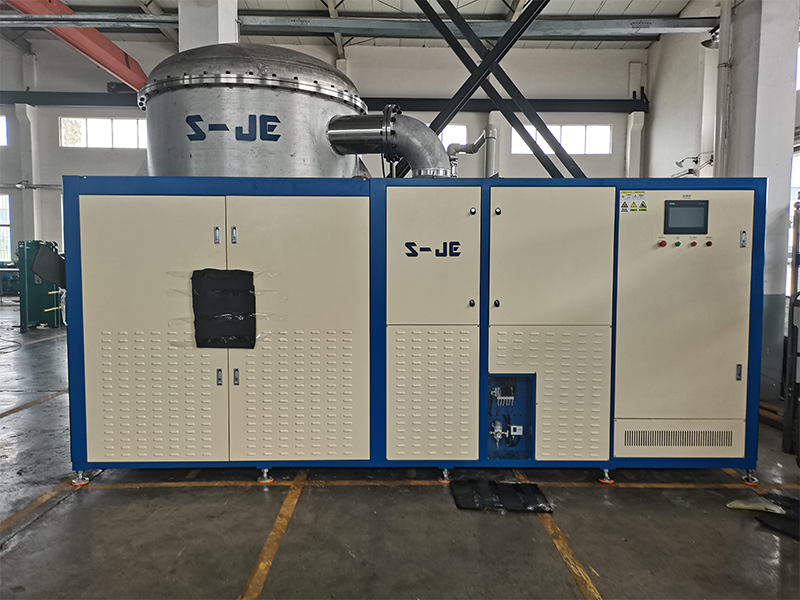
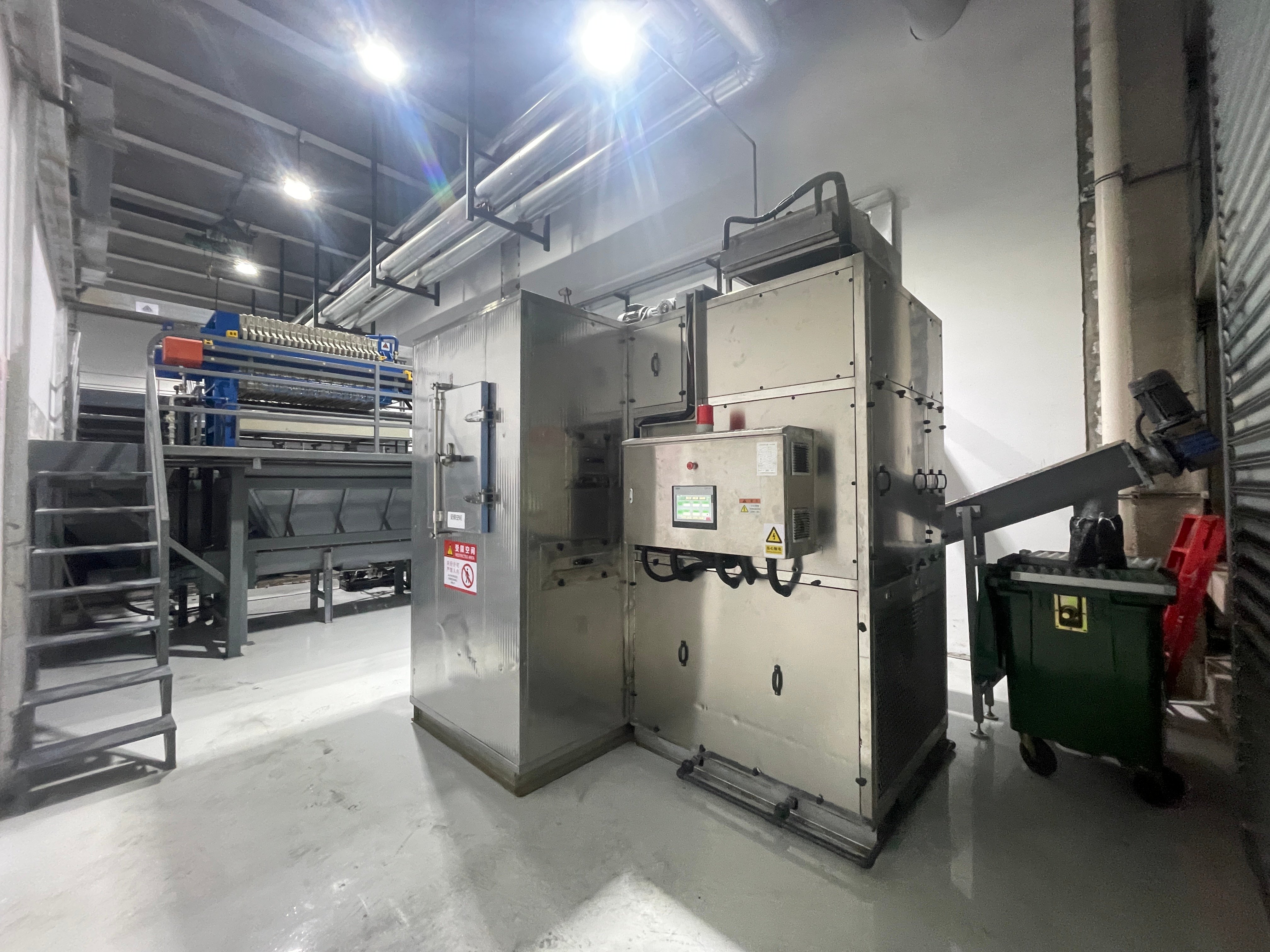
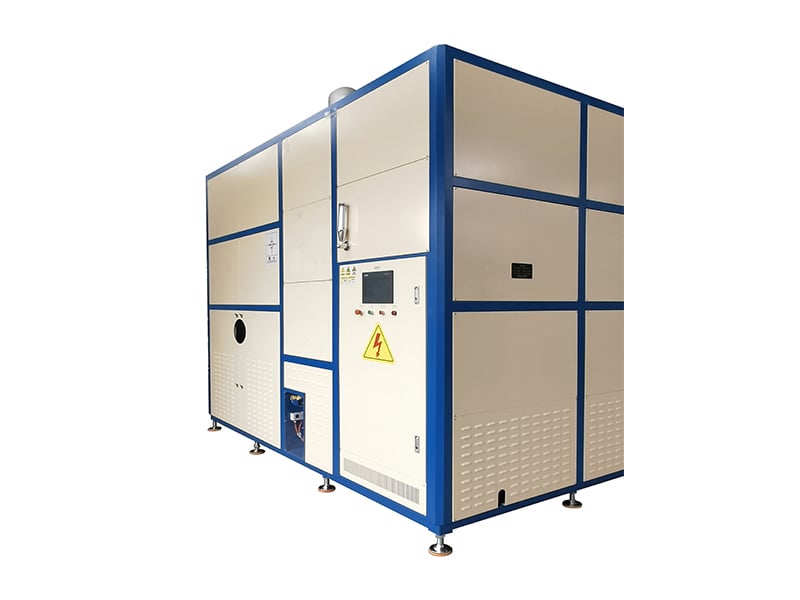
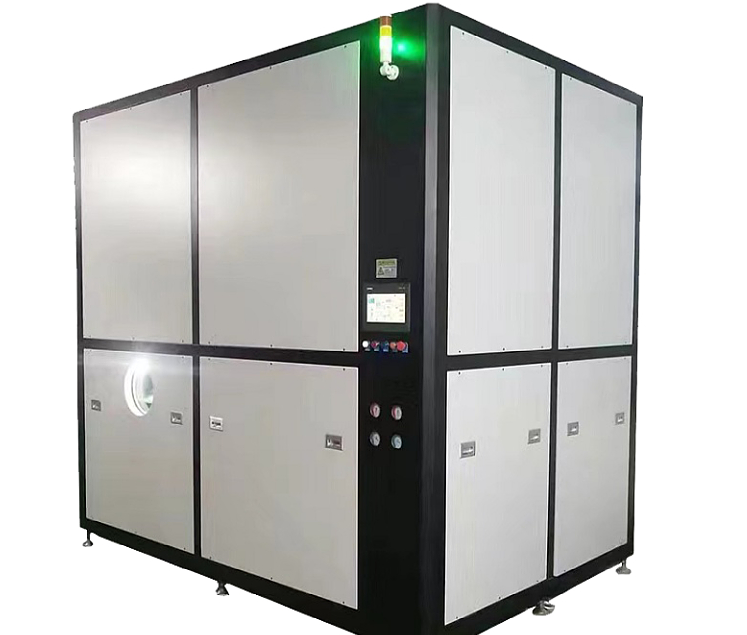
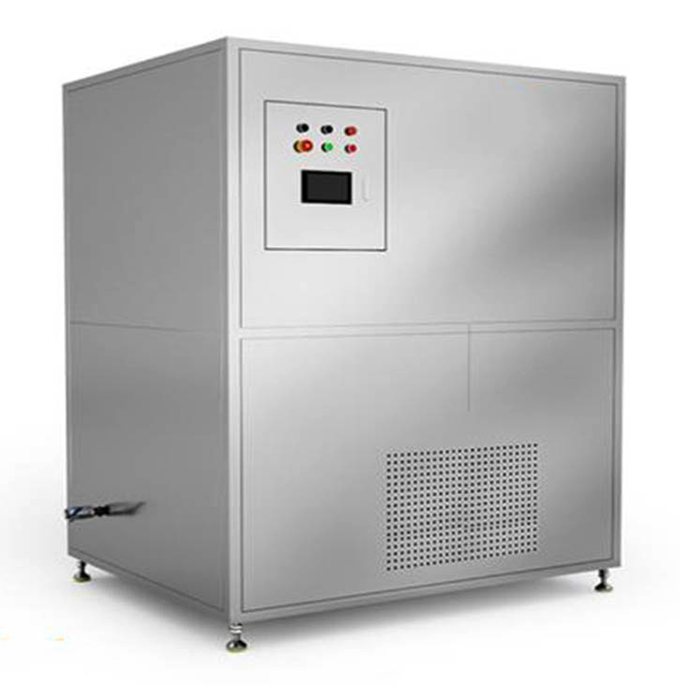
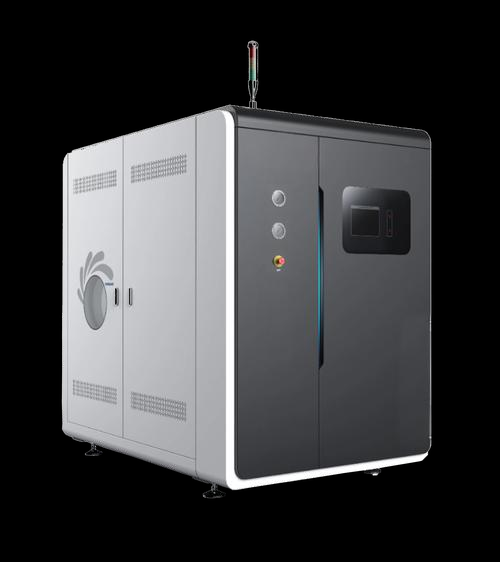
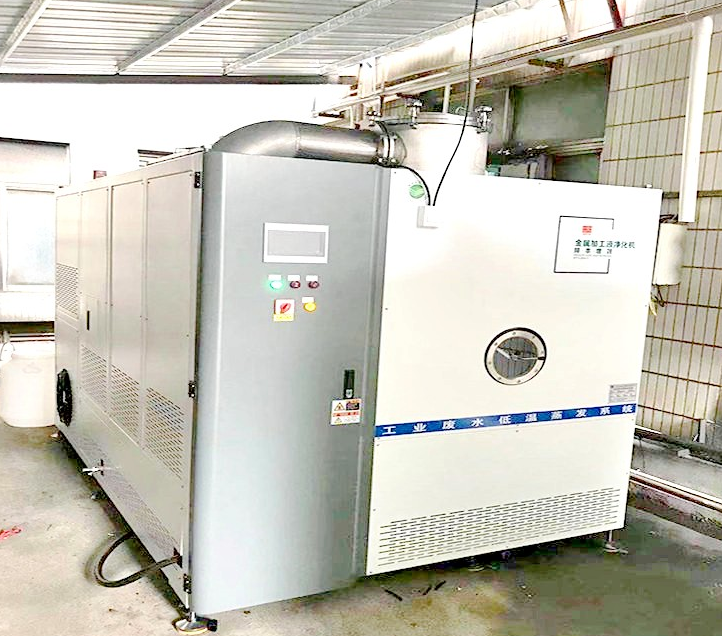
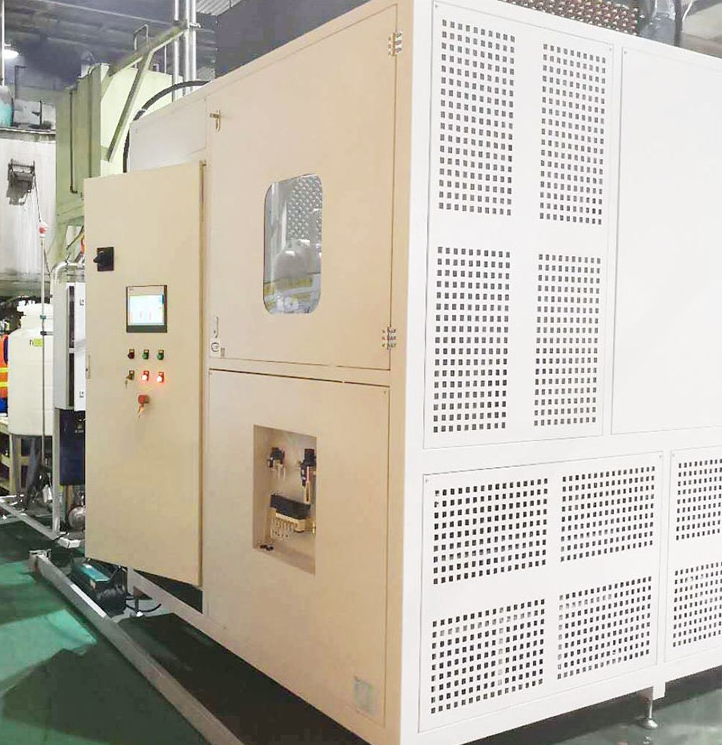
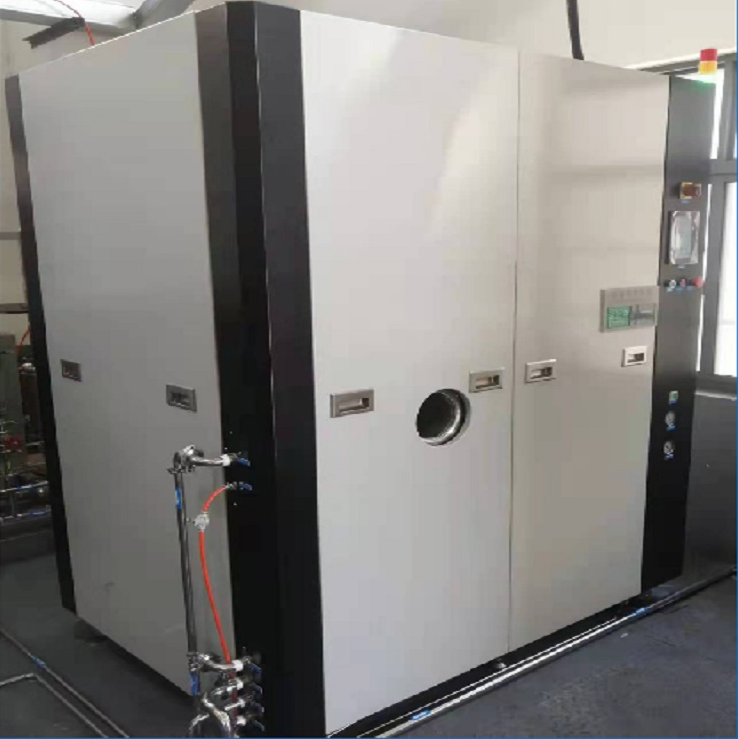
BHP vacuum low-temperature evaporator, 1-150T/H, 40-70°C operation, up to 90% volume reduction, PLC-controlled, for heat-sensitive liquids and ZLD.
When evaluating evaporation and concentration equipment for heat-sensitive industrial liquids or high-salinity wastewater, the choice of operating temperature regime is a primary design criterion. The BHP Vacuum Low Temperature Evaporator resolves the fundamental constraint that conventional atmospheric evaporation imposes: by operating under reduced pressure, it lowers the liquid boiling point and enables concentration at 40–70°C, well below the temperatures that cause thermal degradation, component loss, or safety risks from volatile organic compound release.
As a process engineer assessing mass-and-energy balance performance and material compatibility, the BHP Vacuum Low Temperature Evaporator (BHP-LTCE Series) stands out for its combination of thermal gentleness, automated control, and configurable capacity from 1 to 150 T/H. Provided that feed composition is maintained within the designed operating envelope, the system consistently achieves wastewater volume reduction of up to 90%, reducing the load on downstream treatment and disposal infrastructure.
| Parameter | Specification |
|---|---|
| Brand | BHP |
| Model Series | BHP-LTCE Series |
| Capacity | 1–150 T/H (customizable) |
| Operation Principle | Low-temperature evaporation and concentration under vacuum |
| Evaporation Temperature | 40°C–70°C |
| Operating Condition | Under vacuum (sub-atmospheric pressure) |
| Volume Reduction | Up to 90% |
| Control System | Fully automated PLC; continuous, unattended operation |
| Material of Construction | 304 or 316L stainless steel; corrosion-resistant alloy available |
| Certifications | CE; ISO 9001 and ISO 14001 |
Suitable feed streams for the BHP Vacuum Low Temperature Evaporator include high-salinity wastewater, chemical process liquids, pharmaceutical liquids, and fermentation broths. The BHP-LTCE Series is CE certified and manufactured under ISO 9001 quality management and ISO 14001 environmental management systems, meeting the documentation requirements for industrial equipment procurement in regulated export markets.
The operating principle of the BHP Vacuum Low Temperature Evaporator rests on a well-established thermodynamic relationship: boiling point decreases as system pressure decreases. At standard atmospheric pressure, water boils at 100°C. Under the vacuum conditions maintained in the BHP-LTCE system, the same evaporation process occurs at 40–70°C — a reduction that is not merely incremental but structurally changes which materials can be safely concentrated.
The automated PLC control manages feed input rate, constant-temperature evaporation zone conditions, concentration ratio monitoring, and product discharge. Real-time temperature and pressure feedback loops allow the system to sustain stable operating conditions and trigger fault alarms before upsets propagate. From a long-term operability perspective, the BHP Vacuum Low Temperature Evaporator is designed for continuous, unattended operation — an important consideration for facilities running multi-shift production schedules.
One maintenance variable specific to vacuum evaporation systems deserves attention during commissioning and ongoing operation: vacuum system integrity degrades gradually as minor leaks develop at flanges and valve seats. These leaks accumulate over months of operation, progressively raising the effective boiling point elevation and reducing throughput. Establishing a periodic leak survey schedule — checking critical flanged connections and valve packing under operating vacuum — is a practical step toward maintaining design-specification performance over the equipment's operational life.
Pharmaceutical liquid concentration, fermentation broth processing, and heat-sensitive extract concentration are technically suited to the BHP Vacuum Low Temperature Evaporator. Where conventional high-temperature evaporation would decompose APIs or denature biological components, the 40–70°C operating range allows concentration to proceed without compromising active component integrity. Condensate quality — a practical indicator of VOC carryover into the vapor phase — can be monitored by observing color and odor during routine sampling. Clear, odorless condensate indicates normal organic separation; discolored or odorous condensate signals that pre-treatment (activated carbon filtration or air stripping) may need adjustment before the evaporator feed.
The BHP Vacuum Low Temperature Evaporator functions as a concentration stage in industrial wastewater treatment trains for high-salinity streams including electroplating effluent, textile dyeing wastewater, and lithium battery manufacturing process water. It can be integrated with BHP multimedia filters, activated carbon filters, ultrafiltration (UF) systems, reverse osmosis (RO) systems, and water-reuse modules for complete ZLD configurations. Volume reduction at this stage directly determines the sizing and operating cost of downstream crystallization and solid separation equipment.
Fruit juice, sugar solution, and plant extract concentration benefit from the low-temperature regime because flavor compounds, heat-sensitive vitamins, and color components that degrade above 70°C are preserved. The BHP Vacuum Low Temperature Evaporator is applicable where conventional multi-effect evaporation at higher temperatures would produce a noticeably different product quality profile.
The selection between the BHP Vacuum Low Temperature Evaporator and conventional atmospheric multi-effect evaporation is determined primarily by feed stream thermal sensitivity and site energy infrastructure. For streams containing heat-labile compounds, the vacuum approach is technically required — the temperature constraint is a process boundary, not a design preference. For thermally stable, purely inorganic high-salinity streams, conventional multi-effect evaporation may offer a simpler mechanical configuration and lower capital cost.
On the energy side, the vacuum system's lower thermal input requirement must be evaluated alongside its auxiliary power demand for vacuum generation. A site-specific energy balance that accounts for available heat source temperatures, electricity tariffs, and treatment throughput is the appropriate basis for technology selection when operating cost is a primary decision factor. The BHP product range includes both technology routes, allowing the selection to be based on process requirements rather than equipment catalog constraints.
The BHP Vacuum Low Temperature Evaporator supports the following optional modules for expanded functionality:
System integration with BHP multimedia filters, activated carbon filters, UF systems, RO systems, and water-reuse infrastructure enables the BHP Vacuum Low Temperature Evaporator to operate as part of a complete industrial liquid concentration and wastewater treatment solution, including configurations designed to achieve zero liquid discharge compliance.
BHP vacuum low-temperature evaporator, 1-150T/H, 40-70°C operation, up to 90% volume reduction, PLC-controlled, for heat-sensitive liquids and ZLD.

 EN