Site utilities represent one of the most overlooked constraints when selecting a wastewater treatment solution for industrial and municipal operations. Many organizations focus primarily on treatment efficacy and regulatory compliance, yet fail to account for the infrastructural limitations that utilities impose on equipment selection and overall system performance. Understanding how utilities such as power availability, steam supply, air capacity, and water resources interact with your chosen wastewater treatment solution can mean the difference between successful implementation and costly operational challenges.
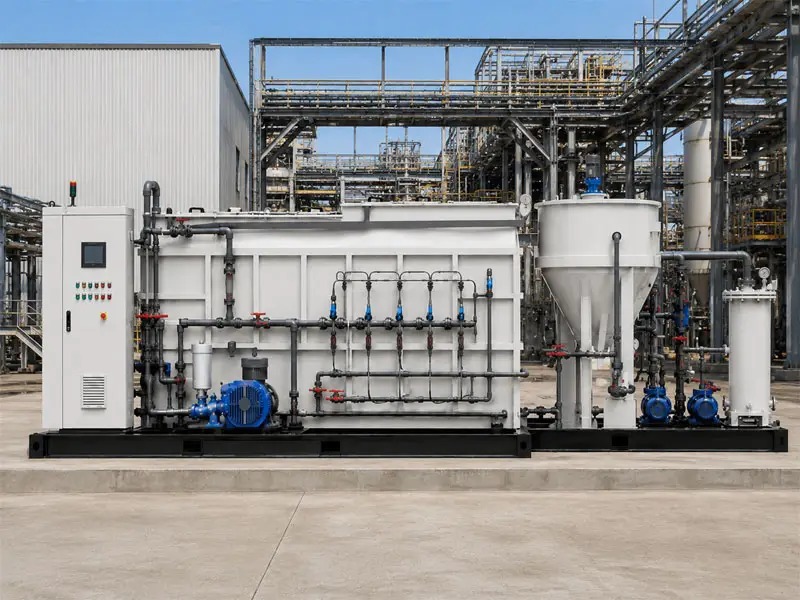
The reality is that even the most advanced wastewater treatment solution cannot function optimally when utilities fall short of its operational requirements. Facilities with inadequate electrical power, insufficient steam generation capacity, or limited compressed air availability often discover that their treatment systems underperform, require constant maintenance, or demand expensive infrastructure upgrades. This article explores how utility constraints shape feasible treatment approaches and how to align your wastewater treatment solution with your site's actual utility profile.
Understanding Utility Constraints in Treatment Design
Power Requirements and Electrical Limitations
Electrical power stands as the foundational utility for most wastewater treatment solution systems. Pumps, motors, aeration blowers, mixers, and control systems all depend on reliable power supply. Many industrial sites operate with limited electrical capacity, especially older facilities where infrastructure was designed for legacy equipment. When selecting a wastewater treatment solution, the installed electrical service must accommodate peak demand without causing voltage sags or tripping breakers that interrupt treatment cycles.
The challenge intensifies in remote or developing regions where grid power proves unstable or unavailable for extended periods. Sites with intermittent power supply cannot reliably operate treatment systems that demand continuous operation. Some wastewater treatment solution providers now design modular systems capable of operating under reduced power scenarios, incorporating variable frequency drives and adaptive aeration control to match available power capacity with treatment demand.
Steam and Thermal Energy Availability
Steam plays a critical role in many treatment processes, particularly in thermal conditioning and chemical reactions. Facilities with adjacent steam generation systems or cogeneration plants can leverage this utility effectively in their wastewater treatment solution. However, plants without dedicated steam infrastructure face significant operational barriers. When steam availability becomes constrained, treatment efficiency declines, and the facility may not achieve necessary contaminant removal rates required for discharge compliance or recycling applications.
The integration of a wastewater treatment solution dependent on steam utility must account for seasonal variations, maintenance shutdowns of steam generators, and competing demands from other industrial processes. Many organizations underestimate the cost of providing supplemental heating when steam supplies prove insufficient, leading to hidden expenses that were not factored into the initial treatment solution budget.
Air Supply and Compressed Gas Dependencies
Aeration and Blower Capacity Challenges
Compressed air or blower systems provide essential oxygen for aerobic treatment processes, activated sludge systems, and oxidation applications. The capacity and reliability of your site's air supply directly determines whether your chosen wastewater treatment solution can achieve target oxygen transfer rates. Undersized compressors or air systems lead to incomplete treatment, poor biosolid development, and inadequate contaminant reduction. When evaluating a wastewater treatment solution for biological treatment, verify that your facility's air generation capacity can sustainably meet the peak oxygen demand of the system.
Many treatment solutions require variable air delivery throughout operational cycles. Conventional fixed-displacement air systems waste energy and cannot adapt to the dynamic needs of an efficient wastewater treatment solution. This mismatch between utility supply profile and treatment system demand represents a hidden cost driver that emerges only during operational phase. Facilities with limited or inflexible air utilities must select treatment approaches that tolerate lower oxygen transfer rates or investigate energy-efficient air supply upgrades as part of their capital planning.
Impact on Treatment Performance and Sustainability
The interaction between available air utility and wastewater treatment solution performance cannot be overlooked. Inadequate aeration prolongs treatment times, reduces contaminant removal efficiency, and compromises effluent quality. Over the long term, operating a biological wastewater treatment solution with marginal air supply increases operational costs, maintenance frequency, and risk of permit violations. Energy efficiency improvements in treatment technology mean little if your site cannot supply the air utility demand required for optimal performance.
Site Utility Integration and Practical Solutions
Assessing Your Facility's Utility Profile
Before committing to any wastewater treatment solution, conduct a thorough utility audit of your site. Document the available electrical service capacity, confirm steam utility availability and cost, measure compressed air supply pressure and volume, and assess water utility quality and pressure. This baseline understanding prevents costly treatment system mismatches and ensures your selected solution aligns with your facility's actual utility infrastructure.
Compare your utility profile against the requirements of candidate treatment solutions. If your site offers abundant power but limited air utility, select treatment approaches that minimize aeration demand. If steam is plentiful, consider treatment processes that leverage thermal conditioning or chemical reactions requiring heat input. Matching wastewater treatment solution characteristics to your site's utility strengths creates operational efficiency and reduces capital requirements for infrastructure upgrades.
Modular and Adaptive Treatment Approaches
Modern treatment design increasingly incorporates modular and adaptable systems that adjust to utility constraints rather than requiring infrastructure redesign. Integrated skid-mounted systems that combine multiple unit processes can optimize power, steam, and air consumption while maintaining treatment efficacy. Variable frequency drive technology allows treatment equipment to scale utility demand based on flow and contamination levels, preventing wasted energy when utilities become constrained.
Energy recovery systems, hybrid aeration methods, and adaptive process control represent emerging strategies to overcome utility limitations without expensive infrastructure investment. A wastewater treatment solution designed with utility flexibility built into its core architecture provides long-term operational resilience and cost control. When evaluating vendors, prioritize solutions that acknowledge utility constraints and offer design optimization to match your site's specific power, steam, and air availability profiles.
FAQ
How do utilities affect wastewater treatment solution selection?
Utilities directly determine which treatment processes your site can reliably operate. Insufficient power capacity, limited steam supply, or inadequate compressed air availability will eliminate viable treatment options. Your wastewater treatment solution must match the utilities available at your facility to ensure consistent performance, regulatory compliance, and cost-effective operation over its lifetime.
What happens when a wastewater treatment solution exceeds available utilities?
Operating a wastewater treatment solution beyond your site's utility capacity leads to equipment underperformance, frequent breakdowns, poor effluent quality, and inflated operational costs. Systems may shut down during peak demand, treatment times extend significantly, and permit violations become likely. These operational failures often exceed the cost of addressing utility constraints proactively during system design and selection phases.
Can utility upgrades solve every wastewater treatment solution limitation?
Utility infrastructure upgrades can resolve many constraints, but the cost, timeline, and feasibility vary greatly by site and utility type. Rather than automatically upgrading utilities, evaluate treatment solutions designed to operate efficiently within your current utility profile. Modern adaptive systems and modular approaches often prove more cost-effective than major infrastructure investments, delivering superior results within your site's actual utility capabilities.

 EN






