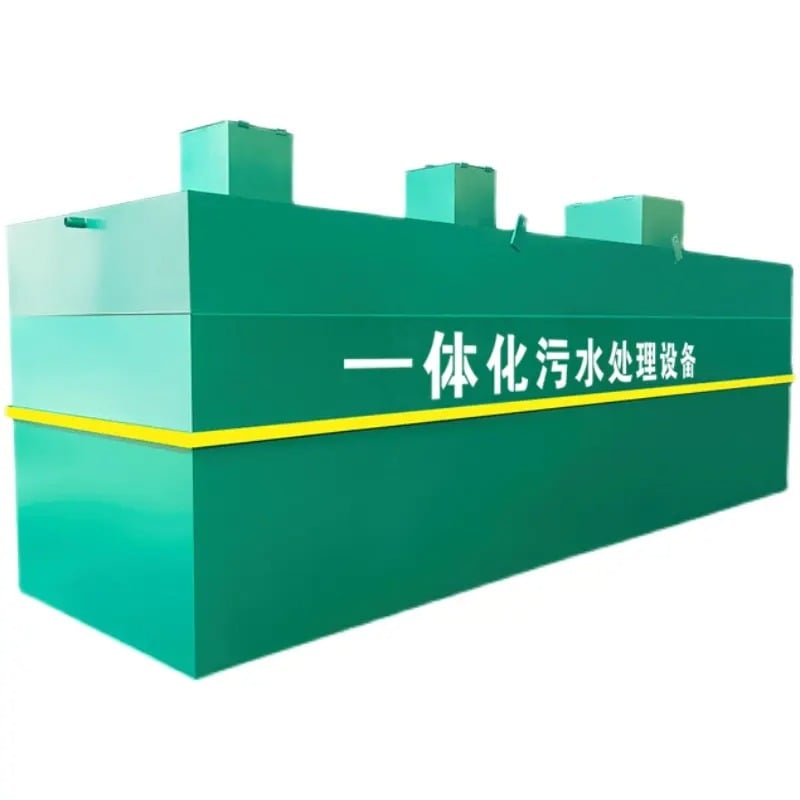
The electroplating industry generates significant volumes of wastewater containing heavy metals, suspended solids, and dissolved salts. Managing this effluent responsibly while recovering and reusing treated water has become both an environmental necessity and an economic opportunity for manufacturers. Electroplating wastewater recycling systems can dramatically reduce freshwater consumption and disposal costs, but success depends on understanding when and why advanced polishing stages become critical to your operation.
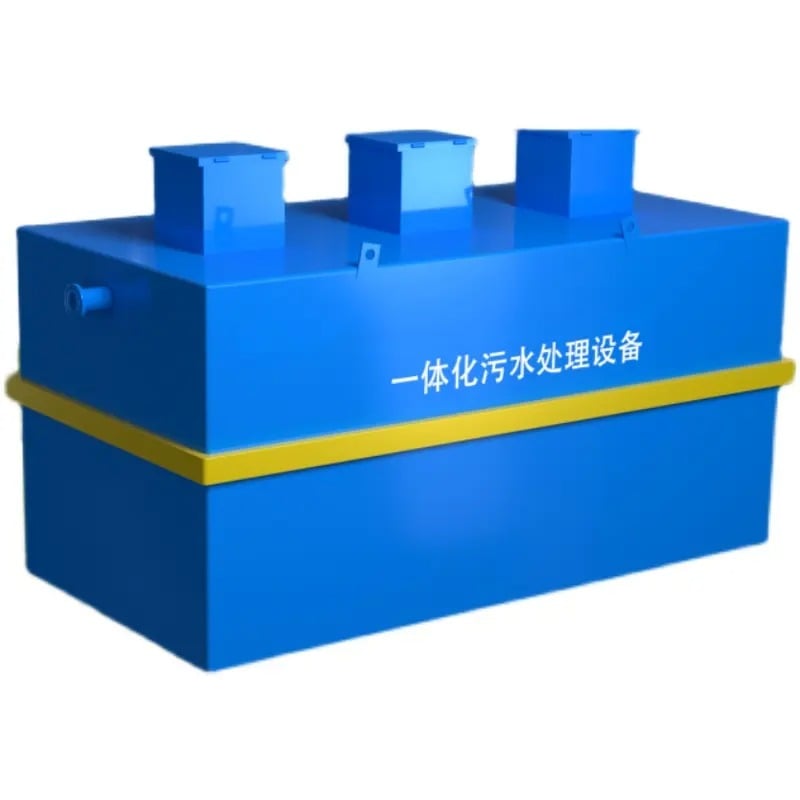
Reverse osmosis technology, commonly referred to as RO, has become the standard for advanced wastewater treatment in electroplating facilities. However, not every electroplating operation requires RO polishing, and not every treatment stage demands the same level of intensity. The decision to implement RO polishing depends on your specific production demands, water quality targets, and reuse applications. Understanding the triggers that signal you need RO polishing helps you optimize capital investment and operational efficiency while ensuring compliance with environmental standards.
Conductivity Control and Reuse Quality Standards
Why Conductivity Matters in Electroplating Wastewater
Conductivity measures the concentration of dissolved minerals and salts in water. In electroplating operations, wastewater contains elevated conductivity from metal ions, process chemicals, and bath additives. When you plan electroplating wastewater recycling, conductivity becomes your primary quality indicator because it directly affects process performance. High conductivity in reused water can disrupt plating chemistry, reduce coating uniformity, and compromise product quality.
Standard electroplating processes typically tolerate conductivity levels between 500 and 2000 microsiemens per centimeter, depending on the specific plating chemistry and application. When your treated effluent exceeds these thresholds through primary treatment alone, RO polishing becomes necessary. The RO membrane removes dissolved salts and ions more effectively than conventional filtration or chemical treatment, bringing conductivity down to acceptable reuse levels.
Reuse Application Standards
Different reuse applications impose different water quality demands. If you plan to return treated water directly to your plating baths or rinse tanks, stricter conductivity limits apply. Rinse water for final electroplating typically requires conductivity below 100 microsiemens per centimeter to prevent contamination of the final product. This level of purity almost always demands RO treatment because primary treatment and basic RO cannot achieve it consistently without additional polishing.
However, if your reuse strategy focuses on cooling systems or cleaning operations outside the plating process, less stringent conductivity targets may apply. In these cases, you might use primary treatment and basic RO without additional polishing stages. Assessing your specific reuse applications early helps you determine whether RO polishing is truly necessary or whether alternative recovery strategies offer better economic value.
Treatment Train Performance and Economic Thresholds
When Primary Treatment Falls Short
Most electroplating wastewater treatment systems begin with chemical precipitation, pH adjustment, and clarification to remove heavy metals and suspended solids. These primary stages can reduce conductivity by 10 to 30 percent, but they rarely achieve the low conductivity needed for direct reuse. After primary treatment, your conductivity typically remains in the 1500 to 5000 microsiemens range, well above reuse standards for sensitive applications.
RO serves as the next logical step because it removes dissolved salts through membrane separation, reducing conductivity far more dramatically than chemical treatment alone. A properly operated RO system can lower conductivity from 3000 microsiemens to below 50 microsiemens in a single pass. When your facility conducts routine conductivity testing and discovers consistent results above reuse thresholds even after primary treatment, RO polishing becomes economically justified.
Economic Decision Points
The decision to install RO polishing ultimately balances water cost savings against capital and operational expenses. In regions where water is expensive and disposal charges are high, wastewater recycling offers faster return on investment. Adding RO polishing becomes attractive when your annual freshwater purchases exceed a certain threshold, typically 500 to 1000 cubic meters monthly for a mid-sized electroplating operation.
Beyond water cost, consider the value of reduced chemical consumption. Lower conductivity in reused water extends the life of your plating baths and reduces the need for frequent bath replacements. Facilities using hard or brackish source water, or those operating in areas with seasonal water scarcity, find RO polishing particularly valuable. Calculating the total cost of ownership across three to five years, including energy consumption and membrane replacement, helps justify the investment when water recovery rates exceed 70 percent.
Regulatory Compliance and Environmental Drivers
Discharge Standards and Zero Liquid Discharge
Environmental regulations in many jurisdictions limit the conductivity and total dissolved solids permitted in wastewater discharge. Some regulatory agencies set conductivity discharge limits at 5000 microsiemens or lower, while others focus on specific ion concentrations and heavy metal limits. When your facility must meet these discharge standards while maximizing water reuse, RO polishing serves dual purposes: it enables water recovery for productive reuse while reducing the volume of waste requiring final disposal.
Zero liquid discharge systems, increasingly common in electroplating, represent the ultimate reuse scenario. These facilities recover and reuse virtually all process water, using evaporation or crystallization to handle only the smallest residual waste streams. In these operations, RO polishing is not optional; it is essential infrastructure. The low conductivity and ion concentration achieved by RO ensures that recycled water meets stringent internal quality standards across all production cycles.
Sustainability and Corporate Responsibility
Beyond regulatory compliance, many electroplating manufacturers adopt wastewater recycling as a sustainability commitment. Demonstrating water efficiency and waste reduction appeals to major customers, particularly in automotive and electronics sectors. RO polishing, as a visible advanced treatment technology, strengthens your environmental profile and supports corporate responsibility narratives. Facilities that achieve water reuse rates above 60 percent through RO-based treatment often market this capability as a competitive advantage.
FAQ
What conductivity level signals that I need RO polishing for my electroplating operation?
If your primary treatment consistently produces effluent with conductivity above 500 to 1000 microsiemens, and you plan to reuse this water in your plating process or final rinse stages, RO polishing becomes necessary. The exact threshold depends on your specific plating chemistry and reuse application. Contact your plating supplier or conduct trial reuse tests to determine your facility's acceptable conductivity limits.
Can I achieve adequate reuse quality without RO, using only primary treatment and filtration?
Primary treatment and standard filtration can achieve water quality suitable for non-contact cooling, cleaning, and other auxiliary applications. However, for direct return to plating baths or final rinse tanks, these methods typically fall short. Only RO or other advanced technologies like ion exchange can reduce conductivity sufficiently for sensitive electroplating reuse. Evaluate your complete reuse strategy to determine whether RO polishing fits your cost and quality requirements.
How does RO polishing affect the total cost and payback period of my wastewater recycling system?
RO polishing typically adds 20 to 35 percent to the capital cost of a wastewater recycling system but can reduce operating costs through higher water recovery rates and lower discharge fees. Payback periods typically range from two to four years depending on local water costs, disposal charges, and energy prices. Facilities with high water consumption, expensive discharge fees, or strict regulatory requirements see faster returns. Conduct a detailed financial analysis specific to your region and production volume to validate the business case.

 EN