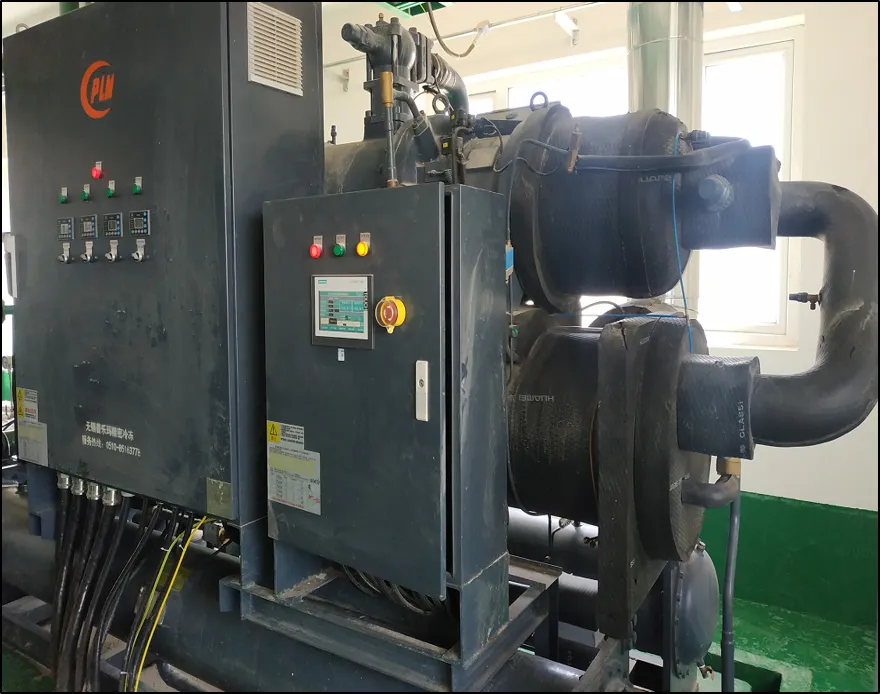
Industrial wastewater treatment facilities face complex decisions when selecting equipment for managing high-salinity waste streams. A brine concentrator and a crystallizer are two distinct technologies that handle different stages of salt and mineral separation, yet they are often confused or used interchangeably in discussions about zero liquid discharge (ZLD) systems. Understanding the fundamental differences between these technologies is critical for optimizing wastewater treatment processes and achieving cost-effective brine management.
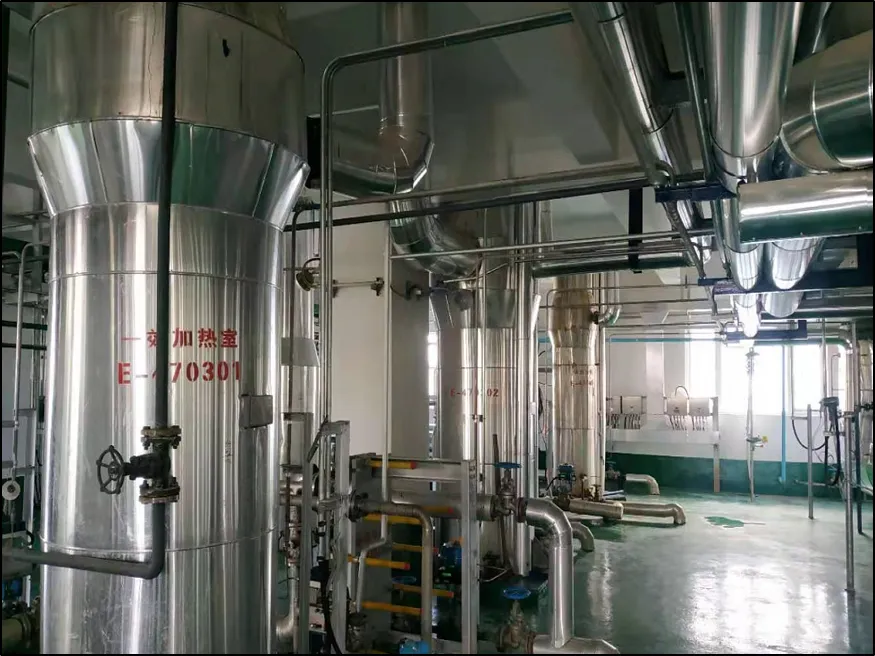
Both technologies serve critical roles in integrated wastewater management systems, particularly in industries dealing with high-salinity brine streams such as desalination plants, food processing, chemical manufacturing, and reverse osmosis reject streams. The selection between concentration and crystallization methods depends on process goals, waste stream composition, recovery objectives, and economic factors specific to each facility. This article explores how these technologies differ in function, design, output, and application, providing clarity for treatment professionals and industrial operators.
Functional Roles and Operational Objectives
The Purpose of Brine Concentration
A brine concentrator reduces the volume of brine by removing water through thermal or mechanical separation methods. The primary goal of concentration is to minimize the volume of waste requiring final disposal while recovering valuable water for reuse or process recycling. Through evaporation or membrane-based concentration processes, water content decreases while dissolved salts remain suspended in solution. The concentrated brine stream that exits the system contains higher salt densities than the incoming feed, making it more manageable for subsequent treatment or disposal. Many facilities use concentration as an intermediate step before final crystallization or other end-of-life processing.
The Purpose of Crystallization
Crystallization, by contrast, transforms dissolved salts in brine into solid crystal form through precipitation and separation. The crystallization process removes salts from the liquid phase by inducing phase change, where soluble ions become insoluble solids that can be physically separated. Unlike concentration, which produces a higher-salt liquid, crystallization yields solid salt byproducts alongside a purified liquid stream. This technology is often the final step in ZLD systems, converting residual dissolved salts into recoverable or disposable solid materials. Crystallization enables zero liquid discharge by converting all remaining brine into manageable solid waste.
Technology and Processing Mechanisms
How Brine Concentrators Operate
Concentration systems typically employ multi-effect evaporation, reverse osmosis, electrodialysis reversal, or thin-film distillation to separate water from dissolved solids. Thermal-based concentration uses sequential evaporator stages to reduce water content efficiently, while mechanical systems like reverse osmosis use pressure-driven membrane separation. Each concentration method produces a reduced-volume, higher-salinity liquid stream that requires further treatment or careful disposal. The equipment is relatively straightforward, with proven reliability in various industrial environments. Operating costs depend on energy requirements, which vary significantly between thermal and membrane-based concentration methods.
How Crystallizers Function
Crystallization equipment forces saturation conditions that cause dissolved salts to form solid crystals through cooling, evaporation, or chemical precipitation. Most industrial crystallizers operate by controlled cooling or vacuum-based evaporation, which increases salt supersaturation until crystal nucleation occurs. The crystallizer vessel contains growing crystals that are continuously harvested while fresh brine feed enters the system. This continuous or batch crystallization process separates solid salts from solution, leaving behind a purified liquid stream with minimal dissolved solids. Advanced crystallization designs include suspension crystallizers, cooling crystallizers, and evaporative crystallizers, each suited to different salt types and recovery goals.
Output Products and End-of-Life Management
Concentration Outputs and Disposal Pathways
The primary output of a brine concentrator is a high-salinity liquid brine that requires further treatment or disposal. Most concentrated brine cannot be discharged directly and must either be sent to a crystallizer for final processing, deep-well injected, or processed through additional treatment steps. The water recovered from concentration can often be recycled back into the original process or polished for non-potable reuse. While concentration substantially reduces waste volume, it does not eliminate the need for final brine handling. This intermediate status makes concentration technology essential in multi-stage treatment trains but insufficient as a standalone solution for true ZLD compliance.
Crystallization Outputs and Recovery
Crystallizers produce solid salt crystals as primary output, along with a purified liquid stream that meets discharge or reuse standards. The solid crystals can be recovered for sale as chemical feedstock, road salt, or specialty products depending on salt composition and purity. The treated liquid can be discharged directly or recycled, satisfying ZLD regulatory requirements. Some crystallization processes yield specific salt types like sodium chloride, calcium sulfate, or sodium sulfate, each with potential commercial value. The ability to convert waste streams into recoverable byproducts makes crystallization economically attractive and environmentally compliant for regulated industries.
Integration into ZLD and Brine Management Systems
Concentration as a Treatment Stage
In comprehensive ZLD systems, concentration often serves as the first major step in brine processing. By reducing feed volume early in the treatment train, concentration technology minimizes the load on downstream crystallization equipment and reduces overall energy consumption. Many facilities employ multiple concentration stages to achieve maximum volume reduction before crystallization. The concentrated brine produced contains the salts, minerals, and contaminants that must eventually be addressed by crystallization or other final treatment. Proper design of concentration systems ensures optimal salt loading into crystallization stages, improving overall system efficiency and reducing per-unit treatment costs.
Crystallization as the Final Barrier
Crystallization functions as the final processing step in ZLD systems, converting all remaining brine into solid and liquid products. By crystallizing dissolved salts that concentrate processes cannot remove, crystallization achieves true zero liquid discharge and regulatory compliance. The technology handles extremely high-salinity feeds that would be impractical for direct discharge or deep-well injection. Many industrial facilities operating under strict environmental regulations depend entirely on crystallization technology to meet compliance obligations. The combination of concentration followed by crystallization represents the industry standard for complete brine elimination in modern wastewater treatment.
FAQ
Can a brine concentrator replace a crystallizer in a ZLD system?
No, a brine concentrator cannot replace a crystallizer in achieving true zero liquid discharge. Concentration reduces liquid volume but cannot convert dissolved salts into solid form or achieve the liquid purity required for discharge or reuse. While concentration is an effective intermediate step that reduces downstream crystallization load, final crystallization remains necessary to eliminate all remaining brine. Most regulatory ZLD compliance frameworks require crystallization or equivalent solid recovery technology as the terminal process step.
What makes crystallization technology more suitable for high-salinity brine than concentration alone?
Crystallization removes dissolved salts by forcing phase change from liquid to solid, whereas concentration only reduces water volume while keeping salts dissolved. For extremely concentrated brine streams, crystallization is the only proven method to achieve the low total dissolved solids (TDS) required for discharge. Concentration can reduce brine volume by 50 to 70 percent, but crystallization must handle the remaining concentrated salts. The combination allows each technology to perform its optimized function in a complete treatment sequence.
What industries benefit most from integrating both concentration and crystallization technologies?
Desalination plants, chemical manufacturers, food processing facilities, and pharmaceutical operations all benefit from combined concentration and crystallization systems. These industries generate high-volume, high-salinity brine streams that would be prohibitively expensive to treat using crystallization alone. Reverse osmosis reject streams, cooling tower blowdown, and process effluent from salt-based operations require the dual-stage approach. Industries facing strict ZLD regulations and high wastewater volume find the combination of concentration and crystallization economically and operationally superior to single-technology solutions.

 EN