bhp-salt-separation-system-for-industrial-wastewater, bhp-salt-separation-system-for-industrial-wastewater, /salt-fractionation-system
EN
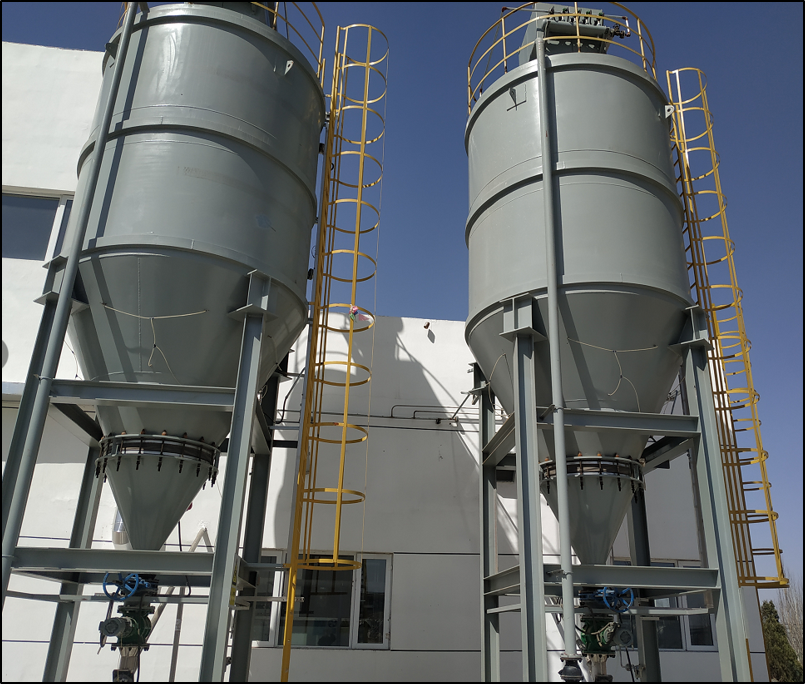
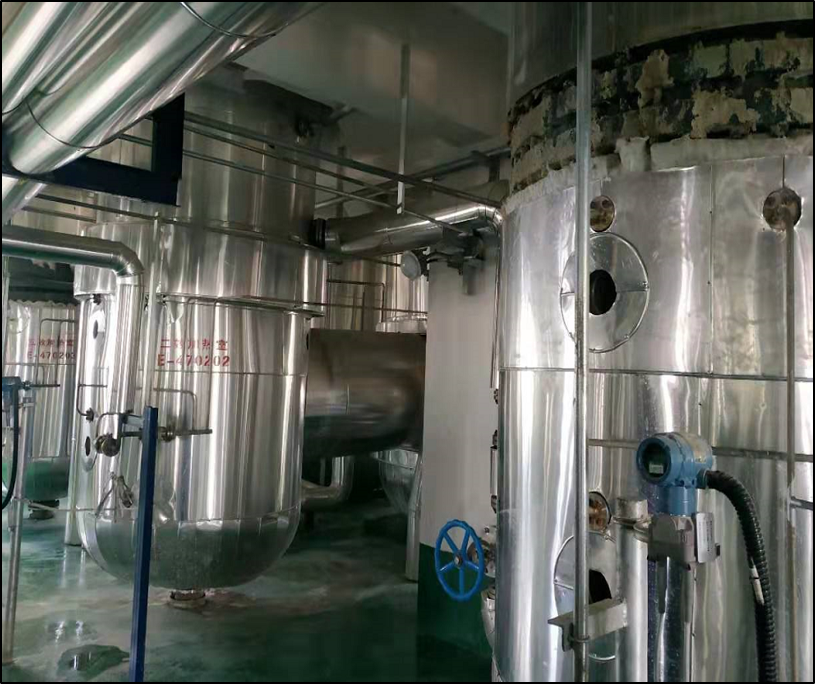
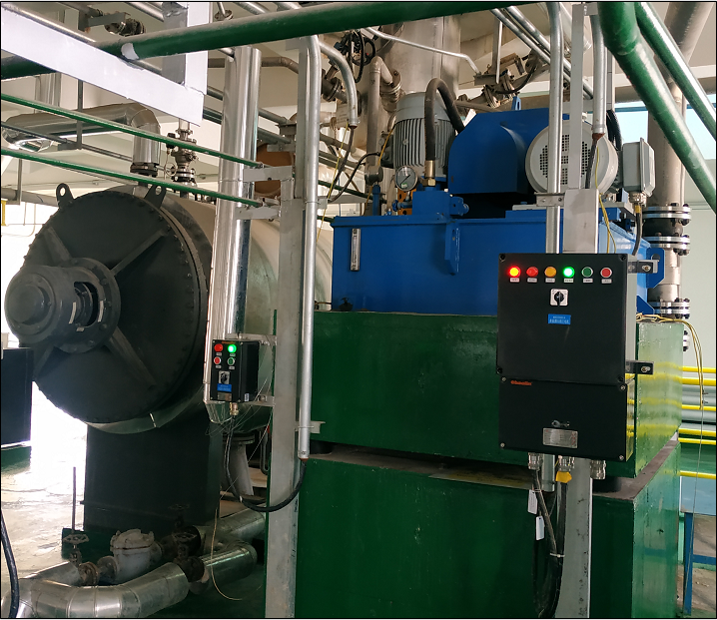
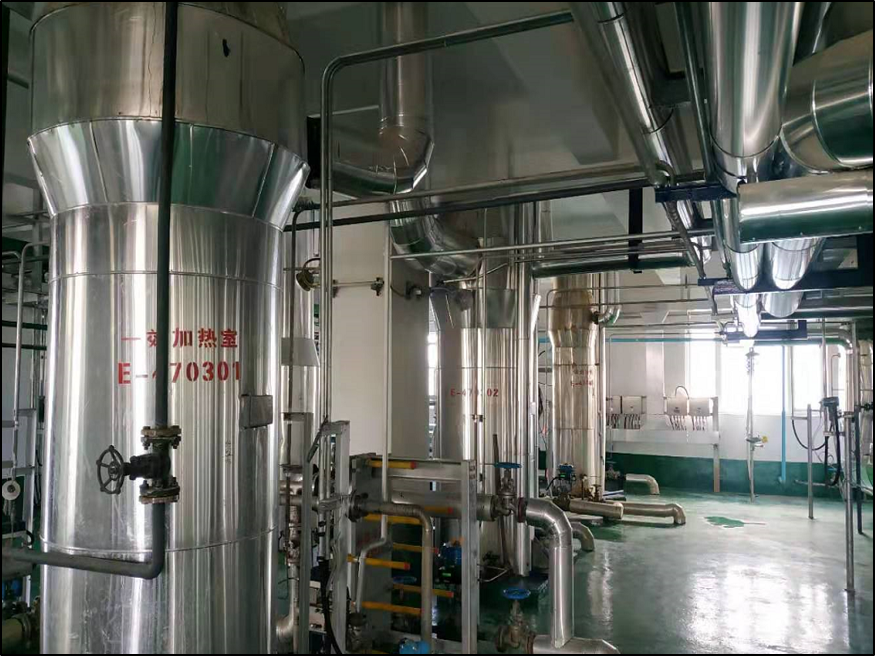
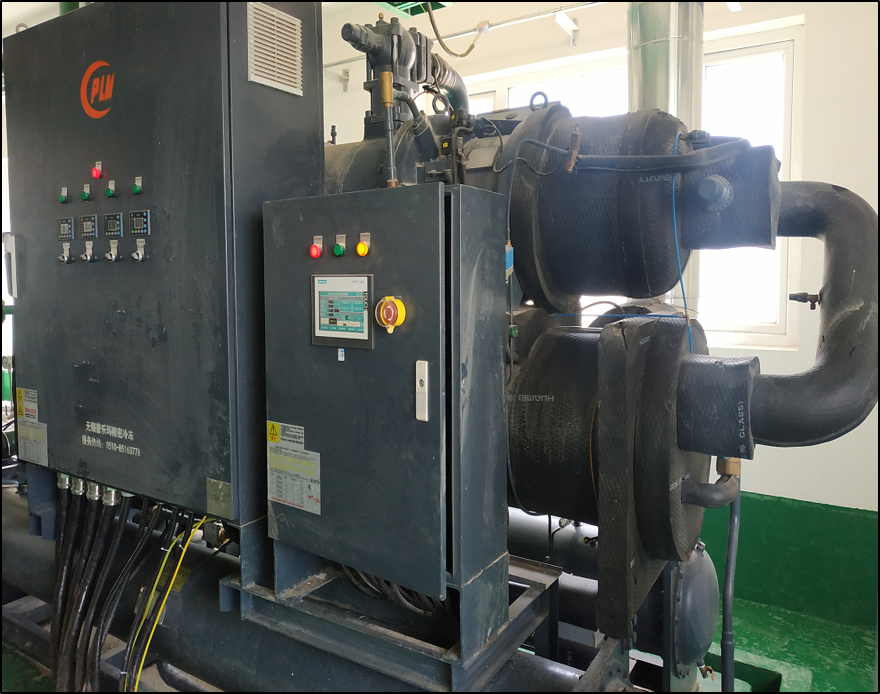
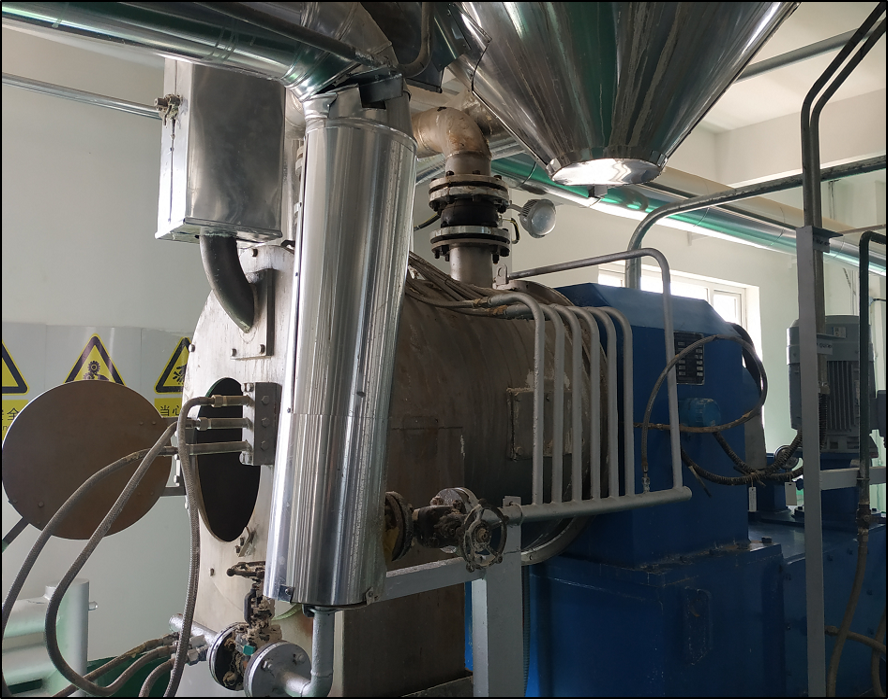
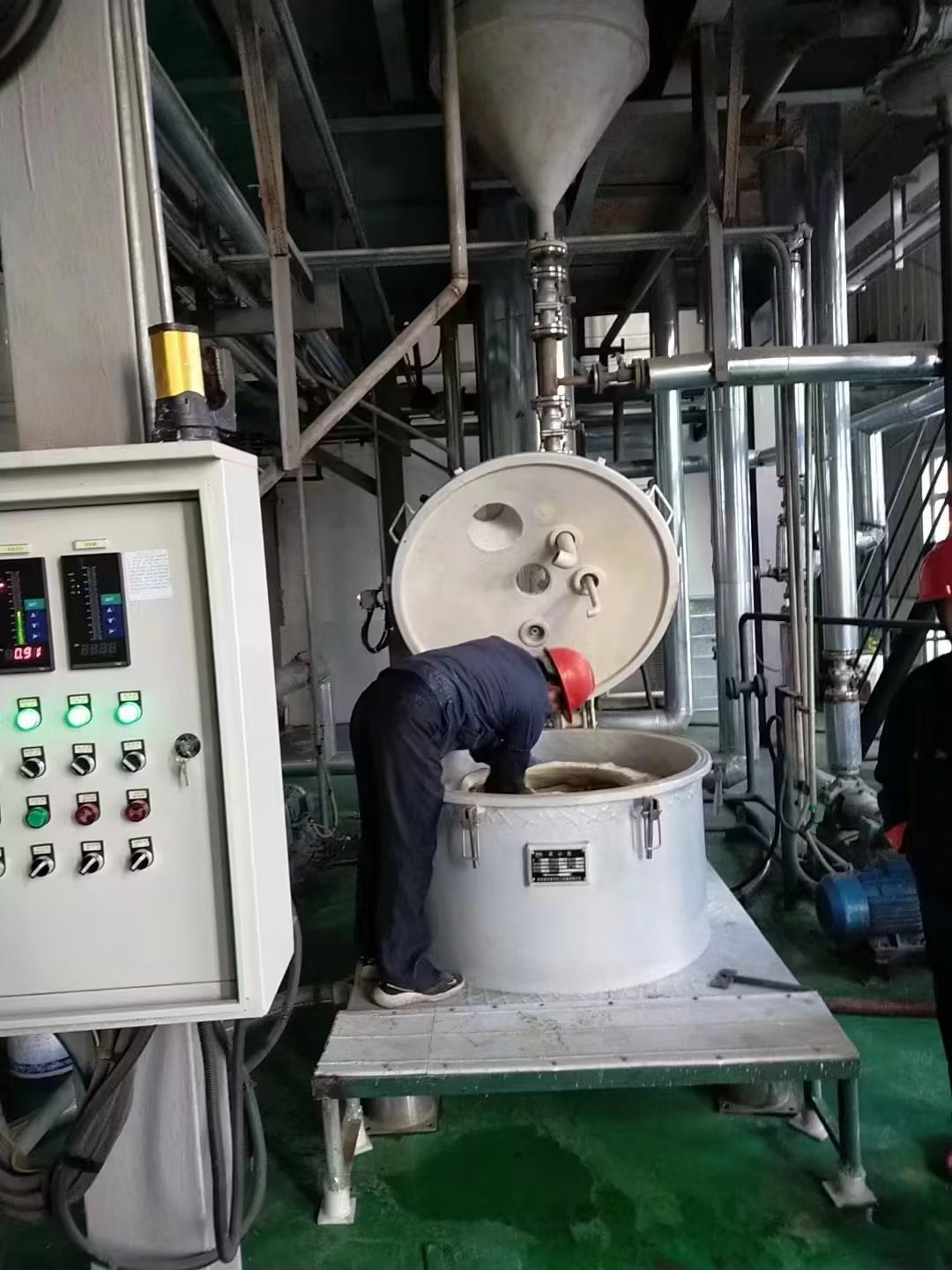
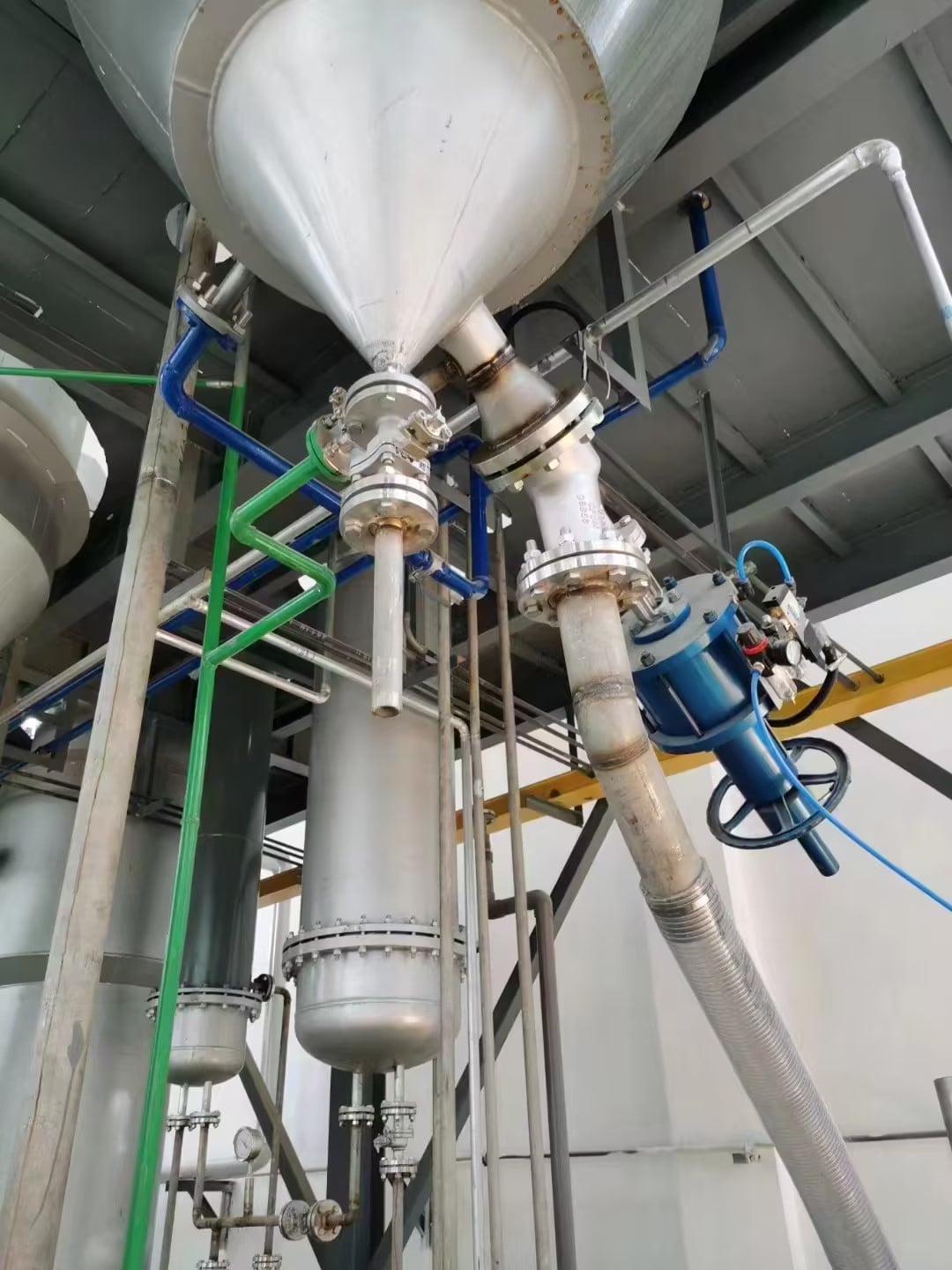
BHP salt separation system, 1-150T/H, ≥90% water recovery, ≥95% salt purity, for NaCl/Na₂SO₄ fractionation and ZLD integration.
The BHP Salt Separation System for Industrial Wastewater (BHP-SSS Series) is designed specifically for the treatment of complex mixed-salt industrial brine. Rather than simply removing water, it uses the differential solubility curves of NaCl and Na₂SO₄ to separate them into individual, high-purity product streams.
This industrial wastewater treatment system integrates high-precision membrane separation with staged fractional crystallization. A low-temperature concentration stage first reduces feed volume and brings the brine toward saturation. Staged crystallization units then exploit the temperature-dependent solubility difference between the target salts to produce separate fractions. Precise temperature-zone control in each crystallizer stage is what distinguishes clean industrial salt recovery from costly co-precipitation and product downgrading. As a comprehensive salt fractionation system, the BHP-SSS Series delivers both water recovery and wastewater salt removal in a single integrated process train.
| Parameter | Specification |
|---|---|
| Model Series | BHP-SSS Series |
| Capacity | Customizable, 1–150 T/H |
| Core Technology | Selective membrane separation + staged fractional crystallization |
| Suitable Feed Streams | Mixed-salt wastewater, high-salinity brine, industrial crystallization mother liquor |
| Water Recovery Rate | ≥90% |
| Recovered Salt Purity | ≥95% (industrial grade) |
| Process Route | Low-temperature concentration → staged crystallization → salt separation |
| Control System | Fully automated PLC; designed for continuous, unattended operation |
| Construction Material | 316L stainless steel or titanium alloy (corrosion-resistant design) |
| Certifications | CE; ISO 9001; ISO 14001 |
Provided that feed water composition is characterized and the system is configured for the specific brine profile, the BHP Salt Separation System for Industrial Wastewater separates NaCl and Na₂SO₄ into distinct product streams rather than producing a mixed-salt cake. This separation is particularly relevant for facilities where mixed-salt residue triggers hazardous waste classification, or where individual salts can be sold or reused — coal chemical plants with Na₂SO₄/NaCl mixed brine, or flue gas desulfurization wastewater streams where high-purity Na₂SO₄ has established resale value to paper and glass manufacturing industries. Achieving clean separation requires more than adding a crystallizer to an existing evaporation line.
Recovered NaCl and Na₂SO₄ from the industrial wastewater treatment system can reach ≥95% industrial-grade purity under appropriate operating conditions. This purity level is sufficient for potential reuse in production processes or sale as industrial commodity salt, subject to local market standards and regulatory requirements. For facilities partially offsetting ZLD investment through by-product revenue, salt purity is a direct economic variable. Over-engineering for purity beyond the downstream application requirement adds unnecessary complexity — more crystallizer stages, longer residence time, and higher energy consumption. BHP's approach is to size the system to the actual purity target and application context, not a theoretical maximum, which reduces system complexity and improves operational stability. This pragmatic design philosophy makes the salt fractionation system both technically effective and economically viable for a wide range of industrial applications.
The system achieves ≥90% water recovery, returning treated water to production as process water or cooling water reuse, depending on polishing requirements. This supports zero liquid discharge objectives and eliminates the concentrated brine stream that conventional evaporation systems generate. The BHP Salt Separation System for Industrial Wastewater is designed to integrate with upstream RO pre-concentration and downstream ZLD finishing steps as a seamless component in a complete treatment train. BHP's system is compatible with its ultrafiltration (UF), reverse osmosis (RO), low-temperature evaporation, and MVR evaporation products, providing a fully integrated approach to wastewater salt removal and resource recovery.
The low-temperature concentration process reduces energy demand compared with full-evaporation approaches that remove all water from the brine before any salt separation occurs. By concentrating the feed to near-saturation first and using staged crystallization to separate salts at their respective solubility thresholds, the system avoids unnecessary over-evaporation energy overhead. This is particularly relevant for facilities with high electricity tariffs or corporate sustainability reporting obligations covering specific energy consumption per cubic meter of wastewater treated.
The PLC control system automates feed control, separation sequencing, crystallization management, and salt discharge — reducing operator workload and minimizing process upsets that shift salt co-precipitation behavior. Fully automated operation also supports compliance documentation requirements under ISO 14001 environmental management systems. Cloud-based remote monitoring is available as an optional module for multi-site operations or facilities with centralized environmental management functions. This automation capability ensures that the industrial wastewater treatment system maintains consistent performance with minimal manual intervention.
The BHP Salt Separation System for Industrial Wastewater uses 316L stainless steel as standard, with titanium alloy construction available for high-chloride streams where standard alloys face accelerated pitting corrosion. This material selection applies specifically to electroplating wastewater and high-chloride brine from coal-to-chemical processes, where chloride-induced material degradation is a known long-term reliability risk in under-specified equipment. The corrosion-resistant design ensures long service life and reliable operation even in the most challenging wastewater salt removal applications.
Battery manufacturing generates high-salinity wastewater with variable ionic composition across different cathode chemistries. The BHP Salt Separation System for Industrial Wastewater separates mixed salts from these streams, reducing mixed-salt disposal requirements and supporting the facility's ZLD compliance pathway. For lithium battery plants operating under ISO 14001 requirements, documented salt separation performance data — water recovery rates, salt purity measurements, effluent TDS — can support permit submissions and environmental authority approvals in EU and North American markets. This salt fractionation system is specifically configured to handle the unique brine profiles encountered in battery manufacturing operations.
Chemical plants and coal-to-chemical facilities generating NaCl/Na₂SO₄ co-occurrence brine represent one of the highest-value segments for selective salt separation. Provided brine composition is characterized in advance, the BHP Salt Separation System for Industrial Wastewater can produce separated salt fractions at sufficient purity to create a marketable by-product from what was previously a disposal cost. The system's scalable capacity range of 1–150 T/H accommodates both centralized industrial park treatment and single-facility installations in coal chemical and FGD wastewater treatment projects. As a comprehensive salt separation system, it delivers both environmental compliance and economic value.
High-chloride electroplating wastewater contains metal salt contaminants alongside NaCl and Na₂SO₄. Separating the recoverable salt fractions reduces the hazardous waste classification burden on the remaining solid residue. For surface treatment facilities in regions where mixed-salt solid waste faces higher disposal fees or stricter permit requirements than individually separated salt streams, selective separation has a direct impact on annual waste management operating cost. The BHP Salt Separation System for Industrial Wastewater supports optional modules including an automatic salt-crystal sorting unit, high-precision membrane separation module, automatic cleaning system, cloud-based remote monitoring, and integrated ZLD system. For EPC contractors or facilities building a complete treatment chain, BHP provides a single-supplier scope covering ultrafiltration, reverse osmosis, salt fractionation system, and MVR evaporation — reducing technical interface management risk across the process train.
The BHP Salt Separation System for Industrial Wastewater supports optional modules including an automatic salt-crystal sorting unit, high-precision membrane separation module, automatic cleaning system, cloud-based remote monitoring, and integrated ZLD system. For EPC contractors or facilities building a complete treatment chain, BHP provides a single-supplier scope covering ultrafiltration, reverse osmosis, salt separation, and MVR evaporation — reducing technical interface management risk across the process train.
CE certification and ISO 9001 quality management documentation are available to support project approval in European and North American markets. Contact BHP's process engineering team with your wastewater characterization data — NaCl/Na₂SO₄ ratio, feed TDS, volumetric flow rate, and target salt purity — to receive a project-specific design recommendation for the BHP Salt Separation System for Industrial Wastewater. Whether you require a complete salt separation system, an integrated industrial wastewater treatment solution, or a specialized salt fractionation system for your wastewater salt removal needs, BHP's engineering team delivers customized designs optimized for your specific brine composition and recovery targets.
BHP salt separation system, 1-150T/H, ≥90% water recovery, ≥95% salt purity, for NaCl/Na₂SO₄ fractionation and ZLD integration.

 EN