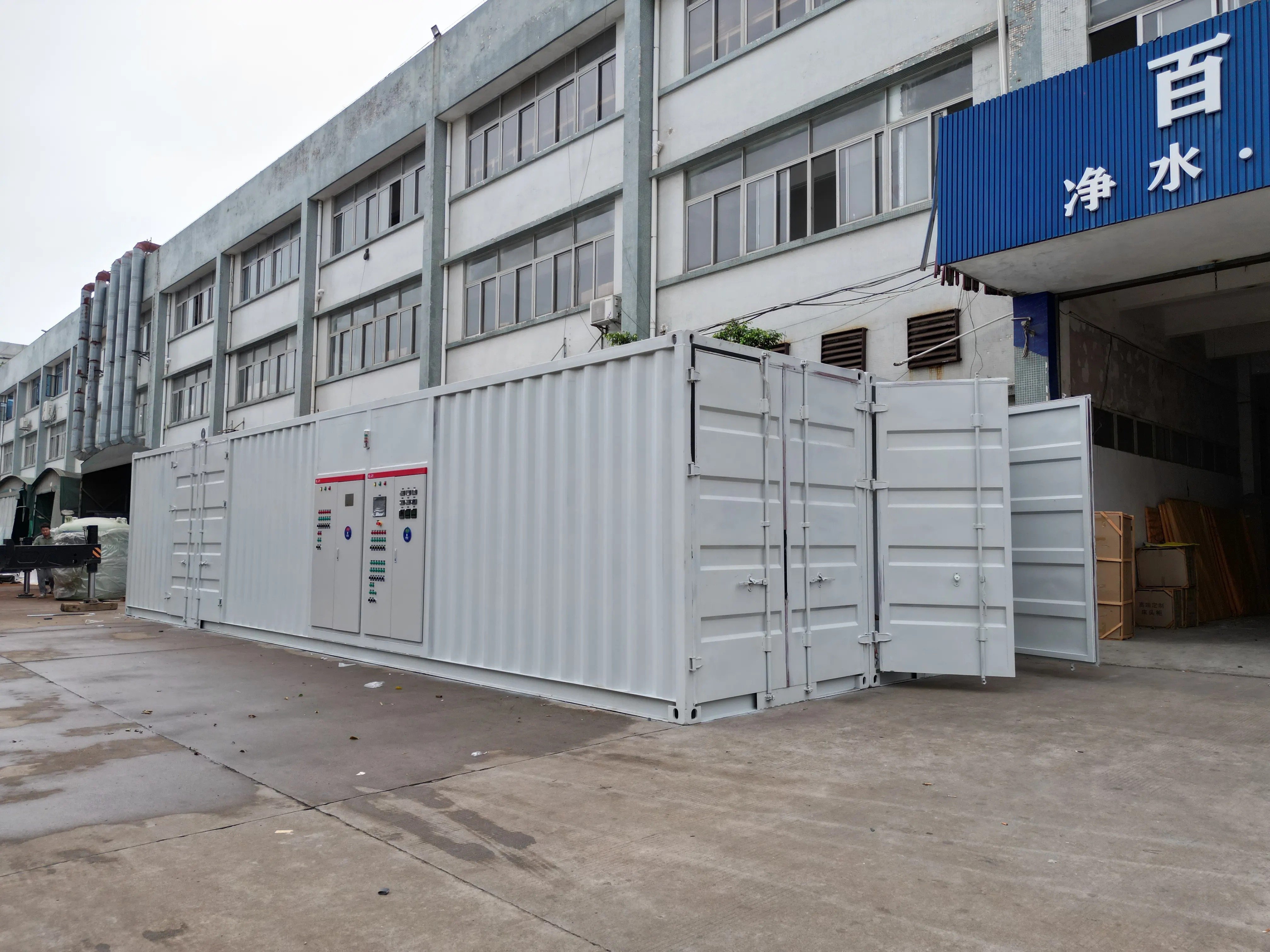
The STP MBBR process represents a significant advancement in wastewater treatment technology, combining biological treatment efficiency with compact reactor design. MBBR stands for moving bed biofilm reactor, a system that uses suspended plastic carrier media to grow biofilm cultures that break down organic pollutants in wastewater. Unlike conventional activated sludge treatment, the MBBR technology maintains biofilm on moving carriers, delivering superior treatment performance in a smaller footprint. This approach has become increasingly popular in municipal and industrial wastewater facilities worldwide because it offers reliable nutrient removal, reduced operational complexity, and lower capital costs compared to traditional STP treatment methods.
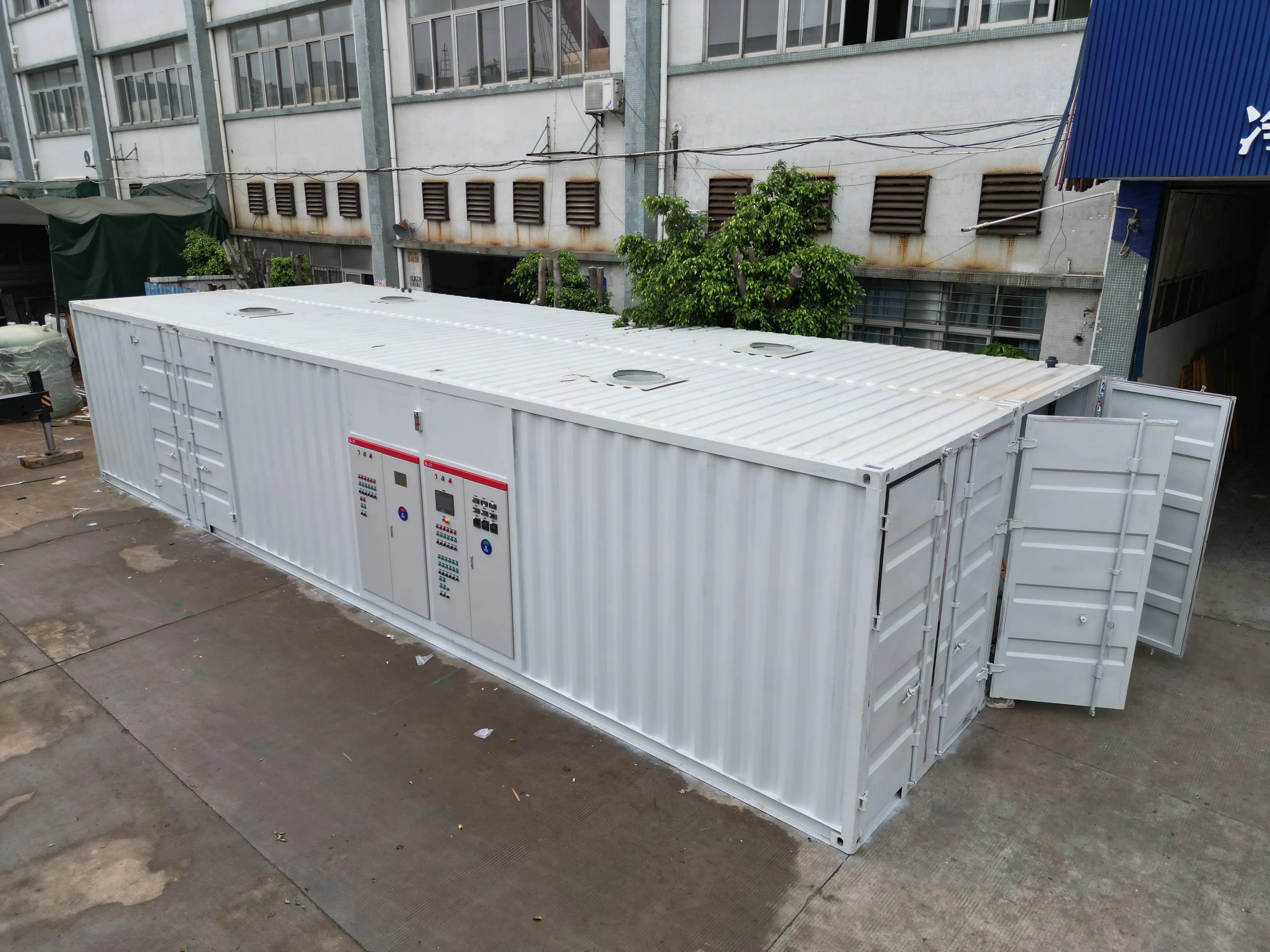
Understanding how the MBBR treatment process works requires knowledge of biofilm growth dynamics, aeration principles, and the role of moving bed carriers. The system continuously circulates plastic media through the reactor tank, providing attachment surfaces for microorganisms that form biofilm layers. Aeration supplies oxygen needed for biological degradation while keeping the media in constant motion. This movement prevents biofilm thickness buildup and ensures fresh substrate access for the microbial communities. The integration of biofilm reactors into STP facilities has transformed wastewater treatment by enabling higher organic loading rates and improved effluent quality in applications ranging from residential communities to food processing and pharmaceutical manufacturing.
The MBBR Biofilm Technology Foundation
Carrier Media and Biofilm Attachment
The MBBR system relies on plastic carrier media that serves as the primary substrate for biofilm formation. These carriers typically have specific surface areas ranging from 400 to 800 square meters per cubic meter, providing abundant attachment surfaces within the reactor volume. The biofilm that develops on these carriers consists of algae, protozoa, bacteria, and extracellular polymeric substances that work together to degrade contaminants. As MBBR technology has evolved, carrier designs have become increasingly sophisticated, with internal and external structures that maximize biofilm development. The plastic media materials resist corrosion and maintain structural integrity throughout extended operational periods, ensuring consistent performance in STP treatment systems.
Continuous Movement and Mixing Dynamics
The moving bed principle distinguishes MBBR from other biofilm reactor designs by maintaining constant circulation of the plastic carriers throughout the treatment tank. Aeration systems drive this movement, creating turbulent conditions that keep carriers suspended and prevent settling. This continuous motion serves multiple functions: it ensures uniform distribution of substrate throughout the biofilm, prevents excessive biofilm thickness that could impair oxygen transfer, and maintains consistent environmental conditions. The mixing intensity can be controlled by adjusting aeration rates, allowing operators to optimize MBBR performance based on influent characteristics and treatment objectives. This operational flexibility makes MBBR technology highly adaptable to varying wastewater compositions found in different industrial and municipal STP applications.
Aeration and Oxygen Transfer in MBBR Systems
Oxygen Delivery Mechanisms
Aeration in an MBBR reactor serves the dual purpose of supplying dissolved oxygen for biological metabolism while providing the mixing energy that keeps carriers mobile. The biofilm communities within the MBBR consume oxygen at rates proportional to the organic content and operational temperature. Oxygen transfer efficiency becomes critical in MBBR design because inadequate aeration reduces treatment capacity, while excessive aeration increases energy consumption. Most MBBR systems employ fine bubble diffusers or coarse bubble aeration systems positioned beneath the reactor, creating turbulence that suspends the plastic media. The specific oxygen transfer rate in an MBBR depends on bubble size, aeration intensity, wastewater composition, and operating temperature. Proper aeration ensures that the biofilm remains aerobic and capable of efficiently degrading pollutants throughout the STP treatment process.
Energy Optimization and Operational Efficiency
Energy consumption represents a significant operational cost in wastewater treatment, making aeration efficiency crucial for sustainable STP MBBR systems. Advanced aeration technologies, including membrane diffusers and variable frequency drives, allow operators to match oxygen supply with actual treatment demand. The MBBR biofilm structure naturally creates a gradient where outer layers remain aerobic while inner biofilm regions become anoxic or anaerobic, enabling simultaneous nitrification and denitrification within the reactor. This gradient functionality reduces the need for separate treatment stages, lowering both capital and operational costs. Operators can fine-tune aeration parameters based on real-time monitoring data, adjusting oxygen transfer to maintain optimal biofilm activity while minimizing energy waste. Effective aeration management directly impacts the economic viability and environmental performance of municipal and industrial STP facilities.
STP MBBR Treatment Stages and Performance Outcomes
Organic Matter Degradation and Nutrient Removal
The MBBR treatment sequence begins with organic matter degradation, where biofilm microorganisms break down readily biodegradable compounds into simpler substances. Carbon removal typically occurs rapidly in the MBBR, with removal rates often exceeding 90 percent for soluble organic matter. Nitrogen removal occurs through nitrification and denitrification processes within the biofilm structure, eliminating ammonia and reducing nitrate to atmospheric nitrogen. Phosphorus removal can be enhanced through chemical precipitation or biological uptake mechanisms, depending on STP system design. The biofilm's stratified structure naturally facilitates these sequential biological reactions, making MBBR technology particularly effective for nutrient-rich wastewater streams. Treatment efficiency remains relatively stable across varying influent concentrations because the biofilm provides a buffering effect against shock loads. These performance characteristics make the MBBR biofilm approach preferred in many municipal and industrial wastewater treatment scenarios.
Effluent Quality and Sludge Production
MBBR systems produce effluent quality suitable for discharge to receiving water bodies or reuse applications depending on STP design objectives. Suspended solids removal occurs through a combination of biofilm settling and clarification processes, typically achieving effluent suspended solids concentrations below 30 milligrams per liter. Biochemical oxygen demand reduction usually exceeds 95 percent, meeting regulatory standards for most jurisdictions. Sludge production in MBBR reactors remains significantly lower than conventional activated sludge systems because biofilm retention on carriers reduces wasted solids. The minimal sludge generation translates to reduced disposal costs and lower environmental impact compared to traditional STP methods. Long-term biofilm stability in MBBR systems ensures consistent treatment performance with minimal maintenance requirements, making this technology economically attractive for continuous operation in municipal and industrial applications.
FAQ
What is the primary difference between MBBR and conventional activated sludge treatment?
The main distinction lies in biomass retention and treatment efficiency. MBBR technology maintains biofilm on plastic media that remains in the reactor, while conventional activated sludge relies on suspended microbial flocs that must be constantly recycled and managed. This fundamental difference allows MBBR systems to achieve higher treatment capacity in smaller reactor volumes, reducing capital requirements and operational complexity. The biofilm structure in MBBR also provides superior resistance to shock loads and varying influent characteristics, making treatment more stable and reliable in diverse STP applications.
How does biofilm thickness affect MBBR treatment performance?
Optimal biofilm thickness balances microbial activity with oxygen penetration into the film structure. Excessively thick biofilm develops anaerobic zones that may harbor undesirable microorganisms and reduce overall treatment efficiency. The continuous movement of MBBR carriers prevents excessive thickness accumulation by creating shear forces that naturally limit biofilm growth. Operators control biofilm thickness indirectly through aeration intensity, influent substrate concentration, and sludge wasting rates, maintaining the equilibrium that maximizes treatment performance. Well-managed biofilm thickness ensures that the aeration supplied reaches viable microbial populations throughout the reactor depth.
Can MBBR technology handle industrial wastewater with high organic loads?
Yes, MBBR systems effectively treat high-strength industrial wastewater because the biofilm's dense microbial populations and extended residence time enable complete degradation of complex organic compounds. Industries including food processing, pharmaceutical manufacturing, and chemical production regularly employ MBBR technology to meet treatment requirements. The system's ability to maintain stable biofilm despite fluctuating influent concentrations makes it particularly suitable for industrial applications where waste composition varies seasonally. Higher aeration rates and larger reactor volumes can be configured to handle organic loads exceeding those typical in municipal STP facilities, demonstrating the versatility of the MBBR biofilm approach.

 EN