100-m/day-mbbr-wastewater-treatment-system, 100-m/day-mbbr-wastewater-treatment-system, /wastewater-treatment-systems
EN
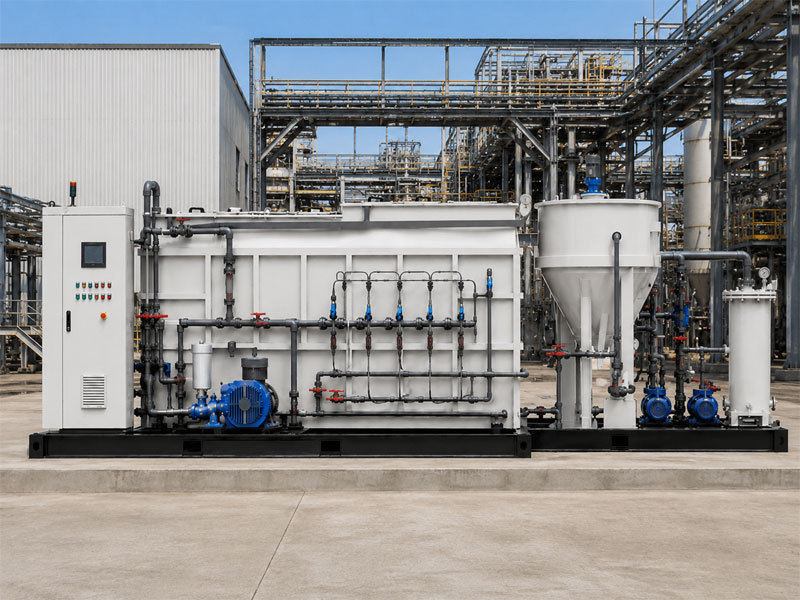
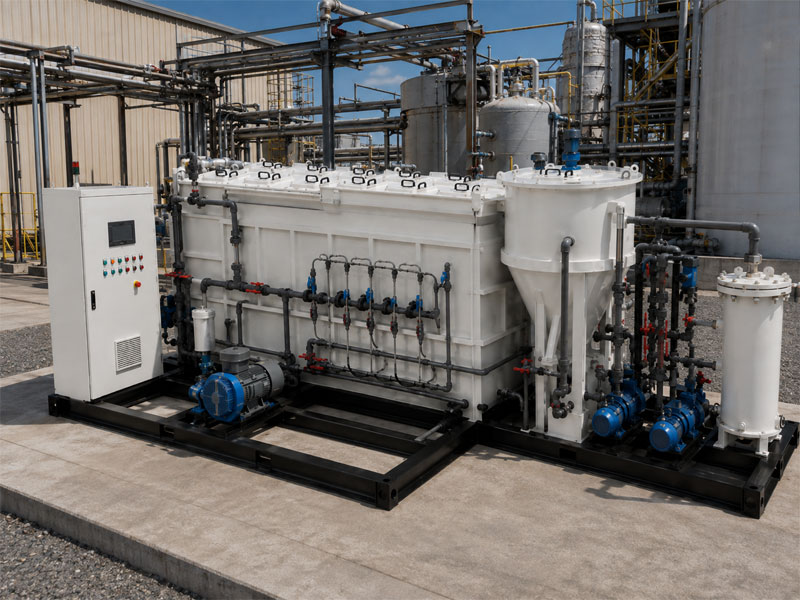
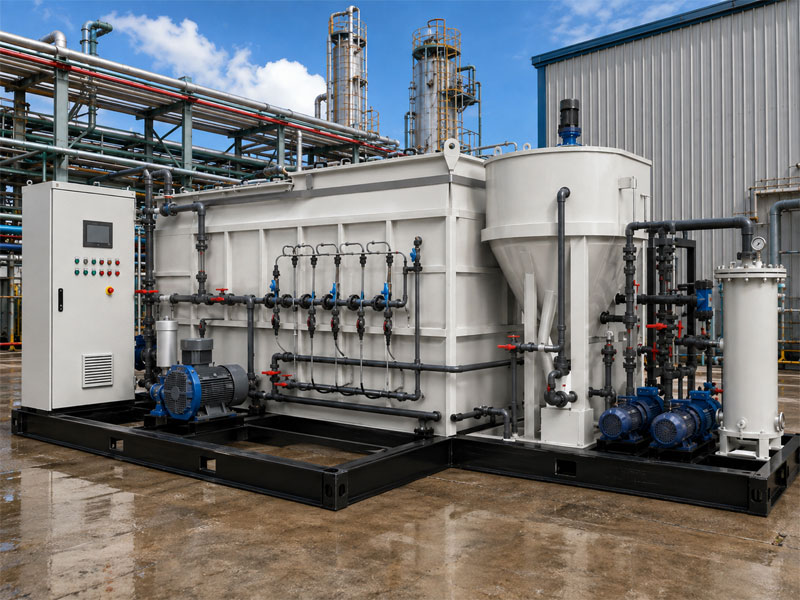
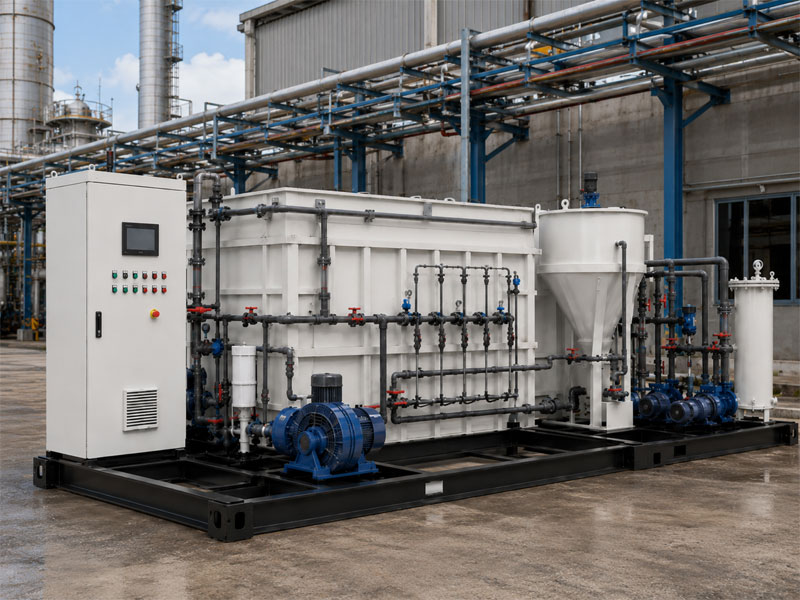
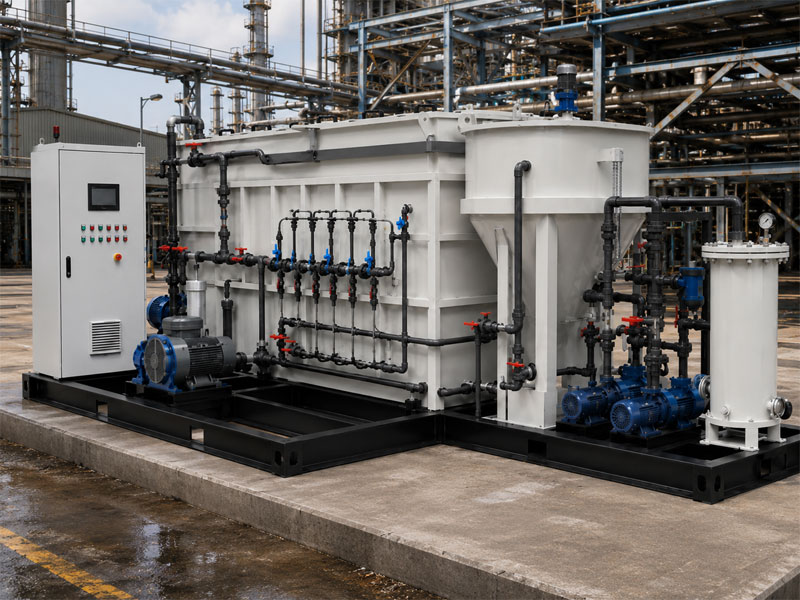
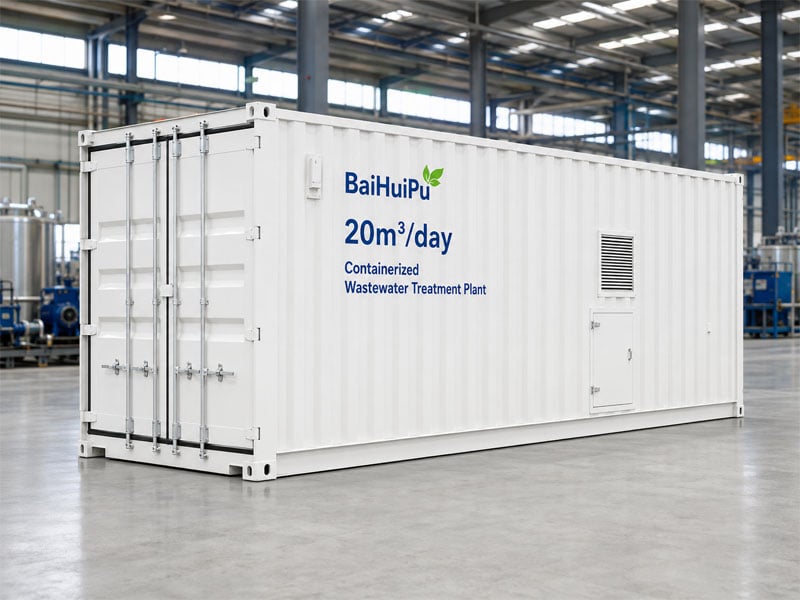
100 m³/day MBBR wastewater treatment system with biofilm carriers, PLC control, compact design, for industrial and commercial applications.
The 100 m³/day MBBR Wastewater Treatment System is designed for projects that need reliable biological treatment in a compact footprint, and the 100 m³/day MBBR Wastewater Treatment System combines moving-bed biofilm reactor operation with practical plant integration for industrial and commercial buyers. As an MBBR wastewater treatment system, it uses specialized carriers to support biofilm growth, so the wastewater treatment system can maintain stable biological activity under changing influent strength and flow conditions. For many buyers, the 100 m³/day MBBR Wastewater Treatment System is attractive because the MBBR wastewater treatment system can be configured for new construction, upgrade work, or modular expansion without overcomplicating the process layout.
In MBBR sewage treatment, the carriers move continuously inside the aeration zone, giving microorganisms a large protected surface for attachment and growth. This supports consistent pollutant removal while helping the wastewater treatment system stay comparatively stable when the load changes during daily production cycles. The 100 m³/day MBBR Wastewater Treatment System is therefore well suited to medium-scale industrial facilities, staff accommodation, hotels, food plants, and mixed wastewater projects where process reliability matters as much as footprint control. For procurement teams comparing MBBR wastewater treatment system options, the 100 m³/day MBBR Wastewater Treatment System offers a balanced solution between treatment capacity, operating simplicity, and future expansion potential.
The reactor package is built around a compact biological stage, and the MBBR wastewater treatment system can be arranged with optional primary treatment, clarification, polishing filtration, and disinfection depending on outlet requirements. The wastewater treatment system can also be paired with fine-bubble aeration to support oxygen transfer and carrier movement, while PLC/HMI automation helps operators monitor everyday operation more easily. When an existing plant needs added capacity, the 100 m³/day MBBR Wastewater Treatment System can be used as a new biological line or as part of a modular upgrade strategy, which makes the MBBR sewage treatment approach practical for sites that need to expand without rebuilding the full facility.
For industrial buyers, the 100 m³/day MBBR Wastewater Treatment System is especially useful where available space is limited or wastewater strength varies from shift to shift. The wastewater treatment system is commonly selected for factories, industrial parks, beverage facilities, and mixed industrial-domestic flows because the biofilm process can tolerate operational fluctuation better than many fixed biological setups. In many projects, the 100 m³/day MBBR Wastewater Treatment System also reduces dependence on sludge recycling compared with some conventional processes, which can simplify day-to-day operation. This is one reason MBBR sewage treatment remains a strong option when the buyer wants a straightforward biological process with room for staged improvement later.
Although every project is different, the 100 m³/day MBBR Wastewater Treatment System can be adjusted to suit the specific characteristics of the influent and the required outlet standard. Carrier filling ratio, tank arrangement, aeration package, and downstream polishing are all project-specific, which allows the MBBR wastewater treatment system to be matched to real plant conditions instead of forcing the site into a fixed template. The wastewater treatment system can integrate with carbon steel, FRP, or concrete tank structures, and it can be arranged with online DO monitoring, pH monitoring, flow meters, nutrient dosing, or automatic chemical dosing where the treatment scheme requires it. For buyers planning MBBR sewage treatment from the start, this flexibility is often a major advantage.
The wastewater treatment system is also relevant for mixed wastewater projects where one stream is industrial and another is domestic, because the biological stage can be tailored to the overall load profile. In those cases, the 100 m³/day MBBR Wastewater Treatment System can provide a dependable treatment foundation before final polishing or reuse treatment is added. When space, stability, and future expansion all matter, the MBBR wastewater treatment system offers a practical route for project owners who want a compact footprint without giving up operating flexibility. For engineering teams, the MBBR sewage treatment approach is easier to integrate when the plant needs a simple biological core with optional upstream and downstream units.
The system can be customized with different MBBR carrier types, low-noise blower packages, fine-bubble aeration, and project-specific hydraulic layout to fit the site. The 100 m³/day MBBR Wastewater Treatment System can also be prepared for reuse-oriented projects by adding tertiary filtration, UF, or RO as required, while UV disinfection or chlorine disinfection can be included when final sanitation is needed. Because the wastewater treatment system is modular, the initial configuration can support current demand while leaving room for future additions. That makes the 100 m³/day MBBR Wastewater Treatment System suitable for buyers who want MBBR wastewater treatment system performance now and expansion capability later, without changing the overall process concept.
In practice, MBBR sewage treatment is valued for its ability to keep the biology active under fluctuating loads, and that is why the 100 m³/day MBBR Wastewater Treatment System is commonly considered for both new plants and upgrades. When operators need a process that is straightforward to manage, the MBBR wastewater treatment system can reduce unnecessary complexity while still supporting effective biological treatment. The wastewater treatment system can be paired with optional primary treatment, project-specific clarification, and polishing stages to suit the outlet target. For industrial purchasers, this means the 100 m³/day MBBR Wastewater Treatment System can be shaped into a complete treatment line that supports compliance planning, expansion planning, and long-term operation planning at the same time.
| Parameter | Reference Specification |
|---|---|
| Treatment Capacity | 100 m³/day |
| Biological Technology | MBBR |
| Carrier Filling Ratio | Project-specific |
| Aeration | Blower + fine-bubble diffuser |
| Reactor Configuration | Customized |
| Primary Treatment | Optional |
| Secondary Clarification | Project-specific |
| Tertiary Treatment | Filter / UF optional |
| Disinfection | UV / chlorine optional |
| Automation | PLC/HMI |
| Remote Monitoring | Optional |
| Capacity Expansion | Modular |
Step 1 — Equalization
Wastewater flow and pollutant concentration are balanced before biological treatment.
Step 2 — Biofilm Treatment
MBBR carriers move continuously inside the aeration reactor. Microorganisms grow on the carrier surface and biodegrade organic pollutants.
Step 3 — Aeration and Mixing
The aeration system supplies oxygen while keeping carriers moving throughout the reactor.
Step 4 — Solid-Liquid Separation
Treated wastewater proceeds to clarification or another separation process.
Step 5 — Polishing
Filtration, disinfection or membrane treatment can be added according to the required water quality.
MBBR systems can be particularly attractive where:
The most appropriate biological process should still be selected according to wastewater characteristics and project requirements.
What is an MBBR wastewater treatment system?
MBBR stands for Moving Bed Biofilm Reactor. Microorganisms grow on specially designed carriers suspended inside the biological reactor and remove biodegradable pollutants from wastewater.
What is the advantage of MBBR?
Common advantages include a compact biological treatment stage, relatively high biomass concentration, tolerance to changing loads and convenient modular expansion.
Is MBBR suitable for industrial wastewater?
It can be suitable for biodegradable industrial wastewater or as part of a combined industrial treatment process. Toxic chemicals, high salinity, heavy metals and non-biodegradable contaminants may require pretreatment.
Can an MBBR system remove nitrogen?
Yes. Appropriate aerobic, anoxic and recirculation stages can be incorporated where nitrogen removal is required.
Can the system be expanded above 100 m³/day?
Yes. Additional reactors or parallel modular systems can be added when expansion has been considered in the original hydraulic and process design.
Can treated MBBR water be reused?
Yes. Tertiary filtration, UF, RO and disinfection can be added according to the required reuse-water quality.
Need to select the right MBBR capacity and process?
Send us your wastewater flow, COD, BOD, ammonia, suspended solids and required outlet standard. We can recommend the appropriate reactor configuration and treatment process.
CTA Button: Get MBBR System Proposal
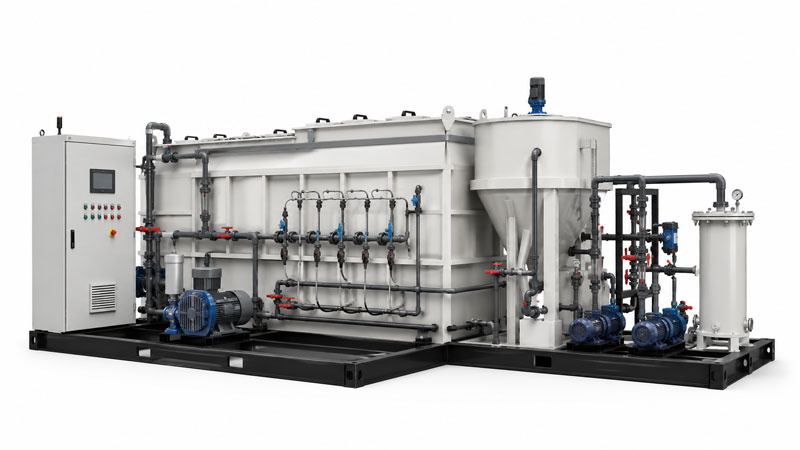
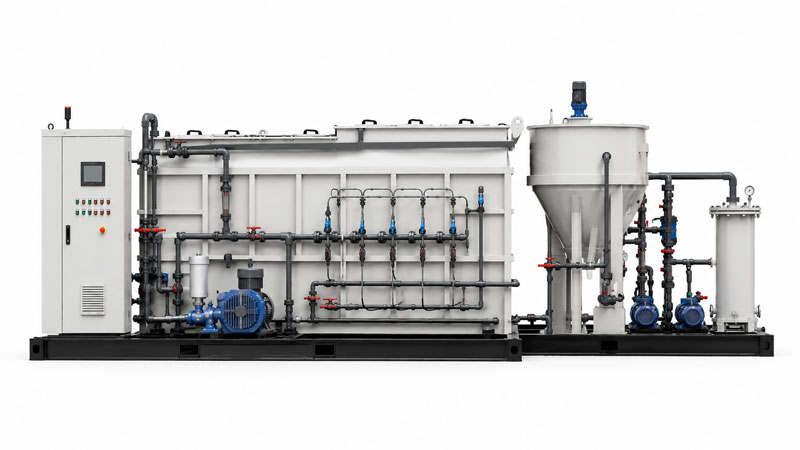
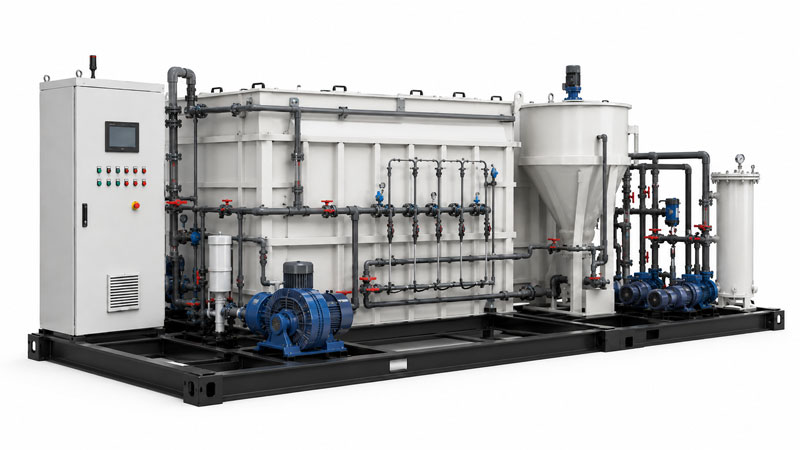
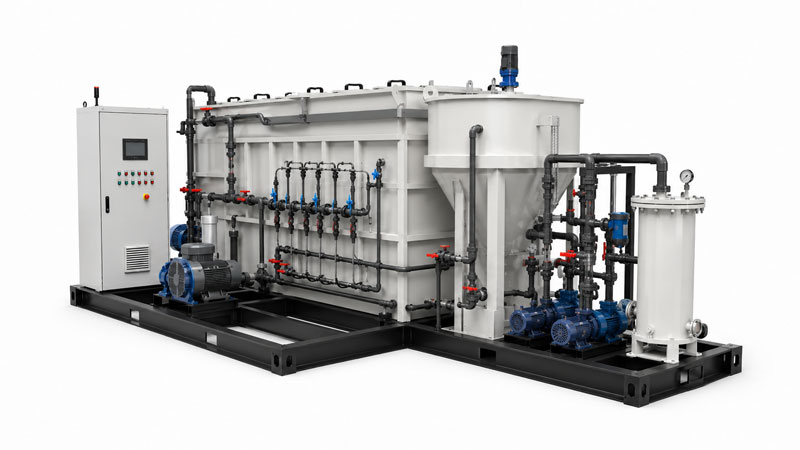
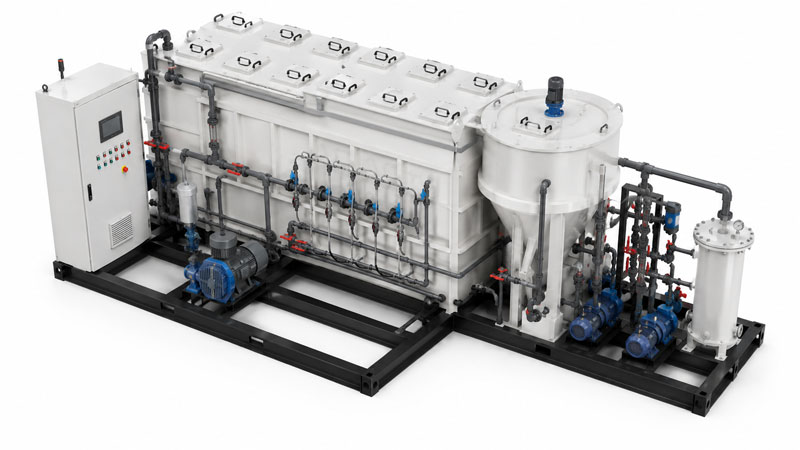
100 m³/day MBBR wastewater treatment system with biofilm carriers, PLC control, compact design, for industrial and commercial applications.

 EN