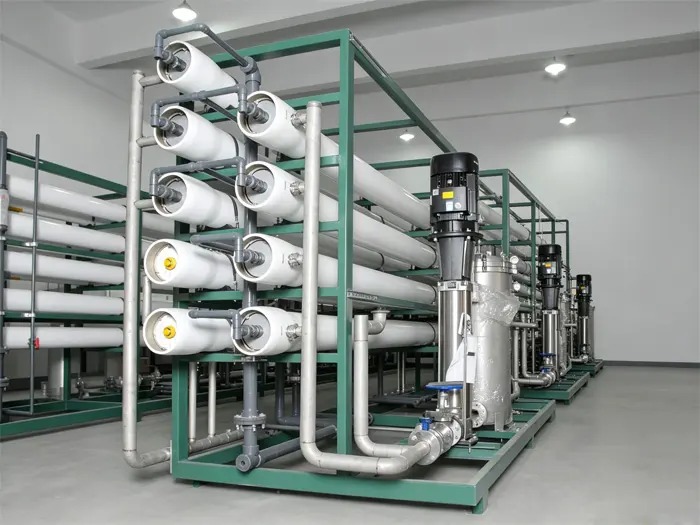
Selecting the right reverse osmosis system manufacturer is one of the most critical decisions an industrial buyer can make. The quality of your water treatment system directly impacts production efficiency, product consistency, and operational costs. Industrial facilities depend on reliable purification solutions to meet strict quality standards, regulatory compliance, and production deadlines. Choosing the wrong manufacturer can result in system downtime, unexpected maintenance expenses, and compromised water quality that affects your entire operation.
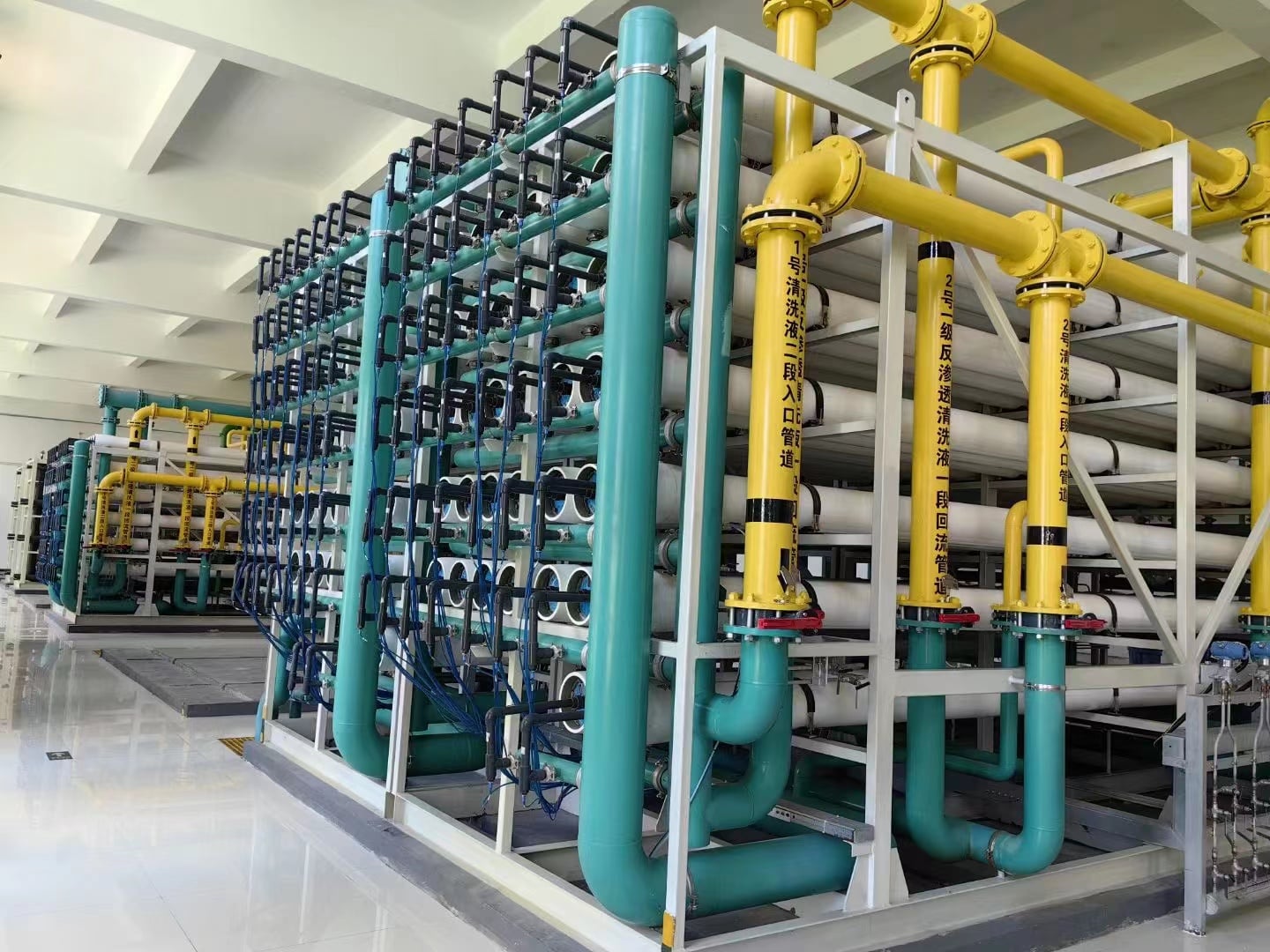
Before committing to any RO manufacturer, industrial buyers must conduct thorough due diligence. This means verifying technical specifications, evaluating the membrane quality used in their systems, assessing their service capabilities, and understanding their track record with similar industrial applications. A manufacturer selection process based on price alone inevitably leads to regret. This guide explains the essential verification steps that separate reliable manufacturers from those who cannot deliver consistent performance.
Verify Core Technical Specifications and System Design
RO Membrane Technology and Performance Standards
The membrane is the heart of any reverse osmosis system. Different manufacturers source or produce membranes with varying rejection rates, flow capacity, and longevity. Industrial buyers should request detailed specifications about the membrane type, rejection percentage for specific contaminants, and expected operating lifespan. A quality RO system uses premium-grade membranes that maintain consistent performance across years of operation. Ask the manufacturer about their membrane sourcing, whether they conduct independent testing, and how they guarantee membrane performance standards. Systems using inferior membranes may show acceptable initial performance but degrade rapidly, leaving you with escalating maintenance costs.
Capacity and Scalability Requirements
Industrial applications demand precise capacity calculations. An RO manufacturer must demonstrate they understand your production volume, peak demand periods, and future growth plans. Request detailed load calculations, flow rate specifications, and documentation showing how their system handles surge demand. The manufacturer should explain recovery rates, concentrate disposal logistics, and energy consumption under your specific operating conditions. Undersized systems create bottlenecks; oversized systems waste energy and increase capital expenditure. A credible manufacturer conducts site surveys, reviews your water source chemistry, and designs systems that balance efficiency with operational flexibility.
Assess Service and Support Infrastructure
Local Service Availability and Response Times
Service quality separates average manufacturers from industry leaders. Industrial water treatment systems require responsive technical support, rapid troubleshooting, and quick spare parts availability. When evaluating a manufacturer, ask about their service network near your facility, average response times for emergency calls, and whether they maintain adequate spare inventory. Request references from other industrial customers in your region and ask about their actual service experiences. A manufacturer with robust service capabilities provides documentation, training for your team, and 24/7 emergency support. Geographic proximity matters significantly; a manufacturer three hours away cannot help you restart a failed system during critical production hours.
Preventive Maintenance Programs and Training
Long-term system reliability depends on structured maintenance protocols. Leading manufacturers offer comprehensive preventive maintenance programs that include regular membrane cleaning, component inspection, and performance monitoring. They provide operator training to ensure your staff understands system operation, early warning signs of problems, and basic troubleshooting. Ask about their maintenance schedules, whether they offer remote monitoring capabilities, and how they track system performance metrics over time. A manufacturer committed to customer success provides detailed maintenance manuals, spare parts lists, and clear documentation about when components require replacement. This proactive approach prevents emergency breakdowns and extends system lifespan significantly.
Evaluate Manufacturer Reliability and Track Record
Industry Experience and Customer References
An experienced manufacturer brings valuable knowledge about industrial water challenges, regulatory requirements, and application-specific solutions. Ask about their years in business, number of systems installed in your industry sector, and their experience with your water source type. Request customer references who operate in similar industries or geographic regions. Contact these references directly and ask specific questions about system performance, reliability, manufacturer responsiveness, and whether they would choose the same manufacturer again. A manufacturer unwilling to provide references or offering only selected testimonials raises concern. Established manufacturers with strong track records confidently share their customer base and welcome validation.
Quality Certifications and Compliance Standards
Industrial water treatment systems must meet regulatory standards and industry certifications. Verify that the manufacturer holds appropriate certifications such as ISO 9001, NSF/ANSI standards, or industry-specific compliance documentation. Ask whether their systems meet your region's environmental regulations and whether they provide compliance documentation required for your facility's permits. A quality manufacturer maintains rigorous quality control processes, conducts regular testing, and provides certificates documenting system performance and compliance. They understand regulatory landscapes and build systems designed for long-term compliance, not just minimum requirements. This commitment to standards reflects their overall manufacturing discipline and reliability.
Evaluate Warranty Terms and Long-Term Economics
Comprehensive Warranty Coverage and Terms
Warranty terms reveal manufacturer confidence in their products. Industrial buyers should carefully review warranty duration, specific components covered, failure definitions, and exclusions. A solid warranty covers manufacturing defects, membrane performance guarantees, and critical components over extended periods. Compare warranties across manufacturers but focus on what is actually covered rather than warranty length alone. Some manufacturers use vague language or exclude common failure modes. Request warranty documentation in writing and clarify what happens if systems fail outside warranty periods. Manufacturers standing behind their products offer straightforward warranty terms without excessive fine print or conditions that make claims difficult.
Total Cost of Ownership Across System Lifespan
Purchase price represents only one component of long-term ownership costs. Industrial buyers must calculate total cost of ownership including installation, energy consumption, membrane replacement frequency, spare parts availability, and service labor. A manufacturer offering lower capital cost but requiring expensive annual service may cost significantly more over ten years. Request detailed cost breakdowns, energy usage projections, and replacement part pricing. Some manufacturers design systems for lower operational costs through efficient component selection and optimized design. Compare these economics across potential manufacturers. A reliable manufacturer supports transparent financial discussions and helps you understand true ownership costs rather than emphasizing only the initial purchase price.
FAQ
What specific questions should I ask a potential RO manufacturer about their membrane specifications?
Request detailed specifications including membrane type, rejection percentage for your target contaminants, design recovery rate, and expected membrane lifespan under your operating conditions. Ask whether they conduct third-party testing of membrane performance, how they handle membrane degradation over time, and what concentrate disposal options they provide. Ask about their sourcing strategy and whether they guarantee membrane performance standards in writing. A transparent manufacturer provides comprehensive technical data sheets and explains how membrane selection impacts your water quality outcomes.
How can I verify that a manufacturer has legitimate local service capabilities?
Request a detailed service map showing technician locations, average response times for your area, and documented spare parts inventory. Contact existing customers within your region and ask about actual service experiences, response times during emergencies, and manufacturer follow-up quality. Visit the manufacturer's service facility if possible to see their equipment and operations. Ask about their backup procedures if primary service personnel are unavailable and whether they provide 24/7 emergency support. Legitimate manufacturers can quickly provide service documentation, customer references, and concrete evidence of their regional infrastructure without hesitation.
What should industrial buyers prioritize when comparing total cost of ownership across manufacturers?
Calculate energy costs based on system flow rates and pressure requirements over typical operating hours annually. Factor membrane replacement frequency and cost across the system's expected lifespan. Obtain detailed spare parts pricing for common components. Estimate annual service and maintenance labor costs based on manufacturer's maintenance protocols. Include downtime risk costs if primary and backup service support varies significantly between manufacturers. A comprehensive model reveals which manufacturer offers the lowest true cost despite potentially higher purchase prices, and which offer hidden long-term expenses that compromise value.

 EN