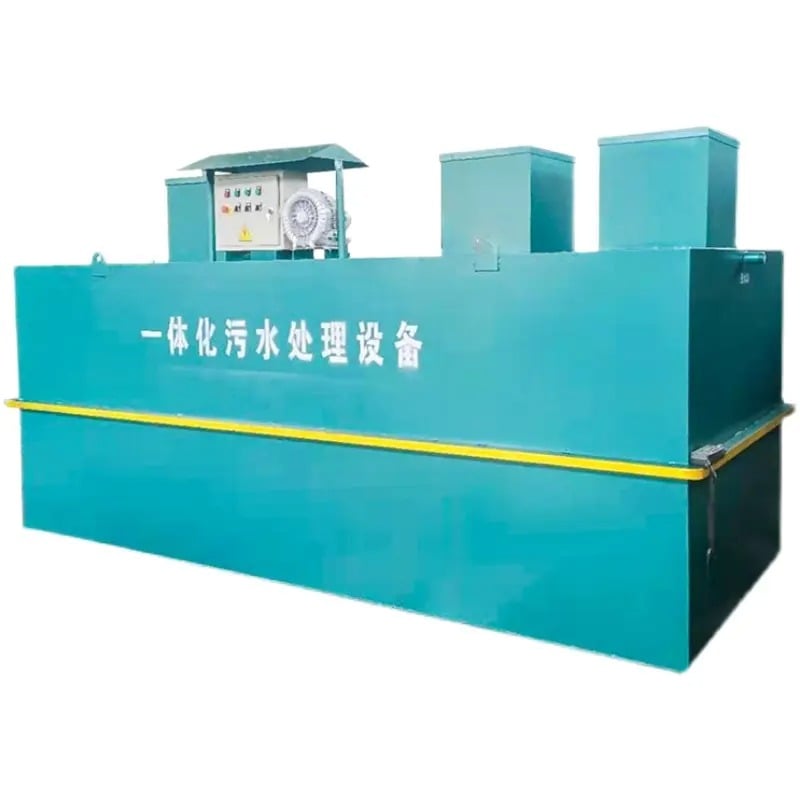
Metal finishing operations generate complex wastewater streams that require sophisticated treatment strategies to meet environmental regulations and operational efficiency goals. The challenge lies not in treating wastewater broadly, but in understanding how to separate distinct contamination types—acid-bearing streams, alkaline solutions, and heavy metals—each with unique handling requirements. Proper metal finishing wastewater treatment begins with source segregation, which maximizes recovery potential and minimizes overall treatment cost and complexity.
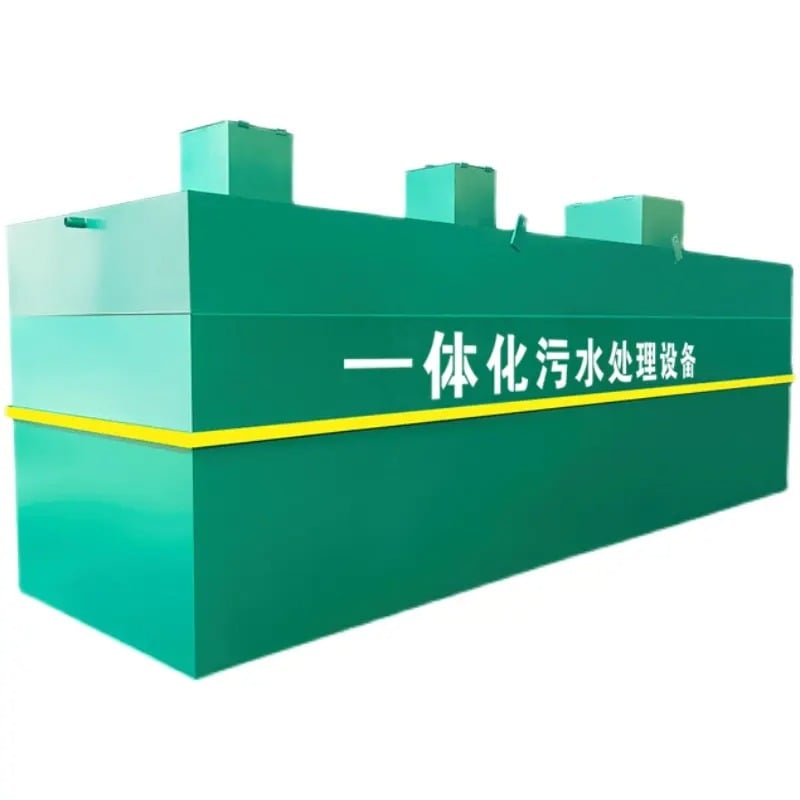
Industrial metal finishing facilities face mounting pressure to optimize wastewater handling while controlling capital and operating expenses. Understanding the principles of stream segregation, pH management, and heavy metals removal transforms wastewater treatment from a compliance burden into an opportunity for resource recovery and process efficiency. This guide explains the essential mechanisms behind effective metal finishing operations and demonstrates why separation strategies outperform single-stage treatment methods.
Understanding Metal Finishing Wastewater Composition
The Three Primary Wastewater Streams
Metal finishing environments produce multiple wastewater types that cannot be treated uniformly. Acid-bearing streams originate from pickling, etching, and electroplating rinse operations, containing dissolved metal ions and acidic compounds. Alkaline streams emerge from degreasing, chromate conversion coating, and stripping processes, carrying hydroxides, oils, and suspended solids. Segregation of these streams prevents pH neutralization reactions that consume chemicals and generate heat while reducing metal recovery efficiency. Each stream type demands distinct treatment chemistry, which is why metal finishing facilities benefit from dedicated treatment pathways rather than combined processing.
Heavy Metals in Industrial Discharge
Heavy metals represent the most regulated component of metal finishing wastewater. Chromium, nickel, cadmium, lead, zinc, and copper appear in different concentrations depending on the finishing process. Heavy metals must be removed to discharge limits set by environmental agencies, typically in the parts-per-million range. Direct combination of acid and alkaline streams can form precipitates that trap metals inefficiently, making segregation essential for achieving tight metal removal targets. Metal finishing segregation practices ensure that pH adjustment and metal precipitation occur under controlled conditions optimized for each contamination type.
Stream Segregation and pH Management Strategies
Why Segregation Outperforms Combined Treatment
Combined treatment of acid and alkaline streams wastes chemicals, complicates control, and reduces metal recovery. Segregation allows operators to adjust pH independently for each stream type, matching the optimal precipitation pH for target metal species. Acid streams can be neutralized gradually with controlled alkali addition, while alkaline streams can be separately conditioned to precipitate their specific metal contaminants. Metal finishing operations using segregation typically achieve better discharge water quality at lower cost than facilities attempting single-stage treatment. The segregation approach also enables recovery of metal-bearing sludges with higher purity, supporting resource recovery and revenue generation.
pH Control as a Core Treatment Variable
pH is the primary lever in metal precipitation chemistry. Each heavy metal species exhibits an optimal precipitation pH range where it converts from soluble ionic form to insoluble hydroxide or oxide precipitate. Chromium precipitates effectively between pH 7 and 9, nickel between pH 8.5 and 10, and copper between pH 7 and 8.5. Precise pH management ensures maximum metal removal efficiency and minimizes the dose of chemical reagents required. In metal finishing wastewater treatment, segregated acid streams are adjusted to their target pH independently from alkaline streams, allowing tailored control that combined treatment cannot achieve. Automated pH monitoring and adjustment systems ensure consistent removal performance across varying raw wastewater compositions.
Heavy Metals Removal and Recovery Approaches
Chemical Precipitation and Coagulation Techniques
Once segregated, acidic metal finishing streams undergo chemical precipitation where pH adjustment causes dissolved metals to form solid hydroxide particles. Coagulants and flocculants promote particle settling and improve solids separation efficiency. Alkaline streams similarly undergo precipitation at their optimized pH range, producing distinct metal-bearing sludges. Heavy metals removal efficiency directly depends on achieving and maintaining target pH in each segregated stream. Most metal finishing facilities employ redundant monitoring to confirm pH stays within design ranges, preventing incomplete metal precipitation that would violate discharge permits. Advanced metal finishing wastewater treatment systems combine pH adjustment, precipitation, and multi-stage settling to ensure heavy metals meet the tightest regulatory discharge limits.
Sludge Management and Resource Recovery
Segregation produces metal-bearing sludges with defined composition, supporting downstream recovery processes. Sludges from acid streams may be higher in certain metals, while alkaline stream sludges contain different metal profiles and residual alkali compounds. This compositional distinction allows metal finishing operators to route sludges to specialized recycling facilities that recover target metals for reuse or resale. Mixed sludges from combined treatment are difficult to characterize and less attractive to recyclers, reducing recovery revenue. Heavy metals recovery from segregated metal finishing wastewater represents genuine circular economy practice, transforming a waste liability into a secondary material resource. Many industrial metal finishing sites now view proper segregation and sludge handling as essential to profitability, not merely compliance.
Implementation and Best Practice Considerations
Designing Segregation Systems for Metal Finishing Operations
Effective metal finishing segregation requires careful mapping of wastewater sources within the facility. Acid pickling tanks, alkaline degreasing baths, electroplating rinses, and conversion coating lines must drain to separate collection headers before treatment begins. This upstream segregation prevents stream mixing that undermines downstream treatment efficiency. Treatment vessels, pumping systems, and chemical addition skids must be sized and configured for the flow rate and contamination characteristics of each segregated stream. Metal finishing wastewater treatment systems incorporating independent acid and alkaline treatment branches typically require larger capital investment than single-stage designs, yet deliver superior performance and lower long-term operating cost through reduced chemical consumption and improved metal recovery.
Regulatory Compliance and Monitoring Requirements
Regulatory agencies require metal finishing facilities to demonstrate removal of specific heavy metals to defined discharge limits, typically monitored monthly or quarterly through laboratory analysis. Segregation and optimized pH control create treatment margins that reliably exceed regulatory thresholds even with variations in raw wastewater composition. Continuous pH monitoring, flow meters, and conductivity sensors provide real-time feedback on treatment performance. Many jurisdictions now encourage resource recovery from metal finishing wastewater through regulatory incentives or permits that recognize metals recovery as a waste minimization strategy. Facilities implementing comprehensive metal finishing wastewater treatment with segregation establish strong compliance records, reduce enforcement risk, and position themselves as environmental stewards within their industries.
FAQ
What is the primary benefit of segregating metal finishing wastewater streams?
Segregation allows independent pH optimization for each stream type, maximizing heavy metals removal efficiency while minimizing chemical consumption. Separate treatment pathways enable facilities to achieve tighter discharge limits, recover higher-purity metal-bearing sludges, and reduce overall treatment cost compared to combined single-stage systems.
How does pH management improve heavy metals removal in metal finishing wastewater treatment?
Each heavy metal species precipitates at a specific pH range where it converts from soluble ionic form to insoluble hydroxide or oxide. Precise pH control ensures maximum precipitation efficiency for target metals while preventing re-dissolution or incomplete removal. Segregation enables separate pH adjustment for acid and alkaline streams, optimizing removal for the distinct metal profiles present in each stream type.
Can segregated sludges from metal finishing operations be recycled?
Yes, segregated sludges have defined composition that makes them attractive to metal recovery facilities. Unlike mixed sludges from combined treatment, segregated metal-bearing materials can be characterized reliably and routed to specialized recyclers who extract valuable metals for reuse, creating revenue opportunities and supporting circular economy principles in metal finishing operations.

 EN