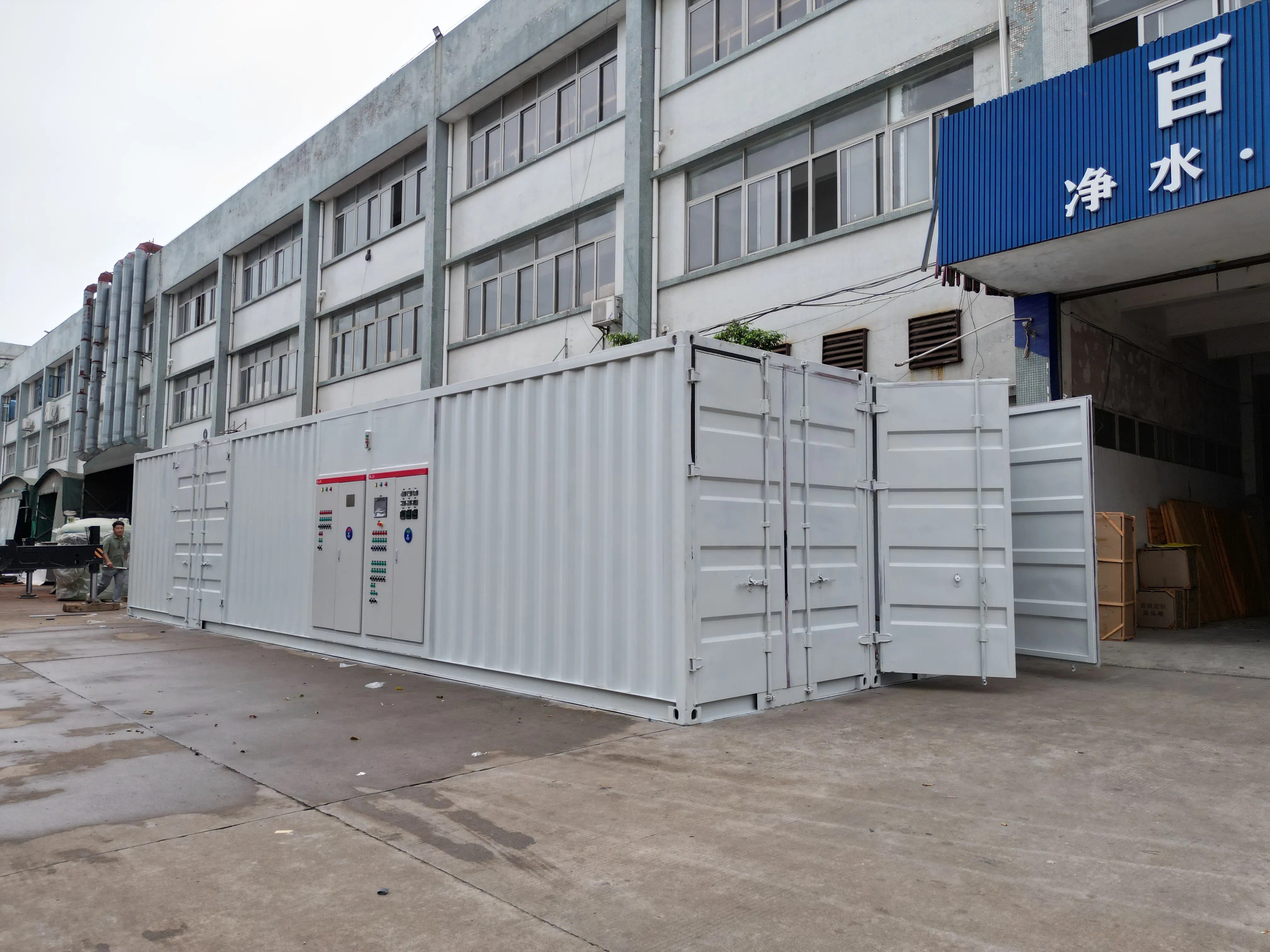
Modern wastewater treatment demands efficiency, reliability, and cost-effectiveness. MBBR STP technology has emerged as a leading solution in municipal and industrial treatment plants worldwide. At its core, this moving bed biofilm reactor system depends on a single but critical factor: carrier retention. Without proper carrier retention, the entire biofilm reactor loses its ability to maintain active biomass, process organic matter effectively, and meet discharge standards. Understanding why retention matters is essential for operators, engineers, and facility managers who want to maximize treatment performance and operational longevity.
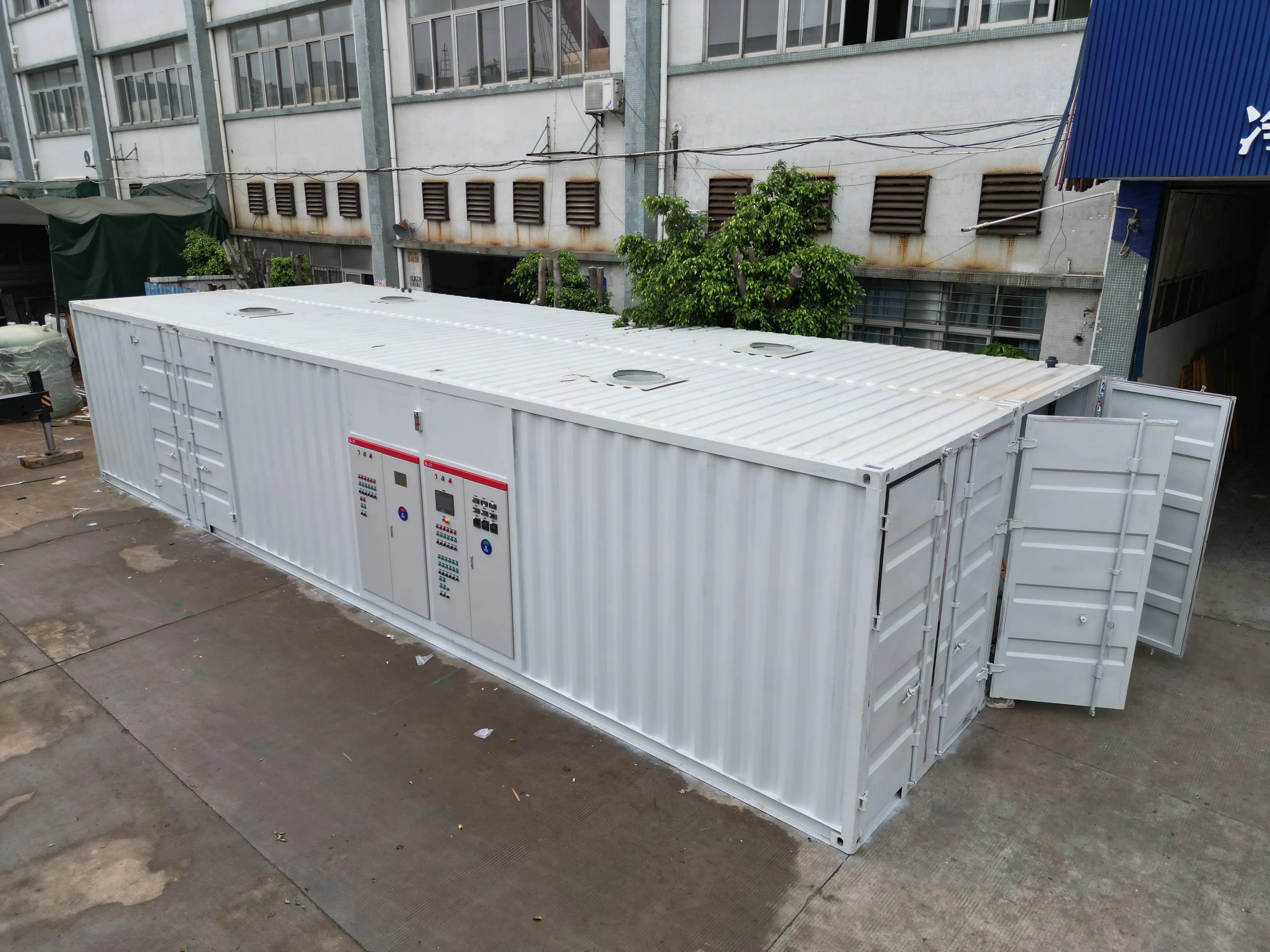
The carriers in a MBBR reactor are not passive components; they are the foundation upon which treatment success is built. These small plastic media pieces provide the surface area necessary for biofilm growth, allowing microorganisms to attach, proliferate, and break down pollutants. When carriers are retained properly within the reactor basin, they remain in continuous contact with wastewater, ensuring that biofilm remains active and treatment reactions proceed at optimal rates. Poor retention, however, causes carriers to escape into clarifiers or the environment, stripping away biomass and degrading treatment efficiency. This article explores why carrier retention is fundamental to MBBR STP technology performance and how it shapes operational outcomes.
The Role of Carriers in Biofilm Reactor Systems
Understanding Carrier Function and Biofilm Development
Carriers serve as the scaffolding upon which biofilm develops within a reactor environment. In a moving bed biofilm reactor, plastic media pieces—typically ranging from 10 to 15 millimeters in diameter—provide vast surface area relative to their volume. Microorganisms colonize this surface, forming a protective biofilm layer that enables both aerobic and anoxic treatment pathways. The retention of carriers ensures continuous exposure to oxygen-rich or oxygen-limited zones, supporting diverse microbial communities that degrade nitrogen, phosphorus, and organic carbon. Without adequate carriers retained in the basin, the reactor cannot sustain the biomass density required for effective treatment. A biofilm reactor fundamentally depends on this carrier-microorganism partnership to function.
Carrier Retention and Treatment Efficiency Correlation
Retention directly influences treatment efficiency in measurable ways. When carriers remain suspended within the reactor through proper tank design, aeration rates, and hydraulic management, the biofilm maintains active contact with incoming wastewater. This contact drives the biochemical reactions that remove BOD, COD, ammonia, and suspended solids. Studies demonstrate that retention rates above 90 percent correlate with consistent effluent quality and stable treatment performance. Conversely, systems experiencing carrier loss exhibit unpredictable outlet concentrations, increased variability, and higher operational costs as operators attempt to compensate through chemical dosing or clarifier upgrades. The retention metric therefore functions as a reliable indicator of treatment system health and reliability.
Why Carrier Loss Compromises Treatment Outcomes
Mechanisms of Carrier Escape and Washout
Carrier escape occurs through several pathways within a MBBR STP technology installation. Over-aeration causes excessive mixing and turbulence, carrying media particles into the clarifier discharge zone. Hydraulic surges during high influent events overwhelm basin capacity, allowing carriers to exit with treated effluent. Tank geometry issues, including inadequate volume or poorly designed flow patterns, create dead zones or short-circuiting paths where carriers accumulate and wash out. Additionally, defective or undersized clarifiers fail to capture and return carriers, sending them into the environment. Each of these failure modes reduces the effective number of carriers available for biofilm formation, shrinking the active treatment surface area within the reactor. Once carriers are lost to the environment or sludge lines, they must be replaced manually or through makeup carrier systems, both costly interventions.
Impact of Lost Carriers on Biofilm Population
The biofilm population exists in dynamic equilibrium, with growth and decay occurring simultaneously. When retention falters and carriers escape, biofilm is mechanically stripped from the remaining media. The active microbial population crashes, and treatment capacity declines proportionally. In severe cases, a 20 percent reduction in carriers can translate to a 25 to 30 percent loss in treatment capacity, since the reactor cannot instantaneously regenerate biofilm on surviving carriers. This lag period—lasting days to weeks depending on environmental conditions—leaves the facility vulnerable to upset conditions and permit violations. The relationship between retention and biofilm stability underscores why retention is not a minor operational detail but a central design and management requirement for any biofilm reactor system.
Designing for Optimal Carrier Retention Performance
Tank Geometry and Aeration Strategy
Successful MBBR STP technology installations prioritize retention through deliberate design choices. Tank depth, surface area ratio, and internal baffle arrangements all influence carrier behavior and retention. Deeper tanks with adequate surface area provide residence time and mixing patterns that keep carriers in suspension without excessive turbulence. Aeration must be calibrated to maintain gentle mixing—vigorous enough to suspend carriers but gentle enough to prevent washout. Diffuser placement and air supply control become critical operational variables. Many modern biofilm reactor systems employ variable frequency drives on blowers to modulate aeration intensity based on dissolved oxygen setpoints and biofilm demand. This dynamic approach optimizes retention by preventing over-aeration during low-load periods while maintaining adequate mixing during peak influent conditions.
Clarifier Design and Carrier Return Mechanisms
The clarifier represents the final barrier against carrier loss in MBBR STP technology configurations. A well-designed clarifier must quickly settle carriers returning from the reactor while maintaining hydraulic efficiency and solids removal. Lamella clarifiers, tube settlers, or inclined plate designs increase settling surface area and capture efficiency, reducing carrier escape to levels below 5 percent. Alternatively, some facilities employ dedicated fine screens or hydrocyclones to separate carriers from treated effluent before final discharge. Return sludge pipes and carrier return lines must have sufficient capacity to move media back to the reactor basin without plugging or allowing carriers to accumulate in dead zones. When these elements work together, carrier retention consistently exceeds 90 percent, and the biofilm reactor performs as designed. Poor clarifier performance is one of the most common causes of carrier loss in field installations.
FAQ
What percentage of carriers should be retained in a healthy MBBR reactor?
A well-operating MBBR STP technology system should retain at least 90 percent of carriers within the reactor basin on a daily basis. This retention level ensures sufficient biofilm surface area remains available for treatment. Retention rates below 85 percent typically signal design or operational issues requiring immediate attention.
How does biofilm development depend on carrier retention in a reactor?
Biofilm requires stable carrier surfaces to develop and mature. When retention is poor, carriers are constantly lost and replaced, preventing biofilm from reaching its stable, active state. Proper retention allows biofilm to establish within 2 to 4 weeks of system startup, enabling full treatment capacity in the reactor.
Can MBBR STP technology operate effectively with significant carrier loss?
No, sustained carrier loss will degrade treatment performance progressively. A biofilm reactor depends on high carrier retention to maintain biomass and meet discharge standards. Chronic carrier escape ultimately forces operators to add chemical treatment or shut down the system for maintenance and carrier replacement.

 EN