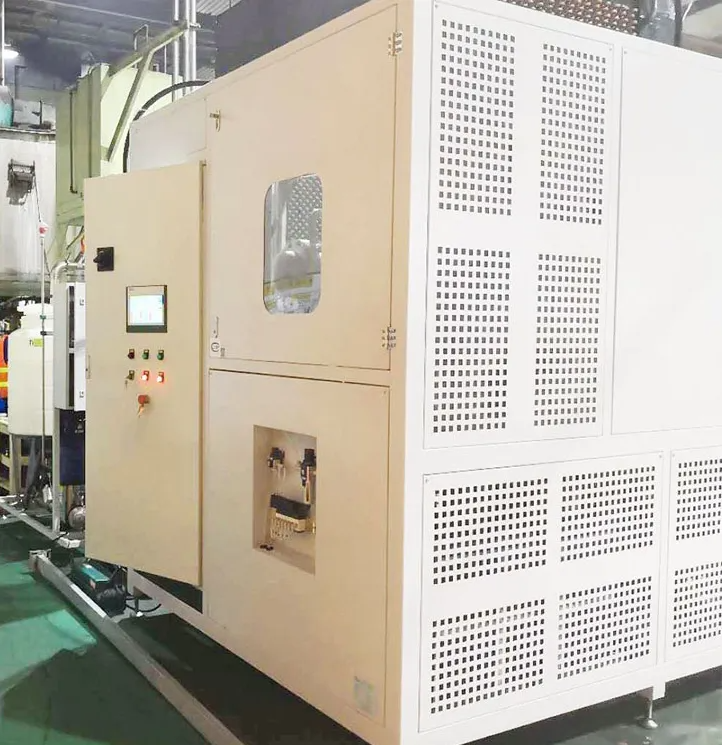
Selecting the right equipment for heat-sensitive wastewater treatment is one of the most critical decisions in industrial environmental management. Many facilities struggle with traditional evaporation methods because they generate excessive heat, which damages sensitive organic compounds, degrades water quality, and increases operational complexity. A low temperature evaporator solves this problem by using vacuum evaporation technology to reduce boiling points, allowing wastewater treatment without thermal degradation. This guide walks you through the key factors that make a low temperature evaporator the right choice for your facility and how to evaluate options based on your specific operational needs.
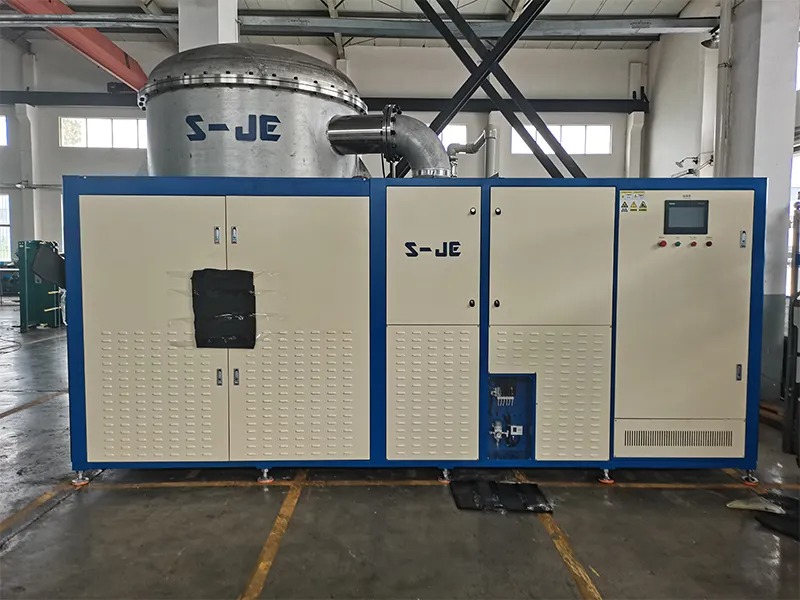
The primary advantage of vacuum evaporation technology is its ability to concentrate wastewater at significantly lower temperatures than conventional methods. By reducing pressure inside the evaporation chamber, molecules require less thermal energy to transition from liquid to vapor form. This means your facility can treat even highly heat-sensitive wastewater streams—such as pharmaceutical residues, biotechnology byproducts, or chemical processing waste—without damaging valuable compounds or creating unwanted chemical reactions. Understanding how to evaluate a low temperature evaporator requires knowledge of your wastewater composition, treatment volume, and long-term energy use economics.
Understanding Your Wastewater Composition and Heat Sensitivity
Identifying Heat-Sensitive Components
Before selecting any evaporation equipment, you must clearly identify which components in your wastewater stream are heat-sensitive. Many industrial facilities generate wastewater containing proteins, enzymes, pharmaceutical actives, or specialty chemicals that degrade or lose effectiveness above specific temperature thresholds. Standard evaporators operating at 100 degrees Celsius or higher can irreversibly damage these materials, making them unsuitable for your operation. A heat sensitive wastewater profile typically includes concentration ranges, degradation temperatures, and separation requirements that dictate equipment specifications. Documenting this information ensures you select systems capable of maintaining product integrity while achieving your concentration targets.
Calculating Treatment Volume and Concentration Goals
Effective equipment selection requires accurate data on daily wastewater volumes and desired final concentration ratios. Small-scale facilities might process 50 to 500 gallons per day, while larger industrial operations handle thousands of gallons. Your low temperature evaporator must match these flow rates to avoid undersizing (which creates bottlenecks and extends treatment cycles) or oversizing (which wastes capital and operating resources). Additionally, clarify whether your goal is partial concentration to meet discharge standards or complete solids recovery for further processing or disposal. This distinction directly influences equipment capacity, vacuum pressure requirements, and overall wastewater treatment strategy.
Evaluating Vacuum Evaporation Technology and Energy Use
Understanding Vacuum Pressure and Operating Temperatures
Vacuum evaporation operates by reducing absolute pressure within the evaporator chamber, which lowers the boiling point of water and dissolved compounds. Standard vacuum evaporators typically operate between 0.1 and 0.3 bar absolute pressure, reducing boiling temperatures to 30 to 50 degrees Celsius compared to 100 degrees at atmospheric pressure. This dramatic reduction in operating temperature is why heat sensitive wastewater can be safely processed. When evaluating equipment, verify the vacuum system's capacity to maintain stable low pressures while handling your specific wastewater viscosity and dissolved solids content. Stronger vacuum systems offer greater flexibility but may increase energy use and maintenance complexity, so balance performance against operational sustainability.
Optimizing Energy Use and Operating Costs
A critical factor in selecting your low temperature evaporator is understanding how equipment choice affects long-term energy use and operating expenses. While vacuum evaporation requires less thermal energy than conventional methods, creating and maintaining vacuum still consumes electricity for pumps and compressors. Compare energy consumption specifications across equipment options, considering both electrical input for vacuum generation and thermal input for steam or hot water circulation. Many modern systems integrate heat recovery or multi-effect designs that reduce total energy use by recycling vapor from one stage to heat subsequent stages. Calculate your annual energy costs under typical operating conditions to identify equipment that delivers the lowest total cost of ownership, not just the lowest purchase price.
Selecting Equipment Based on Operational Requirements
Matching System Configuration to Your Process
Low temperature evaporator systems come in different configurations—single-effect, multi-effect, and falling-film designs—each suited to different wastewater treatment scenarios. Single-effect systems are simpler, lower cost, and appropriate for small volumes or intermittent operations. Multi-effect designs use wastewater thermal energy across multiple evaporation stages, significantly reducing energy use for high-volume facilities operating continuously. Falling-film evaporators minimize contact time between wastewater and heat sources, offering superior protection for extremely heat sensitive materials. Evaluate your facility's production schedule, wastewater discharge patterns, and budget constraints to determine which configuration best matches your operational reality. Oversized or overly complex systems create unnecessary costs and maintenance burdens.
Verifying Corrosion Resistance and Material Compatibility
Industrial wastewater often contains corrosive compounds—acids, alkalis, salts, or solvents—that degrade standard carbon steel equipment. When selecting your low temperature evaporator, confirm that all wetted surfaces use materials compatible with your wastewater composition. Stainless steel, titanium, or specialized alloys resist corrosion but increase equipment cost. Understanding your wastewater's chemical profile allows you to specify appropriate materials without paying for unnecessary upgrades. Request material compatibility reports from equipment suppliers and verify that the vacuum system, heat exchanger, and evaporation chamber can withstand your specific wastewater composition for at least 5 to 10 years without degradation. This due diligence prevents costly failures and emergency replacements.
FAQ
Why is vacuum evaporation necessary for heat-sensitive wastewater?
Vacuum evaporation reduces operating temperatures by lowering the boiling point of water and dissolved substances within the evaporator chamber. This allows wastewater treatment without exposing heat sensitive compounds to temperatures that would cause degradation, chemical breakdown, or loss of functionality. Standard atmospheric-pressure evaporators operate around 100 degrees Celsius, which damages many pharmaceutical, biotechnology, and specialty chemical wastewater streams. Vacuum systems achieve effective concentration at 30 to 50 degrees Celsius, preserving material integrity while meeting treatment objectives.
How does a low temperature evaporator reduce long-term energy use?
Although vacuum systems require electricity to operate pumps and maintain pressure differentials, they substantially reduce thermal energy input compared to conventional evaporators. Multi-effect and heat recovery configurations further optimize energy use by recycling vapor between stages, capturing waste heat that would otherwise be lost. Over monthly and annual operating cycles, total energy use for wastewater treatment drops significantly, directly reducing utility costs and environmental impact. Facilities processing large wastewater volumes benefit most from advanced vacuum evaporation designs that maximize heat recovery efficiency.
What wastewater types are best suited for a low temperature evaporator?
Low temperature evaporators excel with heat sensitive wastewater streams including pharmaceutical manufacturing residues, biotechnology process effluent, specialty chemical processing byproducts, food processing waste, and lab-generated solutions. Any wastewater containing temperature-sensitive proteins, enzymes, active pharmaceutical ingredients, or volatile organic compounds benefits from vacuum evaporation technology. Industrial facilities treating relatively stable, non-temperature-sensitive wastewater may find conventional methods more cost-effective, but heat sensitive applications almost always require low temperature evaporation to maintain regulatory compliance and product recovery objectives.

 EN