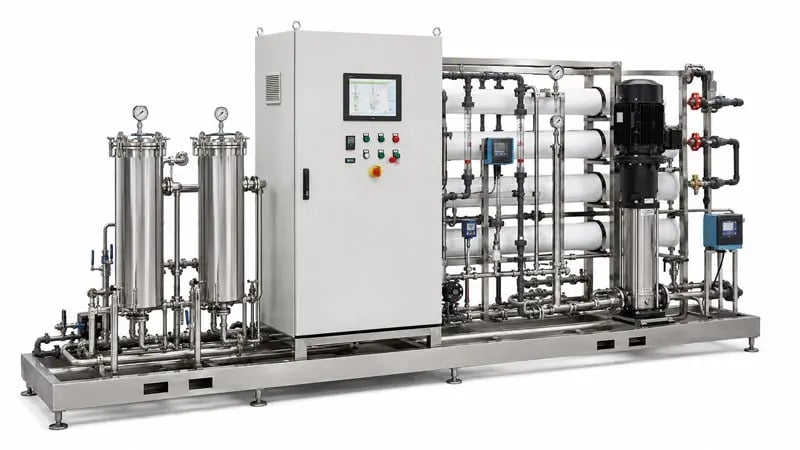
Planning membrane cleaning around production schedules is one of the most critical operational challenges facing facilities that rely on reverse osmosis technology. An RO water system manufacturer understands that downtime for maintenance directly impacts production capacity, yet delaying membrane cleaning leads to fouling, reduced flux, and premature membrane replacement. The key to sustainable operations lies in developing a cleaning strategy that balances system performance with production demands, ensuring neither is compromised.
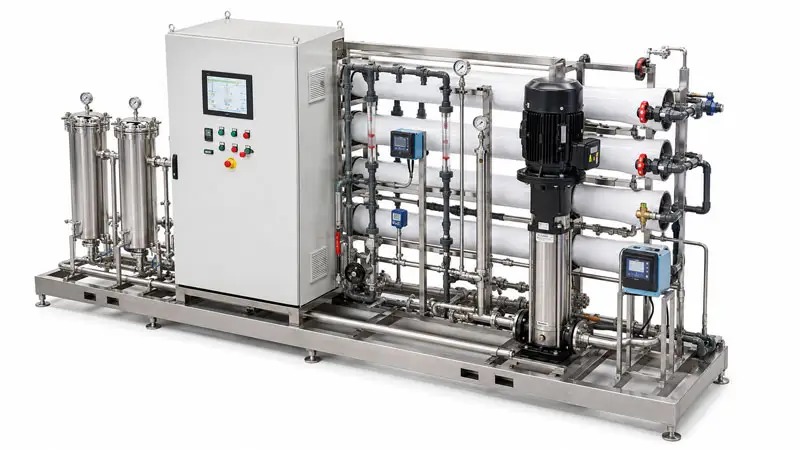
The integration of RO technology into industrial water treatment demands a sophisticated approach to maintenance planning. When an RO water system operates continuously under production pressure, membrane surfaces accumulate scale, organic matter, and microorganisms that gradually degrade permeate quality and increase energy consumption. An effective production schedule must account for preventive cleaning cycles, emergency flushing protocols, and scheduled maintenance windows that align with natural production valleys or planned downtime. This requires close coordination between operations, maintenance teams, and production planners to ensure that cleaning activities do not cascade into costly production delays.
Understanding RO Membrane Fouling and Cleaning Triggers
Recognizing When Cleaning Becomes Necessary
Membrane fouling occurs gradually, and detecting the right moment to initiate cleaning directly impacts both water quality and operational efficiency. Performance metrics such as differential pressure across the membrane stage, permeate flux decline, and rejection rate changes serve as early warning signals. When differential pressure rises 15 to 20 percent above baseline, or when permeate production drops noticeably, cleaning is typically warranted. Many RO system operators implement automated monitoring that alerts maintenance teams before critical thresholds are reached, allowing proactive scheduling rather than reactive emergency interventions. This data-driven approach prevents the scenario where production must suddenly halt for emergency cleaning, which disrupts schedules and increases costs.
Types of Fouling and Their Impact on Scheduling
Different fouling mechanisms require different cleaning intensities and frequencies. Scaling from calcium carbonate or silica typically demands acid-based cleaning protocols, while organic fouling from biofilm or natural organic matter requires alkaline or enzymatic cleaning solutions. Colloidal fouling responds well to regular backflushing between formal cleaning cycles. Understanding which foulant dominates your RO system allows maintenance teams to predict cleaning frequency with greater accuracy. A ro water system manufacturer typically provides fouling analysis reports that help operations teams anticipate cleaning needs months in advance, enabling integration into annual production calendars rather than scrambling for emergency maintenance windows.
Integrating CIP Systems into Production Planning
Automated Cleaning-in-Place for Continuous Operations
CIP, or Cleaning-in-Place, systems automate membrane cleaning without requiring full system teardown, dramatically reducing downtime and standardizing cleaning protocols. A properly designed CIP delivers precise acid and alkaline solutions at controlled temperatures and flow rates, achieving consistent cleaning results while minimizing chemical waste. When integrated with production scheduling software, CIP cycles can be timed during off-peak production hours or during planned maintenance windows, allowing the RO system to resume operation within hours rather than days. This capability transforms membrane maintenance from a disruptive event into a routine operational cycle that fits within standard production planning. Facilities with advanced CIP systems often schedule monthly or quarterly cleaning cycles during predictable low-demand periods, ensuring membrane performance remains stable without impacting priority production runs.
Designing CIP Protocols Around Your Production Schedule
Effective CIP scheduling requires understanding your facility's production patterns, seasonal demand fluctuations, and critical delivery windows. An analysis of historical production data reveals natural valleys where cleaning can occur with minimal impact. For example, if your production schedule consistently shows lower demand on weekends or during specific months, those periods become ideal for routine RO maintenance. CIP systems can be calibrated to run shortened cycles during moderate fouling or extended protocols during severe fouling events. When cleaning duration and intensity are matched to actual membrane condition and production constraints, CIP becomes predictable, cost-effective, and fully integrated into operational planning. Production managers gain confidence knowing that maintenance windows are predetermined and protected from conflicting production demands.
Strategic Scheduling and Risk Mitigation
Building Redundancy and Backup Capacity
One of the most effective strategies for managing membrane cleaning around production schedules is designing sufficient system redundancy. Multi-stage RO systems or parallel membrane trains allow operators to take one stage offline for cleaning while maintaining partial production capacity through remaining stages. This approach means cleaning no longer requires complete production shutdown. During heavy production periods, having two or more independent RO streams allows rotation: while one undergoes CIP or maintenance, the others sustain production at reduced but acceptable levels. The initial capital investment in redundant capacity is offset by eliminating emergency downtime, reducing fouling-related failures, and extending membrane life through more frequent preventive cleaning without disrupting revenue-generating production.
Predictive Maintenance and Advanced Monitoring
Modern RO systems equipped with real-time monitoring sensors generate production data that enables true predictive maintenance scheduling. Temperature, pressure, flow rate, conductivity, and turbidity sensors feed into analytics platforms that forecast membrane condition weeks in advance. This foresight allows production planners to schedule cleaning well before performance degradation becomes critical. Instead of reacting to sudden flux decline or pressure spike, teams can coordinate cleaning with planned downtime or low-demand periods identified months earlier. Advanced monitoring also reduces unnecessary cleaning; instead of cleaning on a fixed calendar schedule, operators clean only when data indicates fouling has actually occurred. This approach minimizes chemical consumption, extends membrane lifespan, and ensures that production schedules remain stable and predictable.
The integration of production schedule awareness into maintenance decisions represents a maturation of industrial water treatment operations. When cleaning windows are planned in advance and communicated clearly across operations, maintenance, and production teams, membrane maintenance becomes a non-disruptive routine rather than a crisis. RO system performance remains high, production targets are met, and long-term operating costs are minimized through preventive discipline and strategic scheduling alignment.
FAQ
How often should I schedule RO membrane cleaning based on production demands?
Cleaning frequency depends on feed water quality, production intensity, and fouling indicators. Most industrial RO systems require cleaning every 1 to 3 months under heavy production, but this varies widely. Monitor differential pressure and permeate flux; when pressure rises 15 to 20 percent or flux drops noticeably, cleaning is due. Use production scheduling data to time cleaning during natural low-demand periods rather than fixed intervals. Many facilities schedule CIP cycles during predictable production valleys, aligning maintenance with operational rhythms rather than fighting against them.
Can I continue partial RO production during membrane cleaning?
Yes, if your system includes multiple membrane stages or parallel trains. Single-stage systems must be offline during cleaning, but multi-stage designs allow one stage to undergo CIP while others maintain reduced output. Some facilities also use bypass configurations or temporary storage to buffer production during cleaning windows. This redundancy is especially valuable during critical production periods when zero downtime is impossible. Discuss system redundancy options with your RO water system manufacturer when planning long-term operational capacity and maintenance strategy.
What is the difference between CIP and manual membrane cleaning for production scheduling?
CIP automates cleaning cycles, completing them in hours with minimal manual intervention, making it ideal for frequent, predictable maintenance windows integrated into production schedules. Manual cleaning requires disassembly, extended downtime, and higher labor costs, but may be necessary for severe fouling or system repairs. CIP is preferred for routine maintenance because cleaning duration is predictable, protocols are consistent, and systems can resume operation quickly. For production scheduling purposes, CIP allows you to protect specific maintenance windows without cascading delays, whereas manual cleaning introduces unpredictability and extended disruption.

 EN