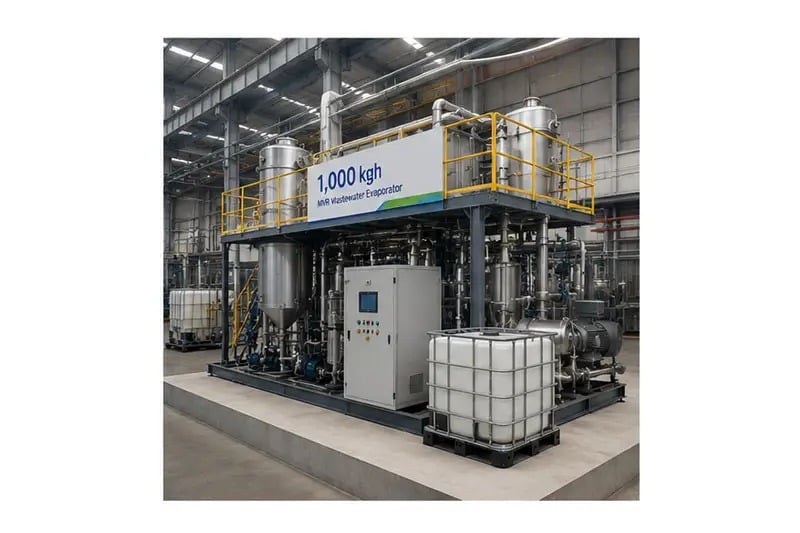
Effective maintenance of a forced circulation evaporator depends heavily on planned, systematic cleaning cycles. When you operate an evaporator system without a structured cleaning strategy, scaling and mineral buildup accelerate, reducing thermal efficiency and cutting operational uptime. Planning cleaning cycles for a forced circulation evaporator is not an afterthought but a critical operational requirement that directly impacts your system's performance, longevity, and profitability.
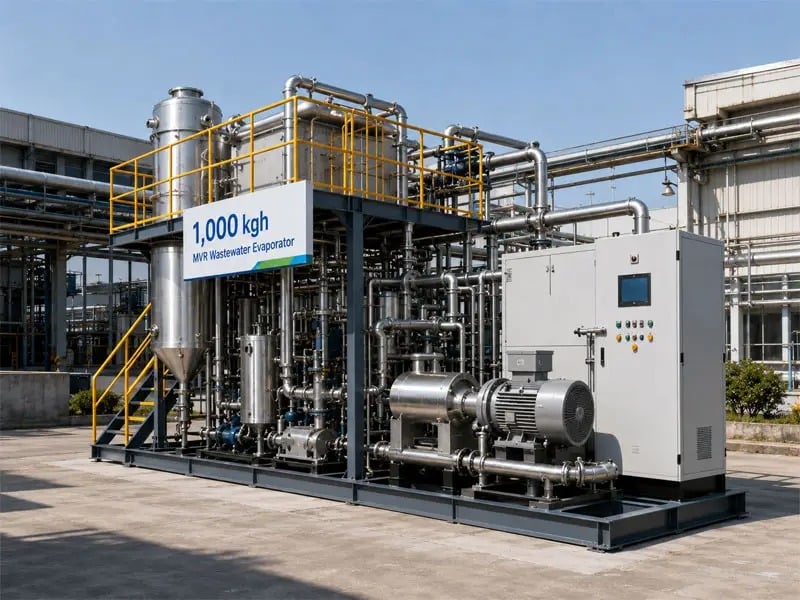
A forced circulation evaporator operates by pumping liquid through heated tubes to concentrate solutions while managing vapor and condensate flows. The continuous movement of hot, mineral-rich liquid through the circulation tubes creates ideal conditions for scale formation. This is why CIP, or clean-in-place technology, combined with preventive cleaning cycles, has become industry standard. Understanding how to plan these cycles ensures your evaporator maintains peak thermal transfer rates, reduces unexpected downtime, and protects your capital investment.
Understanding Scaling and Its Impact on Performance
How Scaling Degrades System Efficiency
Scaling occurs when dissolved minerals precipitate on tube surfaces inside your forced circulation evaporator. As scale thickness increases, it acts as an insulating barrier that reduces heat transfer efficiency. A forced circulation evaporator with even 2–3 millimeters of scale buildup can lose 10–15 percent of its thermal efficiency. Over weeks of operation without cleaning, this degradation becomes severe enough to trigger production slowdowns, longer batch times, and higher energy consumption.
The challenge intensifies because different feed solutions deposit scaling at different rates. High-mineral-content liquids, concentrated brines, and certain industrial waste streams are particularly prone to rapid scaling. When you fail to plan cleaning cycles appropriate to your specific feed chemistry and operating conditions, scaling accelerates unpredictably. This unpredictability leads to emergency downtime for unplanned cleaning, lost production time, and operational stress. Proactive planning prevents this chaos.
Relationship Between Scaling and Uptime Loss
Uptime directly correlates with cleaning frequency and timing. A forced circulation evaporator that accumulates scale beyond a critical threshold often becomes difficult to restart, experiences pressure surges, or suffers reduced vapor generation. Rather than waiting for catastrophic performance loss, strategic cleaning cycles maintain consistent uptime and predictable operations. When you plan your cleaning intervals based on your actual feed characteristics, operating temperature, and historical performance data, you keep your system running within design parameters and eliminate surprise shutdowns.
Designing a Cleaning Cycle Plan
Determining Cleaning Frequency and Method
Designing an effective cleaning plan for a forced circulation evaporator begins with selecting the right cleaning method and interval. CIP systems are the most efficient approach because they allow you to circulate cleaning solutions through the evaporator without breaking apart the system. With CIP, you can run hot water rinses, mild acid solutions, or alkaline cleaning agents on a scheduled basis. The frequency of your cleaning cycles depends on three primary factors: feed water quality, operating temperature, and allowable downtime tolerance.
For a forced circulation evaporator processing feed with moderate mineral content and operating at standard industrial concentrations, a cleaning cycle every 7–14 days of continuous operation is typical. However, if your feed is particularly scaling-prone or your operational demands require minimal downtime, shorter intervals—even twice weekly—may be justified. Conversely, if your feed is pre-treated with softeners or inhibitors, you might extend intervals to three weeks or longer. The key is to measure actual scale accumulation during early operations and adjust your plan accordingly.
Integrating CIP Technology into Your Maintenance Plan
CIP stands for clean-in-place, a method where cleaning agents circulate through the evaporator's tubes and heat exchanger surfaces under controlled conditions. Unlike manual cleaning or system disassembly, CIP maintains system integrity while delivering reliable cleaning results. For a forced circulation evaporator equipped with CIP capability, your cleaning plan should include regularly scheduled CIP runs using appropriate chemical formulations. Soft water rinses after each CIP cycle help prevent secondary scaling from residual cleaning agents.
Planning your CIP cycles requires coordination with your operating schedule. Most facilities run CIP during shift changes, overnight periods, or scheduled maintenance windows. The typical CIP run for a forced circulation evaporator takes 1–2 hours depending on system size and chemical concentration. By incorporating CIP into your regular maintenance calendar, you avoid reactive emergency cleaning and maintain consistent performance. Track each CIP session—record the date, cleaning agent used, circulation time, and any observed scaling resistance—to refine your long-term cleaning strategy.
Operational Factors Influencing Cleaning Intervals
Feed Water Quality and Scaling Potential
The mineral composition and pH of your feed directly determines how aggressively scaling develops in a forced circulation evaporator. Hard water, high-salinity brines, and solutions containing calcium or magnesium salts create rapid scaling. If your facility uses municipal water or non-softened groundwater, expect more frequent cleaning needs compared to operations using treated or recirculated feed. Testing your feed water for hardness, silica content, and suspended solids early in your operation helps you predict realistic cleaning intervals and choose appropriate chemical inhibitors.
Some industrial processes generate recycled process streams that return to the forced circulation evaporator, concentrating minerals further with each cycle. These scenarios demand shorter cleaning intervals or more aggressive cleaning chemistry. Conversely, if your feed includes silica or other difficult deposits, you may need specialized cleaning agents beyond standard acid solutions. Building a detailed feed water profile and updating it seasonally ensures your cleaning plan adapts to changing conditions and maintains consistent scaling control.
Operating Temperature and Circulation Velocity
Higher operating temperatures accelerate mineral precipitation, making temperature control central to your cleaning strategy. A forced circulation evaporator running at maximum design temperature will scale faster than one operating at moderate conditions. Similarly, circulation velocity affects scaling kinetics; faster flow rates reduce residence time at tube surfaces and can slow scaling, while stagnant zones promote rapid buildup. Your cleaning plan should account for the typical operating envelope of your specific equipment and adjust intervals if process demands require sustained high-temperature or low-flow operation.
Documenting your operating conditions—temperature profiles, average circulation rates, and any periods of reduced flow—helps establish baseline scaling expectations. If your process requires variable temperatures or intermittent operation, plan additional visual inspections or temporary shorter cleaning cycles during transition phases. Some facilities perform light rinse cycles even between major CIP runs to manage scaling in difficult conditions. These operational factors make advance planning essential; reactive cleaning always costs more in downtime and chemical waste.
FAQ
How often should I run cleaning cycles on my forced circulation evaporator?
Cleaning frequency depends on your feed water quality, operating temperature, and acceptable downtime. Most industrial operations run forced circulation evaporator cleaning cycles every 7–14 days during continuous operation. High-scaling feeds may require weekly or twice-weekly CIP runs, while treated or inhibited feeds might extend to 3–4 weeks. Monitor scaling during your first month of operation and adjust your interval based on observed performance degradation.
What cleaning agents work best for scaling in my evaporator system?
Soft water rinses remove loose deposits, while mild acid solutions (citric or acetic acid) dissolve mineral scaling effectively. For stubborn calcium or magnesium deposits, dilute hydrochloric or phosphoric acid may be necessary, though proper safety protocols are essential. Alkaline cleaners work well for organic fouling. CIP formulations are often pre-mixed and approved for food, pharmaceutical, or industrial use depending on your industry. Always consult your equipment documentation or chemical supplier to ensure chosen agents are compatible with your system materials and won't damage seals or gaskets.
Can reducing uptime expectations help justify longer cleaning intervals?
In theory yes, but operationally no. Extending cleaning cycles beyond optimal intervals increases scaling accumulation, which reduces heat transfer efficiency, extends batch times, and ironically decreases overall uptime through slower processing and eventual emergency downtime. Strategic, frequent cleaning actually maximizes net uptime by maintaining consistent system performance and avoiding catastrophic failures. The small incremental downtime for regular CIP runs is far outweighed by the elimination of unplanned shutdowns and maintained production throughput over the year.

 EN