bhp-single-effect-and-multiple-effect-evaporator--industrial-steam-heated-concentration-systems, bhp-single-effect-and-multiple-effect-evaporator--industrial-steam-heated-concentration-systems, /single/multi-effect-evaporator-unit
EN
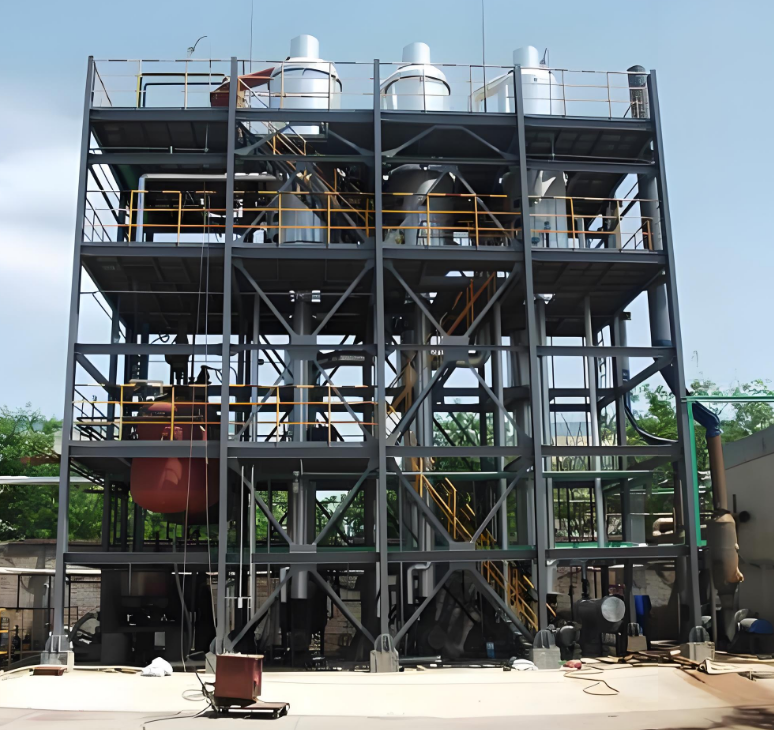
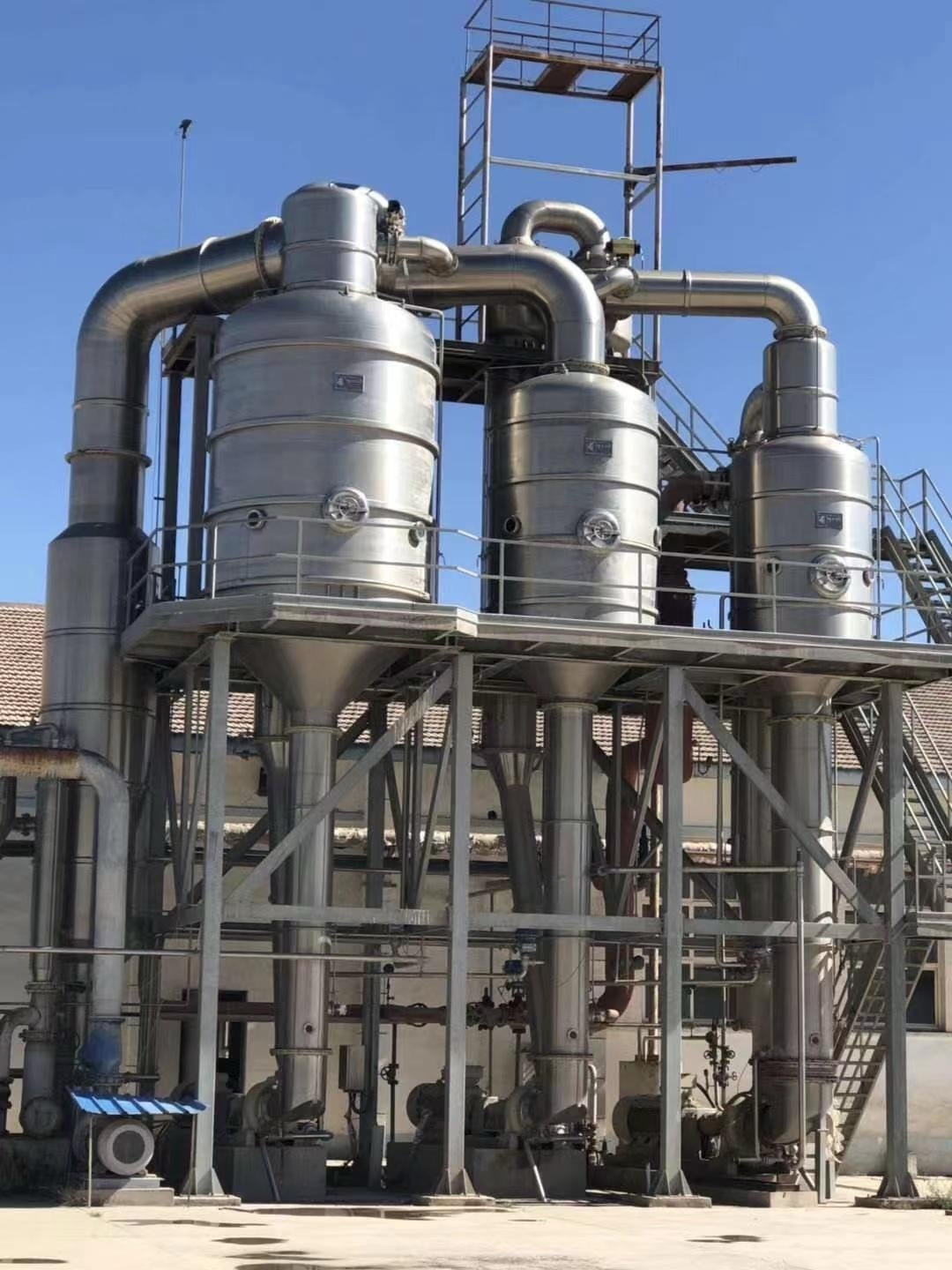
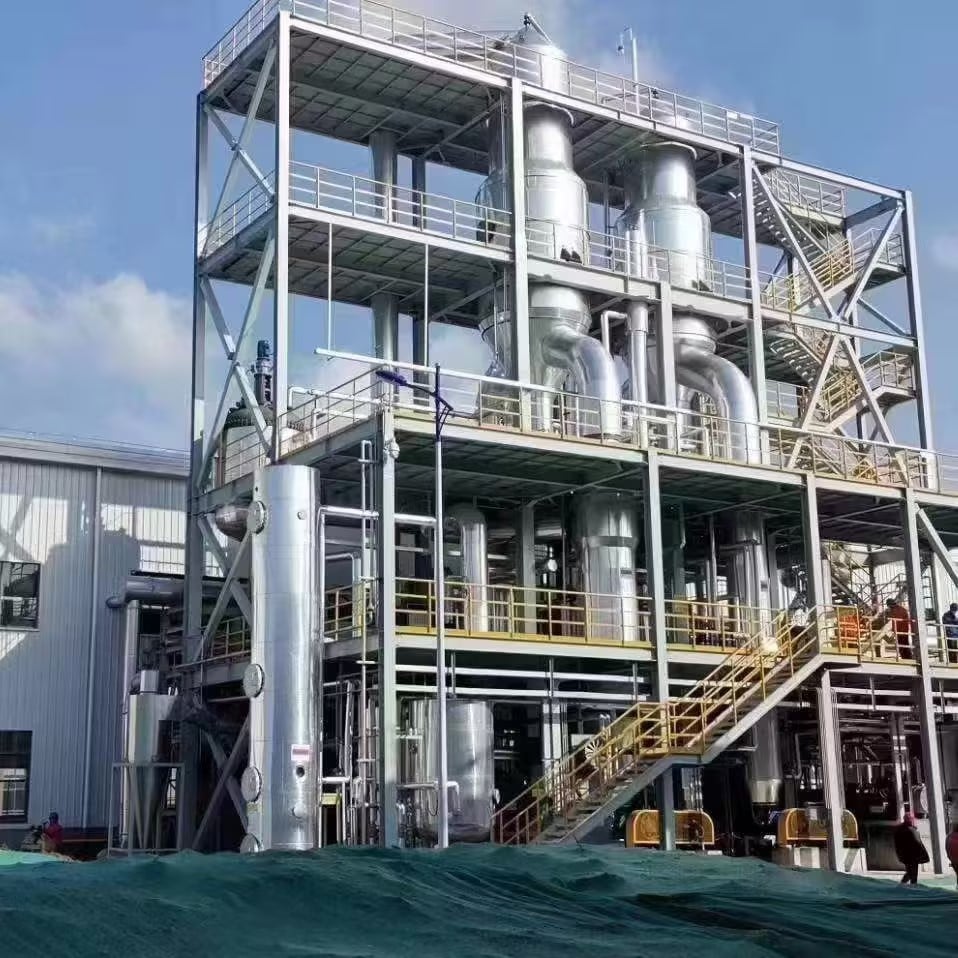
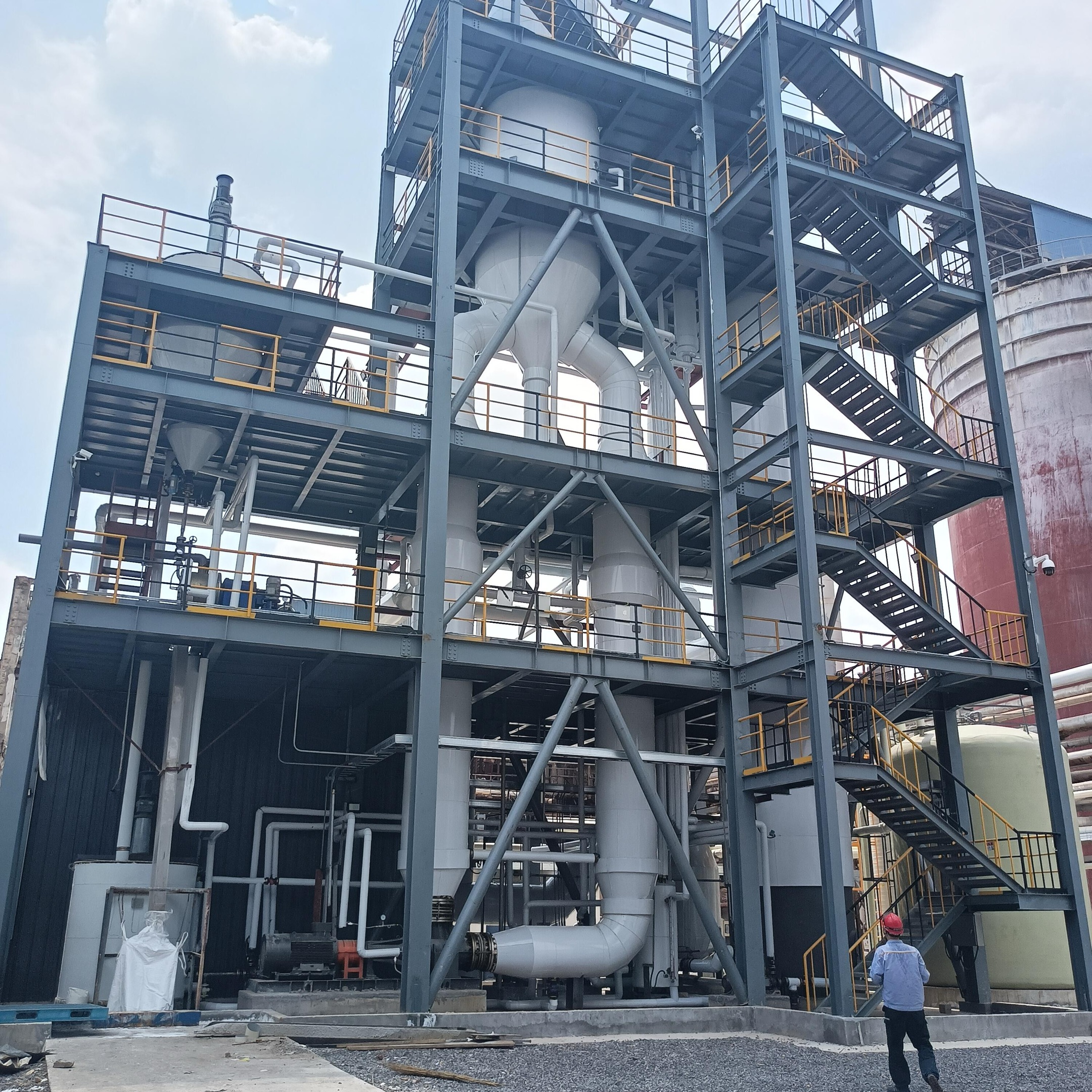
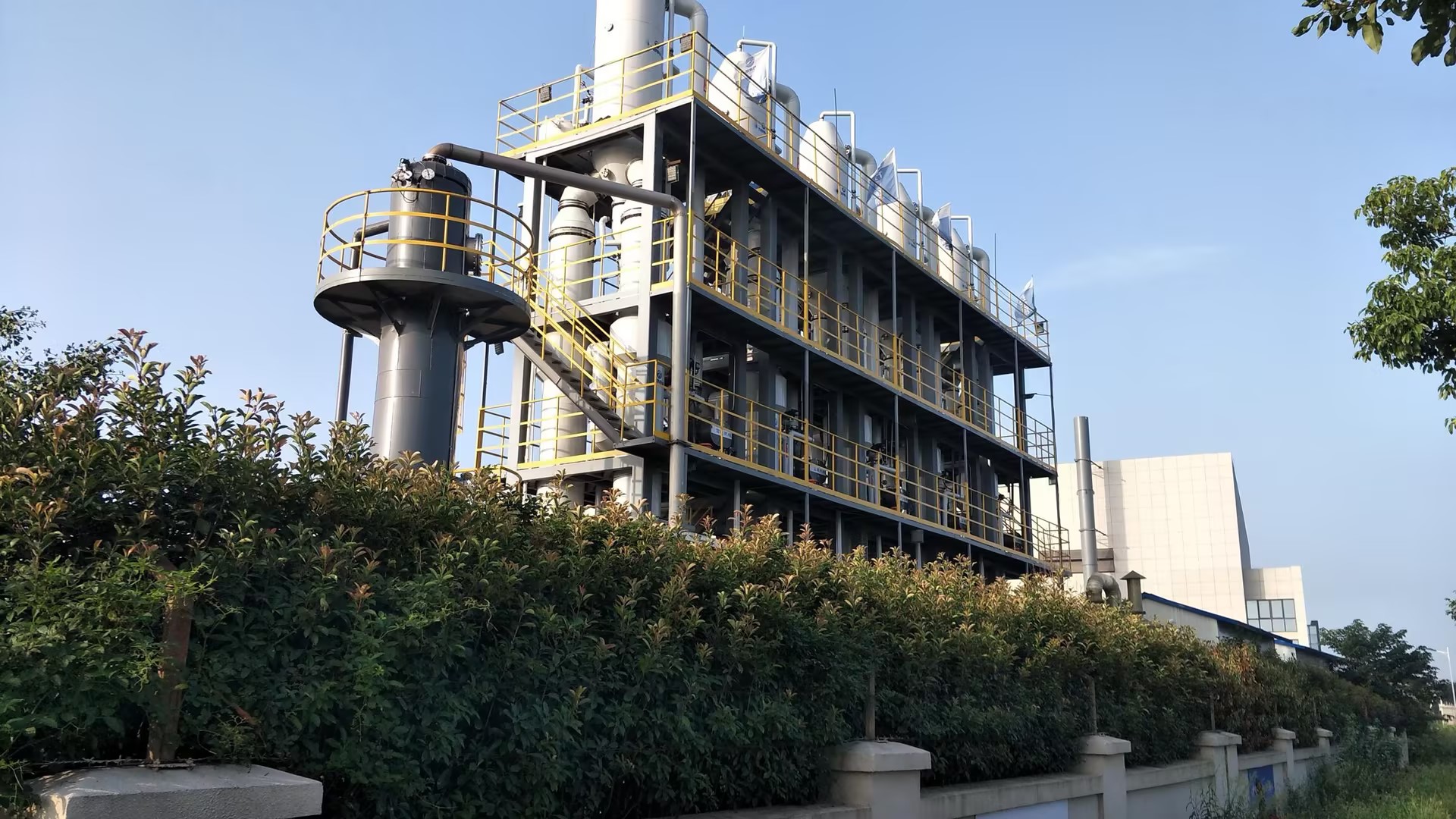
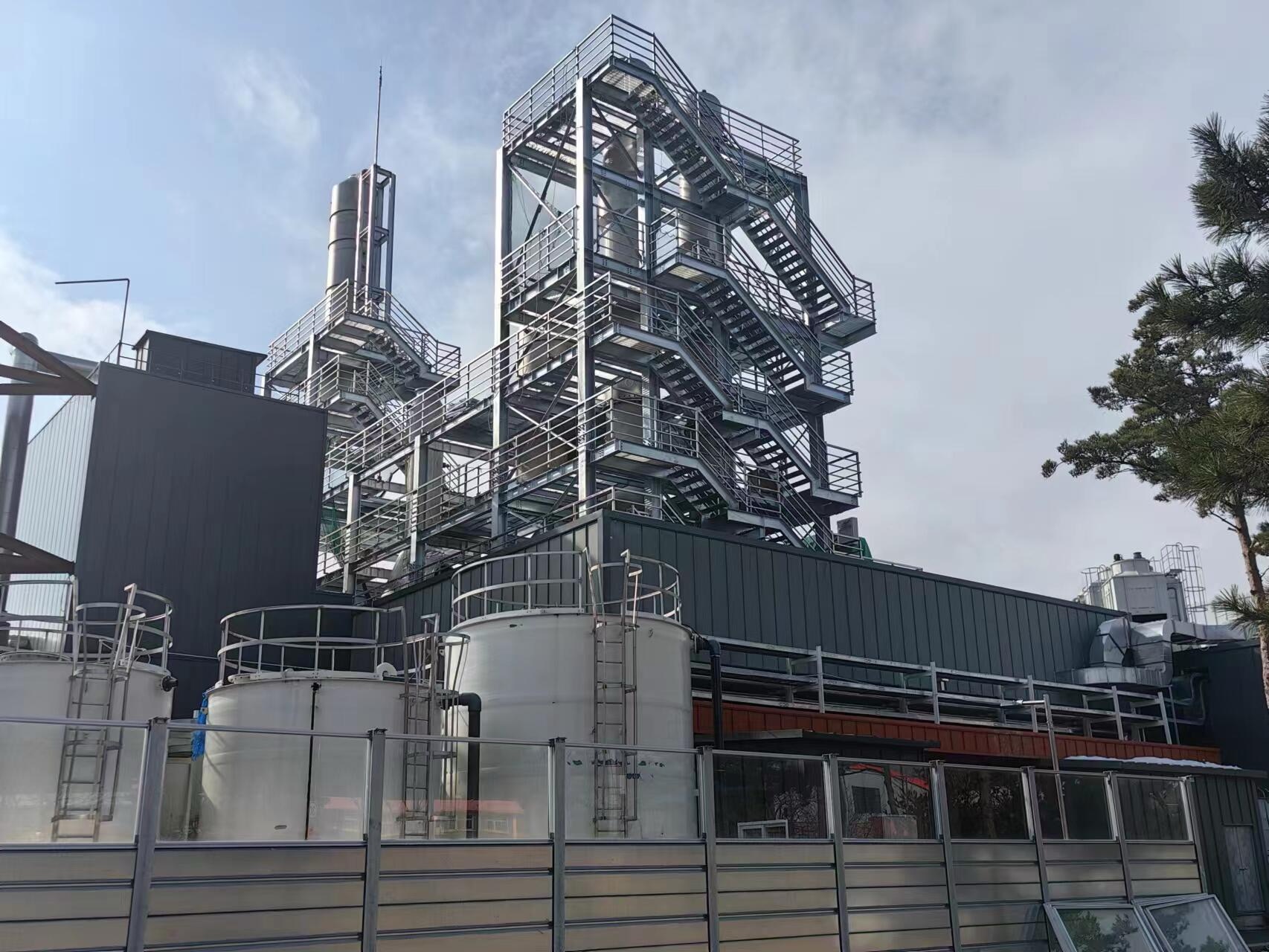
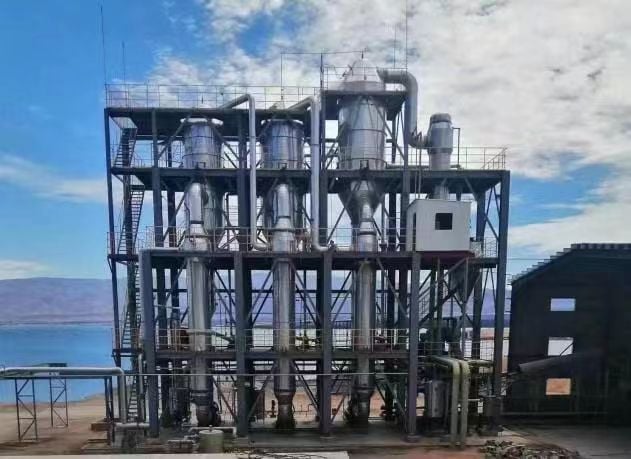
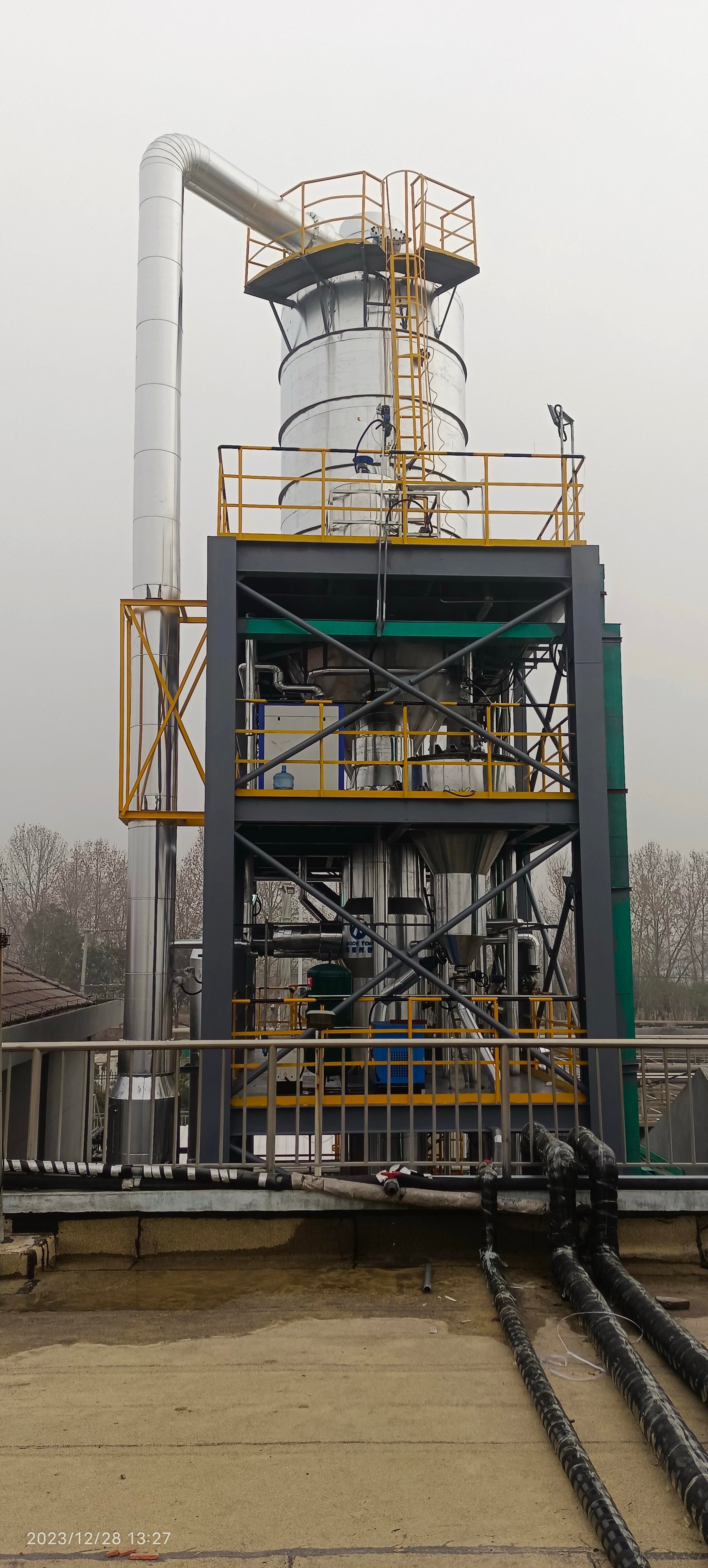
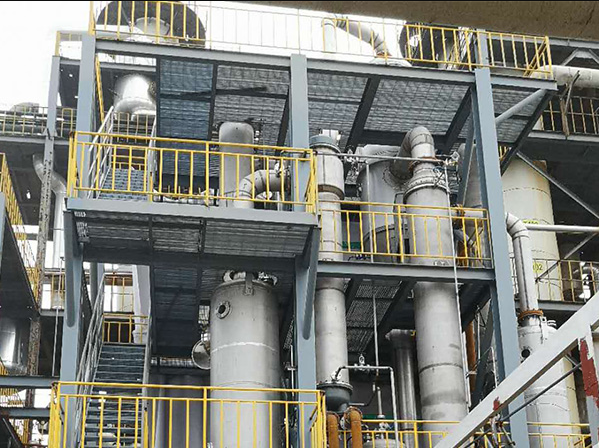
BHP single/multiple-effect evaporator, 1-200T/H, steam savings 30-60%, up to 90% volume reduction, PLC-controlled, for chemical, pharma, and food concentration.
High steam consumption and persistent heat-exchanger fouling are among the most costly operational challenges in industrial liquid concentration. The BHP Single Effect and Multiple Effect Evaporator series resolves both through multi-stage secondary-vapor heat recovery — a proven architecture deployed across chemical processing, pharmaceutical manufacturing, food and beverage production, and new energy industries worldwide. As a comprehensive industrial concentration systems solution, the BHP-MEE Series delivers reliable volume reduction while minimizing energy expenditure and maintenance downtime.
Provided that feed stream composition stays within the system's designed range, BHP's multi-effect configuration reduces steam consumption by 30%–60% versus a single effect evaporator baseline, while delivering up to 90% volume reduction under continuous operation. Whether a multi-effect or single effect evaporator design best fits the project depends on available steam, feed complexity, and the capital-versus-operating-cost trade-off — a decision the BHP engineering team supports through site-specific heat balance analysis. The steam heated evaporator architecture ensures consistent performance across a wide range of feed compositions and operating conditions.
| Parameter | Value / Range |
|---|---|
| Brand | BHP |
| Model Series | BHP-MEE Series |
| Evaporation Capacity | Custom, 1–200 T/H |
| Configuration Options | Single-effect, Double-effect, Triple-effect, Multi-effect |
| Core Technology | Secondary-vapor heat recovery, multi-stage evaporation |
| Operating Temperature | 60°C–100°C (adjustable based on process conditions) |
| Steam Savings vs. Single-Effect | 30%–60% reduction (multi-effect configurations) |
| Concentration Performance | Continuous evaporation, up to 90% volume reduction |
| Operation Mode | Vacuum evaporation at reduced temperatures |
| Control System | Fully automatic PLC, continuous unattended operation |
| Materials of Construction | 304 or 316L stainless steel; titanium alloy available |
| Certifications | ISO9001, ISO14001, CE |
The BHP Single Effect and Multiple Effect Evaporator operates on a straightforward engineering principle: secondary vapor produced in each evaporation stage is routed into the next effect as heating medium rather than being vented. This cascade arrangement allows one unit of primary steam to drive multiple successive evaporation stages, sharply improving the steam economy ratio. This is the fundamental distinction between a single effect evaporator and its multi-effect counterparts — the former uses one unit of steam to evaporate approximately one unit of water, while the latter multiplies that efficiency through staged heat recovery.
In a double-effect system, one kilogram of primary steam evaporates approximately two kilograms of water from the feed. In a triple-effect system, that ratio approaches three kilograms per kilogram of input steam. For high-volume operations with available steam supply, this translates directly to reduced fuel and energy expenditure per cubic meter processed. The multiple effect evaporator design is particularly advantageous for facilities with access to low-cost steam but high electricity tariffs, where mechanical vapor recompression (MVR) may be less economical.
Vacuum operation lowers the boiling point of the feed liquid, protecting heat-sensitive materials — pharmaceutical intermediates, biological extracts, temperature-sensitive food concentrates — from thermal degradation, and reducing scale formation on heat transfer surfaces. Based on field experience across industrial projects in Southeast Asia and Europe, vacuum-assisted low-temperature evaporation consistently extends cleaning intervals versus atmospheric-pressure alternatives. This steam heated evaporator design ensures that even heat-labile products retain their quality throughout the concentration process.
It is worth noting that the BHP Single Effect and Multiple Effect Evaporator is not the universally optimal choice: in sites with limited steam but low-cost electricity, mechanical vapor recompression (MVR) may offer a better long-term cost profile. BHP engineers both configurations; the right selection depends on utility cost structure and the feed stream's boiling point rise characteristics. For industrial concentration systems where steam is readily available, the multi-effect evaporator consistently delivers superior steam economy and lower operating costs.
The BHP-MEE series spans single effect evaporator through multi-effect configurations with custom capacity from 1 T/H to 200 T/H, allowing procurement teams to match flow rate, energy target, and capital budget precisely — rather than over-specifying. Modular construction supports phased capacity expansion as production volumes grow. This scalability makes the multiple effect evaporator suitable for both small-scale pilot operations and large industrial production facilities.
BHP's multiple effect evaporator designs achieve steam economy ratios substantially above single effect evaporator systems through staged latent-heat reuse. Each BHP-MEE unit is manufactured under ISO9001 quality management requirements and undergoes factory acceptance testing before shipment. Provided that feed TDS and composition remain within the design envelope, the specified steam savings are contractually verifiable. For steam heated evaporator applications, this translates to predictable and quantifiable operating cost reductions.
The fully automatic PLC control system manages feed delivery, evaporation rate, concentration monitoring, and discharge without constant operator intervention. Real-time monitoring and fault alarm outputs allow a lean team to supervise multiple lines from a central station. This automation capability ensures that the industrial concentration systems maintain consistent performance with minimal manual intervention, reducing labor costs and human error.
Calcium sulfate and carbonate buildup progressively reduces heat transfer area in conventional evaporators, forcing early cleaning shutdowns. BHP's vacuum design lowers operating temperature, slowing scale formation under standard feed compositions. The optional clean-in-place (CIP) system enables scheduled cleaning without full dismantlement, cutting downtime and labor cost. For facilities processing scaling-prone feed streams, this feature of the multiple effect evaporator is particularly valuable in maintaining long-term operational reliability.
Standard construction uses 304 stainless steel. For elevated chloride, corrosive chemical liquids, or high-salinity brine, BHP offers 316L stainless steel as a baseline upgrade and titanium alloy heat exchanger internals as a premium option. Material selection should be confirmed against a representative feed water analysis prior to specification. This material flexibility ensures that the steam heated evaporator delivers reliable service life even in the most demanding industrial concentration systems applications.
The BHP Single Effect and Multiple Effect Evaporator handles high-salinity wastewater, chemical process liquids, and industrial mother liquor across these primary sectors:
BHP offers configurable options for the industrial steam heated concentration system, including: automatic CIP, forced-circulation mode for high-viscosity feeds, salt-crystal separation, vapor-recovery module, remote cloud monitoring, enhanced corrosion protection, and advanced final-effluent treatment. These options allow the multiple effect evaporator to be precisely tailored to specific process requirements and operational constraints.
The BHP-MEE evaporator integrates with upstream BHP pretreatment systems — multimedia filters, activated-carbon filters, ultrafiltration (UF), reverse osmosis (RO) — and downstream crystallization, MVR, and water-reuse systems. This allows BHP to supply a complete, single-source process train to zero liquid discharge compliance, reducing integration risk and providing clear performance accountability. Whether configured as a single effect evaporator for smaller applications or a comprehensive multiple effect evaporator train for high-volume operations, the BHP-MEE Series delivers reliable, efficient industrial concentration systems performance.
All BHP-MEE units carry ISO9001, ISO14001, and CE certification. The industrial steam heated concentration system is backed by factory acceptance testing, site commissioning support, and long-term after-sales service from Guangdong Baihuipu — targeting overseas manufacturers in Europe, North America, and South America. From single effect evaporator units to complex multi-effect configurations, BHP provides complete engineering support to ensure optimal system performance and maximum return on investment.
BHP single/multiple-effect evaporator, 1-200T/H, steam savings 30-60%, up to 90% volume reduction, PLC-controlled, for chemical, pharma, and food concentration.

 EN