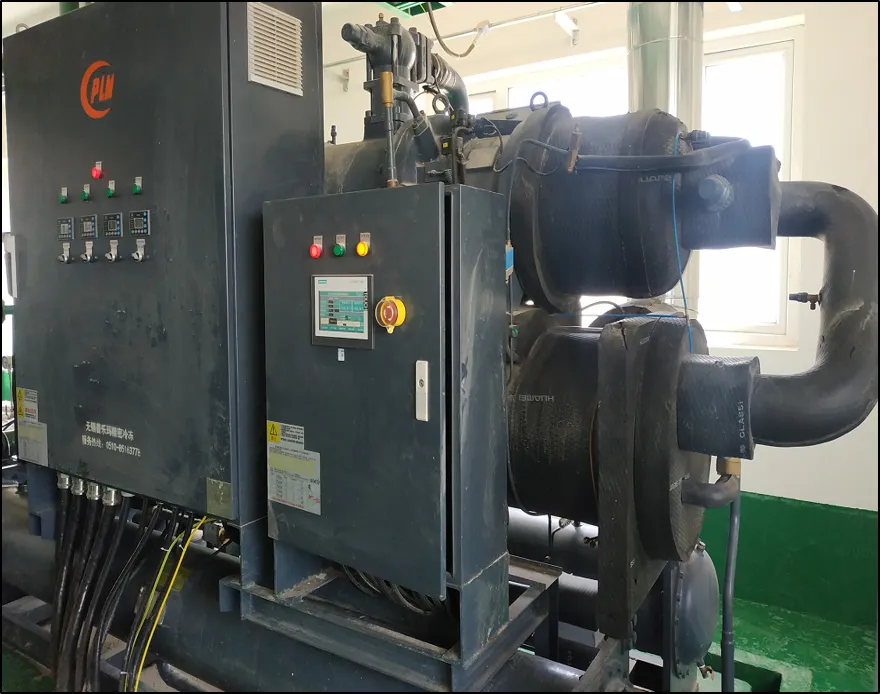
Integrating a brine concentrator system before crystallization is a critical step in achieving zero liquid discharge and maximizing salt recovery in industrial wastewater treatment. When properly sequenced, concentration technology reduces the volume of waste liquid significantly, making downstream crystallizer operations more efficient and cost-effective. This integration approach ensures your facility meets increasingly strict environmental regulations while recovering valuable salts and minerals from process streams.
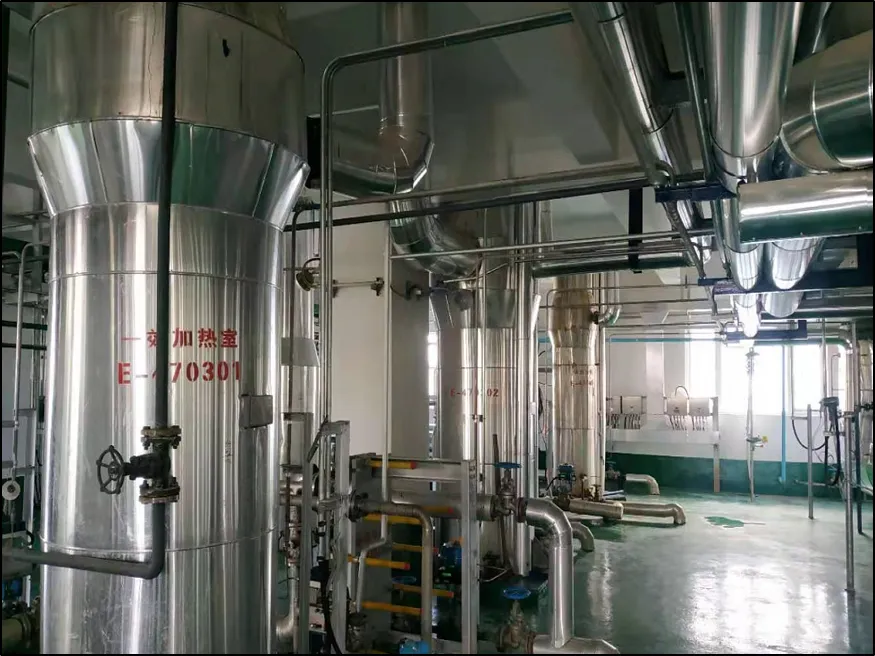
The sequence of equipment integration matters tremendously in wastewater treatment. By positioning brine concentration before crystallization, operators reduce energy demands, lower chemical costs, and improve overall system reliability. This article explores the technical integration requirements, operational best practices, and decision factors that determine successful implementation of concentration technology in your ZLD strategy.
Understanding Concentration Technology in Wastewater Treatment
Core Principles of Brine Concentration
Concentration involves removing water from saturated or supersaturated salt solutions to increase the dissolved mineral content. A brine concentrator system uses mechanical or thermal processes to achieve this separation, creating a thickened liquor ready for crystallization stages. The concentration process reduces liquid volume by 40 to 80 percent depending on feed composition, recovery targets, and equipment design. Higher concentration levels mean fewer salts remain dissolved when the liquid enters your crystallizer, which improves crystal purity and recovery rates.
Industrial brine concentration typically employs reverse osmosis, evaporation, or membrane-based technology to separate fresh water from dissolved salts. Each method has distinct advantages depending on your wastewater composition, energy availability, and product recovery goals. Understanding which concentration approach fits your facility's thermal capacity and capital budget is essential before integration planning begins.
Why Concentration Precedes Crystallization
Crystallization operates most efficiently when feed liquor reaches specific salt saturation levels and temperature ranges. Feeding an unconcentrated brine directly to a crystallizer forces the equipment to handle excessive liquid volume, reducing throughput and increasing energy consumption. A properly designed brine concentrator system removes 40 to 60 percent of the liquid before crystallization, allowing crystallizers to focus on forming high-quality salt crystals from already-saturated solutions. This staged approach reduces overall energy intensity across the entire ZLD system by 20 to 35 percent compared to direct crystallization alone.
Integration Sequence and Design Considerations
Pre-Integration Assessment and Feed Characterization
Before integrating a concentration system, conduct a thorough analysis of your wastewater composition, flow rates, and target recovery objectives. Feed characterization determines the type of brine concentrator system most suitable for your application, the expected concentration ratios achievable, and the quality of recovered water. Key parameters include total dissolved solids, individual ion concentrations, temperature stability, seasonal flow variations, and scaling potential. This assessment prevents costly equipment selection errors and ensures the concentration stage operates reliably without fouling or premature membrane failure.
Pilot testing with your actual wastewater is strongly recommended before full-scale implementation. A pilot brine concentrator system demonstrates real concentration rates, identifies potential scaling issues, and validates recovery assumptions. Pilot data directly supports crystallizer sizing, thermal demand calculations, and overall system reliability estimates. Facilities that skip pilot evaluation often face unexpected downtime, reduced salt recovery, and higher operational costs during the first year of operation.
Equipment Selection and Positioning
The brine concentrator system must be positioned after preliminary treatment stages such as clarification and softening but before crystallization. Proper sequencing prevents concentrated solids and oversized particles from reaching the concentrator membranes or evaporative surfaces, which would cause fouling and efficiency loss. Additionally, ensure adequate residence time, mixing volume, and temperature control between concentration and crystallization to allow solids to settle and prevent salt precipitation in transfer lines.
Equipment capacity must match your facility's peak flow while maintaining turn-down flexibility for seasonal variations. Undersized concentration equipment creates bottlenecks, reduces overall ZLD throughput, and increases the thermal or electrical load on downstream crystallizers. Oversized systems waste capital and operational resources. The optimal brine concentrator system size balances concentration duty, space availability, power supply capacity, and crystallizer inlet specifications.
Thermal and Energy Infrastructure
Thermal-based concentration methods require stable steam or waste heat supply. Verify that your facility can consistently provide the heat energy demanded by the brine concentrator system without disrupting other plant operations. Mechanical approaches such as reverse osmosis reduce thermal dependency but increase electrical power requirements. Hybrid systems combining both methods optimize energy efficiency by using waste heat when available and switching to mechanical concentration during low-temperature periods. Energy modeling during design prevents operational surprises and ensures the integrated concentration and crystallizer circuit meets your facility's power and steam budgets.
Operational Integration and Performance Optimization
Feed Rate Management and Concentration Targeting
Operating the brine concentrator system requires careful monitoring of feed flow, temperature, and product concentration levels. The concentration target should balance two competing objectives: achieving sufficient removal of dissolved water to reduce crystallizer load, while avoiding over-concentration that precipitates salts prematurely in transfer lines. Most facilities operate their concentration systems to produce liquor at 50 to 70 percent of saturation, allowing the crystallizer to complete final concentration under controlled conditions. This intermediate concentration range provides reliability and flexibility while maximizing recovery in the downstream crystallizer stage.
Continuous monitoring of concentration ratios and reject stream quality ensures sustained performance and alerts operators to fouling, scaling, or equipment degradation. Automated feedback systems allow real-time adjustment of feed rates and concentration duty, preventing manual control errors and reducing operator workload. Connecting brine concentrator system controls to your crystallizer inlet conditions creates an integrated automated system that optimizes overall ZLD performance and salt recovery rates.
Maintenance and Fouling Prevention
Fouling of concentration membranes or heat transfer surfaces is the primary cause of performance degradation and unplanned downtime. Regular cleaning cycles, chemical pretreatment optimization, and process water recovery protocols extend equipment service life and maintain consistent concentration efficiency. Some facilities implement automated cleaning systems that trigger based on differential pressure rise or concentration efficiency decline, minimizing manual intervention and reducing fouling events. Preventive maintenance schedules should address membrane inspection, scale removal, corrosion monitoring, and component replacement according to equipment manufacturer specifications.
Water recovery from cleaning and washing operations, along with reject streams from the brine concentrator system, must be recycled or treated appropriately. In true ZLD facilities, these secondary streams are reintroduced to the process or sent to the crystallizer for final mineral recovery. This closed-loop approach maximizes overall water recovery and minimizes the true liquid discharge from your integrated system.
FAQ
What concentration rate should my brine concentrator system achieve before crystallization?
Most industrial facilities operate their brine concentrator system to achieve concentration ratios between 2:1 and 5:1, meaning the brine concentrator system reduces feed volume by 50 to 80 percent. The optimal concentration rate depends on your specific wastewater composition, crystallizer type, and desired salt recovery quality. Pilot testing and process modeling should determine your facility's ideal concentration target to balance energy efficiency with crystallizer performance and product purity.
How does integrating a brine concentrator system impact overall ZLD system reliability?
Proper integration of a brine concentrator system improves ZLD reliability by reducing crystallizer load variations, lowering thermal demand peaks, and decreasing the risk of salt precipitation in transfer lines. By staging the concentration process, your facility gains operational flexibility to adjust feed rates and concentration duty without overwhelming downstream equipment. However, reliability also depends on proper equipment sizing, preventive maintenance, and operator training during brine concentrator system commissioning and startup.
What are the main fouling challenges when operating a brine concentrator system before crystallization?
Fouling in a brine concentrator system typically results from mineral scaling, biofilm growth on membranes, or suspended solids that escape upstream treatment stages. Inadequate feed pretreatment is the leading cause of premature fouling and performance loss. Installing softening, filtration, and ultraviolet or chemical pretreatment before your brine concentrator system protects membranes and heat surfaces, extending equipment life and maintaining consistent water recovery performance across your integrated concentration and crystallization system.

 EN