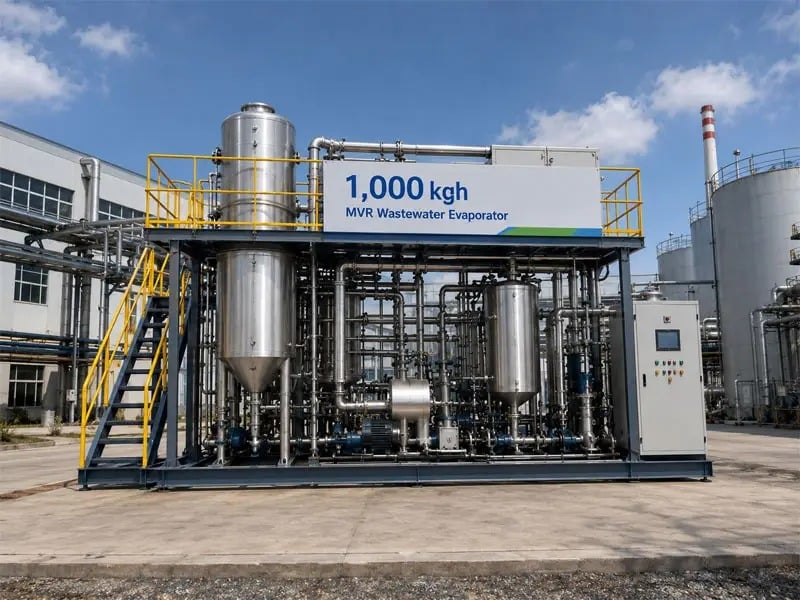
Selecting the right crystallizer manufacturer is one of the most critical decisions in industrial wastewater treatment projects. The performance and reliability of your crystallization system depend heavily on the expertise, technical capabilities, and commitment of the supplier you choose. A poor selection can lead to operational inefficiencies, higher maintenance costs, and project delays that impact your bottom line.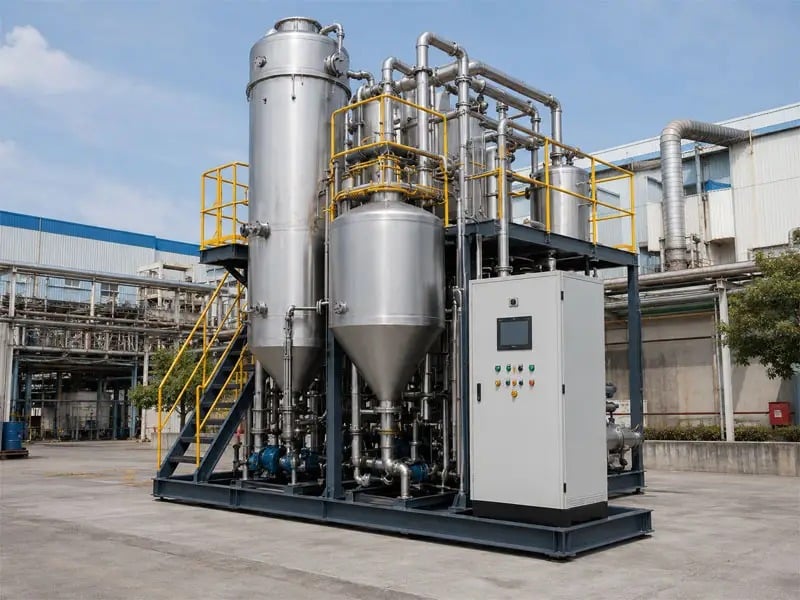
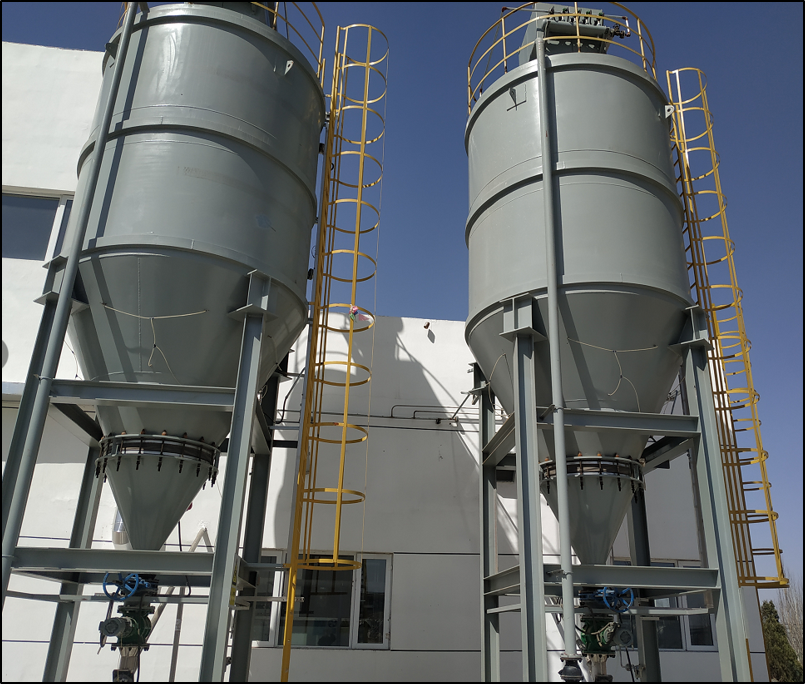
Understanding how to assess a crystallizer manufacturer requires examining multiple dimensions of their business operations and technical depth. Beyond reviewing product specifications, you must evaluate their design capabilities, material handling expertise, quality assurance processes, and post-installation support. This comprehensive approach ensures you partner with a supplier who can deliver reliable performance throughout the project lifecycle and beyond.
Engineering Capability and Design Expertise
Technical Design and System Integration
A qualified crystallizer manufacturer must demonstrate strong engineering credentials and proven system integration skills. Evaluate their experience with your specific wastewater chemistry and recovery objectives. Request case studies showing how their engineering teams have tackled similar industrial wastewater challenges, including scale, composition, and treatment goals. Ask about their design methodology, computational fluid dynamics modeling capabilities, and validation processes.
The best suppliers conduct thorough pilot testing and feasibility studies before committing to full-scale design. They should provide detailed process flow diagrams, energy balance calculations, and operational parameter recommendations specific to your waste stream. Strong engineering support reduces commissioning delays and ensures optimal system performance from startup.
Documentation and Technical Support Standards
Examine the quality and completeness of technical documentation the crystallizer manufacturer provides. This includes engineering drawings, operating manuals, maintenance schedules, and troubleshooting guides. Well-organized documentation reflects the supplier's professionalism and commitment to customer success. Request samples of their standard documentation packages to assess clarity and practical utility for your operations team.
Ask how the crystallizer manufacturer supports ongoing engineering questions after commissioning. Do they provide dedicated technical contacts? How quickly do they respond to operational issues? What training do they offer plant operators? Strong suppliers invest in customer education and maintain accessible technical resources for the system's entire operational lifespan.
Materials Selection and Equipment Quality
Material Compatibility and Corrosion Resistance
Materials selection is fundamental to crystallizer durability and performance in harsh wastewater environments. A reputable crystallizer manufacturer should justify their material choices based on your specific waste stream composition, temperature ranges, and crystalline products involved. Ask about their corrosion testing protocols and their track record with similar applications.
Discuss options for specialized coatings, alloys, and gasket materials the crystallizer manufacturer recommends. In chloride-rich waste streams, for example, superior corrosion resistance becomes essential. Request metallurgical certifications and failure history data. A supplier with deep materials expertise can often suggest cost-effective alternatives that maintain reliability while reducing capital investment.
Component Quality and Manufacturing Standards
Investigate the quality assurance processes and manufacturing standards your crystallizer manufacturer applies. Do they hold ISO certifications? What inspection protocols do they follow during fabrication? Request details about supplier qualification procedures for subcomponents and raw materials. Understanding their quality control framework directly correlates to equipment reliability and minimal downtime.
A conscientious crystallizer manufacturer maintains traceability throughout the supply chain and can provide material certificates of conformance for all major components. Ask about pressure testing procedures, non-destructive testing, and dimensional verification. These practices prevent costly failures and ensure equipment meets design specifications and regulatory compliance requirements.
Commissioning Support and Partnership
Startup Planning and On-Site Assistance
Commissioning performance often determines the success of wastewater treatment projects. Evaluate how your crystallizer manufacturer approaches startup planning, including site preparation verification, equipment installation oversight, and step-by-step startup procedures. Will they send experienced technicians to supervise critical commissioning phases? What happens if operational parameters need adjustment during initial operation?
Request a detailed commissioning plan and timeline from the crystallizer manufacturer. This should specify equipment testing phases, crew requirements, safety protocols, and performance verification steps. A proactive supplier schedules sufficient on-site technical presence to troubleshoot issues in real-time rather than requiring delayed support calls. Strong commissioning support accelerates project completion and builds confidence in system reliability.
Long-Term Supplier Relationship and Maintenance
Your relationship with a crystallizer manufacturer should extend well beyond project completion. Discuss spare parts availability, lead times, and logistics. Do they maintain inventory of wear items, seals, and critical components? What is their response protocol for emergency support if equipment fails unexpectedly? A reliable supplier maintains accessible spare parts and can expedite shipments during operational disruptions.
Ask about predictive maintenance capabilities and monitoring options the crystallizer manufacturer offers. Modern suppliers increasingly provide remote monitoring systems, performance analytics, and condition-based maintenance recommendations. These value-added services help optimize system uptime and extend equipment life. Clarify warranty terms, performance guarantees, and how disputes are resolved if equipment underperforms relative to design specifications.
FAQ
What specific supplier evaluation criteria should I prioritize when selecting a crystallizer manufacturer?
Focus your supplier evaluation on demonstrated engineering expertise with your wastewater type, materials expertise appropriate to your corrosive chemistry, proven commissioning support, and accessible long-term technical resources. Request references from recent projects with similar wastewater composition and operating conditions. A comprehensive crystallizer manufacturer assessment typically involves scoring on technical capability, quality systems, financial stability, and customer service responsiveness. Conduct site visits to their facilities whenever feasible to verify manufacturing standards and quality control practices firsthand.
How does the crystallizer manufacturer's commissioning support impact project success?
Commissioning support from your crystallizer manufacturer directly influences how quickly the system reaches design performance and stable operation. Suppliers who provide on-site technical presence during startup can troubleshoot issues immediately, optimize operational parameters for your specific conditions, and train your team effectively. Poor commissioning support often results in extended startup periods, suboptimal performance, and frustrated operations staff. The best crystallizer manufacturer suppliers invest adequate resources in this critical phase because they understand it sets the tone for long-term customer satisfaction and system reliability.
What materials questions should I ask a crystallizer manufacturer before committing to a project?
Request that your crystallizer manufacturer provide a detailed materials report justifying all major component selections based on your wastewater chemistry, temperature, and crystalline product specifications. Ask for corrosion test data, metallurgical certifications, failure history in similar applications, and warranty coverage for materials degradation. Understand their coating and gasket material options and discuss cost-benefit tradeoffs. A knowledgeable crystallizer manufacturer should confidently explain why their materials selection optimizes durability without unnecessary overspecification that drives costs higher than necessary.

 EN