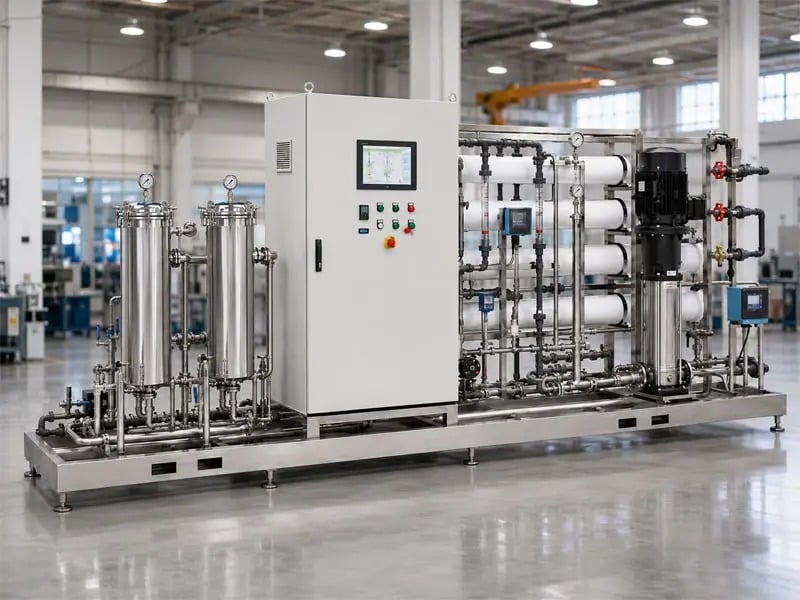
Selecting the right ro water system manufacturer is one of the most critical decisions for industrial pure water projects. The quality of your filtration system directly impacts production efficiency, water quality consistency, and operational cost over the equipment's lifetime. Many facility managers underestimate the complexity of this choice, focusing only on upfront pricing rather than evaluating the manufacturer's technical depth, support infrastructure, and system reliability. This guide walks through the essential criteria for thorough supplier evaluation to ensure you select a partner capable of delivering pure water solutions that meet your specific industrial requirements.
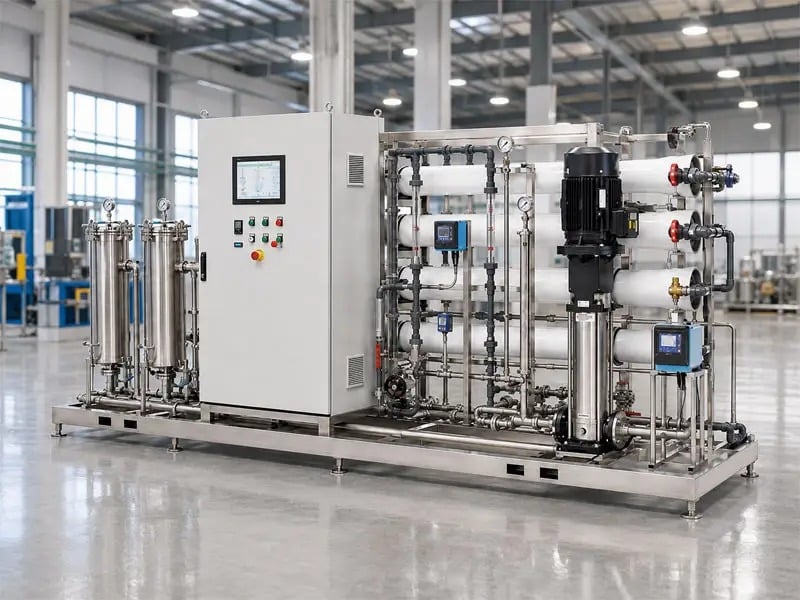
An industrial RO system is a complex integration of mechanical components, membrane technology, and electronic controls working in harmony. When comparing candidates, you're not just evaluating equipment specifications—you're assessing the manufacturer's engineering capability, quality control standards, and commitment to long-term customer success. The right partner understands your industry's specific water purity demands, regulatory compliance needs, and operational constraints. This comparison process requires a structured approach to supplier evaluation that goes beyond marketing materials.
Understanding Core Technical Capabilities
Membrane Technology and Pure Water Output
The foundation of any RO system lies in its membrane quality and configuration. A credible RO manufacturer invests in proven membrane technologies and can explain their selection rationale for your specific application. Compare the membrane specifications, rejection rates, and flux performance across manufacturers. Ask about their pure water recovery rates—manufacturers committed to efficiency should demonstrate systems achieving 75–85% recovery rather than settling for lower yields. Request documentation showing how their RO systems perform under the exact water source conditions you'll encounter, whether you're working with brackish water, seawater, or industrial wastewater requiring pretreatment.
Pretreatment and Controls Integration
Pure water quality depends as much on pretreatment as on the RO membrane itself. Evaluate whether the manufacturer offers integrated pretreatment solutions including sediment filtration, carbon adsorption, and softening stages. Modern systems include sophisticated controls that monitor inlet pressure, permeate quality, concentrate flow, and membrane fouling indicators in real time. The controls should provide automated alerts when performance drifts beyond acceptable parameters. Compare how different manufacturers handle system diagnostics—better vendors offer remote monitoring capabilities and predictive maintenance features that reduce downtime and extend membrane life.
Evaluating Supplier Reliability and Support
Manufacturing Standards and Quality Assurance
During supplier evaluation, investigate the manufacturer's quality assurance processes and certifications. Inquire about their ISO compliance, third-party testing protocols, and warranty coverage on membrane performance and system components. A reputable RO water system manufacturer should provide clear documentation of performance testing conducted before shipment and offer performance guarantees backed by service agreements. Ask whether they conduct pressure decay testing, conductivity verification, and operational trials under load conditions. Request references from similar industrial applications—speaking directly with existing customers reveals the manufacturer's actual reliability in field conditions.
Technical Support and Service Infrastructure
Long-term success with your pure water system depends on responsive technical support and readily available spare parts. During supplier evaluation, determine whether the manufacturer maintains a local service network or relies on distant support centers. Ask about their response time for technical issues, availability of replacement membranes, and training provided to your operations team. Some manufacturers offer preventive maintenance contracts that include regular inspections, membrane replacement scheduling, and system optimization—these partnerships often reduce total cost of ownership compared to reactive service approaches. Clarify what technical documentation, schematics, and operational manuals accompany the RO system.
Assessing Project Alignment and Total Value
Customization and Scalability for Your Application
Industrial pure water demands vary significantly across sectors—pharmaceutical production, semiconductor manufacturing, food processing, and power generation each have distinct purity requirements and production volumes. A capable RO manufacturer understands these differences and offers modular system designs that scale from pilot installations to full-production capacity. During supplier evaluation, discuss how their system architecture accommodates future expansion without complete replacement. Ask whether their controls can integrate with your existing SCADA or data management systems. The manufacturer should demonstrate familiarity with your specific industry's regulatory requirements, whether FDA, USP, or ISO standards apply to your pure water application.
Economics and Total Cost Ownership
Comparing upfront equipment costs alone masks the true financial picture. Analyze the manufacturer's operating expense projections, including electricity consumption for high-pressure pumps, membrane replacement frequency, and pretreatment media costs. Request detailed lifecycle cost models showing maintenance intervals and expected component lifespan. Some RO manufacturers design systems for extended membrane runs, potentially achieving 3–5 years between replacements, while others require yearly membrane changes. Evaluate their spare parts pricing strategy and whether consumables remain competitively priced after initial purchase. A responsible supplier evaluation includes warranty terms, extended service options, and upgrade paths that protect your investment over 10–15 years of operation.
FAQ
What should I prioritize when comparing RO water system manufacturers?
Start with technical capability—verify the RO system's pure water quality, recovery efficiency, and pretreatment integration. Then assess supplier evaluation factors like quality certifications, service infrastructure, and customer references. Finally, compare total cost of ownership including operating expenses, membrane replacement costs, and maintenance requirements. A manufacturer strong in all three areas provides better long-term value than one excelling only in initial pricing.
How important is remote monitoring in evaluating an RO manufacturer?
Remote monitoring capability significantly improves operational efficiency and reduces downtime. Modern controls allow real-time pure water quality tracking, membrane fouling detection, and predictive maintenance alerts. When comparing manufacturers, prioritize those offering cloud-based or local monitoring systems that integrate with your facility's management infrastructure. This feature alone can justify a slightly higher initial investment through prevented system failures and optimized performance.
What questions should I ask current customers during supplier evaluation?
Ask how the RO system performs under actual production conditions, whether specifications matched reality, and how responsive the manufacturer has been to technical issues. Inquire about membrane lifespan they've achieved, spare parts availability, and total maintenance costs compared to projections. Ask whether the controls proved reliable and whether their team received adequate training. These direct customer experiences reveal gaps between manufacturer claims and field performance better than any marketing material.

 EN