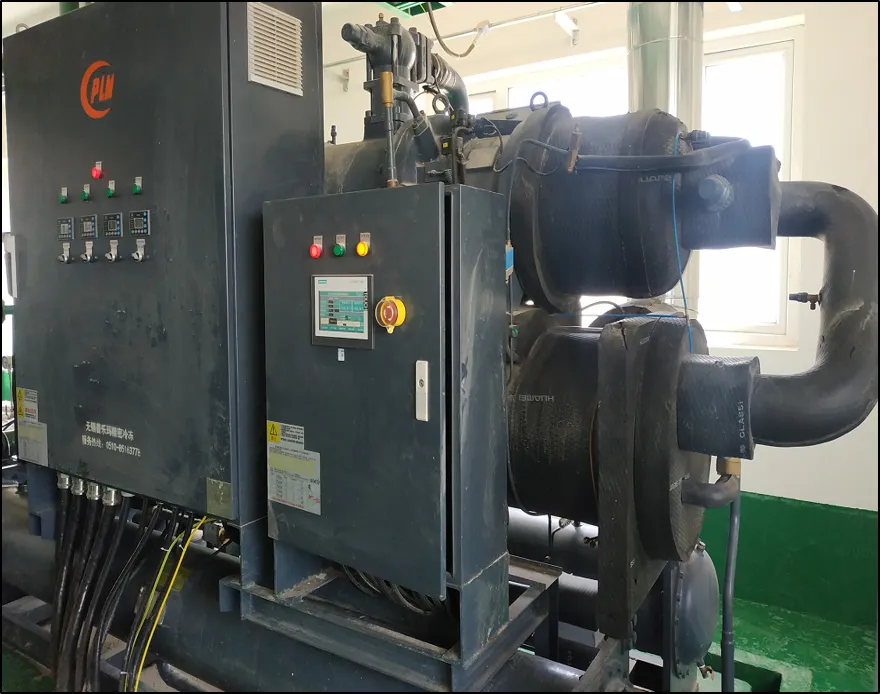
A brine crystallizer represents a critical technology in achieving zero liquid discharge, or ZLD, within modern industrial wastewater treatment systems. As regulatory pressure intensifies and freshwater scarcity becomes more pronounced, facilities across the chemical, pharmaceutical, food processing, and desalination sectors increasingly rely on crystallization systems to convert concentrated brine into recoverable salt solids and clean water. The brine crystallizer operates at the final treatment stage, processing the most challenging waste streams that conventional treatment methods cannot handle economically or effectively.
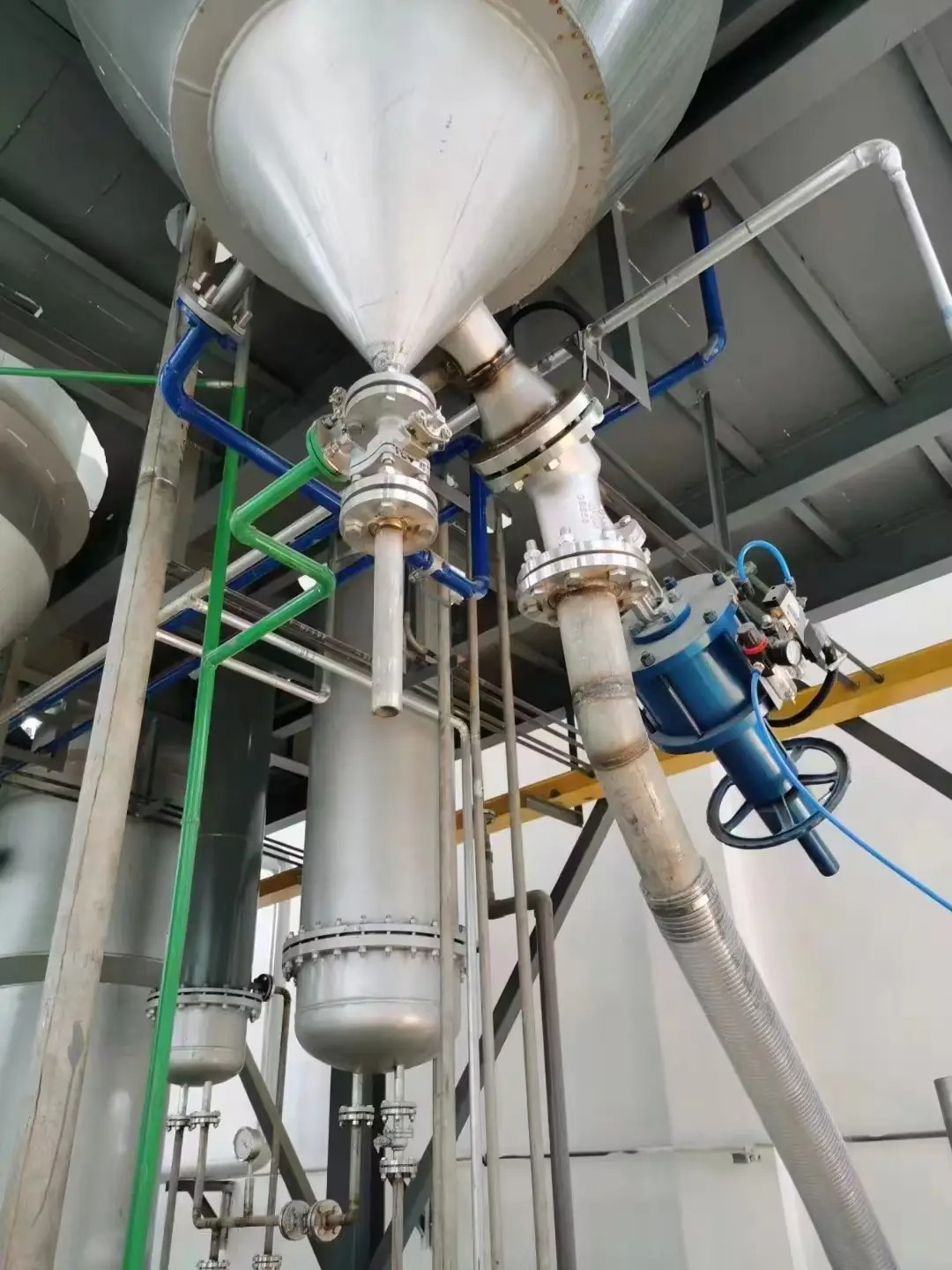
Understanding how crystallization technology functions within a ZLD framework is essential for operators, engineers, and facility managers making capital investment decisions. This article explores the mechanical and chemical principles behind brine crystallizer design, explains how salt solids and water are separated and recovered, and addresses the practical considerations that determine whether crystallization is the right final-stage solution for your specific wastewater composition and discharge regulations.
How Crystallization Enables ZLD Through Brine Processing
ZLD treatment demands the removal of virtually all dissolved and suspended solids from wastewater, eliminating liquid discharge entirely. Traditional treatment chains—reverse osmosis, nanofiltration, and evaporation—produce a concentrated reject stream called brine that still contains significant dissolved salts and minerals. This brine residue represents the core challenge in achieving true ZLD compliance.
A brine crystallizer solves this final bottleneck by forcing dissolved salts out of solution and converting them into solid crystals that can be dewatered, hauled away, and often sold or recycled. The crystallizer receives the concentrated brine from prior treatment stages and employs thermal, mechanical, or chemical methods to reduce water content and precipitate salt solids. By converting liquid waste into a manageable solid product, the crystallizer allows facilities to achieve ZLD discharge status while generating a byproduct stream that may have market value or at least represents a smaller, less hazardous disposal burden.
The Role of Thermal Energy in Salt Solids Formation
Most industrial crystallizers use evaporative crystallization, applying heat to the concentrated brine to increase solution temperature and reduce the solubility of dissolved salts. As water evaporates, the salt concentration rises beyond saturation point, forcing salt molecules to aggregate and form solid crystals. The crystallizer vessel itself is typically configured as a continuous or batch chamber where brine enters at controlled rates, exchanges heat through internal or external heat exchangers, and promotes nucleation—the initial formation of crystal seed structures around which more salt accumulates.
Mechanical Separation of Salt Solids from Residual Moisture
Once salt crystals form within the crystallizer chamber, mechanical dewatering equipment integrated into or downstream of the crystallizer removes residual brine clinging to crystal surfaces. Centrifuges, vibrating screens, or belt filters apply mechanical force to expel bound water, allowing salt solids to achieve moisture content levels that make them stable for storage and transport.
Water Recovery and Brine Reduction Within Final-Stage Treatment
The crystallizer's secondary but equally valuable function is to serve as a water recovery tool. As salt solids are extracted through crystallization and dewatering, the residual liquid exiting the crystallizer is dramatically reduced in dissolved solids content compared to the incoming brine feed. This recovered water, though it may still contain trace dissolved solids, is often clean enough to be recycled back into facility operations, discharged to surface waters under relaxed limits, or polished through a final membrane stage before reuse. For facilities facing freshwater constraints, water recovery from brine represents a tangible economic and environmental benefit beyond simple waste disposal compliance.
Optimizing Water Recovery Efficiency
The efficiency of water recovery depends on crystallizer operating parameters—temperature, residence time, and brine feed composition. Higher evaporation temperatures promote faster crystallization and reduce residence time, allowing the system to process higher volumetric throughput and recover more water per unit of crystallizer capacity. However, excessive temperatures can cause scale formation on heat transfer surfaces, reducing efficiency and requiring more frequent maintenance. Advanced crystallizers employ automatic temperature and pH control, anti-scale chemical dosing, and periodic cleaning cycles to sustain water recovery rates above design specification throughout extended operational periods.
Managing Salt Byproducts for Economic Value
The salt solids produced by a brine crystallizer can represent either a disposal liability or an economic asset depending on local markets and salt composition. Many industrial crystallizers produce relatively pure sodium chloride that can be sold to de-icing operations, chemical manufacturers, or food processors. Others may produce complex mixed salt streams containing calcium sulfate, magnesium chloride, or other minerals depending on the input brine chemistry. Understanding the crystallized salt composition before commissioning a crystallizer enables facility managers to identify byproduct markets, negotiate off-take agreements, and potentially offset treatment operating costs. Some facilities have even achieved carbon-neutral or carbon-negative crystallization by leveraging waste heat and selling recovered salt products.
Integration of the Crystallizer Into the Complete ZLD Train
No brine crystallizer operates in isolation; it must be integrated into a comprehensive ZLD treatment sequence that precedes it. Typical ZLD trains employ pretreatment, coagulation and clarification, multimedia filtration, reverse osmosis or nanofiltration to concentrate dissolved salts, and then crystallization as the final polishing stage. The quality and composition of brine entering the crystallizer directly determine crystallizer performance, energy consumption, and byproduct purity. Facilities must therefore invest in upstream treatment optimization to remove suspended solids, oils, and organics that could otherwise foul the crystallizer or increase cleaning frequency.
Upstream Treatment Quality Impact on Crystallizer Reliability
Poorly pretreated wastewater entering the crystallizer introduces scaling precursors, organic compounds, and suspended material that accelerate fouling of heat transfer surfaces and crystal formation zones. This fouling reduces thermal efficiency, lowers water recovery rates, and forces frequent shutdown for cleaning and maintenance. Conversely, well-pretreated brine streams with high salt purity and low suspended solids allow crystallizers to operate at design efficiency with extended run times between cleaning interventions. Facility operators must therefore view the crystallizer not as a standalone unit but as the final element of an integrated system; upstream treatment quality directly determines whether a brine crystallizer can achieve economic ZLD operation or becomes an expensive, unreliable bottleneck.
Regulatory Compliance and Discharge Monitoring
Achieving ZLD status requires not only eliminating direct liquid discharge but also demonstrating to regulatory authorities that all residual liquid—whether crystallizer condensate, dewatering effluent, or recycled process water—meets applicable discharge or reuse standards. The crystallizer itself typically produces very clean condensate from the evaporative process, often low enough in dissolved solids to discharge directly or require minimal final polishing. However, regulatory interpretation of 'zero liquid discharge' varies by jurisdiction; some regions permit recycled water reuse within the facility, while others require complete evaporation or deep-well injection of all non-solid waste. Facility designers must therefore engage regulatory agencies early to define acceptable discharge endpoints and ensure the crystallizer specification aligns with local ZLD definitions and monitoring requirements.
FAQ
What types of brine can a crystallizer process effectively?
Crystallizers can process a wide range of brine compositions including seawater concentrates, reverse osmosis reject streams, cooling tower blowdown, and industrial process wastewaters containing dissolved salts. However, the efficiency and profitability depend on salt composition and fouling potential. Simple brine streams with predominantly sodium chloride crystallize readily and produce valuable byproducts. Complex industrial brines containing calcium sulfate, silica, or organic compounds may crystallize more slowly, require anti-scale chemicals, and produce mixed salt products with limited market value. Facility operators should conduct treatability studies on representative brine samples before specifying crystallizer capacity.
How much energy does a brine crystallizer consume during operation?
Thermal energy consumption depends on the evaporative crystallization approach and brine composition, typically ranging from 1.5 to 3.5 million BTU per ton of water evaporated. This is substantially lower than mechanical vapor recompression or multi-effect distillation when waste heat or affordable steam is available. Many facilities integrate crystallizers with co-generation plants, industrial furnaces, or solar thermal systems to reduce net energy cost and carbon footprint. Mechanical crystallization methods consuming primarily electrical energy for mixing and dewatering offer lower operating temperature but higher capital cost. Facility managers should conduct energy balance calculations specific to local utility costs and available thermal resources.
Can crystallizer salt products be reused or sold?
Yes, depending on salt purity and composition. Sodium chloride from food processing or desalination crystallizers often meets commercial purity standards and commands prices ranging from fifty to two hundred dollars per ton, offsetting a portion of ZLD treatment cost. Industrial brines producing complex salt mixtures may have more limited markets but can still generate revenue from chemical recyclers or aggregate suppliers. Some facilities donate crystallizer byproducts to local road salt operations during winter months. The feasibility of byproduct monetization requires market research and off-take agreements before project commissioning; facility designers should evaluate salt composition and local demand as part of the economic justification for investing in crystallization technology.

 EN