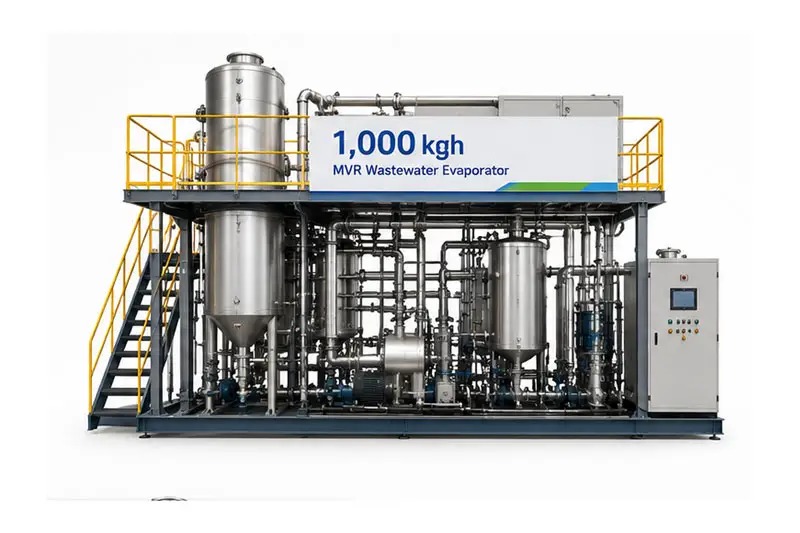
A force circulation evaporator is essential equipment for industries requiring efficient liquid concentration and waste minimization. However, scaling and blockage remain persistent challenges that can reduce heat transfer efficiency, increase operational downtime, and compromise product quality. Understanding the mechanisms behind these issues and implementing proactive prevention strategies is critical for maximizing equipment performance and extending service life. This article explores comprehensive approaches to reducing scaling and blockage risk in force circulation evaporator systems.
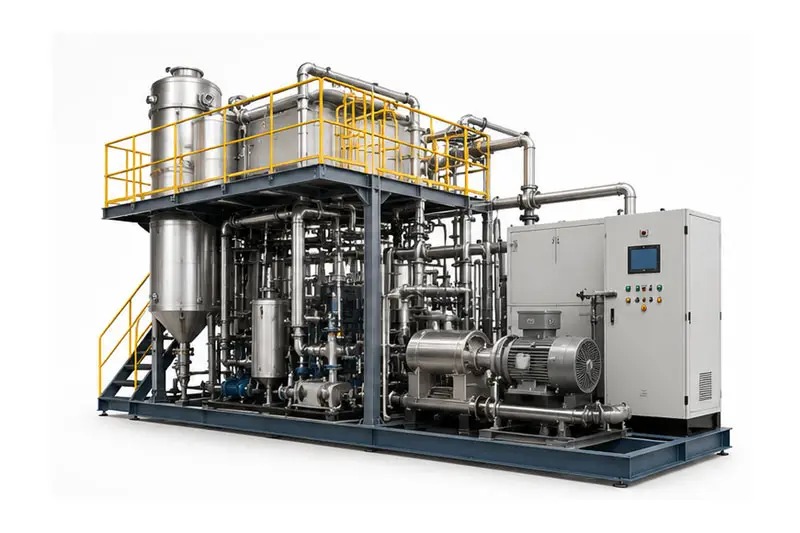
Scaling occurs when dissolved minerals precipitate on heat transfer surfaces, forming hard deposits that reduce thermal conductivity and restrict fluid flow. Blockage happens when solids accumulate in pipes, nozzles, and circulation lines, disrupting normal operation. Both phenomena demand strategic intervention through equipment design choices, operational parameters, and preventive maintenance protocols. Industries ranging from food processing to chemical manufacturing depend on reliable evaporation technology, making scaling and blockage management a business-critical priority.
Understanding Scaling Mechanisms and Prevention Strategies
Root Causes of Scaling in Evaporators
Scaling results from temperature gradients and solution concentration changes within the evaporator body. As liquid heats near the tubes, dissolved salts become supersaturated and crystallize on metal surfaces. The type of scaling depends on feed composition: calcium carbonate forms in hard water systems, while sodium chloride creates different deposit patterns in brine applications. Understanding your specific brine composition allows operators to predict scaling risk and select appropriate prevention methods. Temperature management and residence time directly influence crystallization rates, making operational control essential.
Designing for Minimal Scaling
Modern force circulation evaporator designs incorporate features that reduce scaling propensity. Short residence times in the heating zone limit crystal formation opportunities, while enhanced circulation ensures rapid liquid movement that discourages deposit adhesion. Material selection matters significantly; titanium and specialty alloys resist corrosive brine environments while maintaining smooth surfaces that minimize crystal nucleation sites. Operating below maximum saturation temperatures and maintaining consistent feed rates prevents sudden crystallization events. Proper equipment geometry and flow distribution directly impact your ability to manage scaling risk.
Managing Blockage Through Operational Excellence
Identifying Blockage Risk Factors
Blockage typically develops when suspended solids, scale fragments, or crystallized material accumulates in confined passages. Inadequate cleaning protocols, improper feed screening, or downstream pressure restrictions create conditions favoring blockage formation. Industrial brine feeds often contain fine particulates that concentrate as the liquid evaporates, increasing solid content in recirculated streams. Regular inspection of circulation lines, strainer performance, and pressure differential monitoring reveals blockage progression before complete line restriction occurs. Early detection prevents cascade failures affecting multiple system components.
Circulation Design and Maintenance
The force circulation evaporator's pumping system must maintain sufficient velocity to prevent material settling in horizontal sections. Properly sized piping and elimination of low-point trap zones reduces accumulation areas. Routine strainer changes, periodic backflushing of filter cartridges, and scheduled maintenance cycles minimize solid buildup. Installing differential pressure gauges across critical sections enables real-time blockage monitoring. Feed pretreatment using hydrocyclones or media filters removes suspended solids before they enter the evaporator, significantly reducing downstream blockage risk.
Cleaning Protocols and Long-Term Reliability
Chemical and Mechanical Cleaning Strategies
Effective cleaning combines mechanical and chemical approaches tailored to deposit composition. For carbonate scaling, dilute acid washing dissolves mineral deposits while preserving tube integrity. For organic residues or complex scale, alkaline detergent solutions followed by mechanical flushing restore heat transfer capacity. Scheduled cleaning intervals depend on feed characteristics and operating temperature; brine systems typically require more frequent attention than low-mineral feeds. Documentation of cleaning frequency and effectiveness guides long-term maintenance planning and helps identify when operational parameters require adjustment.
Preventive Maintenance and System Monitoring
Establishing preventive maintenance schedules ensures consistent force circulation evaporator performance. Quarterly inspection of heat transfer tube bundle surfaces, annual deep cleaning cycles, and continuous monitoring of steam consumption trends reveal deteriorating performance before equipment failure occurs. Recording pressure drops, temperature profiles, and cleaning intervals creates a maintenance history that predicts future issues and optimizes resource allocation. Operator training on proper startup procedures, feed rate management, and emergency shutdown protocols reduces operational incidents that accelerate scaling and blockage development. Investment in monitoring equipment and skilled maintenance staff delivers substantial returns through extended equipment life and improved productivity.
FAQ
What specific water chemistry parameters most influence scaling in force circulation evaporator systems?
Hardness (calcium and magnesium content), alkalinity, dissolved silica, and pH are primary factors determining scaling risk. Testing incoming feed and concentrate samples reveals supersaturation risk. Water softening pretreatment and pH adjustment reduce scaling propensity significantly. Specialized brine analysis services help identify problematic minerals and guide treatment strategy selection.
How frequently should a force circulation evaporator undergo cleaning to minimize blockage?
Cleaning frequency varies based on feed composition, operating temperature, and product specifications but typically ranges from monthly to quarterly intervals. High-solids brine feeds require more frequent cleaning than clear aqueous solutions. Monitoring pressure differential across the tube bundle and tracking steam consumption efficiency guides optimal cleaning timing. Preventive cleaning on fixed schedules costs less than emergency descaling after complete blockage develops.
Can scaling and blockage be completely eliminated from force circulation evaporator operation?
Complete elimination is impractical, but risk reduction to acceptable levels is achievable through proper design, operational discipline, and maintenance investment. Combining feed pretreatment, optimized operating parameters, corrosion-resistant materials, and systematic cleaning protocols minimizes impact on production and equipment longevity. Industries processing difficult brine feeds acknowledge that scaling and blockage management is an ongoing operational cost justified by reliable equipment performance.

 EN