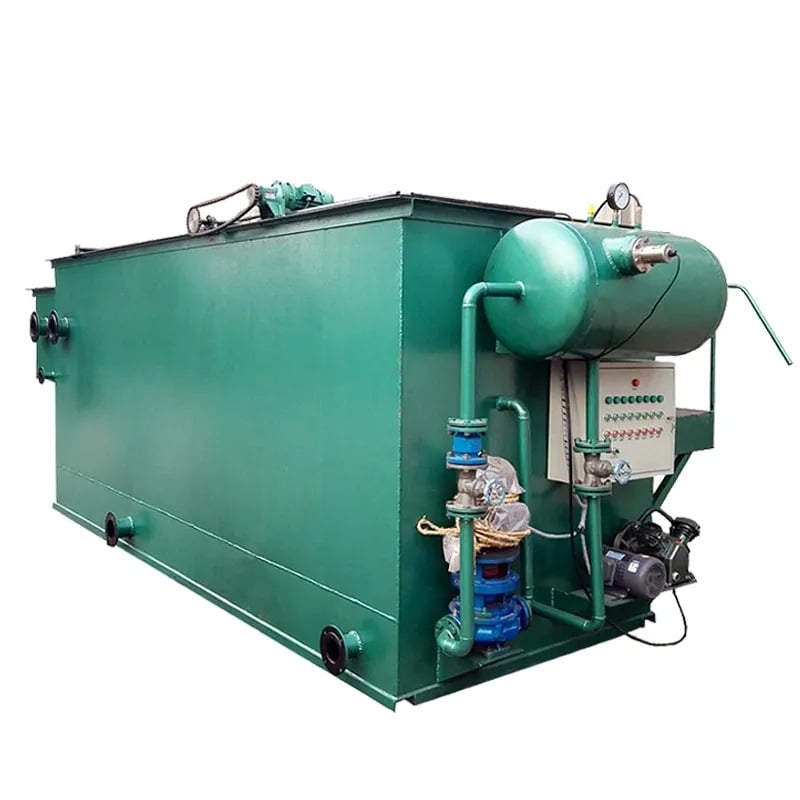
Biological wastewater treatment systems are highly effective for breaking down organic contaminants, but they face significant challenges when influent streams contain high concentrations of oil and suspended solids. These contaminants interfere with microbial populations, reduce treatment efficiency, and create operational headaches that compromise the entire process. Understanding why dissolved air flotation wastewater treatment and other pretreatment methods are essential steps helps facility managers make informed decisions about system design and long-term reliability.
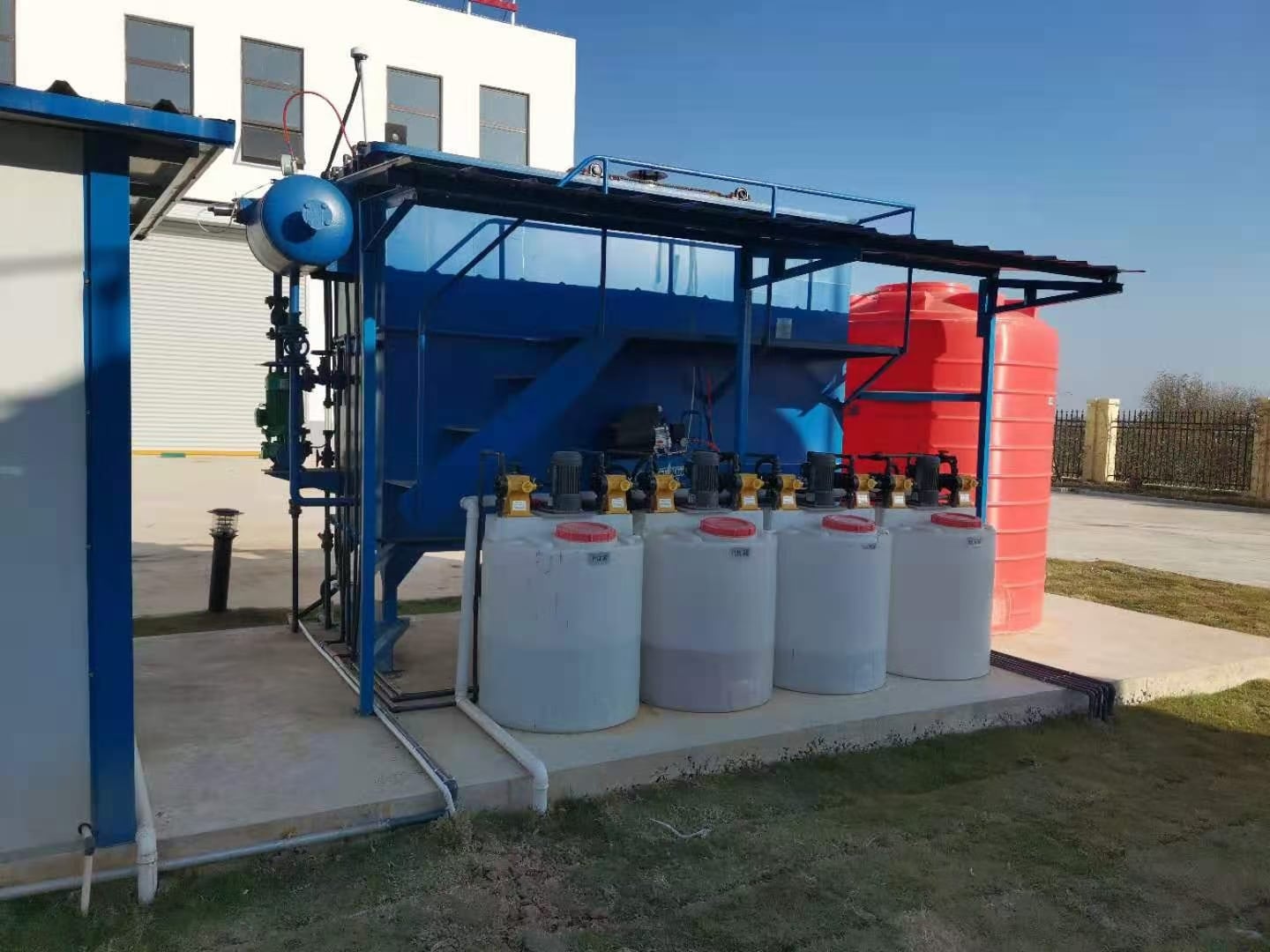
Pretreatment is not optional for facilities handling oily or heavily contaminated wastewater. By removing oil and suspended solids upstream of biological treatment, operators protect their microbial communities, reduce equipment fouling, and enhance overall system performance. This foundational step determines whether downstream biological processes will succeed or struggle, making it a critical investment in treatment stability and cost efficiency.
Why Oil Damages Biological Treatment Systems
Oil Coating and Microbial Inhibition
Oil and grease form a hydrophobic layer on the surface of biological treatment tanks and can coat the microbial biofilm that treats wastewater. When this coating builds up, it reduces oxygen transfer and starves microorganisms of the dissolved oxygen they need to function. Anaerobic conditions develop, treatment rates decline, and odor problems emerge. Oil removal before wastewater enters the biological system prevents this coating process entirely, ensuring microbes remain active and efficient at their job.
Toxic Effects on Microbial Populations
Some petroleum-based oils contain compounds that are directly toxic to the bacteria and other microorganisms used in biological treatment. Even at moderate concentrations, these substances inhibit metabolic pathways and reduce the growth rate of treatment-critical microbes. By implementing oil removal as a pretreatment step, facilities eliminate this source of toxicity before it reaches the biological reactor, maintaining a stable and productive microbial community.
The Role of Solids in Pretreatment
Suspended Solids Accumulation and Sludge Buildup
Suspended solids that bypass pretreatment accumulate in biological tanks, especially in aeration basins and settling zones. This rapid sludge buildup requires more frequent removal, increases maintenance labor, and reduces tank capacity available for treatment. When solids are removed during pretreatment, the biological system maintains a healthier solids balance, oxygen transfer improves, and settleability of the mixed liquor remains consistent. Many facilities find that solids control during pretreatment cuts their sludge management costs significantly.
Interference with Settling and Clarification
High suspended solids loads entering biological systems interfere with clarifier performance and secondary settling tank efficiency. Particles compete with biological floc for settling space, cloudiness persists in final effluent, and treated water quality suffers. When solids are addressed during pretreatment, clarifiers work on cleaner influent, produce clearer effluent, and require less frequent cleaning. This distinction makes the difference between meeting discharge permits and facing violations.
Biological Treatment Performance and Pretreatment Strategy
Organic Loading Rate Stability
Biological systems are designed for specific organic loading rates. When oil and solids enter the biological reactor, they occupy volume and compete with biodegradable organic matter for the microbes' metabolic capacity. This imbalance reduces the actual degradation of target pollutants, increasing biochemical oxygen demand in the effluent. Pretreatment removes non-biodegradable or recalcitrant materials, allowing the biological system to focus entirely on the organic compounds it is engineered to treat, maximizing treatment efficiency.
System Resilience and Operational Flexibility
Facilities implementing robust pretreatment gain operational flexibility and resilience. When oil and solids are removed upstream, biological systems become more forgiving of shock loads and fluctuating influent concentrations. Operators can adjust aeration rates, solids retention time, and other parameters with confidence that the core microbial system remains stable. This flexibility translates directly into lower maintenance frequency, fewer process upsets, and more reliable permit compliance over the long term.
FAQ
What type of pretreatment is most effective for removing oil from wastewater?
Dissolved air flotation wastewater treatment is one of the most effective pretreatment methods for oil removal. It uses fine air bubbles to float oil and grease toward the surface where they are skimmed off, while solids settle. This approach handles a wide range of oil concentrations and produces a clean underflow suitable for downstream biological treatment. Other methods include API separators for gravity settling and electrocoagulation, but DAF consistently achieves the highest oil removal rates in most industrial applications.
How much oil concentration can biological systems tolerate?
Most biological treatment systems perform well when influent oil concentrations remain below 10–20 milligrams per liter. Above this range, inhibition effects and biofilm coating begin to degrade treatment performance. However, facilities treating oily wastewater should assume pretreatment is necessary and not rely on biological tolerance alone. Using solids and oil removal as a pretreatment step ensures concentrations stay safely within the biological system's design envelope, regardless of seasonal or operational variations.
Does pretreatment increase the overall cost of wastewater treatment?
Although pretreatment equipment represents an upfront capital investment, it typically reduces total treatment costs by preventing sludge accumulation, reducing maintenance labor, extending biological system life, and improving permit compliance. Facilities that skip pretreatment often face higher operating costs due to frequent cleaning, biofilm coating removal, and extended downtime. When evaluated over a five-to-ten-year operational life, pretreatment is cost-effective and protects the much larger biological treatment investment downstream.

 EN