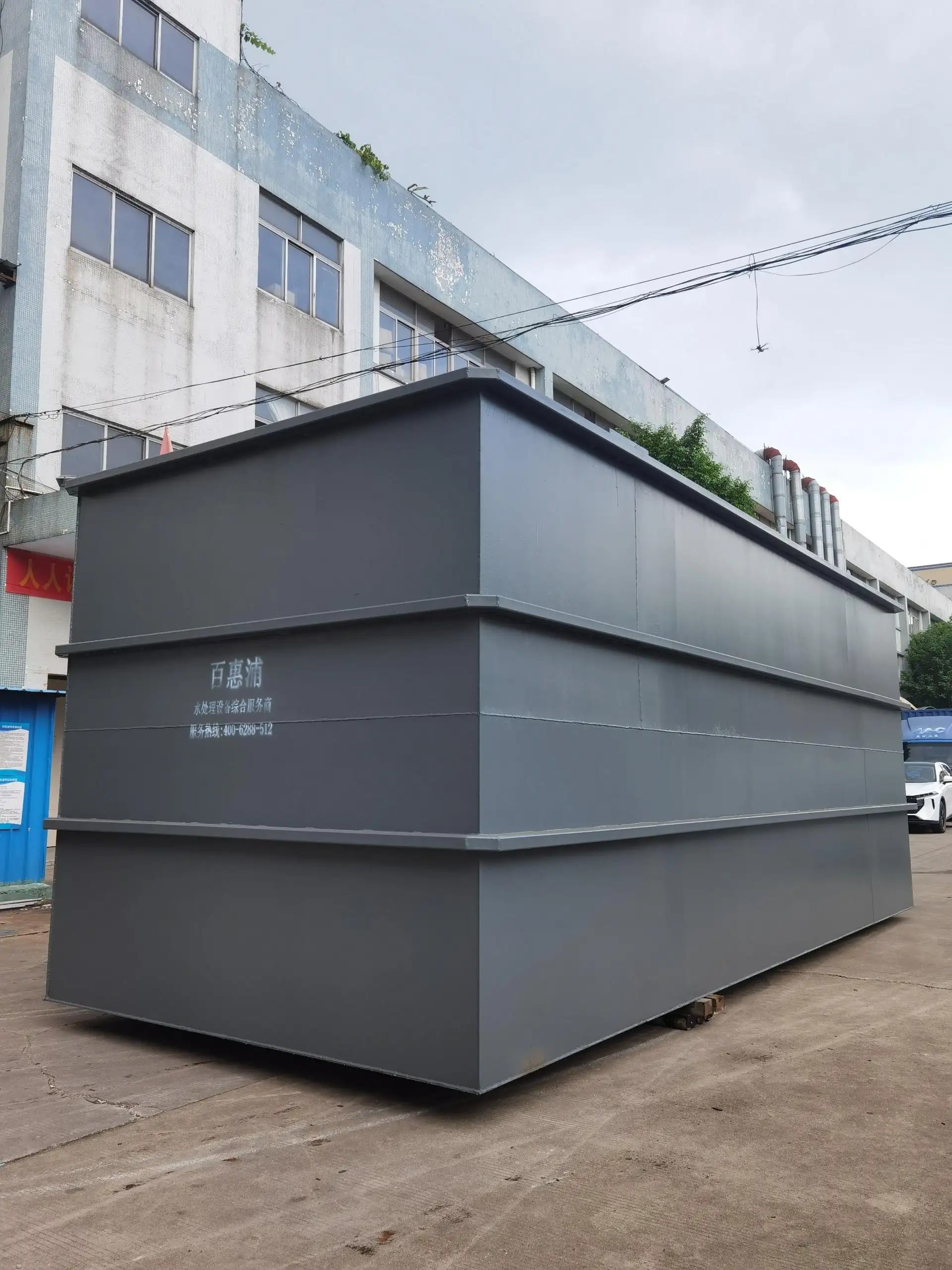
Wastewater flow rates rarely remain constant throughout the day. Industrial facilities, municipal treatment centers, and commercial operations all experience dramatic fluctuations in incoming waste volumes, creating operational challenges that can compromise system performance and longevity. This is where equalization becomes essential. An equalization tank, integrated into a packaged wastewater treatment plant, serves as a critical buffer that stabilizes flow rates, manages peak load conditions, and enables more reliable treatment processes throughout the facility.
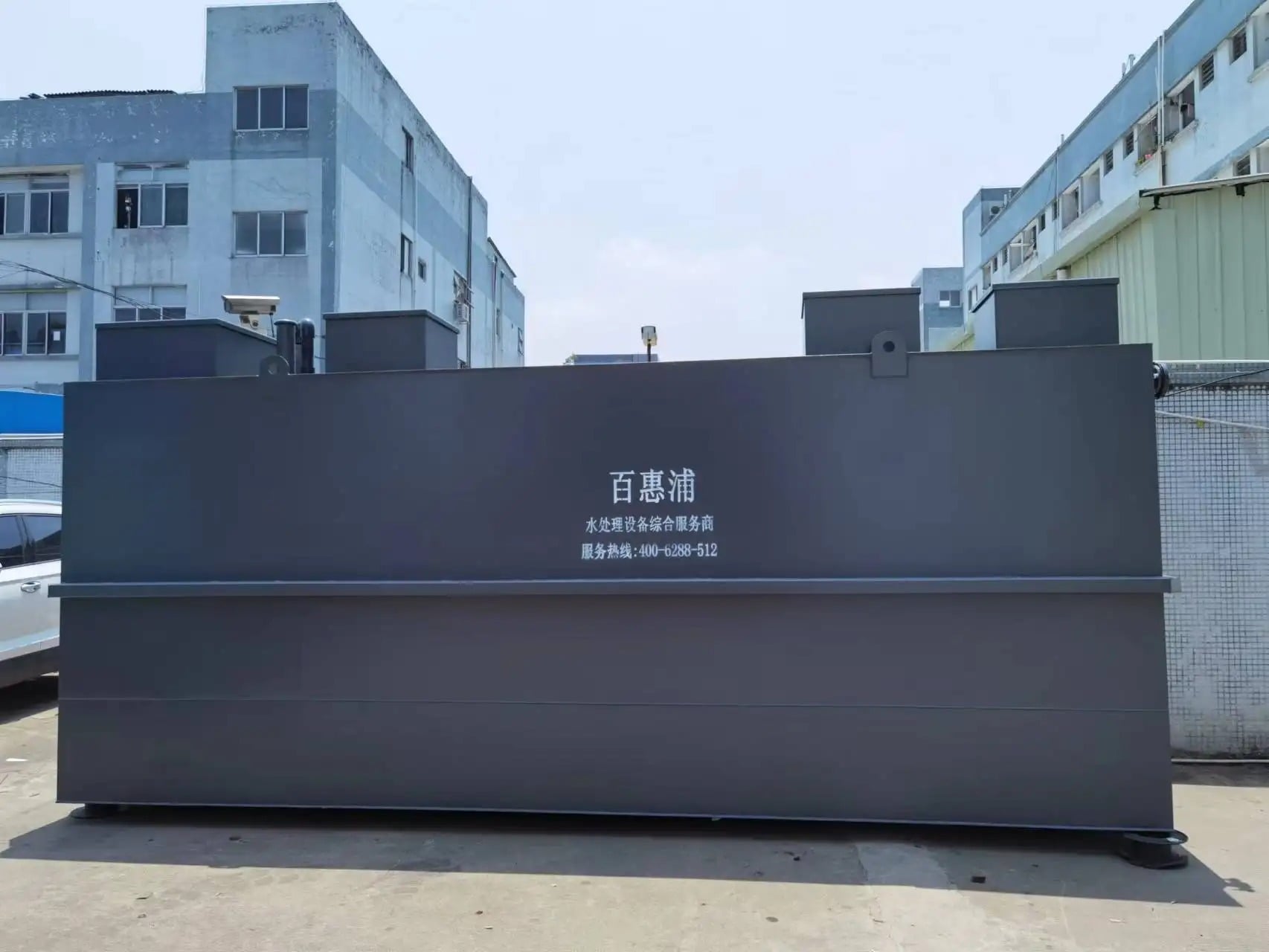
The reliability of any packaged wastewater treatment plant depends on its ability to handle variable incoming loads without operational disruption. Without proper equalization, treatment components become overwhelmed during high-flow periods and underutilized during low-flow periods, leading to inconsistent effluent quality, accelerated equipment wear, and increased maintenance costs. Equalization tanks fundamentally transform how a treatment system responds to these natural flow variations, enabling consistent operation and predictable performance.
Understanding Peak Load Challenges in Wastewater Treatment
How Flow Variations Disrupt Treatment Processes
Daily wastewater flows typically exhibit distinct patterns. Morning hours often bring concentrated flows from household use and facility startup activities, while midday and evening periods show different demand profiles. Industrial operations add further complexity, with production schedules creating sudden surges in process wastewater discharge. These peak load conditions stress every component downstream—from biological reactors to clarifiers to filtration systems.
Without equalization, a peak load event can force excess wastewater through treatment units before adequate retention time occurs, resulting in incomplete treatment and reduced effluent quality. Conversely, during low-flow periods, biological systems may struggle to maintain stable conditions, pH balance, and microorganism populations. A packaged wastewater treatment plant equipped with equalization maintains more stable internal conditions, preventing these operational extremes and delivering consistent treatment efficiency across all operating scenarios.
Impact on Equipment Life and Maintenance
Mechanical equipment such as pumps, blowers, and mixers must operate within design parameters to achieve acceptable lifespan and reliability. When peak load events force these units to exceed their design flow rates, cavitation, bearing stress, and seal degradation accelerate. Over time, this operational stress compounds maintenance requirements and shortens equipment life substantially. Equalization minimizes these stress cycles by buffering incoming surges, allowing pumps and other equipment to operate at more consistent flow rates within their optimal performance windows.
How Equalization Improves Packaged Wastewater Treatment Plant Reliability
Stabilizing Flow for Consistent Operation
An equalization tank accumulates incoming wastewater during high-flow periods and releases it at a controlled, steady rate to downstream treatment stages. This flow stabilization fundamentally changes how a packaged wastewater treatment plant operates. Biological treatment processes receive consistent substrate loading, enabling microorganisms to maintain stable metabolic rates and treatment efficiency. Clarifiers and settling tanks function more predictably, producing cleaner effluent and reducing suspended solids carryover into downstream processes.
By decoupling incoming flow variability from downstream treatment operations, equalization allows each treatment stage to perform at its design capacity consistently. Rather than experiencing operational chaos during peak load events, the entire packaged wastewater treatment plant maintains steady-state conditions, resulting in superior effluent quality, reduced operational surprises, and more predictable system behavior that facility operators can plan around confidently.
Reducing Energy Consumption and Operating Costs
Equipment operating inefficiency during peak load conditions consumes excess energy. Pumps cavitating during high-flow surges, blowers running at maximum capacity, and motors working beyond design specifications all consume power wastefully. Equalization eliminates these surge conditions by stabilizing flow rates, allowing all equipment to operate at more efficient steady-state conditions. This operational consistency directly reduces electric consumption and lowers utility costs for facility owners.
Beyond energy savings, equalization reduces the frequency of emergency maintenance responses. When equipment operates predictably within design parameters, component failure rates drop significantly. Operators spend less time on corrective maintenance and can focus on preventive maintenance tasks that cost far less. For commercial operations relying on a packaged wastewater treatment plant, this reliability translates directly into lower total cost of ownership and more stable operational budgets.
Supporting Peak Load Management Through Retention Time
Retention time—the period wastewater remains in a treatment vessel—is critical for effective biological treatment and solids settling. Adequate retention time allows biological microorganisms to consume organic contaminants and allows suspended solids to settle and consolidate. When peak load events force wastewater through a system too quickly, retention time becomes insufficient, treatment becomes incomplete, and system reliability declines. Equalization ensures that even during high-flow periods, wastewater receives adequate residence time in subsequent treatment stages.
This equalization benefit proves especially valuable in packaged wastewater treatment plant designs where space is limited and physical retention vessels cannot be oversized. The equalization tank essentially compensates for design constraints by ensuring that peak load surges do not compress retention time to levels that compromise treatment effectiveness. This operational flexibility makes equalization an economical solution compared to designing larger treatment units to handle peak flows directly.
Practical Implementation in Packaged Systems
Integration with Packaged Treatment Plant Configurations
Modern packaged wastewater treatment plant designs increasingly incorporate equalization as a standard component rather than an optional upgrade. When properly sized and positioned upstream of primary treatment stages, the equalization tank becomes invisible from an operational standpoint—facility operators simply maintain consistent outflow rates while the equalization tank absorbs incoming flow variations automatically. This seamless integration reduces operational complexity and eliminates the need for constant manual flow adjustment.
Equalization tanks can be configured with multiple chambers, allowing partial operation during low-flow periods and full capacity utilization during peak load events. This modular approach enhances reliability by reducing idle tank volume during normal operating conditions while maintaining surge capacity when needed. For industries experiencing predictable flow patterns, equalization can be optimized to match those patterns precisely, creating a packaged wastewater treatment plant that adapts naturally to facility operation.
Selecting Appropriate Equalization Capacity
Proper equalization tank sizing requires careful analysis of incoming flow profiles. Undersized equalization tanks fail to buffer peak loads adequately, defeating their purpose. Oversized tanks consume valuable facility space and capital without proportional reliability benefits. Design engineers must analyze historical flow data, production schedules, and growth projections to determine optimal capacity. For many industrial and commercial applications, an equalization tank sized to handle two to four hours of peak load flow provides effective balance between reliability improvement and cost efficiency.
The operation of the equalization tank should incorporate automated controls that match outflow to downstream treatment capacity, ensuring that downstream equipment receives consistent loading. This automation eliminates manual operator intervention and ensures that the packaged wastewater treatment plant maintains optimal performance across all operating scenarios, whether flow is high, low, or variable throughout the operating day.
FAQ
Why is equalization necessary if a packaged wastewater treatment plant is already designed for peak flow?
Designing a packaged wastewater treatment plant to handle peak flow directly requires oversizing all downstream equipment significantly. This approach consumes capital, facility space, and increases energy consumption during low-flow periods when equipment operates inefficiently. Equalization achieves superior reliability and cost efficiency by buffering peak loads with a single tank rather than oversizing every treatment component. Additionally, oversized equipment rarely justifies the capital and operational cost compared to adding equalization.
How does equalization reduce maintenance in a packaged wastewater treatment plant?
Equalization minimizes equipment stress by maintaining stable flow rates and preventing the surge conditions that cause cavitation, seal degradation, and bearing stress. When pumps, blowers, and other equipment operate consistently within design parameters rather than experiencing constant peak load shocks, component failure rates drop dramatically. This operational stability extends equipment life, reduces emergency maintenance incidents, and allows facility operators to plan predictive maintenance proactively rather than responding to unexpected failures.
Can equalization be retrofitted into an existing packaged wastewater treatment plant?
Yes, equalization can often be retrofitted into existing packaged wastewater treatment plant installations. Retrofit tanks can be positioned upstream of primary treatment stages and integrated with automated controls to match outflow to downstream capacity. However, site space constraints and existing piping configurations may limit retrofit options. Consulting with treatment engineers early in facility planning allows for optimal equalization integration, whether during initial system design or as a reliability upgrade to an existing installation.

 EN