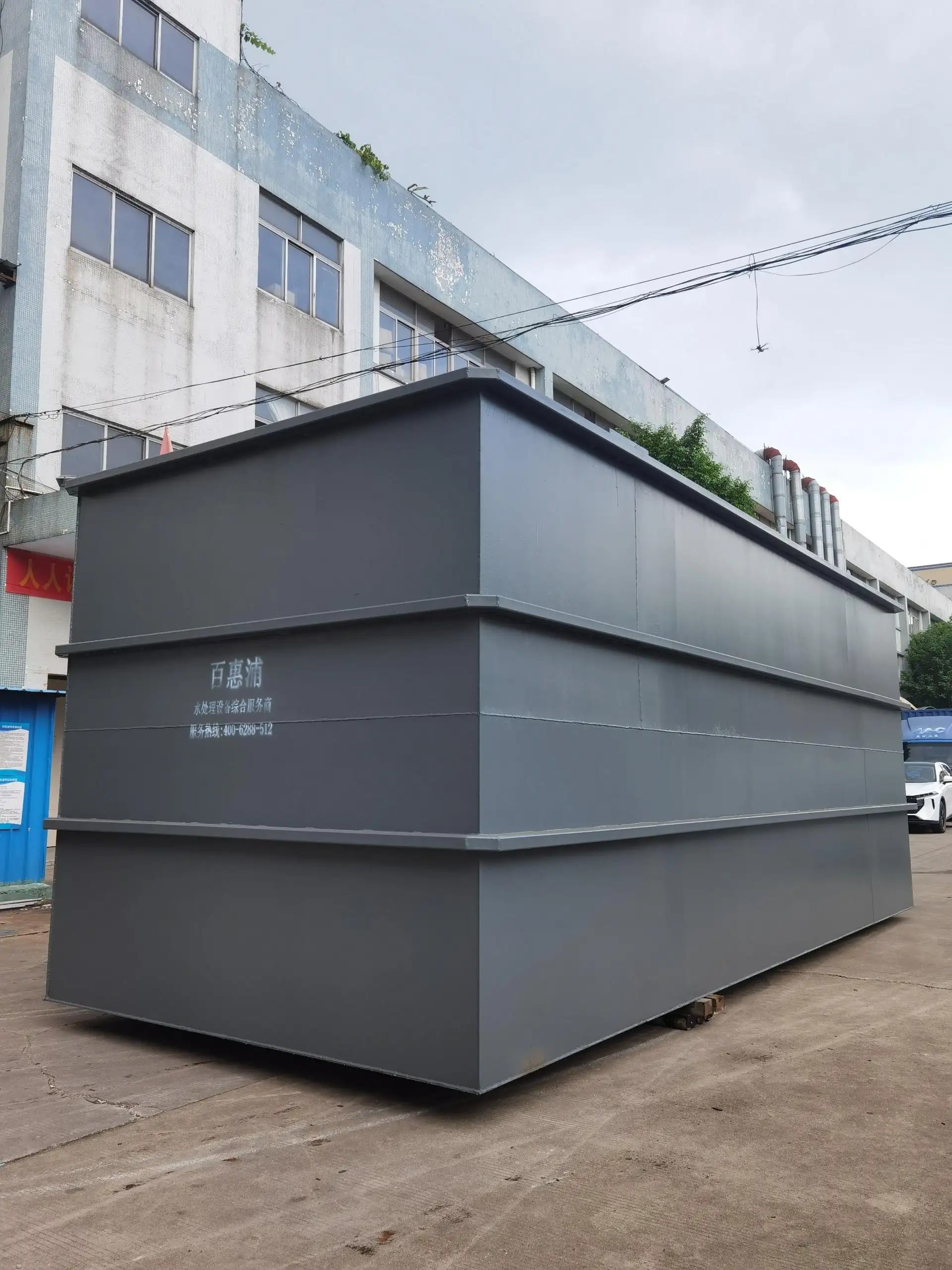
Cyanide wastewater treatment presents one of the most demanding challenges in industrial water management today. Unlike standard organic contaminants, cyanide compounds require a completely different operational mindset and infrastructure strategy. The fundamental reason for this difference lies in the extreme toxicity of cyanide, its tendency to form dangerous byproducts during improper handling, and its potential to react unpredictably with other waste streams. When cyanide wastewater treatment fails to follow strict segregation protocols, facilities risk catastrophic equipment failure, worker safety incidents, and regulatory violations. Understanding why segregation is not optional but essential forms the foundation of responsible industrial wastewater management.
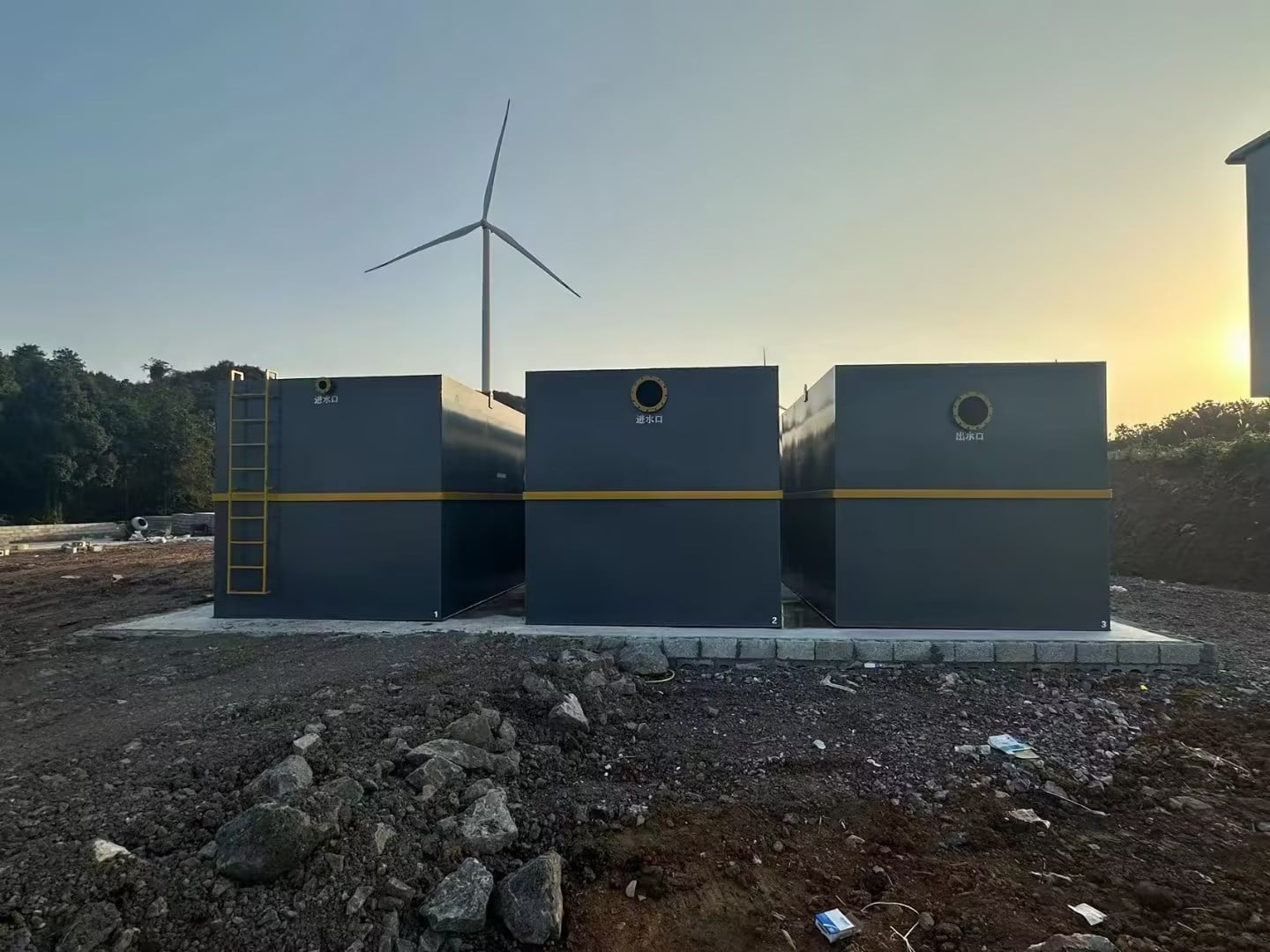
The segregation imperative stems from chemistry itself. Cyanide compounds—whether simple inorganic cyanide or complex metal-cyanide complexes—behave dangerously when mixed with incompatible streams. Strong acids, heavy metals, and oxidizing agents can trigger violent reactions or liberate hydrogen cyanide gas, a deadly volatile compound. Proper segregation ensures that cyanide wastewater treatment follows controlled, predictable pathways rather than chaotic chain reactions. This article explores the critical reasons for segregation and the technical safety measures that drive best practices across metallurgical, mining, electroplating, and chemical manufacturing sectors.
Understanding Cyanide Toxicity and Reaction Mechanisms
Why Cyanide Demands Isolation from Standard Treatment Streams
Cyanide toxicity operates through a unique biochemical mechanism that makes it fundamentally different from conventional pollutants. The cyanide ion interferes with cellular respiration by binding to the cytochrome oxidase enzyme, effectively suffocating cells at the molecular level. This extreme potency means that even trace amounts in mixed wastewater streams can overwhelm conventional biological treatment systems, killing beneficial microorganisms and rendering the entire treatment process ineffective. Segregation protects these biological communities while allowing cyanide to be handled through specialized oxidation pathways. Moreover, when cyanide mixes with heavy metals like iron, copper, or zinc, it forms stable metal-cyanide complexes that resist conventional treatment and persist in the environment indefinitely.
The Hydrogen Cyanide Gas Risk During Treatment
One of the most dangerous aspects of improper cyanide segregation is the spontaneous generation of hydrogen cyanide gas. When cyanide wastewater treatment processes encounter low pH environments—whether through accidental acidification or reaction with acidic industrial streams—hydrogen cyanide volatilizes rapidly and becomes an airborne hazard. A single acidic spill into an unsegregated cyanide treatment basin can transform a contained waste stream into an acute respiratory threat within seconds. Industrial facilities without segregation have experienced fatal worker exposures from this exact scenario. Segregation ensures that cyanide streams remain in controlled pH zones where gaseous release cannot occur until deliberately managed through oxidation procedures under monitored conditions.
Segregation as the Foundation of Safety and Oxidation Success
Creating Dedicated Treatment Pathways Through Physical Separation
Effective segregation begins with dedicated collection, storage, and treatment infrastructure that keeps cyanide wastewater completely isolated from general industrial waste streams. This physical separation typically includes separate holding tanks, dedicated piping systems, isolated treatment vessels, and clearly marked containment areas. The investment in this infrastructure pays immediate dividends through predictable, controllable oxidation chemistry. When cyanide reaches the oxidation stage in isolation, operators can precisely meter oxidizing agents—typically chlorine, ozone, hydrogen peroxide, or permanganate—without worrying about competing reactions consuming the oxidant or generating unexpected toxic byproducts. Segregation also prevents the cyanide from binding to suspended solids or organic matter, which would require higher oxidant doses and create treatment inefficiencies.
How Segregation Improves Oxidation Efficiency and Reduces Costs
The oxidation of cyanide follows a relatively straightforward two-stage mechanism when conducted in isolation. In the first stage, cyanide is oxidized to cyanate, which is much less toxic and relatively stable. In the second stage, cyanate is further oxidized to harmless carbon dioxide and nitrate. However, this clean progression only occurs in segregated, controlled conditions. When cyanide wastewater treatment occurs in mixed streams, competing reactions consume oxidant, secondary contaminants interfere with oxidation kinetics, and inefficient pathways multiply treatment time and chemical costs. Facilities that segregate cyanide report 30 to 50 percent reductions in oxidant consumption compared to non-segregated approaches. Segregation also eliminates the uncertainty that comes from variable incoming waste chemistry, allowing facilities to operate with confidence and predictability.
Regulatory Compliance and Risk Management Through Segregation
Meeting Environmental and Worker Safety Mandates
Modern environmental regulations recognize the unique hazards of cyanide and specifically require segregated handling in facilities above certain waste concentration thresholds. Regulatory bodies view segregation not as optional best practice but as a mandatory control measure. Facilities operating without proper segregation face significant civil and criminal liability, including penalties, operational shutdowns, and loss of operating permits. Beyond regulatory mandates, segregation directly supports occupational safety. Workers can operate segregated cyanide treatment systems with greater confidence when exposure risks are minimized through engineered controls. Training becomes more focused, emergency procedures become more straightforward, and incident probability drops substantially compared to integrated approaches.
Liability Reduction and Long-Term Operational Resilience
Segregation also provides legal and operational buffers against equipment failure, process upsets, and the inevitable complications that arise during extended industrial operations. When cyanide streams remain isolated, a malfunction in one treatment pathway does not cascade into failures across the entire wastewater management system. If an oxidation vessel develops a leak or a pump fails, operators can temporarily divert the segregated cyanide stream to backup storage while repairs proceed, preventing environmental release. Without segregation, the same equipment failure might force the facility to discharge improperly treated mixed wastewater or face operational emergency. This operational resilience translates into fewer environmental incidents, better regulatory relationships, and reduced insurance exposure over the facility's operating lifetime.
FAQ
Can general industrial wastewater treatment systems handle low concentrations of cyanide if properly diluted?
No. Even low concentrations of cyanide pose unacceptable risks to biological treatment organisms and can form persistent metal-cyanide complexes with trace metals present in mixed wastewater. Dilution does not eliminate the segregation requirement; regulatory standards and safety protocols demand that cyanide wastewater treatment occur through dedicated pathways regardless of concentration. The toxicity mechanism remains active at any concentration level, and the risk of hydrogen cyanide gas generation persists whenever acidic conditions occur. Many industrial incidents have occurred at facilities that believed their cyanide concentrations were 'low enough' to avoid segregation protocols.
What happens if cyanide mixes with strong oxidizing agents in an unsegregated system?
Uncontrolled mixing of cyanide with strong oxidizing agents creates violent, exothermic reactions that can rupture equipment, generate toxic gases, and cause explosions. Without segregation, accidental ingress of oxidizers into cyanide storage areas—or vice versa—can trigger these reactions without warning or operator control. The oxidation process itself becomes unmanageable, consuming oxidant far faster than anticipated and generating heat and gases that exceed ventilation capacity. Segregation ensures that oxidizers and cyanide meet only in controlled treatment vessels where reaction rates can be monitored, temperatures managed, and gas generation handled through proper engineering controls.
How does segregation support compliance with industrial wastewater discharge standards?
Segregation enables precise control over oxidation chemistry and treatment outcomes, making it far easier to achieve and consistently maintain discharge standards for cyanide residuals. Regulatory agencies set specific limits on cyanide in effluent, typically measured in parts per million, and expect facilities to demonstrate reliable, repeatable treatment performance. Segregated systems produce predictable, measurable results because operating conditions remain constant and competing reactions are eliminated. Integrated systems struggle to meet discharge standards consistently because incoming waste composition varies and interfering substances constantly change treatment efficiency. Segregation transforms cyanide wastewater treatment from a reactive, uncertain process into a proactive, engineered system capable of reliable regulatory compliance.

 EN