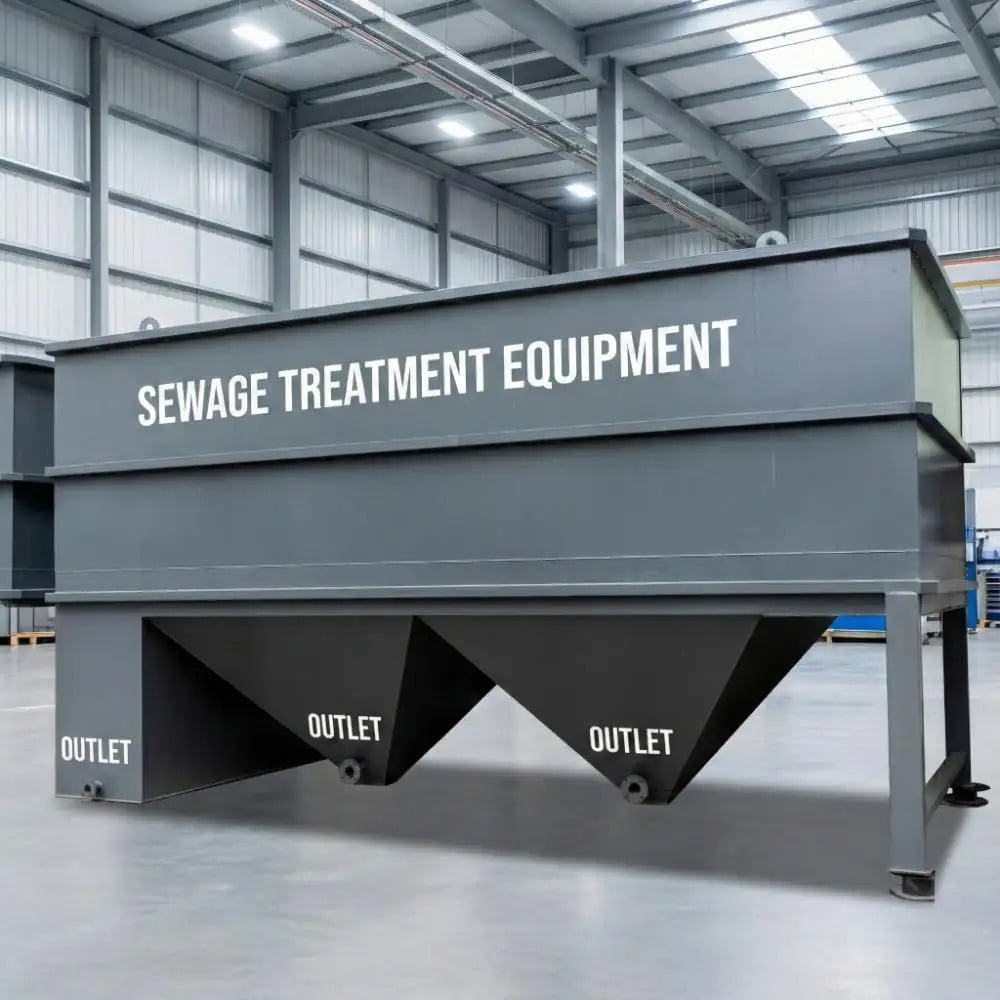
Water reuse has become central to modern industrial wastewater treatment solutions. Rather than viewing wastewater as a liability, leading facilities now recognize it as a recoverable resource. This shift transforms how companies approach operational costs, environmental compliance, and long-term sustainability. Integration of water reuse directly into your wastewater treatment strategy creates multiple pathways to reduce both expenses and environmental impact while meeting increasingly strict discharge regulations.
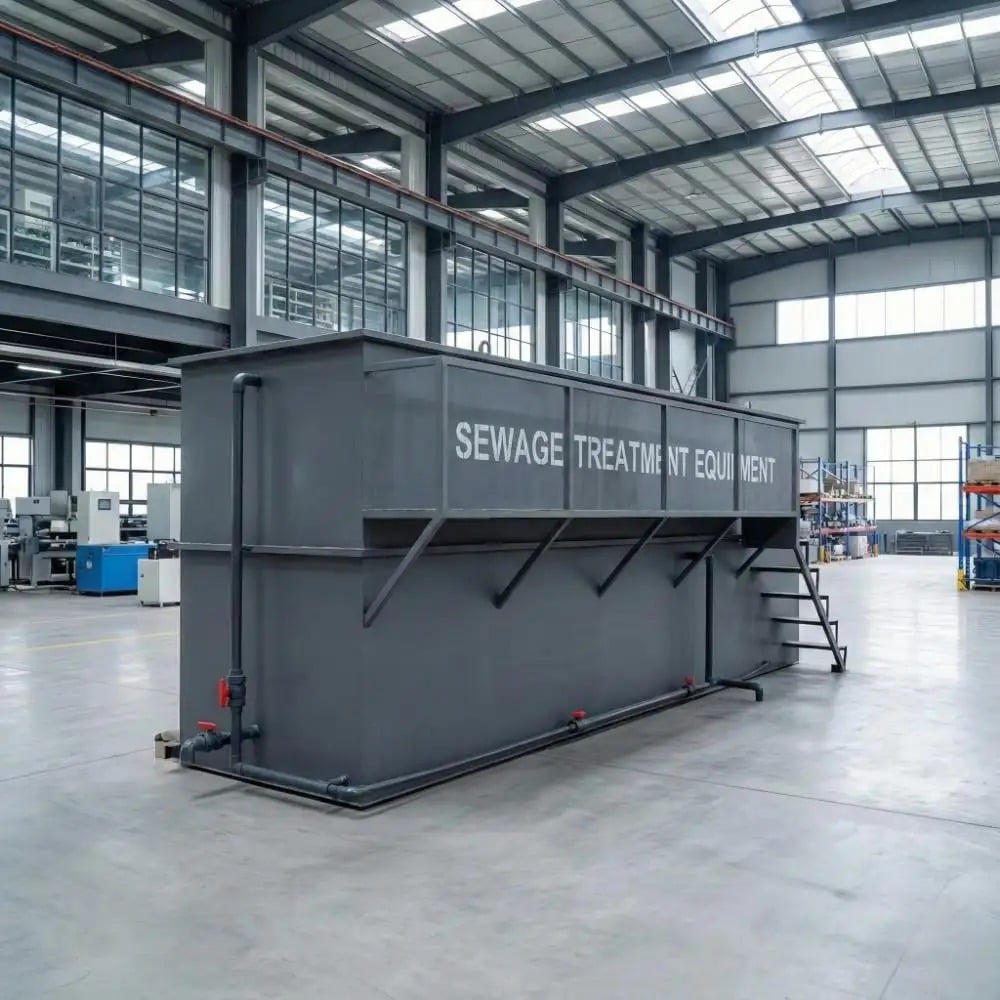
The landscape of industrial operations has fundamentally changed. Manufacturers across sectors—chemical processing, food production, semiconductor fabrication, and metal finishing—now face dual pressures: tighter regulatory discharge limits and rising freshwater costs. Water reuse sits at the intersection of these challenges, enabling businesses to recover treated water for secondary applications while maintaining compliance standards. Understanding where water reuse fits within your broader treatment infrastructure is essential for optimizing performance and profitability.
Strategic Integration of Water Reuse into Treatment Workflows
Positioning Recovery Within Your Current System
Effective water reuse begins with mapping your facility's actual water flows and quality requirements. Not all industrial processes demand potable-grade recycled water; many operations can function with recovered water that meets specific process parameters. By segmenting water reuse applications—cooling tower makeup, washdown systems, landscaping irrigation, or cleaning processes—you can tailor treatment stages to match end-use needs. This targeted approach reduces capital investment and operational complexity compared to universal treatment, while resource efficiency improves measurably. The recovery process should align with your existing treatment infrastructure rather than requiring complete redesign.
Quality Standards and Reuse Applications
Water reuse applications vary significantly in their quality demands. Non-contact cooling circuits, for example, tolerate higher suspended solids than direct-contact food preparation. Understanding these distinctions allows treatment engineers to optimize filtration and polishing steps without over-treating water destined for less demanding applications. Modern industrial wastewater treatment solutions incorporate tiered treatment pathways that achieve recovery efficiency while respecting discharge regulations where water cannot be reused internally. This flexibility transforms wastewater from a single disposal stream into a multi-asset resource with distinct value at each purity level.
Resource Efficiency and Economic Performance
Cost Reduction Through Recovered Water
The financial case for water reuse grows stronger annually as municipal water and sewer rates increase. Facilities implementing robust recovery programs often reduce freshwater intake by 20 to 50 percent, translating directly to operational savings. Beyond water purchase costs, reuse eliminates or reduces discharge fees—a meaningful factor where municipalities levy charges per unit of treated wastewater released. The energy required for water reuse treatment typically remains lower than combined costs of purchasing fresh water and paying discharge penalties. Resource efficiency metrics improve considerably, and payback periods for reuse infrastructure frequently fall within five to seven years, making the investment economically sound even before considering environmental and regulatory benefits.
Operational Resilience and Supply Security
Water scarcity and supply disruption pose growing operational risks in many regions. Facilities that depend entirely on municipal water face potential interruption during droughts, maintenance events, or infrastructure failures. Water reuse programs create operational redundancy by establishing internal supply chains that reduce external dependency. This resilience proves especially valuable for continuous-process operations where production cannot pause. Industrial wastewater treatment solutions that incorporate recovery capabilities provide strategic insurance against supply volatility while maintaining consistent production throughput.
Regulatory Compliance and Discharge Strategy
Meeting Evolving Discharge Standards
Regulatory agencies continue tightening discharge limits for nitrogen, phosphorus, suspended solids, and emerging contaminants. Rather than treating all wastewater to potable standards—an expensive approach—many facilities now implement tiered discharge strategies. Water designated for reuse receives rigorous treatment, while remaining wastewater receives discharge-compliant treatment tailored to regulatory thresholds. This differentiated approach maintains compliance while optimizing treatment chemistry and energy use. Modern industrial wastewater treatment solutions incorporate monitoring systems that track both reuse-stream quality and discharge-stream compliance in real time, reducing regulatory risk and documentation burden.
Life Cycle Environmental Benefits
Water reuse reduces overall environmental footprint by decreasing demand on source water supplies and minimizing wastewater released to receiving waters. Every gallon of water recovered and reused represents reduced stress on watersheds, lower energy demand for water treatment and distribution, and decreased dilution of treated discharge in receiving streams. These benefits accumulate across industrial facilities operating in water-stressed regions. Demonstrating measurable recovery and resource efficiency improvements strengthens community relations and supports corporate sustainability commitments. Discharge reduction also supports aquatic ecosystems in receiving waters by minimizing chemical and thermal impacts.
FAQ
What percentage of wastewater can typically be recovered for reuse in industrial settings?
Recovery rates vary widely depending on facility type, available treatment technology, and end-use applications. Most industrial operations achieve 30 to 60 percent recovery when water reuse is integrated into comprehensive treatment strategies. Manufacturing facilities with repetitive cooling or washdown processes often reach higher recovery percentages than those with highly variable waste streams. Advanced membrane technologies, reverse osmosis, and advanced oxidation processes can recover water with high purity, expanding potential reuse applications. Your facility's specific recovery potential should be determined through pilot testing and detailed water balance analysis.
Does water reuse require additional permits or regulatory approval?
Yes, most jurisdictions require permits for recovered water systems, though requirements vary by location and intended use. Water reuse regulations may fall under state environmental agencies, local health departments, or water management districts. Some regions have streamlined approval processes for non-potable reuse in specific applications, while others require comprehensive water quality monitoring. Consulting with local regulators early in your water reuse planning ensures compliance and avoids costly redesigns. Documentation of treatment effectiveness and ongoing monitoring is essential for maintaining reuse authorization and demonstrating that discharge standards remain met.
Can water reuse integrate with existing wastewater treatment equipment?
Integration depends on your current system design and the quality needed for reuse applications. Many facilities successfully add recovery stages—sand filters, membrane units, or polishing systems—to existing treatment trains without replacing core infrastructure. However, some older systems may require upgrades to instrumentation, automation, or treatment chemistry to support reliable water reuse. Professional assessment of your existing equipment, flow rates, and treatment capacity determines feasibility and retrofitting costs. In many cases, strategic additions of recovery-focused treatment units provide faster deployment and lower capital investment than comprehensive system replacement.

 EN