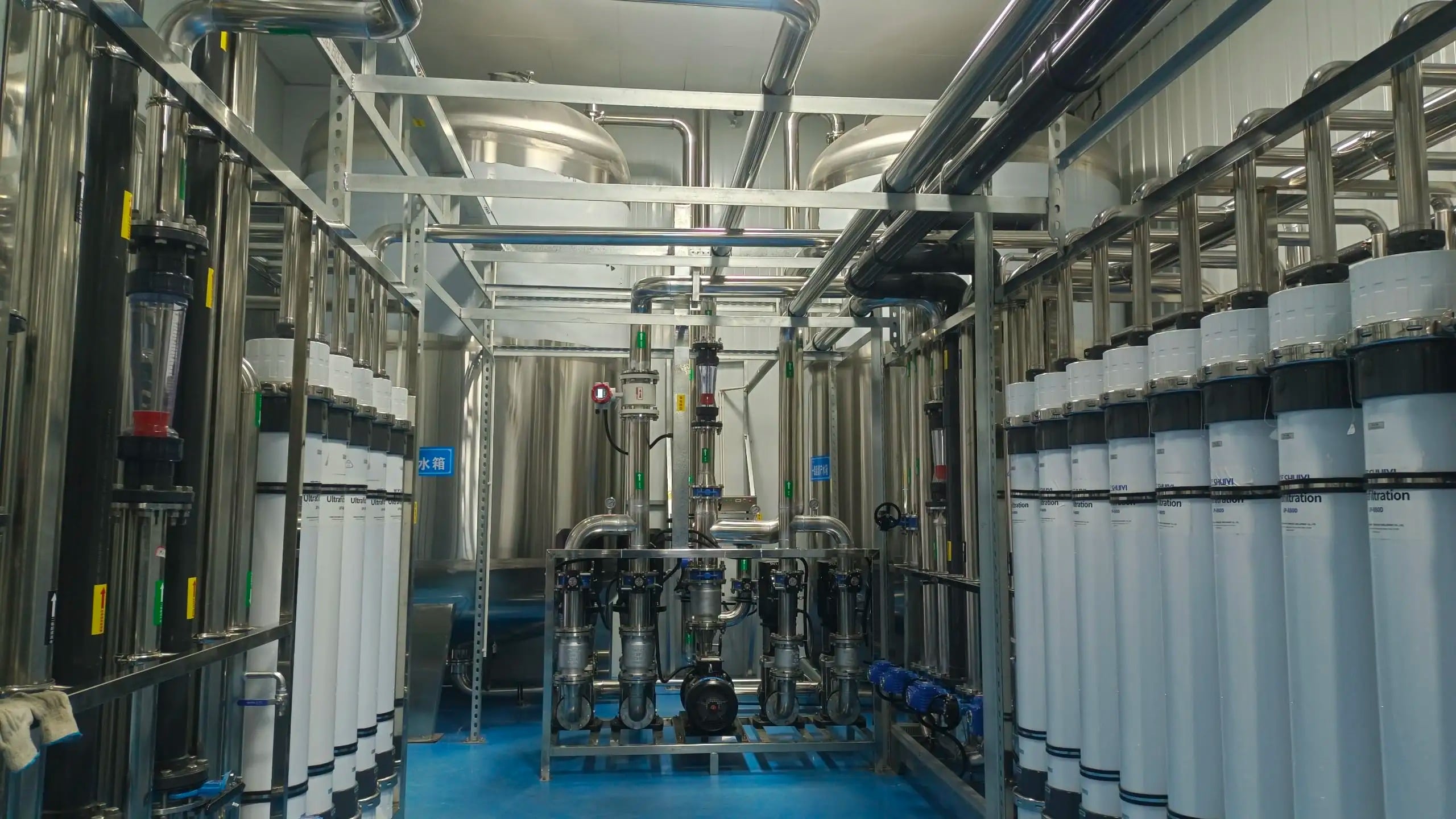
Reverse osmosis systems require clean water to operate efficiently and achieve long membrane lifespan. Raw water often contains suspended solids, colloids, and organic matter that can damage RO membranes, reduce flux, and increase operational costs. This is where an ultrafiltration membrane system becomes essential as pretreatment. Understanding when and why to deploy UF before RO can mean the difference between system failure and reliable water production for years.
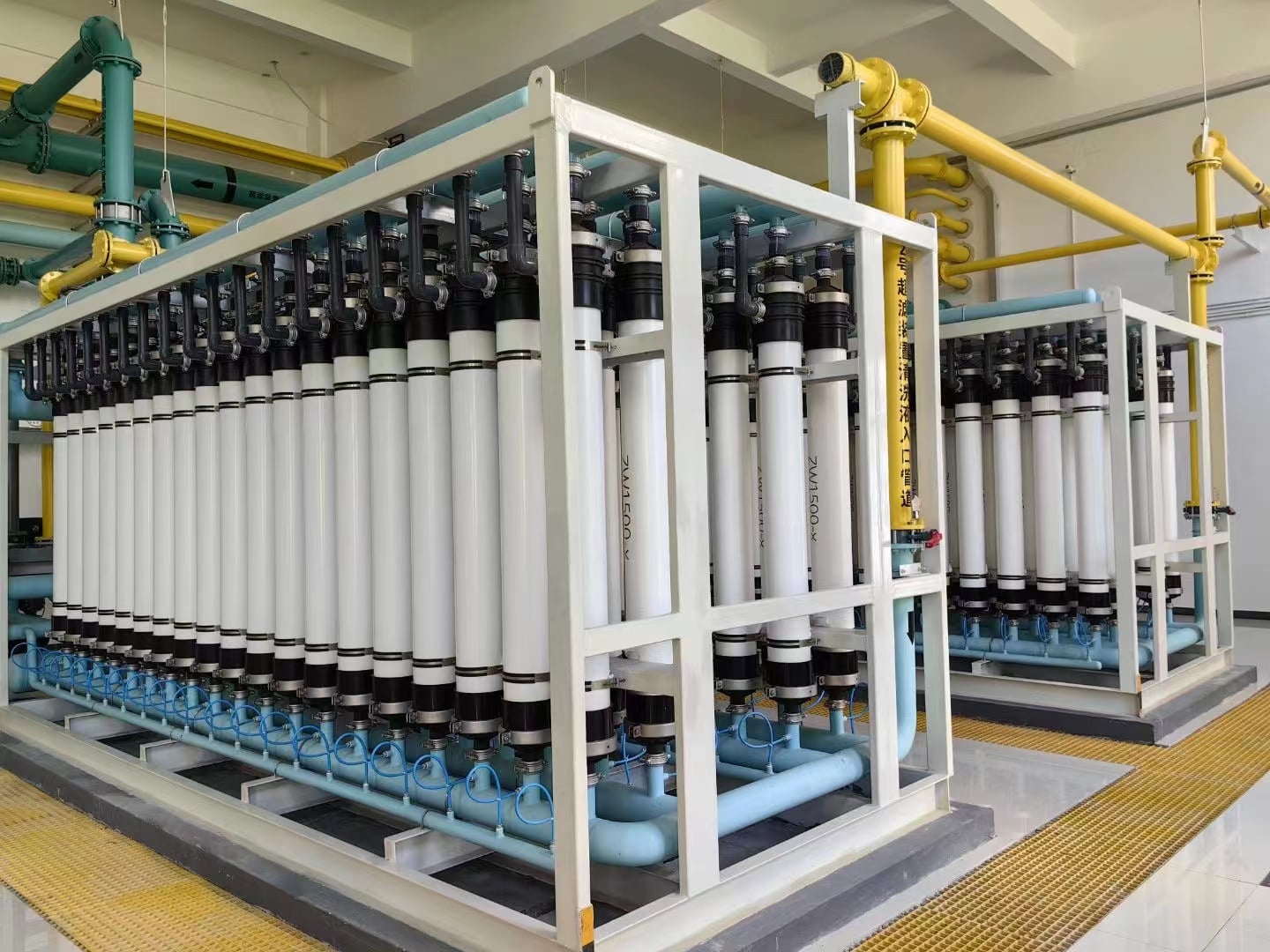
The decision to integrate UF pretreatment is not always obvious. Some water sources require minimal treatment, while others demand aggressive polishing before RO can function safely. This article explores the practical indicators that signal when UF pretreatment is necessary, how it protects RO systems, and the specific water quality triggers that justify the capital and operational investment in an ultrafiltration membrane system.
Understanding Raw Water Quality and RO Vulnerability
Why Raw Water Quality Determines Pretreatment Needs
RO membranes are sensitive to particulate matter, turbidity, and organic fouling. Suspended solids, bacteria, and colloidal particles can accumulate on the membrane surface, creating a cake layer that restricts water passage and increases pressure. When SDI measurements exceed safe limits, the risk of rapid membrane degradation rises sharply. An ultrafiltration membrane system removes particles as small as 0.01 to 0.1 microns, effectively eliminating threats that conventional media filtration cannot address.
Silt Density Index and Pretreatment Decision Points
SDI is the industry standard measure of feed water fouling potential. RO systems typically require SDI values below 3 to 5 for safe operation. When raw water SDI exceeds 5, conventional carbon and sand filtration often fail to bring levels into the acceptable range. UF as pretreatment can reduce SDI to 1 or below, creating a buffer that protects RO membranes from fouling and extends their useful life. This is the primary technical trigger for deploying an ultrafiltration membrane system ahead of RO.
When to Deploy UF as RO Pretreatment
High-Turbidity and Surface Water Sources
Surface water from rivers, lakes, and reservoirs naturally contains suspended solids, algae, and organic matter. These sources typically exhibit SDI values between 5 and 15, far exceeding RO safety thresholds. Applying an ultrafiltration membrane system as primary pretreatment removes 99.9 percent of particles and microorganisms before water reaches RO. Industrial facilities, municipal water systems, and agricultural operations relying on surface water should evaluate UF pretreatment as non-negotiable for RO protection.
Industrial Wastewater Reuse and Recycling Applications
Reusing process wastewater through RO demands aggressive pretreatment. Industrial effluent contains suspended matter, oils, grease, and solids that conventional settling and media filtration cannot fully remove. An ultrafiltration membrane system excels in these scenarios, delivering permeate clean enough for RO while preventing membrane fouling and reducing maintenance downtime. UF pretreatment is particularly critical when wastewater will be recycled into sensitive processes like cooling systems or product formulation.
Seasonal Quality Fluctuations and Operational Reliability
Water sources often experience seasonal changes in turbidity and contamination. During heavy rainfall, runoff, or agricultural seasons, SDI can spike temporarily. Rather than operating RO at risk during these periods, deploying an ultrafiltration membrane system provides consistent protection year-round. This approach ensures operational continuity, reduces unplanned shutdowns, and protects the long-term investment in RO equipment.
Technical Benefits and Operational Impact
Membrane Lifespan Extension and Cost Reduction
RO membranes typically last three to five years under ideal conditions. Fouling and premature degradation can reduce this to one or two years, multiplying replacement costs and operational disruption. An ultrafiltration membrane system dramatically improves permeate quality going into RO, reducing membrane stress and cleaning frequency. The capital cost of UF pretreatment is quickly offset by extended RO membrane life, lower chemical cleaning requirements, and reduced unplanned downtime.
Pressure and Energy Efficiency Optimization
Fouled RO membranes require higher operating pressure to maintain production rates. This increases energy consumption, boosts operating costs, and accelerates membrane degradation. An ultrafiltration membrane system keeps feed water clean, allowing RO to operate at design pressure with lower energy intensity. Facilities report 15 to 30 percent reductions in energy consumption when UF pretreatment prevents RO fouling, translating to significant savings over the system lifetime.
Simplified Maintenance and Reduced Chemical Demand
Clean feed water reduces the frequency and intensity of RO chemical cleaning cycles. An ultrafiltration membrane system requires periodic backflushing and occasional chemical cleaning itself, but the total maintenance burden is lower than operating fouled RO membranes. Staff spend less time on emergency maintenance and more time on planned preventive actions. This operational predictability is invaluable in industrial and municipal water treatment environments.
Decision Criteria for UF Pretreatment Implementation
Water Source Assessment and SDI Testing
The first step in deciding whether to deploy UF pretreatment is conducting SDI and turbidity testing on raw water. If SDI consistently exceeds 3, an ultrafiltration membrane system should be strongly considered. Additionally, microscopic analysis and particle counting provide insight into the particle size distribution and organic content. Sources with high colloidal or organic contamination benefit significantly from UF removal efficiency before RO.
Production Volume and System Footprint Constraints
UF systems require physical space and capital investment. Facilities with limited space may pursue aggressive conventional pretreatment instead of UF pretreatment. However, modern compact ultrafiltration membrane system designs deliver high flux in smaller footprints, making UF more accessible for space-constrained installations. The decision ultimately depends on comparing the cost and space of UF against the risk and cost of operating unprotected RO.
Water Quality Goals and Discharge or Reuse Requirements
Applications requiring high-purity water, such as semiconductor manufacturing or pharmaceutical production, almost always benefit from UF pretreatment. Similarly, operations recycling water into sensitive processes demand the particle and microbial removal that an ultrafiltration membrane system provides. Regulatory requirements for contaminant removal often make UF pretreatment a compliance necessity rather than an option.
FAQ
What is the primary difference between UF pretreatment and media filtration before RO?
Media filtration removes particles larger than 20 to 50 microns but struggles with colloids, fine suspended solids, and certain organic compounds. An ultrafiltration membrane system removes particles as small as 0.01 to 0.1 microns, achieving SDI reduction that media filtration cannot reach. UF also provides stronger microbial barrier protection, making it superior pretreatment when feed water quality is poor or inconsistent.
At what SDI level does UF pretreatment become economically justified?
When raw water SDI exceeds 5, conventional pretreatment often cannot bring it below the RO safe operating range of 3 or lower. An ultrafiltration membrane system deployment becomes economically justified because the alternative—frequent RO membrane replacement and emergency maintenance—exceeds the cost of UF pretreatment. For SDI between 3 and 5, a pilot study or detailed cost-benefit analysis helps determine if UF is warranted.
Can an ultrafiltration membrane system eliminate the need for other pretreatment?
UF provides excellent particle and microbial removal but does not address dissolved contaminants, hardness, or chlorine. Most industrial pretreatment trains combine UF with media filtration, carbon adsorption, or chemical softening depending on specific feed water characteristics. An ultrafiltration membrane system is typically the final polishing step before RO, working alongside other pretreatment technologies rather than replacing them entirely.

 EN