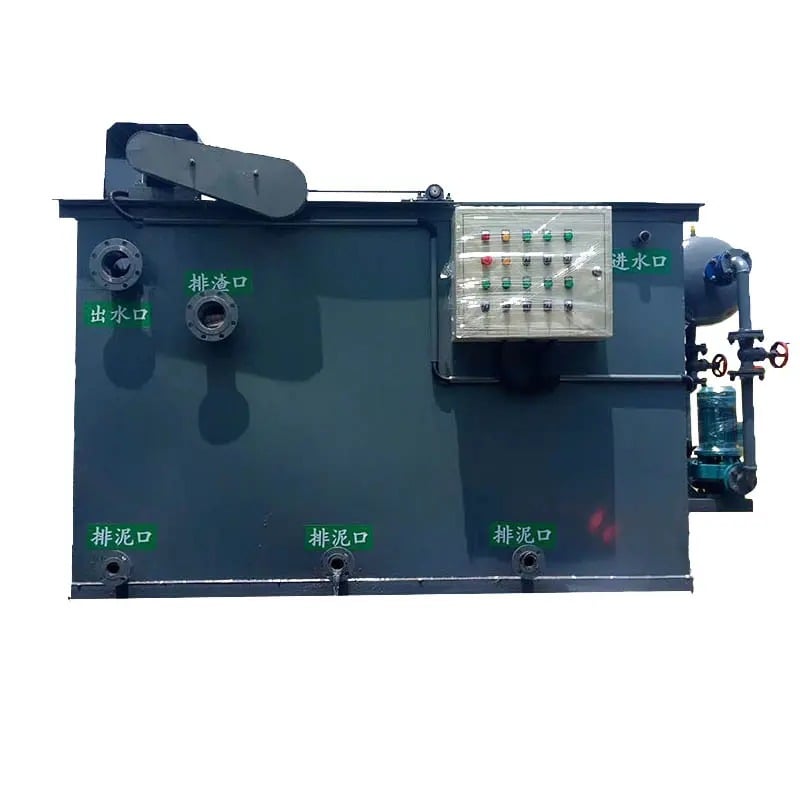
Dairy processing facilities generate significant volumes of wastewater rich in fats, proteins, and suspended solids. Managing this effluent effectively is critical for regulatory compliance and operational efficiency. Dissolved air flotation, commonly called DAF, has emerged as a powerful treatment method for specific stages of dairy wastewater treatment. Understanding when DAF delivers maximum value helps facility managers make informed decisions about treatment system design and upgrade priorities.
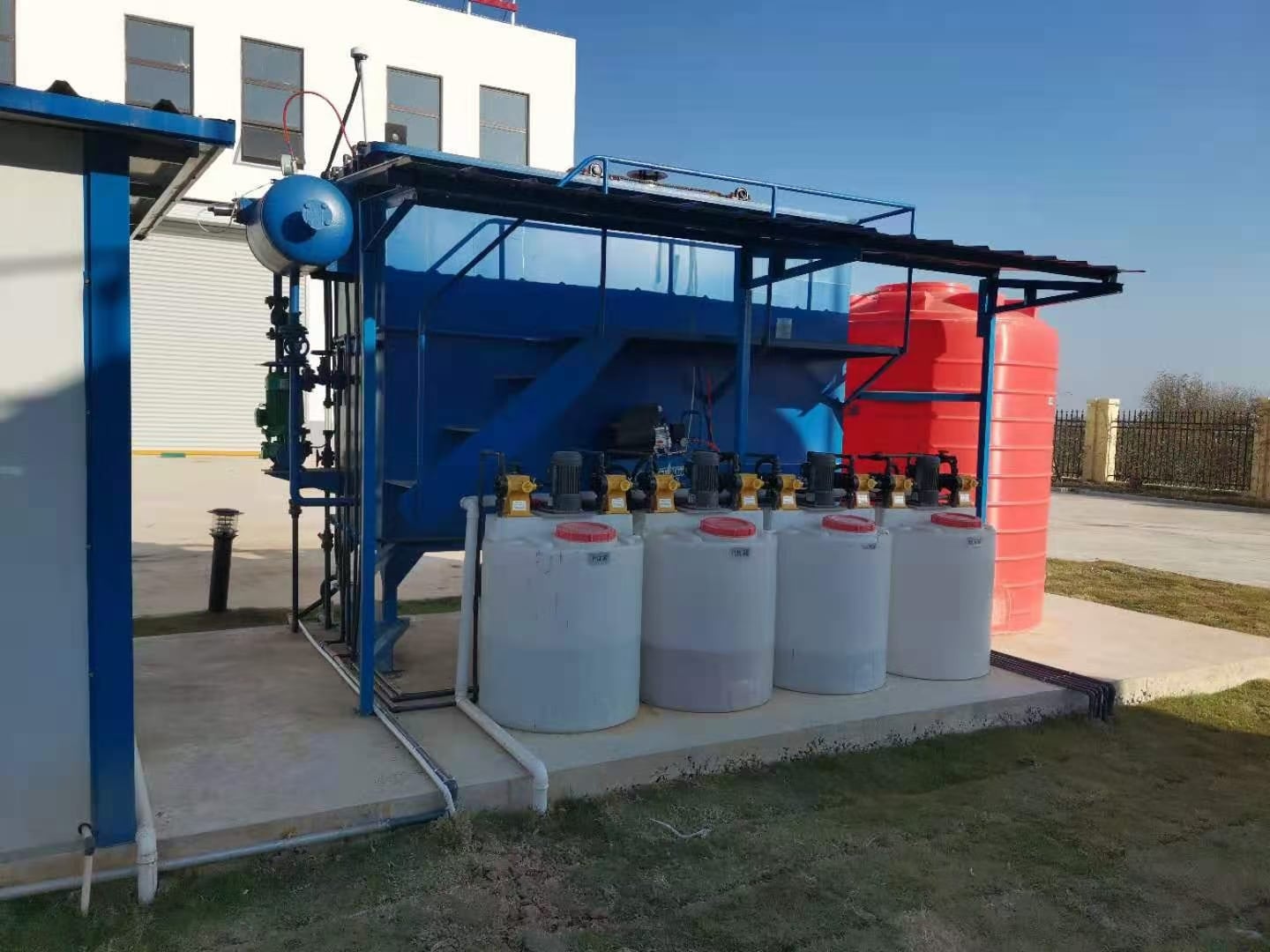
DAF technology works by injecting microscopic air bubbles into wastewater under pressure, causing fat particles and suspended solids to rise rapidly to the surface where they form a removable sludge layer. This flotation principle proves particularly effective in dairy operations where dairy wastewater treatment requires reliable separation of oil and grease from process water before secondary biological treatment.
Primary Treatment Stages Where DAF Excels
Immediate Post-Processing Separation
In dairy facilities, wastewater from milk separation, cheese making, and cleaning operations contains high fat concentrations that can overwhelm conventional settling tanks. DAF becomes essential in these primary treatment phases because fat particles remain suspended longer than heavy mineral solids. The technology captures 60 to 85 percent of fat within minutes, preventing fat accumulation in downstream treatment units. Removing fat at this early stage protects biological reactors and clarifiers from fouling and operational upset.
Cheese Whey Processing
Cheese whey presents one of the most challenging dairy wastewater streams due to its high fat, lactose, and protein content. When DAF is deployed specifically for whey treatment, it removes coagulated fat and precipitation products effectively. This intermediate dairy step prevents overloading activated sludge systems with oils that would otherwise accumulate as foam. Facilities processing multiple cheese varieties benefit particularly from DAF because each production run generates slightly different fat profiles that flotation handles smoothly.
Solid Content Management and Sludge Quality
Suspended Solids Reduction
Dairy wastewater contains casein particles, milk protein precipitates, and inert solids from cleaning procedures. DAF removes 70 to 90 percent of these suspended solids when properly configured with adequate polymer dosing. This solids removal creates cleaner supernatant that flows to secondary biological treatment with reduced oxygen demand shock. The technology performs especially well when solids are hydrophobic or have been chemically coagulated, since hydrophobic particles attach readily to air bubbles.
Sludge Characteristics and Disposal
The sludge produced by DAF in dairy applications is thicker and more concentrated than clarifier sludge, typically reaching 3 to 6 percent solids content. This concentrated sludge reduces downstream dewatering load and lowers disposal costs. Facilities can recover or burn this recovered fat for energy, creating additional economic benefit. The quality of recovered fat from dairy DAF units proves superior to clarifier scrapings because flotation concentrates fat while minimizing protein and water carryover.
Operational Conditions Favoring DAF Implementation
Variable and Intermittent Loading
Dairy processing operates in batches rather than continuous steady-state flow. Cheese production, milk pasteurization, and cleaning cycles generate wastewater surges followed by lower-flow periods. DAF handles these fluctuations better than conventional settling tanks because flotation speed remains consistent across a wider flow range. When loading spikes occur during peak production, DAF maintains separation efficiency without the upset conditions that cause overflow or poor clarification in gravity-based systems.
Temperature and Fat Viscosity Challenges
Wastewater from hot-water cleaning and milk heating operations arrives at treatment systems with elevated temperature, keeping fat in liquid or semi-liquid state. Under these conditions, conventional gravity settling fails because fat remains dispersed and buoyant. DAF excels precisely because microbubble injection provides positive flotation force regardless of fat viscosity or temperature. Facilities with hot wastewater streams find DAF particularly cost-effective compared to cooling infrastructure or extended retention in primary clarifiers.
When DAF May Not Be the Primary Solution
Very Low Fat Concentrations
In some specialty dairy operations or during production periods with minimal fat generation, DAF becomes an oversized investment. If wastewater contains less than 200 to 300 milligrams per liter of fat and suspended solids, conventional screening or settling may suffice. DAF's capital cost and operational complexity justify implementation primarily when fat removal exceeds 50 percent of the total treatment objective. Managers should evaluate production profiles before committing to full-scale DAF systems.
Integration with Anaerobic Systems
Some modern dairy facilities employ anaerobic digesters to recover biogas energy from processing waste. In these systems, recovering fat separately via DAF competes with biogas potential. Evaluating whether fat recovery or biogas generation delivers greater economic value requires site-specific analysis. Hybrid approaches combining partial DAF with direct anaerobic feeding are gaining adoption in larger dairy operations seeking maximum energy recovery.
FAQ
What fat removal efficiency should dairy facilities expect from DAF technology?
Properly operated DAF systems remove 70 to 85 percent of fat in dairy wastewater, with removal rates depending on polymer dosing, air pressure, retention time, and incoming fat concentration. Removal of suspended solids reaches 75 to 90 percent under optimized conditions. These efficiency levels make DAF effective as a primary treatment step before biological processing.
How does temperature affect DAF performance in dairy applications?
Higher wastewater temperatures actually improve DAF performance because warm fat remains dispersed and buoyant rather than settling as heavy deposits. Temperatures from 35 to 50 degrees Celsius enhance flotation without requiring cooling. At temperatures below 15 degrees Celsius, fat begins to solidify and settling behavior changes, requiring chemical adjustment or heating considerations.
Can DAF replace all primary clarification in a dairy treatment plant?
DAF performs excellently for fat and suspended solids removal but does not eliminate the need for screening or grit removal upstream. Combining DAF with screening, grit removal, and equalization creates a robust primary treatment stage. In many modern dairy facilities, DAF functions as the primary clarification method after these preparatory steps, replacing or supplementing conventional clarifiers.

 EN