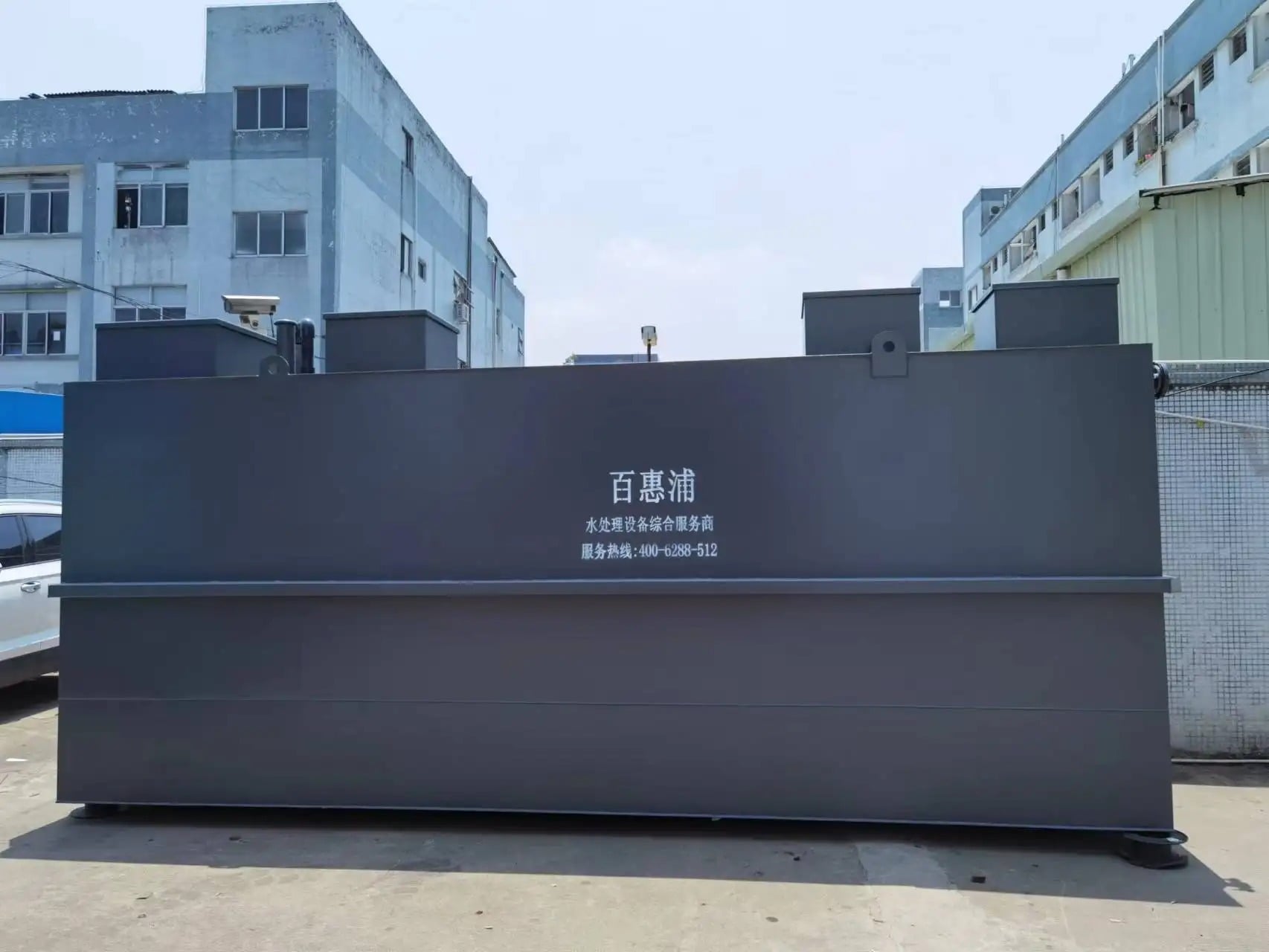
Operating an aerobic wastewater treatment system requires vigilant attention to multiple critical parameters. Process upsets—sudden failures in treatment efficiency, effluent quality degradation, or biomass washout—can lead to regulatory violations, equipment damage, and substantial operational costs. Understanding what to monitor and why is essential for facility operators and environmental engineers managing industrial or municipal wastewater treatment. This article identifies the key indicators that signal system health and reveals the monitoring strategy required to maintain stable, compliant operations.
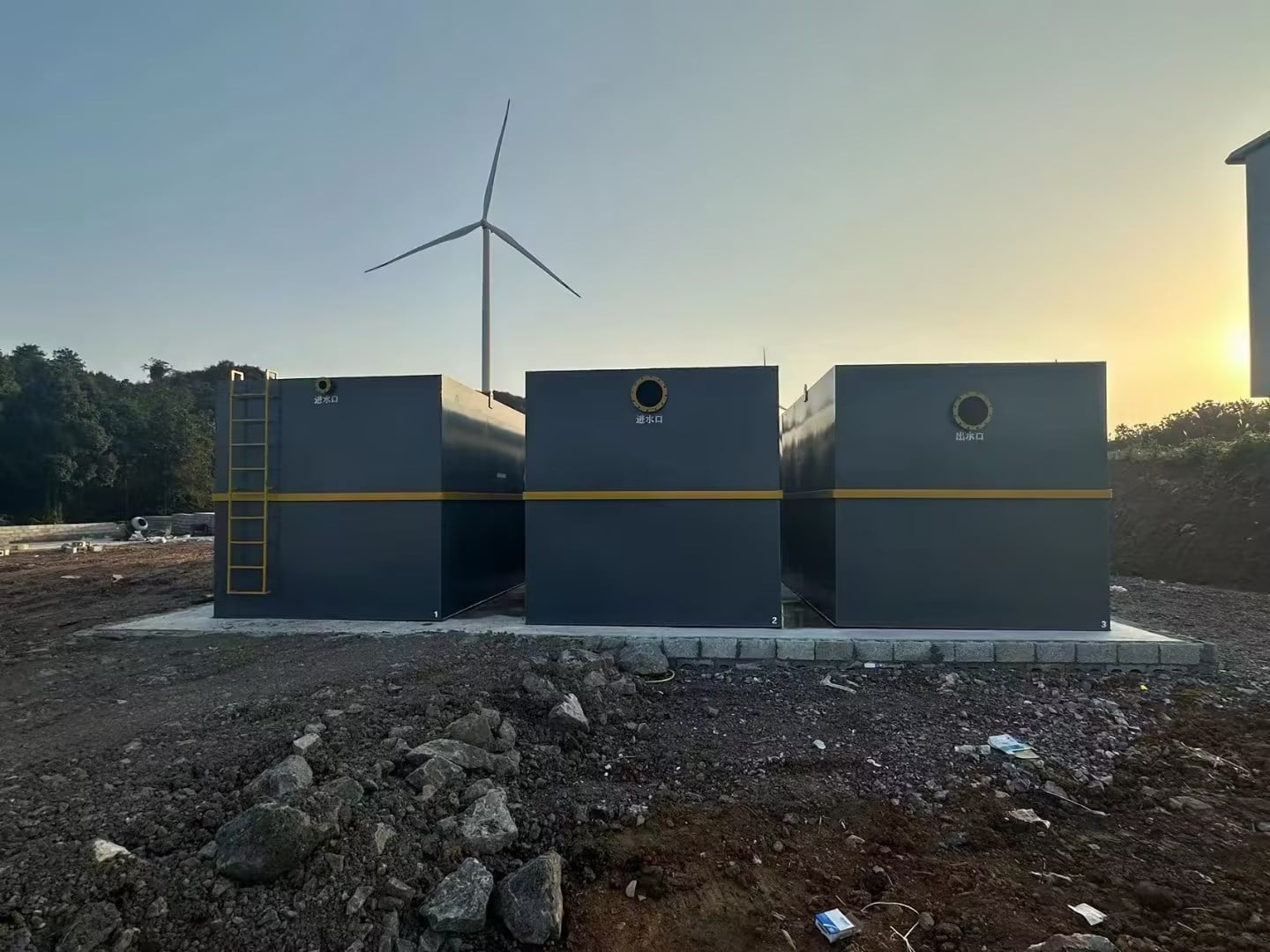
An aerobic wastewater treatment system depends on the balance between organic loading, oxygen supply, and active biomass concentration. When any parameter drifts outside its optimal range, the biological treatment process can fail rapidly. Operators who implement consistent, real-time monitoring protocols prevent upsets before they occur. The following sections outline the essential parameters that demand your attention and explain how each one reflects the system's operational state.
Dissolved Oxygen and Aeration Control
Why DO Levels Matter
Dissolved oxygen (DO) is the foundation of aerobic treatment. Microorganisms require dissolved oxygen to oxidize organic matter and nitrogen compounds. In an aerobic wastewater treatment system, DO concentration directly controls the rate of biological degradation. Low DO starves the biomass and forces the system into anaerobic conditions, producing odorous gases, reducing treatment efficiency, and potentially causing equipment corrosion. Conversely, excessive aeration wastes energy and raises operational costs without improving treatment. Most treatment systems operate optimally at DO levels between 2 and 4 milligrams per liter, depending on the specific process design.
DO Monitoring Strategy
Install real-time DO probes in the main aeration basin and monitor readings continuously. DO should be logged at least hourly to detect trends and respond to fluctuations promptly. When DO drifts below 1.5 mg/L, increase aeration capacity immediately by raising blower speed or opening more diffusers. If DO exceeds 5 mg/L consistently, reduce aeration to conserve energy. Calibrate DO sensors weekly to ensure accuracy. Daily operator rounds should include visual inspection of aeration basins—proper surface agitation and color consistency indicate stable DO control. DO upset often precedes other problems, making it the earliest warning signal for system stress.
Chemical Oxygen Demand and Organic Loading
Understanding COD as a Loading Indicator
Chemical oxygen demand (COD) measures the total organic carbon in the incoming wastewater. Monitoring COD in the influent and effluent tells you whether the aerobic wastewater treatment system is adequately degrading organic compounds. High influent COD coupled with elevated effluent COD signals that the biological treatment capacity is overwhelmed. This overload can trigger sludge bulking, washout, or foam formation. COD removal efficiency—calculated as (influent COD minus effluent COD) divided by influent COD, expressed as a percentage—typically ranges from 80 to 95% in well-operated systems. Drops below 75% indicate process deterioration and demand immediate investigation.
COD Management and Response
Conduct COD analysis on both influent and effluent samples at least twice weekly, or more frequently if incoming wastewater composition varies. Plot COD trends on a control chart to identify gradual shifts. If influent COD increases significantly, assess whether incoming waste characteristics have changed or if a process upset occurred upstream. If effluent COD rises while influent COD remains stable, the aerobic wastewater treatment system's biomass may be depleted or the SRT too short. Increase the sludge retention time by reducing sludge withdrawal. Conversely, if COD removal improves, it may indicate a more favorable influent composition or improved operational conditions. Real-time COD monitoring systems using UV-Vis spectroscopy provide immediate feedback and help operators stay ahead of process upsets.
Sludge Monitoring and Biomass Management
Sludge Concentration and Settling
Mixed liquor suspended solids (MLSS) concentration—the amount of active biomass in the aeration basin—directly affects treatment capacity. An aerobic wastewater treatment system with insufficient sludge cannot process incoming organic matter, while excessive sludge creates settling problems and increases oxygen demand. Target MLSS concentrations typically range from 2,000 to 3,500 mg/L for conventional activated sludge systems. Measure MLSS daily using simple fixed-time settling tests or continuous online instrumentation. Sludge volume index (SVI), calculated as the settled sludge volume (in milliliters) divided by MLSS concentration (in grams per liter), predicts settling behavior. SVI below 100 indicates good settling; values above 150 suggest filamentous bulking, a common upset symptom that requires corrective action.
Sludge Age and Retention Control
Solids retention time (SRT)—the average age of sludge in the system—controls which microorganisms dominate the biomass. A shorter SRT favors fast-growing heterotrophs and suppresses filamentous organisms, reducing bulking risk. A longer SRT encourages nitrifying bacteria, important for nitrogen removal in aerobic wastewater treatment systems. Most conventional systems operate at SRT values between 5 and 12 days. Calculate SRT by dividing total biomass in the system by daily sludge withdrawal plus effluent solids loss. If SVI rises above 150 or sludge settles poorly, reduce sRT by increasing sludge withdrawal to suppress filamentous growth. Monitor sludge appearance daily—brown, granular sludge indicates healthy conditions, while pale or fluffy sludge signals trouble. If DO remains adequate and organic loading is reasonable but sludge still bulks, suspect a toxicant or a specific microbe overgrowth requiring operational adjustment.
Additional Critical Parameters
Nutrient Balance and pH
Microorganisms require nitrogen and phosphorus in specific ratios to the carbon they consume. An aerobic wastewater treatment system should maintain a COD-to-nitrogen ratio near 10:1 and COD-to-phosphorus near 100:1. Nutrient deficiency slows treatment; excess nutrients pass through the effluent, risking environmental impact. Monitor influent and effluent total nitrogen and phosphorus weekly. pH must stay between 6.5 and 8.0 to maintain microbial activity. Daily pH measurement helps identify caustic or acidic upsets. If pH drifts, the wastewater composition may have changed or a process reaction is occurring.
Temperature and Filament Indicators
Temperature affects microbial metabolism and aeration efficiency. Cold wastewater (below 10°C) slows treatment and increases oxygen demand; warm wastewater (above 35°C) may inhibit nitrifiers. Monitor temperature daily. Microscopic examination of sludge samples weekly or biweekly reveals filamentous organisms like Nocardia or Microthrix, which cause bulking. Early detection through microscopy allows corrective dosing with biocides or operational changes before a full upset occurs. An aerobic wastewater treatment system's robustness depends on this combination of bulk parameters and microscopic insights.
FAQ
How often should I calibrate DO probes in my aerobic wastewater treatment system?
Calibrate DO probes weekly using two-point calibration (zero and span in air or standard solutions). More frequent calibration—twice weekly in high-fouling environments—improves reliability. Drift in DO readings can trigger false alarms or allow silent process deterioration, so invest in regular probe maintenance and replacement every 12–18 months.
What COD removal efficiency indicates a healthy aerobic wastewater treatment system?
Healthy systems typically achieve 80–95% COD removal. Removal below 75% signals process upset or inadequate treatment capacity. If removal drops suddenly, check DO, sludge age, and influent toxicity. Gradual decline suggests incremental process changes requiring adjustment to operating parameters.
Can high MLSS in my sludge cause settling problems even in an aerobic wastewater treatment system?
Yes, excessive sludge concentration increases viscosity, slows settling, and elevates oxygen demand beyond aeration capacity. If MLSS exceeds 4,500 mg/L, increase sludge withdrawal to lower concentration. Measure SVI and monitor settling performance to optimize biomass concentration.

 EN