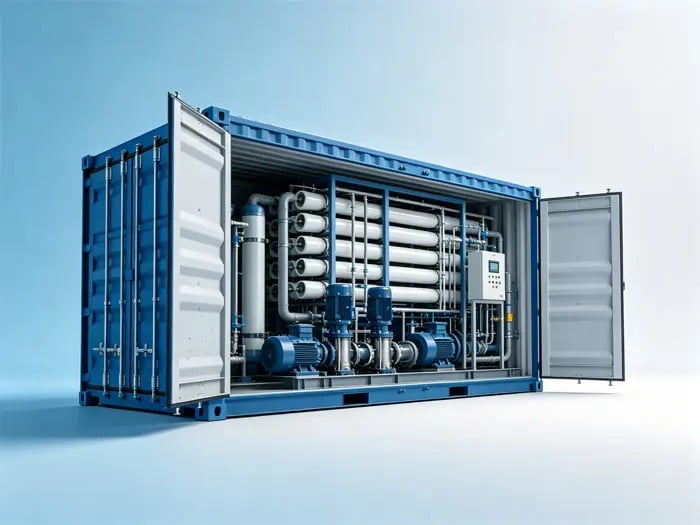
A packaged sewage treatment system represents a comprehensive, self-contained wastewater solution designed for facilities that need reliable, efficient treatment without complex infrastructure. These integrated units combine multiple treatment stages into a compact platform, making them ideal for industrial parks, commercial complexes, and municipal applications. Understanding which spare parts matter most for these systems is crucial for operators who want to maintain consistent performance, minimize unexpected downtime, and protect their wastewater treatment investment long term.
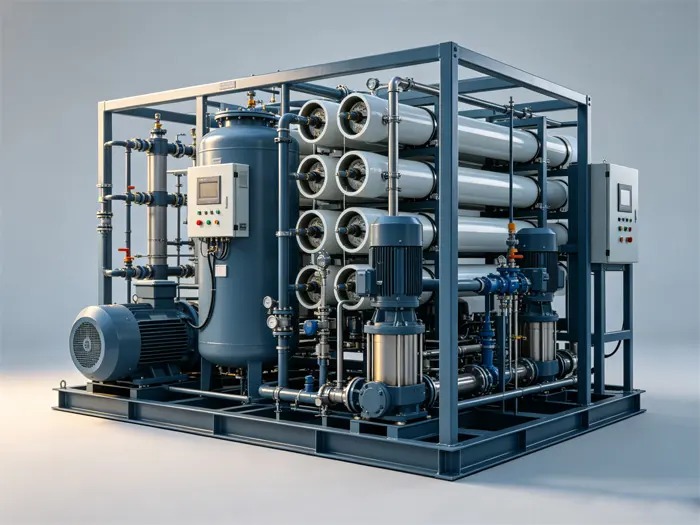
Operating a packaged sewage treatment system requires strategic attention to maintenance and component replacement. The most critical spare parts fall into several categories: pumping systems, automated controls, treatment media, and structural components. Each category serves a distinct function in the overall treatment process, and failure in any one area can disrupt the entire operation. This guide explores the spare parts that truly matter for your system's reliability and longevity.
Pumps as the Backbone of Wastewater Movement
Importance of Quality Pumps in System Performance
Pumps are among the most vital spare parts for any packaged sewage treatment system. They drive wastewater through each treatment stage, from initial screening through biological processing and final clarification. Without functional pumps, the entire system cannot operate, making pump replacement one of the most urgent maintenance decisions operators face. Quality pumps rated for the specific fluid conditions within your system prevent leaks, cavitation damage, and premature wear.
Different treatment stages require different pump types. Intake pumps move raw influent into the system, while recirculation pumps return activated sludge to the aeration basin. Effluent pumps discharge treated water to the final outlet. Each pump experiences unique pressure conditions, temperature ranges, and solids content within the packaged sewage treatment system. Stocking the correct replacement pumps ensures you can restore function quickly without compatibility issues or installation delays.
Pump Selection and Spare Parts Strategy
Your spare parts inventory should include at least one backup pump for each critical stage. Many operators maintain redundant pumps for aeration and recirculation, since these components experience the highest cycling frequency in a packaged sewage treatment system. Submersible pumps, rotary lobe pumps, and centrifugal pumps each have different maintenance intervals and wear patterns. Understanding your system's pump specifications allows you to order the exact replacement before failure occurs, rather than rushing emergency purchases at inflated costs.
Controls and Automation Systems That Keep Operations Smooth
Role of Automated Controls in Treatment Efficiency
Modern packaged sewage treatment systems rely on sophisticated controls to maintain optimal dissolved oxygen levels, sludge retention times, and effluent quality. These automated controls monitor sensors throughout the system and adjust pumping rates, aeration intensity, and chemical dosing in real time. When controls fail, operators lose the ability to fine-tune treatment performance, often resulting in permit violations or poor effluent quality. As critical spare parts, control modules and sensors deserve prominent space in your maintenance inventory.
Programmable logic controllers (PLCs), variable frequency drives (VFDs), and level sensors represent the nerve center of a packaged sewage treatment system. These controls integrate sensor data and execute pre-programmed logic to manage flows and treatment chemistry. A failed sensor can cause the system to misallocate flow or miss treatment targets. A malfunctioning VFD may force pumps to run at fixed speeds, wasting energy and reducing treatment flexibility. Spare controls spare parts ensure you can restore precision operation within hours rather than days.
Sensor Maintenance and Preventive Replacement
Dissolved oxygen sensors, pH probes, and turbidity sensors wear out predictably in the harsh environment of a packaged sewage treatment system. These spare parts typically have service lives of 12 to 24 months before accuracy drifts or calibration becomes impossible. Proactive replacement prevents the false readings that lead operators to over-aerate or under-treat. Maintaining a rotation schedule for critical sensors keeps your packaged sewage treatment system operating within design parameters and regulatory compliance.
Treatment Media and Structural Components for System Integrity
Filter Media and Biological Treatment Elements
Many packaged sewage treatment systems include sand filters, membrane filters, or media contactors as polishing stages. The filter media and support elements are spare parts that require periodic replacement as they accumulate trapped solids and biological fouling. Sand filter beds typically last 3 to 5 years before requiring replacement, while membrane modules may need renewal every 5 to 7 years depending on feed water quality and operating stress. Scheduling these spare parts replacements during planned maintenance windows prevents emergency shutdowns and protects treatment performance.
The biological treatment zone in your packaged sewage treatment system relies on media or fixed films that provide surface area for beneficial bacteria. Some systems use attached growth media, others use suspended growth processes. Over time, media can degrade, break down, or become physically damaged. Carrying spare media allows operators to refresh treatment capacity without waiting for external supply chains. In cold climates or high-shock loading conditions, media replacement becomes more frequent, making spare parts planning essential.
Gaskets, Seals, and Structural Maintenance Items
Beyond major components, a packaged sewage treatment system depends on hundreds of gaskets, seals, and fasteners that prevent leaks and maintain system integrity. Over time, elastomers degrade from exposure to UV light, temperature fluctuations, and harsh wastewater chemistry. Stress cracks, pinhole leaks, and slow seepage often go unnoticed until they become significant water loss. Maintaining an inventory of common gasket and seal sizes specific to your unit allows field technicians to address minor leaks before they cascade into larger failures. These spare parts cost little individually but prevent expensive downtime and environmental release.
Strategic Spare Parts Planning for Long-Term Reliability
Building a Maintenance-Focused Spare Parts Inventory
Effective spare parts management for your packaged sewage treatment system begins with understanding the original equipment specifications and typical wear intervals. Manufacturers typically provide guidance on which components need replacement at specific hours or years of operation. Working with your equipment supplier to develop a customized spare parts list ensures you stock the most critical items while avoiding unnecessary overstock. Many operators maintain two tiers of spare parts: critical items kept on-site for immediate replacement and secondary items ordered as needed.
Documenting all maintenance performed on your packaged sewage treatment system helps predict future spare parts needs. If you replace a pump after 18 months of operation, you know to schedule replacement for similar units at 15-month intervals before failure occurs. Maintaining this historical record also supports warranty claims and helps you justify budget requests to facility management. Over time, you develop institutional knowledge about which spare parts wear fastest in your specific operating conditions and climate.
FAQ
What are the most important spare parts to keep in stock for a packaged sewage treatment system?
The most critical spare parts include backup pumps for each treatment stage, replacement sensors and control modules, filter media for polishing stages, and common gaskets and seals. Prioritize items that cause complete system shutdown if they fail, such as primary circulation pumps or central control units. Consult your equipment manual to identify components with known wear patterns and order spares before they fail.
How often should I replace pumps and controls as spare parts in my packaged sewage treatment system?
Pump replacement intervals typically range from 2 to 5 years depending on pump type, operating hours, and wastewater composition. Controls and sensors may need replacement every 12 to 24 months for sensors or every 5 to 10 years for processor units. Your equipment manual provides specific guidance, and maintenance records help you identify when each component typically requires replacement in your operating environment.
Should I buy spare parts directly from the original equipment manufacturer or from third-party suppliers?
Original equipment manufacturer spare parts ensure compatibility and often include warranty support, but third-party alternatives may offer cost savings if they meet equivalent specifications. For critical components like pumps and controls, verify that any alternative spare part meets your packaged sewage treatment system's pressure ratings, flow requirements, and material compatibility. Always confirm mechanical fit and electrical specifications before purchasing non-OEM spare parts to avoid installation complications.

 EN