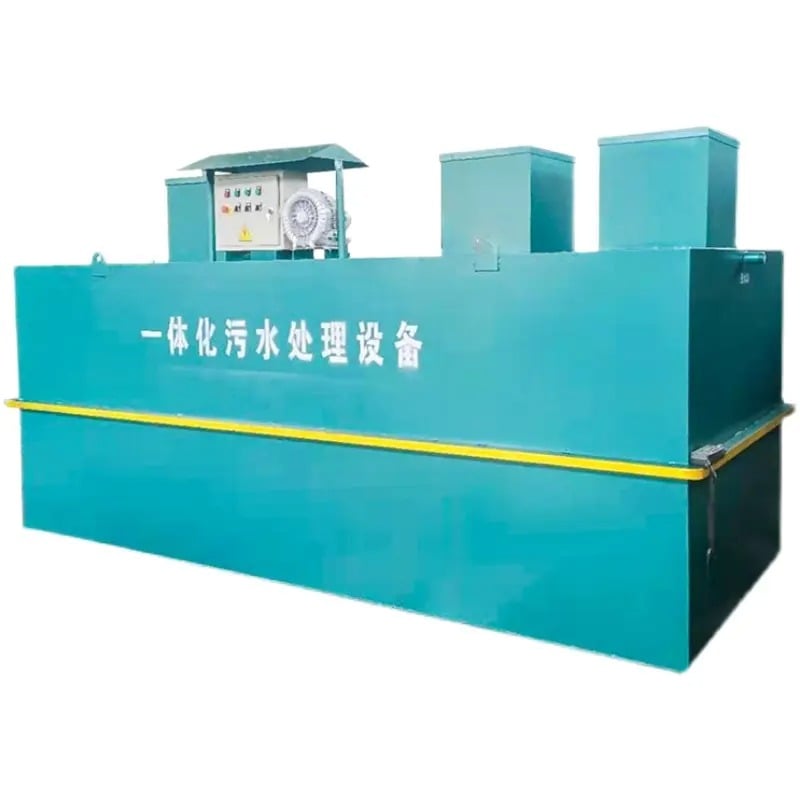
A successful startup of any pharmaceutical facility depends critically on a well-structured commissioning strategy. When deploying a pharmaceutical effluent treatment plant, the commissioning plan serves as the roadmap for transforming equipment and systems from static installations into fully operational, compliant, and efficient treatment assets. This document outlines every step, from initial hardware verification through regulatory sign-off, ensuring that your treatment infrastructure meets both internal standards and environmental regulations before processing the first drop of pharmaceutical wastewater.
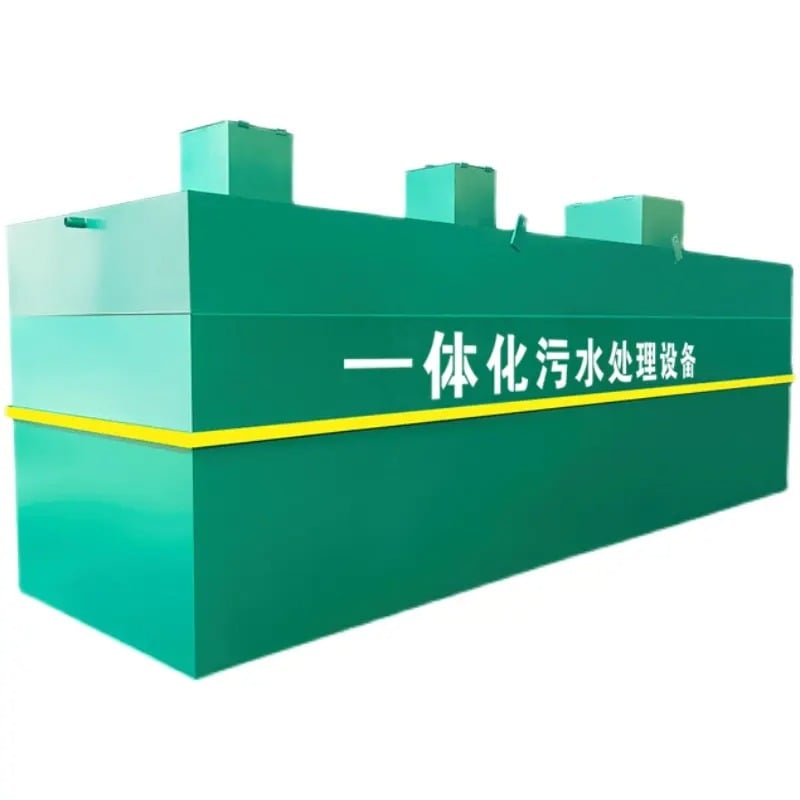
The pharma industry operates under strict regulatory frameworks that demand comprehensive documentation and validation at every stage. A robust commissioning plan protects your organization by establishing baseline performance criteria, validating process capabilities, and creating an auditable record of all critical activities. Without a clear commissioning roadmap, facilities risk equipment malfunction, regulatory non-compliance, operational delays, and costly rework during the critical startup window.
Planning and Pre-Commissioning Documentation
Defining Scope and Objectives
The commissioning plan must begin with precise definition of scope, including all equipment, control systems, and ancillary installations that fall within the pharmaceutical effluent treatment plant boundaries. Identify the specific treatment objectives—whether primary focus is on pharmaceutical residue removal, heavy metal precipitation, organic load reduction, or nutrient balance—because each objective influences testing protocols and acceptance criteria. Document the regulatory framework that governs your facility, including local environmental permits, industry-specific pharma guidelines, and any corporate standards that exceed baseline requirements. This foundational clarity ensures that commissioning activities directly support your operational mandate rather than following generic wastewater treatment procedures.
Assembling the Commissioning Team
Establish a cross-functional team including equipment vendors, pharma process engineers, environmental compliance specialists, and operations personnel who will manage the plant after handover. Assign clear roles: the commissioning manager oversees schedule and compliance; the pharma specialist ensures alignment with pharmaceutical wastewater characteristics; the testing engineer coordinates all testing activities; and the future operations team ensures that procedures will be maintainable post-startup. This team structure creates accountability, prevents communication gaps, and ensures that commissioning decisions reflect both technical capability and operational reality. Regular team meetings throughout commissioning maintain alignment and enable rapid problem-solving when deviations occur.
Equipment Verification, Installation and Initial Testing
Mechanical Completion and FAT Protocols
Before any testing begins, confirm that all mechanical components of the pharmaceutical effluent treatment plant are properly installed, aligned, and secured according to design specifications. Perform Factory Acceptance Testing (FAT) on critical subsystems such as pumps, aeration blowers, clarifiers, and filtration units while equipment is still at the manufacturer's facility or in a controlled environment. FAT documentation must record equipment serial numbers, calibration certificates, material certifications, and baseline performance under controlled conditions. This step identifies manufacturing defects early, when corrections are far less costly than discovering problems after installation at your pharmaceutical facility. Include pressure vessel inspections, electrical safety certifications, and control system hardware verification as mandatory FAT components.
Site Installation Verification and SAT
Once installed on-site, execute Site Acceptance Testing (SAT) to confirm that the pharmaceutical effluent treatment plant operates correctly within your facility environment. Verify utility connections—electrical supply stability, compressed air purity, water supply quality—because pharmaceutical operations demand tighter tolerances than generic industrial facilities. Test all instrumentation, sensors, and control logic in real-world conditions, including response to process upsets and sensor accuracy. SAT documentation provides the foundation for commissioning and represents the baseline from which all subsequent testing deviations are measured. Create checklists for each major equipment category to ensure systematic coverage and prevent inadvertent omissions.
Performance Testing, Pharma-Specific Validation and SOP Development
Effluent Quality Testing and Performance Validation
Commissioning of a pharmaceutical effluent treatment plant requires rigorous testing against pharmaceutical wastewater matrices, not just generic municipal wastewater. Develop and execute testing protocols using actual pharmaceutical process effluent or representative synthetic feeds that mimic the pharmaceutical compounds, pH ranges, and contaminant profiles your facility will encounter. Test performance across multiple operational scenarios: full design load, partial load, peak flows, and upset conditions such as sudden influent concentration spikes. Measure key parameters including Chemical Oxygen Demand (COD) removal, pharmaceutical residue destruction or removal efficiency, heavy metal precipitation, and effluent toxicity using appropriate pharma-validated analytical methods. Document all testing data, including raw analytical results, calculations, and variance analyses, to demonstrate that the pharmaceutical effluent treatment plant consistently meets discharge limits and internal quality targets.
SOP Development and Personnel Training
Commissioning must produce comprehensive Standard Operating Procedures (SOP) that cover startup sequences, normal operation, alarm response, maintenance tasks, and emergency shutdown for the pharmaceutical effluent treatment plant. Each SOP must be specific to your equipment configuration and pharmaceutical wastewater characteristics, not generic templates. The commissioning team should collaborate with permanent plant operators to ensure that SOPs reflect realistic operational workflows and include practical troubleshooting guidance. Conduct formal training sessions where operations personnel execute procedures under supervision, demonstrating competency before independent operation. Record training completion and maintain evidence of operator sign-off on all critical SOPs. This investment in clear, validated documentation prevents operational errors and ensures consistent performance throughout the pharmaceutical effluent treatment plant lifecycle.
Pharma Compliance Documentation and Testing Records
Pharmaceutical facilities require detailed commissioning records that satisfy both internal audit requirements and regulatory inspections. Maintain comprehensive logs documenting equipment installation, all testing activities, analytical results, deviations encountered and corrective actions taken, personnel qualifications, and final acceptance sign-offs. Include traceability matrices linking every test requirement to the original design specification and demonstrating closure. Prepare a formal Commissioning Report summarizing the pharmaceutical effluent treatment plant performance against all acceptance criteria, highlighting any areas requiring post-commissioning monitoring or planned improvements. This documentation serves as evidence that your facility conducts rigorous testing and validation appropriate to pharmaceutical industry standards, significantly reducing regulatory risk.
FAQ
What pharma-specific elements must commissioning testing address?
Commissioning testing must address pharmaceutical-specific challenges including active pharmaceutical ingredient (API) removal efficiency, stability of treatment processes across varying pharmaceutical formulations, bioaccumulation potential of residual compounds, and compliance with both general wastewater discharge limits and any industry-specific pharmaceutical effluent standards. Generic wastewater testing protocols may miss pharmaceutical residues that require specialized analytical methods.
How long should a typical pharmaceutical effluent treatment plant commissioning plan require?
Commissioning duration ranges from 8 to 16 weeks depending on pharma complexity, equipment scale, regulatory requirements, and weather conditions affecting system performance. A modular pharmaceutical effluent treatment plant may commission faster than a custom-built facility. Build contingency time into your schedule because commissioning often surfaces unexpected issues requiring investigation and resolution before final acceptance.
Which testing standards and certifications should the commissioning plan reference?
Commissioning plans should reference ISO 14644 standards for cleanroom-related wastewater, ICH guidelines for pharmaceutical waste characterization, ASTM methods for effluent testing, and local environmental discharge permits specific to your jurisdiction. Pharma SOPs must align with your facility's GMP protocols and quality management system requirements to ensure that treatment plant commissioning integrates seamlessly with broader pharmaceutical compliance obligations.

 EN