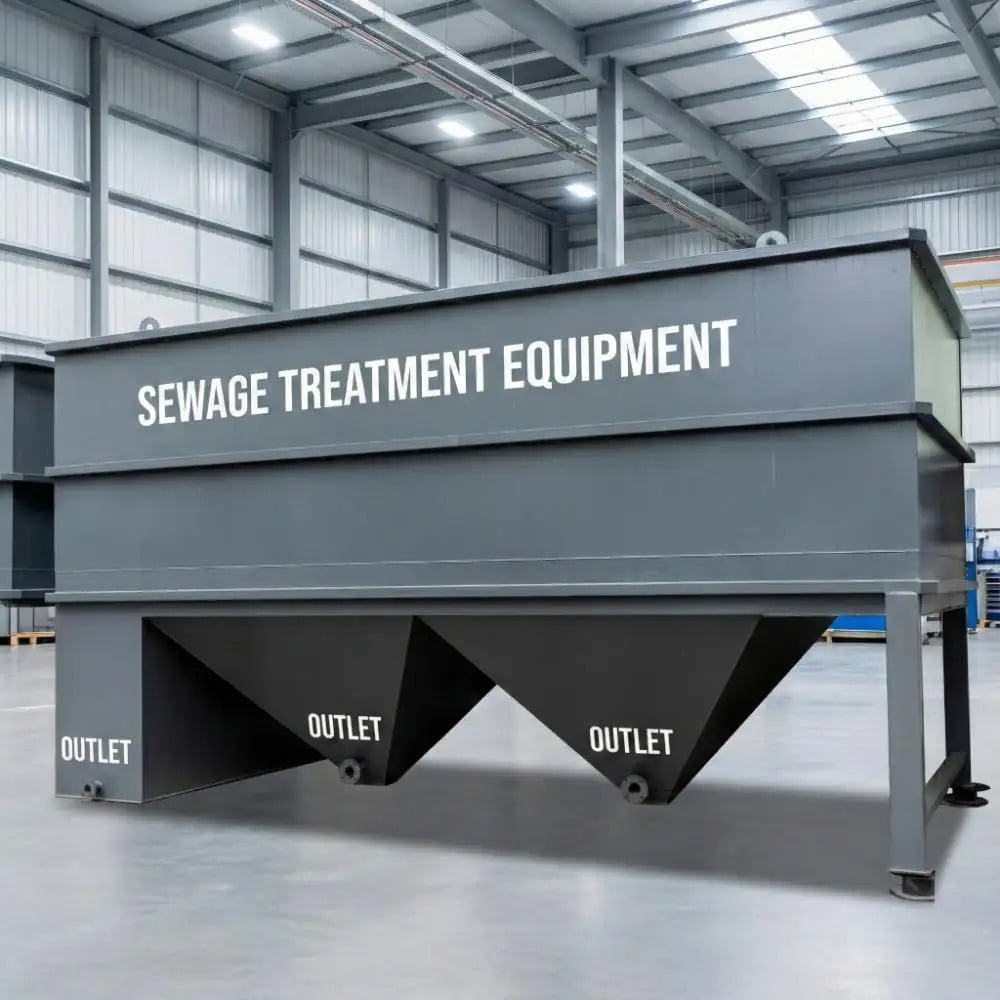
Obtaining an accurate wastewater treatment plant price requires far more than a simple online inquiry. Facility managers, project engineers, and environmental consultants must provide comprehensive technical and site-specific information to enable vendors to deliver meaningful cost estimates. Without proper data, price quotes become unreliable, timelines slip, and projects risk exceeding budgets.
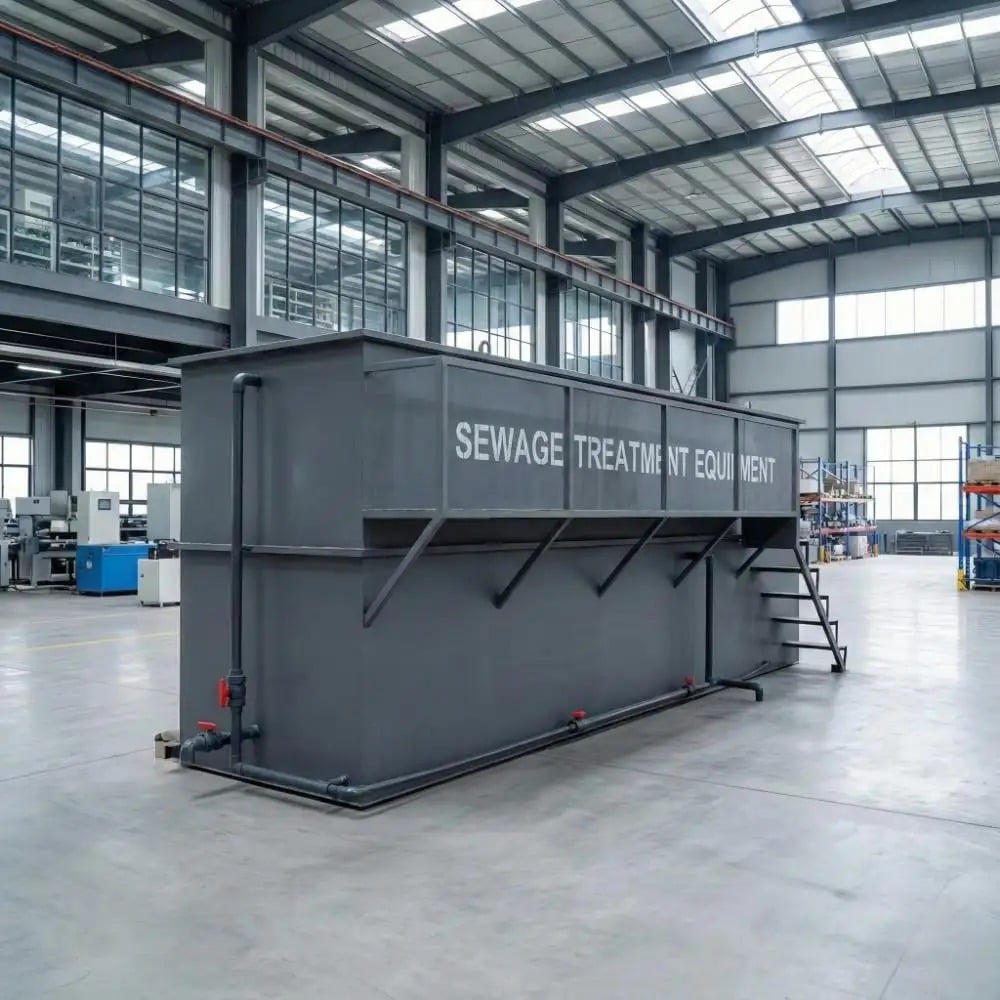
The estimation process hinges on understanding your specific treatment needs, operational constraints, and regulatory requirements. This article walks through the critical information categories that engineering firms and equipment suppliers need before quoting a project. By preparing this data upfront, you accelerate the estimation timeline and receive quotes that reflect actual project scope.
Flow Rate and Treatment Capacity
Establishing Design Flow Parameters
Flow is the foundational parameter for any wastewater treatment plant price calculation. Suppliers must know your average daily flow, peak hourly flow, and minimum flow conditions to size equipment correctly. Peak flow typically occurs during morning or evening hours and is often 2.5 to 3 times higher than average daily flow in municipal systems, while industrial sites may have different patterns.
Provide historical flow data if available, or project future flow based on population growth, industrial expansion, or production schedules. This flow data directly influences treatment tank dimensions, pump capacity, aeration systems, and solid handling processes. Underestimating flow leads to inadequate treatment; overestimating increases capital and operational costs unnecessarily.
Seasonal and Variability Considerations
Many facilities experience significant seasonal flow variations. Hospitality sites surge during tourist seasons, food processing plants fluctuate with harvest cycles, and agricultural operations show dramatic swings. Communicating these patterns helps vendors recommend flexible treatment configurations that maintain efficiency across changing conditions without downsizing or oversizing components.
Water Analysis and Influent Characteristics
Pollutant Concentration Levels
Detailed water analysis data is critical for determining treatment technology and scope. Key parameters include biochemical oxygen demand (BOD), chemical oxygen demand (COD), total suspended solids (TSS), nitrogen species, phosphorus, and any industrial contaminants specific to your process. These metrics reveal the strength and complexity of wastewater, directly affecting treatment methodology and cost.
A hospital wastewater stream requires different treatment pathways than textile mill effluent or municipal sewage. The water analysis tells the story of what you are treating. Industrial facilities should provide representative samples analyzed by certified laboratories. This transparency enables vendors to recommend appropriate technology combinations and size biological, chemical, or physical treatment stages accordingly.
Emerging Contaminants and Special Requirements
Identify any unusual contaminants such as pharmaceuticals, heavy metals, persistent organic pollutants, or antimicrobial compounds. Some wastewater contains grease, oils, fibers, or grit that require specialized pretreatment. Communicating these water analysis findings upfront prevents costly change orders later and ensures the treatment design includes necessary polishing stages or specialized media.
Site Conditions and Implementation Scope
Physical Site Parameters
Site data strongly influences both equipment selection and cost. Provide information about available land area, soil conditions, groundwater depth, climate zone, and access for equipment delivery and maintenance. Soil conditions affect foundation design and excavation costs, while groundwater proximity may require sealed tanks or elevated structures. Geographic location determines freeze protection, corrosion resistance, and ventilation requirements, all of which impact the wastewater treatment plant price.
Include details about utilities available on-site such as electrical service capacity, natural gas availability, and water supply for backwashing or cleaning. Scope also encompasses whether you need modular, skid-mounted units for rapid deployment or conventional on-site constructed systems. Transportation constraints and site access limitations may require specialized equipment or phased installation approaches that vendors must factor into their quotations.
Regulatory and Operational Scope
Define your discharge standards and local regulatory requirements. Different jurisdictions impose varying limits on BOD, TSS, nitrogen, phosphorus, and other parameters. Understanding your compliance obligations helps vendors specify the right treatment depth. Scope should also clarify whether you need sludge handling, dewatering, energy recovery, or advanced polishing stages like membrane filtration or nutrient removal.
Address operational expectations such as desired automation level, remote monitoring capabilities, maintenance accessibility, and staffing resources. A fully automated facility with remote diagnostics requires different control systems than a manual operation. These scope decisions directly drive engineering complexity and ultimately the wastewater treatment plant price provided.
FAQ
What happens if I don't provide complete water analysis before requesting quotes?
Vendors will offer conservative estimates based on standard assumptions, which often oversize equipment and inflate costs. Incomplete data may also lead to post-award surprises when actual conditions require different treatment technologies or configurations, creating schedule delays and budget overruns.
How detailed should site data be for an initial price estimate?
Initial estimates benefit from basic site surveys covering land availability, soil conditions, and utility access. For a detailed final proposal, professional geotechnical surveys, electrical load assessments, and environmental site characterization become essential. Providing progressive levels of site data as the project advances helps maintain estimate accuracy.
Can flow requirements change after the project starts?
Yes, and this is why communicating peak, average, and minimum flow scenarios upfront matters. If actual flow exceeds design assumptions, treatment efficiency drops and discharge violations occur. Many equipment suppliers design flexibility into systems to accommodate reasonable flow variations, but this requires transparency during the scoping phase.

 EN