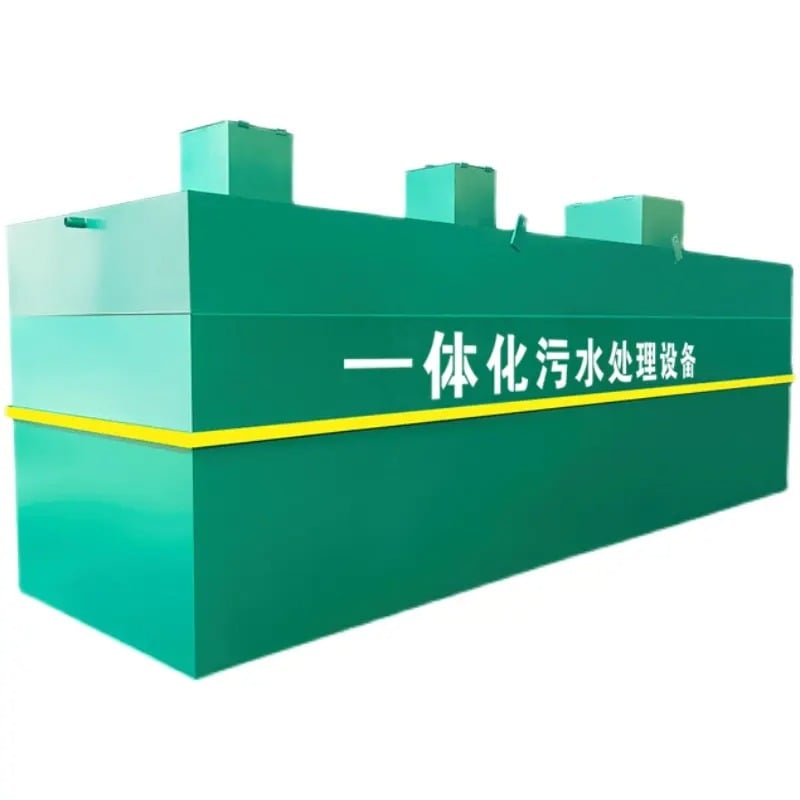
Planning a wastewater treatment plant requires more than purchasing equipment. Many facility managers underestimate the true water treatment facility cost by overlooking hidden expenses that accumulate during project planning and implementation. These concealed costs often emerge after budgets are locked, creating financial strain and project delays. Understanding which expenses fall outside typical equipment pricing is essential for accurate financial forecasting and successful project execution.
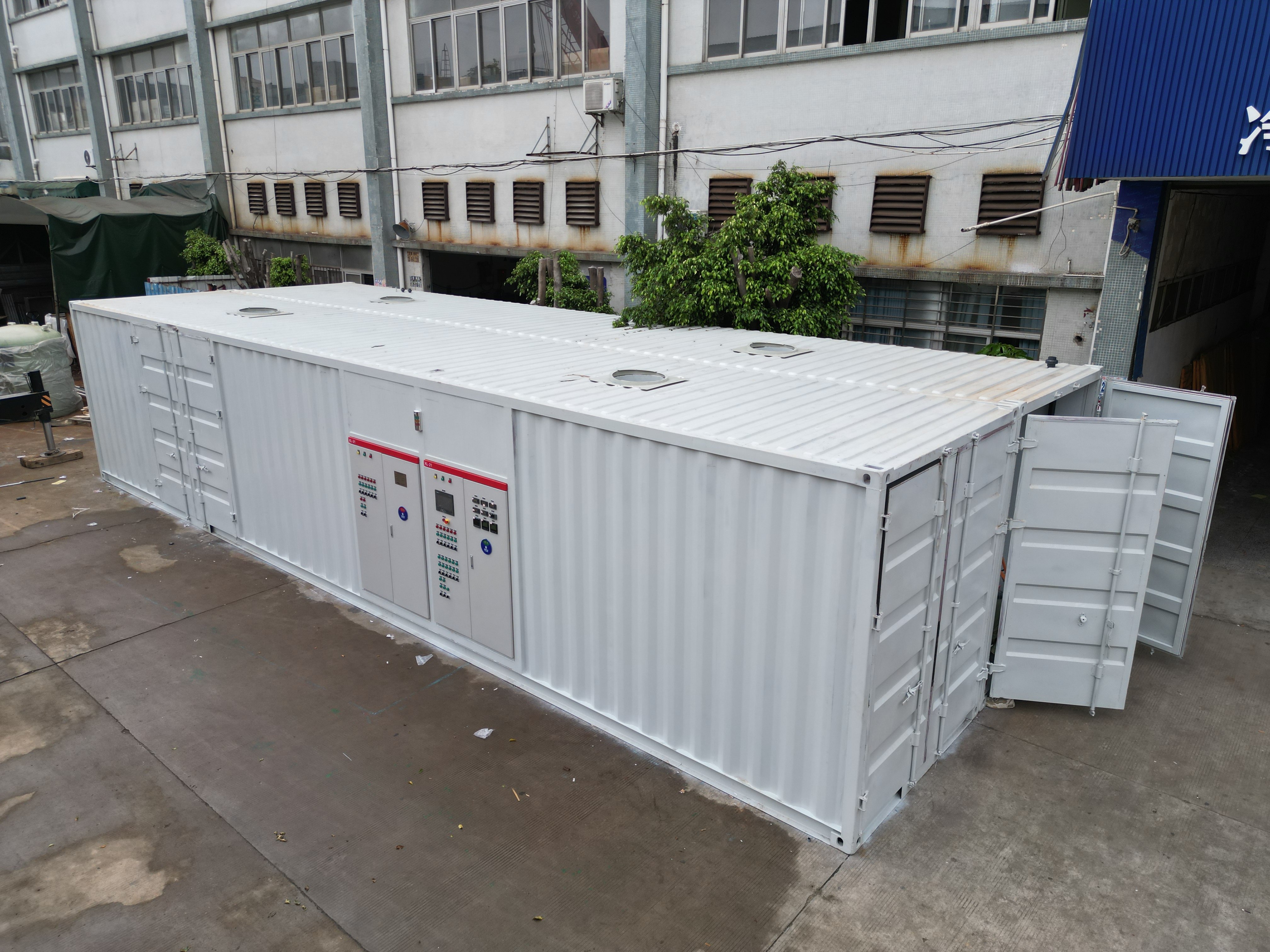
The difference between initial cost estimates and final project expenditures frequently exceeds 20 percent when hidden site expenses are not accounted for. Civil work, utilities infrastructure, and installation complexities represent major cost drivers that remain invisible in surface-level budgets. By identifying these categories early, project managers can create realistic timelines and secure adequate funding before construction begins.
Site Preparation and Civil Work Requirements
Foundation and Excavation Expenses
Civil work forms the backbone of any wastewater treatment facility cost calculation yet often receives insufficient budget allocation. Excavation depth, soil composition analysis, and ground reinforcement vary dramatically by geographic location and site topology. A site requiring rock removal or deep foundation work can add 30 to 50 percent to baseline civil work expenses. Soil testing, dewatering equipment, and unexpected geological conditions demand contingency reserves that many initial budgets fail to include.
Structural concrete requirements extend beyond simple foundation pouring. Treatment tanks, clarifier basins, and retention structures demand specialized reinforced concrete work with specific slope angles and internal compartmentalization. Quality assurance testing, concrete curing protocols, and structural inspections represent hidden civil work costs that accumulate during construction. These expenses directly impact the total water treatment facility cost and cannot be deferred or eliminated without compromising system integrity.
Site Access and Logistics Infrastructure
Creating temporary access roads, staging areas, and material storage zones constitutes often-forgotten civil work expenses. Installation equipment requires adequate maneuvering space, and heavy machinery delivery routes must accommodate local infrastructure constraints. Site fencing, security measures, and temporary utility connections all represent civil work charges that extend the project timeline and budget. Urban installations face additional site preparation costs due to limited real estate and complex permitting requirements.
Utilities Infrastructure and Connection Costs
Electrical System Installation and Capacity Upgrades
Power requirements for treatment systems often exceed available site capacity, necessitating utility infrastructure upgrades that multiply the baseline water treatment facility cost. New transformer installations, upgraded distribution panels, and dedicated electrical substations represent substantial hidden expenses. Many facilities require three-phase power upgrades or increased amperage capacity that utility companies bill as separate infrastructure projects. These utilities modifications occur outside standard equipment installation and demand separate budgeting, permitting, and coordination with power suppliers.
Backup power systems, emergency generator installation, and uninterruptible power supply units protect operational continuity but appear as separate line items beyond core treatment equipment. Voltage regulation equipment, surge protection systems, and electrical redundancy measures add measurable costs to utilities infrastructure. Installation labor for complex electrical work often requires licensed specialists who command premium rates, further increasing the total project expense.
Water Supply and Discharge Connection Requirements
Water source connections and treated effluent discharge infrastructure represent critical but frequently underestimated utilities expenses. Incoming water line extensions, pressure regulation stations, and measurement metering systems demand installation separate from treatment equipment setup. Discharge connection work includes pipeline routing to approved outlets, environmental compliance features, and regulatory monitoring infrastructure. Many projects discover during installation that existing water infrastructure cannot support treatment system flow rates, requiring costly utilities upgrades.
Installation Labor and Commissioning Activities
Skilled Labor and Specialized Installation Services
Installation labor costs often represent 15 to 25 percent of total water treatment facility cost but receive minimal attention in preliminary budgets. Specialized technicians trained in treatment system assembly command hourly rates exceeding standard construction workers. Equipment calibration, system integration testing, and operational verification require certified professionals who cannot be substituted with general laborers. Travel expenses, housing accommodations, and overtime charges accumulate during extended installation periods that typical budgets underestimate.
Quality assurance inspections, performance testing, and system validation create additional labor expenses that extend beyond equipment assembly. Factory-trained technicians provide on-site commissioning support, operator training, and troubleshooting services. These installation support services ensure system performance meets design specifications but frequently operate as optional line items that project managers postpone until budget reality forces inclusion.
Regulatory Compliance and Permitting Integration
Environmental permits, construction licenses, and operational certifications require documentation preparation and site inspection fees that constitute hidden installation costs. Local health departments, state environmental agencies, and federal regulatory bodies each impose separate application fees and inspection charges. Design modifications mandated by permitting bodies necessitate engineering revisions and equipment adjustments that increase installation complexity. Compliance documentation, record-keeping systems, and reporting infrastructure represent ongoing expenses tied to initial site installation.
FAQ
What percentage of water treatment facility cost typically involves hidden expenses?
Hidden costs typically represent 20 to 35 percent of total project expenses when civil work, utilities infrastructure, and installation services are properly calculated. Many preliminary budgets account only for core treatment equipment, leaving significant contingency gaps. Projects accounting for all identified hidden cost categories achieve superior financial accuracy and fewer budget overruns during execution phases.
How should facility managers account for utilities infrastructure in wastewater treatment facility cost projections?
Utilities infrastructure costs deserve separate budget categories that include electrical upgrades, water supply connections, and discharge infrastructure. Consulting with local utility providers early in planning reveals capacity constraints and necessary infrastructure modifications. Building 15 to 20 percent contingency reserves for utilities surprises protects projects from unexpected expenses that emerge during site assessment phases.
Can proper site assessment reduce hidden installation costs for water treatment facility cost management?
Comprehensive site surveys, soil testing, and utility capacity evaluations reveal potential hidden expenses before budget finalization occurs. Professional site assessments cost 2 to 3 percent of total project budgets but typically recover these expenses through identified cost drivers and optimized planning. Early identification of civil work challenges, utilities constraints, and installation complications enables accurate budgeting and realistic project scheduling from inception.

 EN