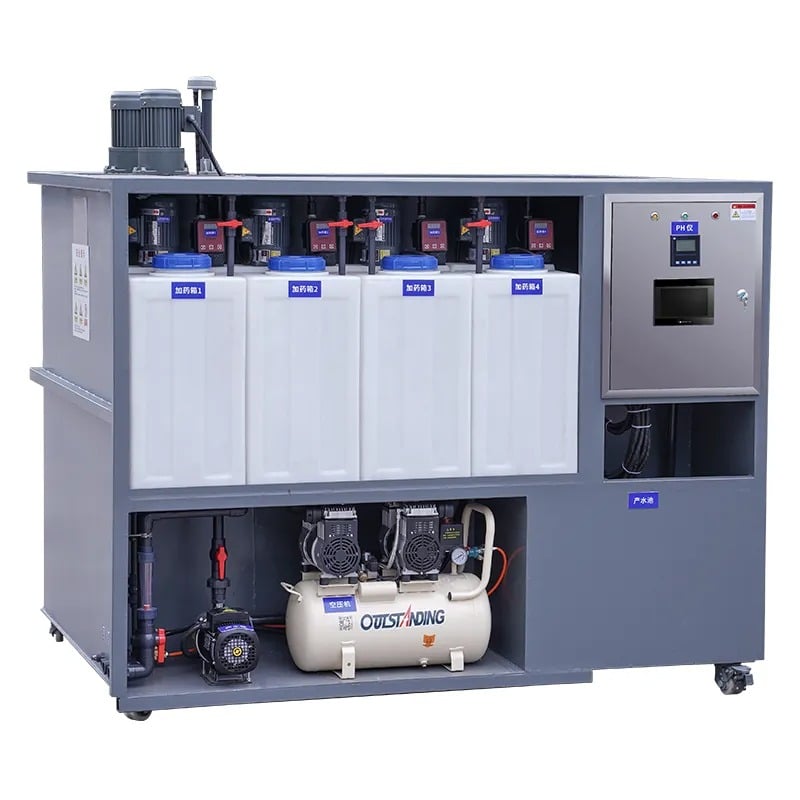
Poor sludge float performance in a daf water treatment process represents one of the most frustrating operational challenges in industrial wastewater management. When solids fail to rise effectively to the surface, treatment efficiency plummets, recovery rates decline, and operational costs climb unexpectedly. Understanding the root causes of poor sludge float is essential for maintaining reliable flotation performance and achieving consistent separation results.
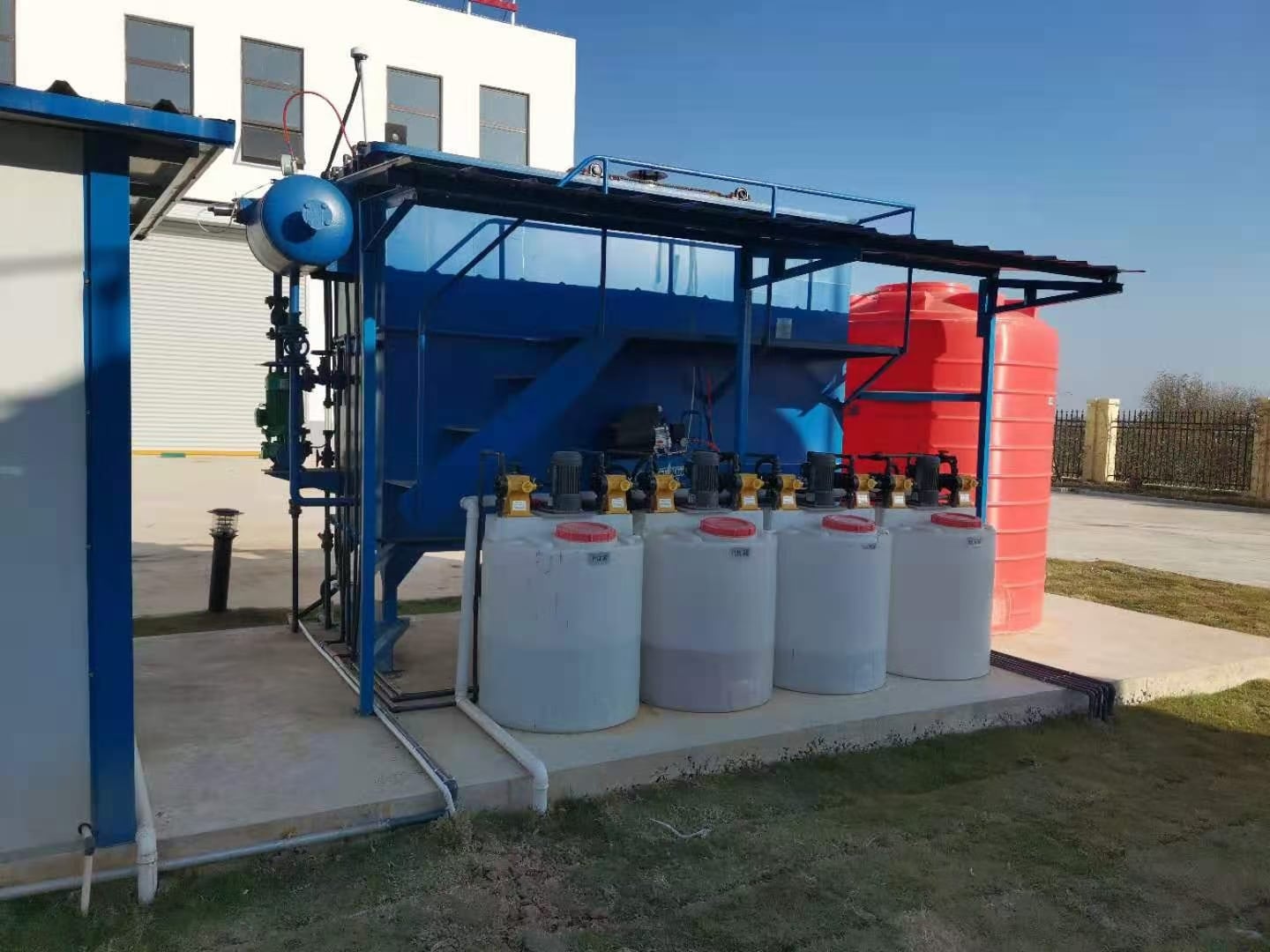
A dissolved air flotation unit depends on precise interaction between chemical conditioning, air injection, and system hydraulics to move solids upward through the treatment tank. When sludge float fails or weakens, the issue rarely stems from a single cause. Instead, multiple interconnected factors—ranging from inadequate microbubbles to suboptimal coagulation chemistry to improper recycle stream management—often combine to degrade flotation performance. Diagnosing poor sludge float requires systematic evaluation of each process parameter and operational variable.
Microbubble Generation and Saturation Issues
Understanding Microbubble Performance in DAF Systems
The effectiveness of any daf water treatment process depends fundamentally on the production and distribution of microbubbles throughout the treatment tank. Microbubbles, typically ranging from 10 to 100 micrometers in diameter, provide the lifting force needed to carry suspended solids toward the surface. When microbubbles are insufficient in number, improperly sized, or unevenly distributed, sludge float performance deteriorates rapidly, even if all other process parameters remain optimal.
Poor microbubbles generation often results from inadequate air saturation in the recycle stream. The saturation vessel must pressurize recycle liquid at sufficient levels to dissolve adequate oxygen and nitrogen gases. If pressure drops too low—whether due to mechanical failure, valve misalignment, or system leaks—the amount of air available for bubble release decreases, directly reducing the quantity of microbubbles available for particle attachment and flotation.
Saturation Pressure and Temperature Effects
Temperature fluctuations significantly affect gas solubility and bubble stability in a daf water treatment process. Cold water dissolves and holds more gas than warm water, which means seasonal temperature variations can alter microbubble availability without any changes to system settings. When influent temperature rises during summer months or in tropical climates, saturation efficiency declines, and sludge float weakens unless operators compensate by increasing recycle flow rates or saturation pressure.
The saturation pressure must be carefully calibrated to match the desired air loading rate and the specific characteristics of the wastewater being treated. Standard saturation pressures typically range from 40 to 70 psi, but deviations from the design specification reduce microbubbles effectiveness. Pressure regulators must be maintained regularly to ensure accurate setpoint control and prevent drift that undermines sludge float performance.
Coagulation Chemistry and Pre-Treatment Inadequacy
Chemical Conditioning for Optimal Flotation
Poor coagulation is a primary hidden cause of weak sludge float in many daf water treatment systems. Before wastewater enters the flotation tank, suspended solids must be conditioned chemically to facilitate particle aggregation and microbubble attachment. Coagulation involves destabilizing fine particles and allowing them to form larger, more buoyant flocs that rise readily when contacted by microbubbles. When coagulation is inadequate—either due to wrong dosage, improper mixing, or chemical incompatibility—the resulting particles remain small and dense, resisting attachment to microbubbles and sinking instead of floating.
Common coagulation chemicals include ferric chloride, ferrous sulfate, aluminum sulfate, and polyaluminum chloride. Each chemical operates optimally within specific pH ranges and mixing intensities. If pH drifts outside the coagulation window, chemical effectiveness collapses, and poorly formed flocs fail to separate. Similarly, if rapid-mix energy is insufficient, coagulant chemicals cannot distribute uniformly throughout the wastewater, leaving some particles unconditioned and unable to float effectively in the daf water treatment process.
Flocculant Polymer Selection and Dosing
After initial coagulation, synthetic flocculant polymers strengthen floc structure and enhance settling velocity—or in flotation systems, enhance buoyancy and sludge float capability. Flocculant selection depends on the specific wastewater composition, particle size distribution, and desired sludge characteristics. Incorrect flocculant type or insufficient polymer dosage results in weak, fragile flocs that break apart during circulation or fail to attach firmly to microbubbles, causing poor sludge float and increased turbidity in treated effluent.
Polymer overdosing presents an equally serious problem. Excessive flocculant creates slimy, cohesive solids that resist bubble attachment and may settle at the tank bottom rather than float. Regular jar testing and dose optimization are essential to maintain the fine balance between floc strength and flotation capability. Operators must monitor flocculant usage continuously and adjust dosing as influent wastewater characteristics change throughout operating seasons.
Recycle Stream Management and System Hydraulics
Recycle Flow Rate and Air Loading Optimization
The recycle stream is the lifeblood of an effective daf water treatment process, delivering pressurized, air-saturated liquid back to the inlet zone where it releases microbubbles into contact with conditioned solids. The recycle flow rate—typically 5 to 15 percent of influent flow—must be carefully balanced to provide sufficient microbubbles without creating excessive turbulence that fragments fragile flocs or causes hydraulic short-circuiting. When recycle flow is too low, insufficient microbubbles are released, and sludge float performance weakens dramatically.
Air loading—the volumetric ratio of air to wastewater treated—is a critical design and operational parameter that directly influences sludge float quality. Low air loading results in sparse microbubble distribution, reducing the probability that particles encounter and attach to bubbles. High air loading may seem beneficial but can create excessive bubble release zones that cause turbulent mixing, particle re-suspension, and poor sludge float consolidation at the tank surface. Operators must maintain air loading within the design envelope specified for their particular daf water treatment system.
Pressure Drop and Valve Performance Issues
Poor pressure maintenance or leaking relief valves in the recycle circuit allow pressurized, air-saturated liquid to depressurize prematurely before reaching the release point in the contact chamber. This uncontrolled depressurization causes microbubbles to form inside the pressurized vessel rather than at the flotation tank inlet, reducing effective air distribution and resulting in weak sludge float. Regular inspection of recycle piping, check valves, and pressure regulators is essential to prevent performance degradation from mechanical wear or corrosion.
Tank residence time also affects daf water treatment process performance and sludge float quality. If hydraulic residence time is too short, particles may not have adequate time to attach to microbubbles and rise. If residence time is excessive, settled solids may begin collapsing or shearing at the tank bottom before being removed, undermining separation efficiency and sludge quality. Proper tank volume and flow rate calibration ensure that sludge float conditions remain stable and consistent throughout the treatment cycle.
FAQ
Why does sludge float performance decline when water temperature increases?
Warmer water dissolves less oxygen and nitrogen gas, reducing the total quantity of microbubbles that can be generated in the saturation vessel. Additionally, lower gas density in warm water reduces bubble buoyancy slightly, affecting sludge float capability. Operators compensate by increasing recycle flow rate or saturation pressure during warm seasons to maintain consistent microbubbles generation and flotation performance in a daf water treatment process.
How does improper coagulation directly impact sludge float in DAF treatment?
Inadequate coagulation leaves particles small, dispersed, and poorly conditioned for microbubble attachment. These fine, dense particles either remain in suspension or settle to the tank bottom rather than float upward. Proper coagulation creates larger, more buoyant flocs with favorable surface chemistry that readily attaches to microbubbles, enabling consistent sludge float performance throughout the daf water treatment process.
What maintenance prevents poor recycle stream performance?
Regular inspection of recycle piping, pressure regulators, relief valves, and check valves prevents mechanical failures that reduce air saturation or allow premature depressurization. Monitoring recycle flow rate and saturation pressure ensures that microbubbles generation remains at design specification. Keeping the saturation vessel clean and free from scale buildup maintains gas dissolution efficiency and consistent sludge float quality in the daf water treatment process.

 EN