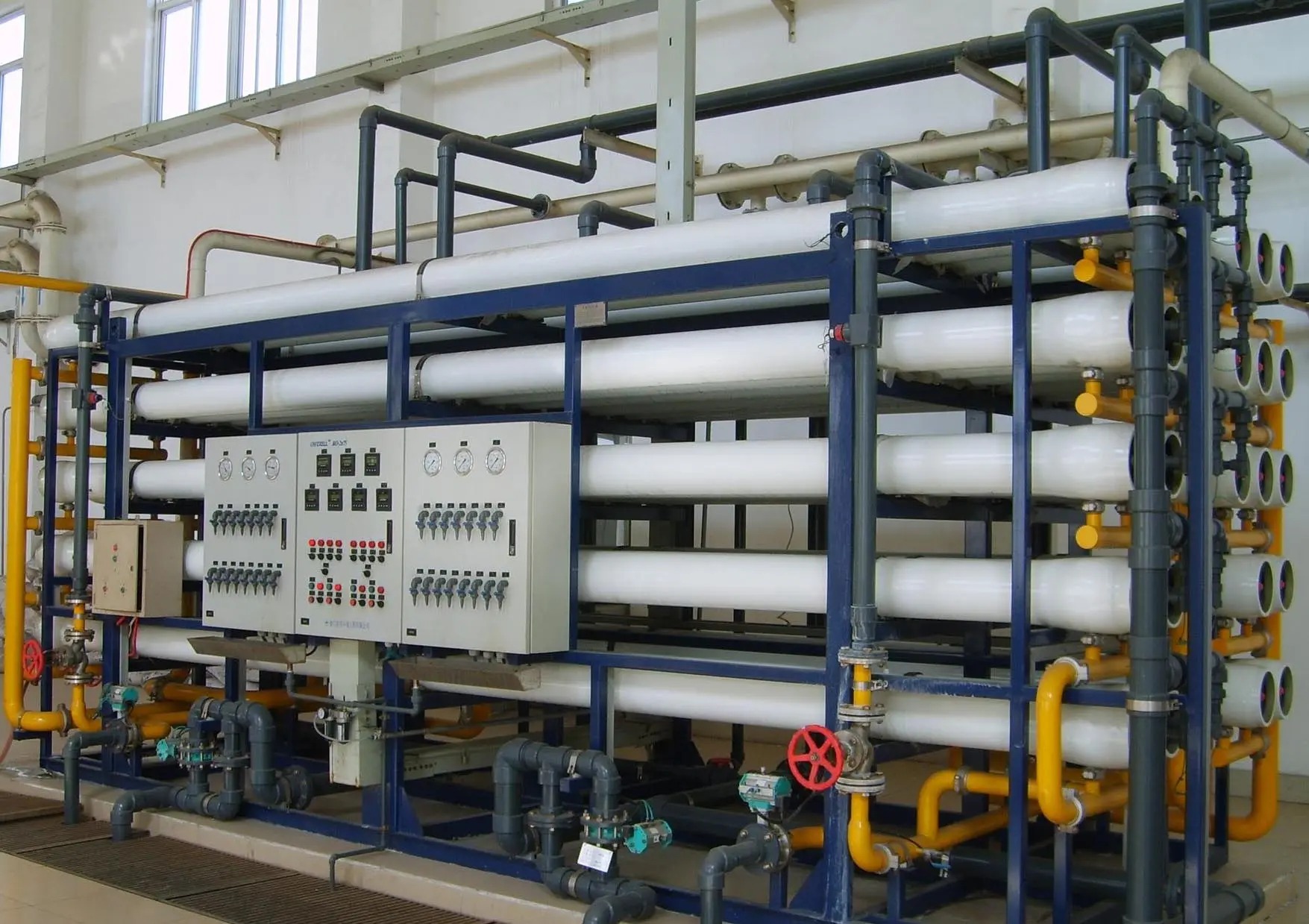
A water reclamation system that achieves low recovery rates presents a significant operational and financial challenge for industrial facilities and municipalities. Recovery refers to the percentage of incoming feedwater that is successfully converted into usable reclaimed water, while the remainder becomes concentrate or reject stream. When recovery drops below expected levels, operational costs rise, treatment efficiency declines, and the system's ability to deliver reliable water supply diminishes. Understanding the root causes of low recovery is essential for maintaining system performance and ensuring cost-effective wastewater recycling operations.
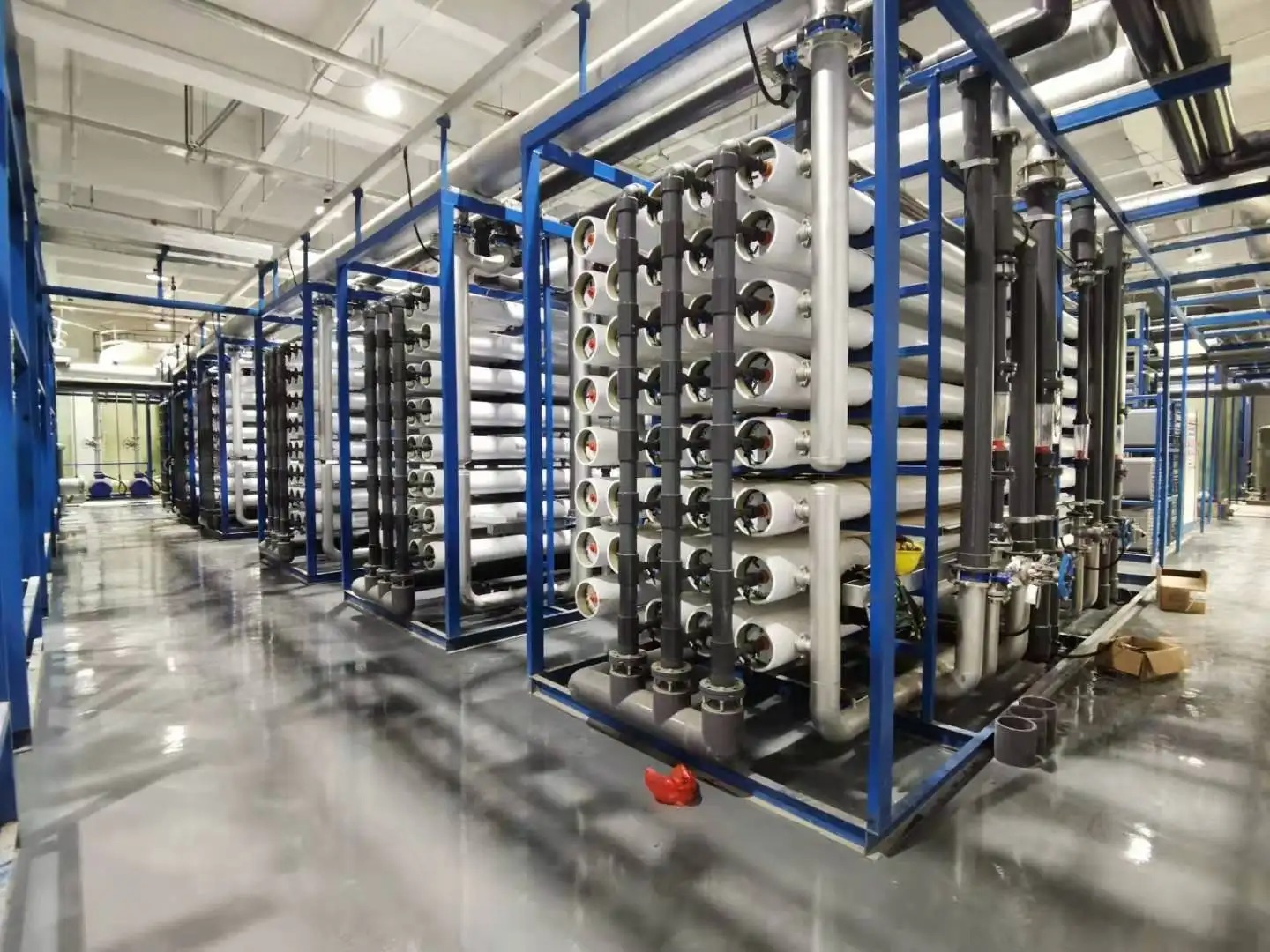
The causes of low recovery in a water reclamation system are multifaceted and often interconnected. Poor recovery can stem from membrane degradation, inadequate pretreatment, scaling, biological activity, or improper system design. Identifying these root causes requires systematic diagnostics and understanding how each factor affects the treatment process. This article examines the primary contributors to low recovery and explains how each mechanism impacts overall system performance and concentrate volume.
Membrane Fouling and Degradation
Understanding Membrane Fouling Impact
Membrane fouling is one of the most common reasons for declining recovery in any water reclamation system. Fouling occurs when particulates, organics, minerals, or biological materials accumulate on or within the membrane surface, creating a barrier that reduces water permeability. As the membrane fouls, differential pressure increases to maintain the same flow rate, forcing operators to reduce throughput to stay within safe pressure limits. This reduction directly translates to lower recovery rates because less feedwater is being processed into reclaimed water.
The recovery penalty from membrane fouling compounds over time. Early fouling may reduce recovery by 5–10%, but unaddressed fouling can ultimately cut recovery in half. Reverse osmosis membranes are particularly susceptible because they operate at high pressure and reject a higher percentage of contaminants. Ultrafiltration and nanofiltration stages upstream can also foul, adding restrictive resistance that cascades through the water reclamation system and further compromises overall recovery performance.
Pretreatment Deficiencies
Inadequate pretreatment is a leading cause of accelerated membrane fouling and subsequent recovery loss. If incoming wastewater is not properly screened, clarified, or filtered before reaching the primary treatment membrane, suspended solids and colloids will deposit on the membrane surface and block permeate flow. Many facilities underinvest in pretreatment stages, assuming the main membrane will handle all contaminants. In reality, robust pretreatment is essential for maintaining membrane health and recovery in any water reclamation system.
Sand filters, cartridge filters, and multimedia filters serve as the first defense against fouling. When these pretreatment barriers are bypassed, improperly sized, or not maintained regularly, membrane fouling accelerates dramatically. Operators often observe rapid recovery decline shortly after pretreatment maintenance is deferred, confirming the direct link between upstream filtration quality and downstream membrane performance.
Scaling and Chemical Deposition
Mineral Scaling Mechanisms
Scaling occurs when mineral compounds such as calcium carbonate, magnesium hydroxide, or silica precipitate on the membrane surface or within the concentrate stream. In a water reclamation system, recovery rates are pushed higher to minimize concentrate volume, but this concentrating effect accelerates salt precipitation at high ionic strength. As recovery increases, the dissolved solids concentration in the concentrate becomes supersaturated, causing minerals to come out of solution and deposit on membrane walls.
When scaling begins, it further reduces membrane permeability, requiring higher operating pressure to maintain flow. The water reclamation system then enters a feedback loop where increased pressure accelerates scaling, which demands even higher pressure to sustain recovery targets. Eventually, the membrane becomes so scaled that recovery cannot be maintained within safe pressure limits. Antiscalant dosing, pH control, and concentrate management are critical controls to prevent this cascade.
Organic Fouling and Biofilm Growth
Organic compounds and biofilm represent another significant source of recovery loss in a water reclamation system. Biodegradable organic matter from industrial effluent or municipal wastewater can support bacterial growth within the treatment train, particularly in low-flow or stagnant zones. Biofilms develop on membrane surfaces, creating biofouling layers that are often more resistant to cleaning than inorganic fouling alone.
Biofouling reduces membrane performance and complicates recovery optimization. Unlike scaling, which responds to chemical treatment, biofilm requires biological or mechanical intervention such as acid cleaning, enzymatic treatment, or more frequent membrane replacement cycles. Many operators discover low recovery caused by biofouling only after chemical cleaning attempts fail, indicating the importance of preventive biocide management and regular membrane inspection.
System Design and Operational Factors
Recovery Target Misalignment
A water reclamation system designed for recovery targets that exceed the actual feedwater quality or system capacity will inevitably underperform and report low recovery. If a facility sets recovery goals at 75% but the incoming wastewater contains high levels of colloidal silica or recalcitrant organics, the membrane will foul rapidly, and practical recovery will stabilize at 50–60%. This mismatch between design intent and operational reality causes operators to chase recovery rates that the system cannot sustainably achieve.
Recovery targets must align with feedwater characteristics, membrane type, and operating pressure limits. Oversizing the concentrate stream or undersizing the membrane area can create recovery bottlenecks. A thorough feedwater analysis, pilot testing, and proper concentrate management strategy must inform initial recovery targets for any water reclamation system. Retrofitting under-designed systems to meet unrealistic recovery goals often results in chronic low recovery and premature membrane replacement.
Concentrate Management and Pressure Control
Inadequate concentrate management directly undermines recovery in a water reclamation system. When concentrate is recirculated to boost effective recovery, the dissolved solids and contaminant concentration climbs, accelerating fouling and scaling. Operators sometimes attempt to increase recovery by recycling concentrate back to the feedwater, but this approach simply concentrates the problem in the next pass through the membrane, leading to steeper performance decline.
Operating pressure also affects recovery dynamics. Running the water reclamation system at pressures near the membrane's maximum rating initially may yield higher recovery, but it accelerates membrane degradation and fouling. Membranes typically show optimal recovery and longevity at moderate pressure levels that balance throughput with membrane durability. Many low-recovery situations arise because operators chronically exceed recommended operating pressures in an attempt to maintain production targets.
FAQ
Why does recovery decrease over time in a water reclamation system?
Recovery decreases due to cumulative membrane fouling, scaling, and organic accumulation. As contaminants block the membrane surface, differential pressure rises, forcing operators to reduce flow rate to stay within safe limits. This reduction in feedwater throughput directly lowers recovery percentage. Regular membrane cleaning, antiscalant dosing, and pretreatment maintenance slow this decline but do not eliminate it entirely over the membrane's service life.
Can concentrate recycling improve recovery in a water reclamation system?
Concentrate recycling can temporarily boost production volume but ultimately worsens recovery performance. When concentrate is recirculated through the water reclamation system, dissolved solids and foulants concentrate further, accelerating membrane fouling and scaling. While this appears to increase total water output in the short term, it reduces the system's overall efficiency and recovery rate. Most facilities achieve better sustained recovery by managing concentrate as a separate stream rather than recycling it back to feedwater.
How does pretreatment quality affect recovery in a water reclamation system?
Pretreatment quality is directly proportional to recovery sustainability. Effective pretreatment removes suspended solids, colloids, and particles before they reach the main treatment membrane, preventing rapid fouling and maintaining stable differential pressure. Poor pretreatment allows contaminants to accumulate on the membrane, causing fouling that reduces permeability, necessitates higher pressure, and forces operators to cut feedwater flow rates to maintain safe operating conditions. Investment in robust pretreatment extends membrane life and maintains recovery rates over time.

 EN