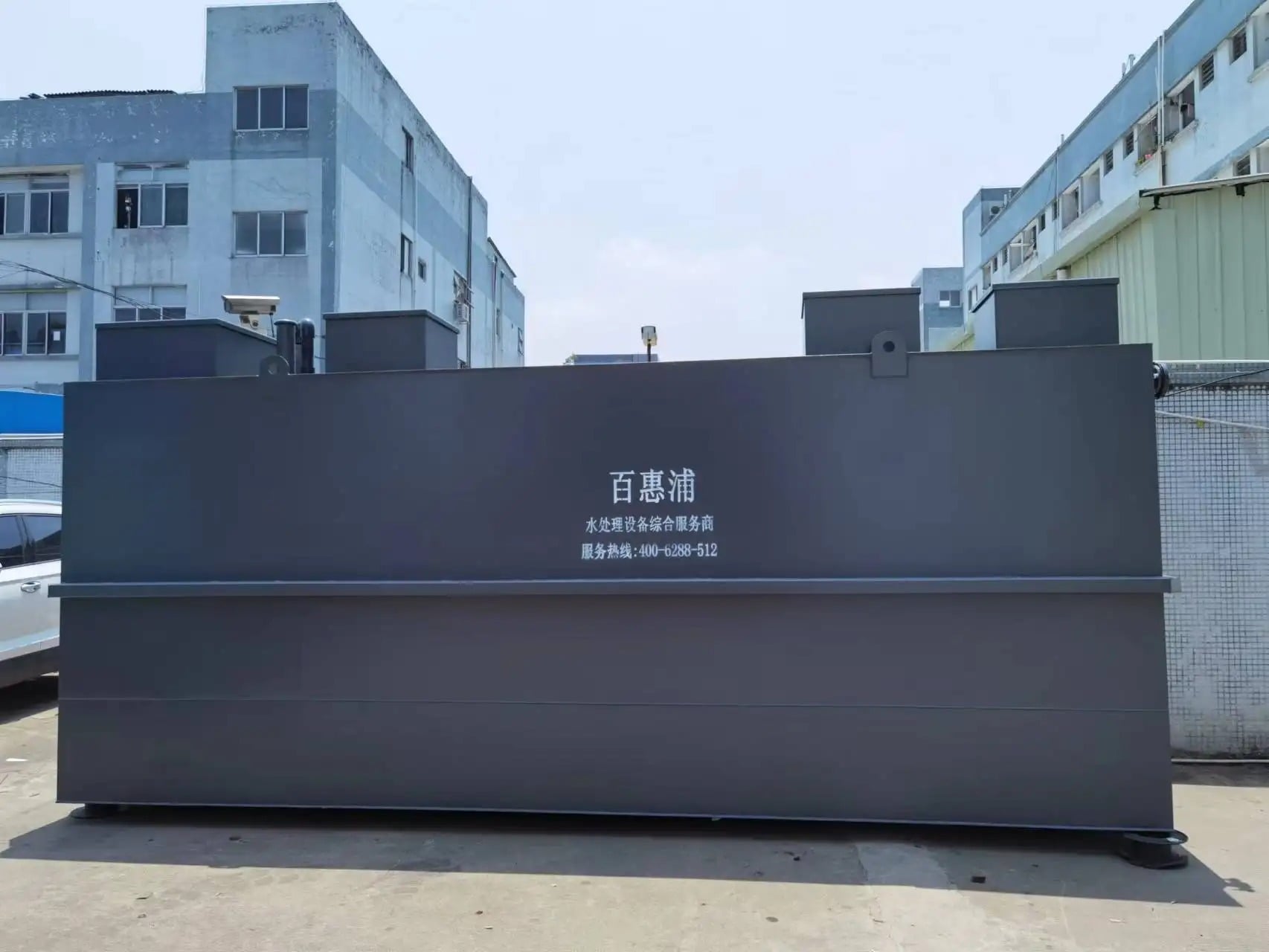
Understanding why heavy metal removal from wastewater becomes unstable is critical for industrial operators managing treatment systems. Instability in heavy metals removal processes can lead to inconsistent effluent quality, regulatory violations, operational downtime, and increased treatment costs. The causes of this instability often stem from a combination of chemical, physical, and operational factors that disrupt the delicate balance required for effective treatment.
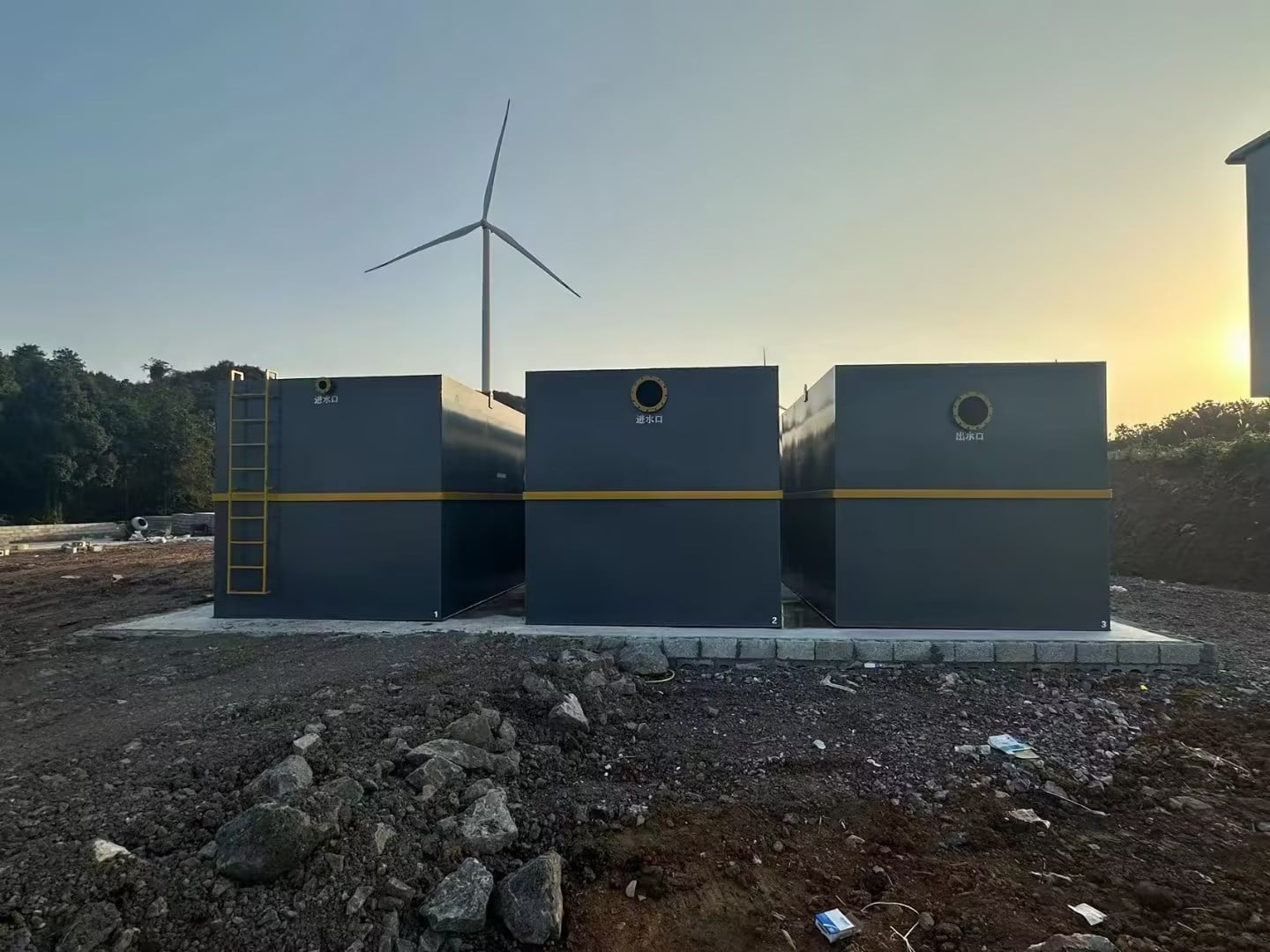
Heavy metals including cadmium, lead, chromium, zinc, and nickel require precise chemical conditions to be removed from industrial wastewater. When treatment parameters drift outside optimal ranges, heavy metals can re-solubilize, complex with competing substances, or fail to precipitate effectively. This article examines the primary mechanisms that cause instability and provides actionable insights for maintaining consistent treatment performance across industrial applications.
The Role of pH in Treatment Instability
pH Fluctuations and Heavy Metal Solubility
pH is one of the most critical control parameters in heavy metals removal processes. Most precipitation-based heavy metals treatment systems operate within narrow pH windows, typically between 7.5 and 10.5, depending on target metals. When influent pH varies unexpectedly or control systems fail to maintain setpoints, heavy metals solubility can increase dramatically, causing previously precipitated metal hydroxides to re-dissolve into solution.
Acidic wastewater streams introduce additional complexity because they demand more chemical neutralization before heavy metals can precipitate effectively. Inadequate pH adjustment consumes excess alkaline reagents and creates transient conditions where metals remain partially soluble. Industrial sources producing variable pH influent—such as metal finishing operations, battery recycling facilities, or electroplating lines—experience particularly acute instability when pH control systems lack sufficient buffering capacity or real-time monitoring precision.
Buffer Capacity and System Response
Wastewater streams with low buffering capacity cannot resist pH perturbations effectively, making the treatment system vulnerable to sudden changes in influent chemistry or dosing errors. When alkaline precipitation agents are added too rapidly or in excessive quantities, the system overshoots target pH, reducing heavy metals removal efficiency and potentially creating secondary contamination. Conversely, insufficient alkaline dosing leaves pH below optimal levels, preventing complete precipitation and destabilizing previously removed heavy metals in the sludge layer.
Complexing Agents and Competing Reactions
How Complexing Agents Interfere with Precipitation
Complexing agents—including ammonia, cyanide, EDTA, nitrilotriacetic acid, and organic acids—present in industrial wastewater are major sources of heavy metal removal instability. These ligands form soluble complexes with heavy metals, preventing precipitation even when pH and other conditions appear favorable. Metal-ligand complexes can penetrate through filtration stages, pass through membrane systems, and degrade effluent quality unpredictably. Electroplating rinsewater, chemical manufacturing effluent, and textile processing streams commonly contain complexing agents that create this challenge.
The strength of metal-ligand binding varies across different heavy metals and complexing agents. Cyanide complexes with metals so strongly that conventional precipitation methods become ineffective, requiring specialized oxidation or precipitation pretreatment. EDTA-chelated heavy metals resist removal through pH adjustment alone, demanding enhanced chemical treatment such as precipitation reagents specifically formulated to overcome complexation. When wastewater composition changes or complexing agent concentrations spike unexpectedly, the heavy metals removal process can lose effectiveness entirely, creating instability that persists until treatment parameters are adjusted.
Organic Matter Competition
Dissolved organic matter in wastewater competes with hydroxide precipitation sites for heavy metals binding, reducing the efficiency of precipitation-based removal. High biochemical oxygen demand streams introduce additional complexity because biological activity can alter pH, consume dissolved oxygen, and generate organic acids that mobilize precipitated metals. This competition destabilizes previously settled sludge and can cause resuspension of metal hydroxides even after they have formed, making the heavy metals removal process unreliable in the long term.
Precipitation Chemistry and Sludge Stability
Oversaturation and Crystal Formation Issues
Improper pH control or excessive chemical dosing can create oversaturation conditions where precipitation occurs rapidly and uncontrollably, forming poorly crystallized, amorphous metal hydroxide solids. These poorly formed precipitates have high surface area, making them prone to re-dissolution when pH drifts downward or when competing ions interfere with crystal structure. Optimal precipitation requires controlled nucleation and slow crystallization to form stable metal hydroxide crystals with low solubility and good settling characteristics.
Sludge age and residence time in clarifiers also affect precipitation stability. Fresh precipitate is more reactive and vulnerable to chemical changes, while aged sludge with well-developed crystal structure is more resistant to re-dissolution. However, if sludge remains in the clarifier too long without removal, it can undergo slow hydrolysis, generating acidic conditions that mobilize heavy metals back into solution. This dual-timing constraint creates operational difficulty and contributes to treatment instability across industrial wastewater systems.
Ionic Strength and Secondary Effects
High ionic strength in wastewater can suppress the activity of precipitating ions and reduce the efficiency of hydroxide formation for heavy metals removal. High salt concentrations shield electrostatic attractions necessary for metal-hydroxide bonding, requiring higher pH to compensate. Additionally, competing cations such as calcium and magnesium can precipitate alongside heavy metals, co-precipitating into mixed hydroxide solids with different settling and stability characteristics. This ionic interference makes treatment less predictable and introduces variability that undermines consistent heavy metals removal performance.
FAQ
Why does heavy metal precipitation fail even when pH seems correct?
Complexing agents in the wastewater can bind heavy metals so strongly that they prevent precipitation despite adequate pH and alkalinity. Additionally, high ionic strength, competing ions, or ammonia can interfere with hydroxide formation. Real-time measurement of free metal ion concentration, not just pH, is necessary to diagnose true removal capability and identify whether complexation or ionic effects are causing instability.
How can operators maintain stable heavy metal removal during variable influent conditions?
Install robust pH monitoring and control systems with adequate buffering capacity to resist influent pH swings. Implement chemical pretreatment to oxidize or sequester complexing agents before the main precipitation stage. Use redundant dosing systems and feedback control loops that adjust precipitation reagent quantities based on residual metal concentration, not just pH setpoint. Regular sludge monitoring and removal also prevent aged sludge from destabilizing and remobilizing metals.
What is the best way to test whether heavy metals removal is truly stable?
Conduct jar tests simulating actual influent variability, including pH swings, complexing agent additions, and ionic strength changes. Measure both total and dissolved heavy metal concentrations in effluent over extended periods to assess whether re-dissolution occurs. Monitor treated sludge chemistry over time to detect signs of hydrolysis or crystal degradation. These practical tests reveal hidden instability that simple pH monitoring alone cannot detect.

 EN