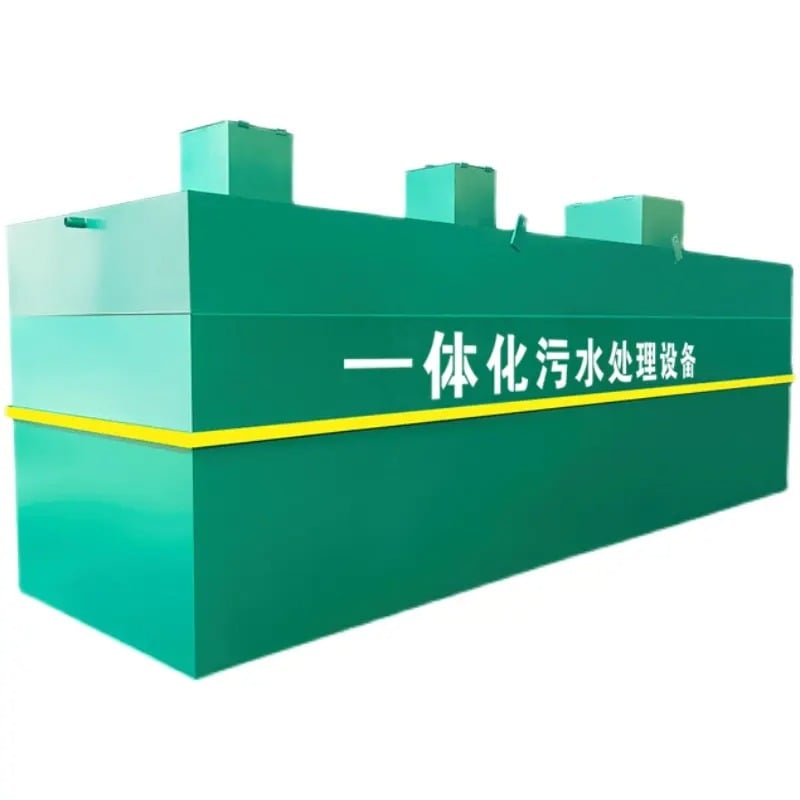
Foaming represents one of the most persistent operational challenges in food processing wastewater treatment systems. When operators encounter excessive foam accumulation in aeration tanks, clarifiers, or secondary treatment vessels, production efficiency declines, treatment effectiveness diminishes, and equipment corrosion accelerates. Understanding the root causes of foaming is essential for food processing facilities that depend on reliable wastewater management to maintain regulatory compliance and operational continuity.
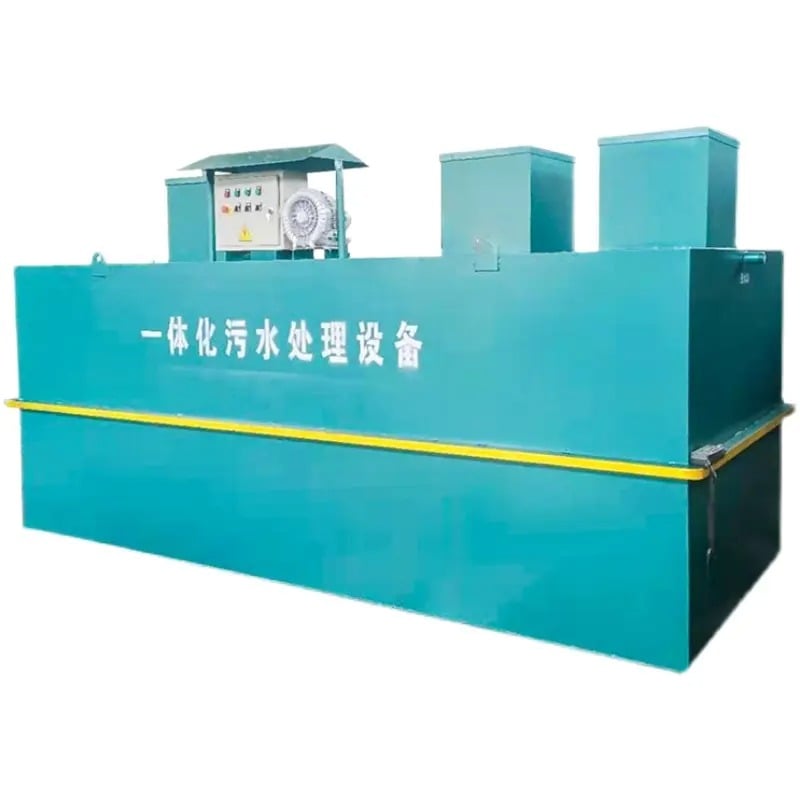
Foam in food processing systems stems from multiple sources, each requiring distinct diagnostic and remedial approaches. The complexity of food processing wastewater, combined with the presence of surfactants, proteins, and biological organisms, creates conditions where foaming becomes inevitable without proper management. Identifying whether foaming originates from biological activity, chemical residues, or operational parameters directly influences the effectiveness of corrective measures.
Biological Causes of Foaming in Treatment Systems
Filamentous Organism Proliferation
Biological foaming in food processing wastewater treatment systems frequently results from overgrowth of filamentous microorganisms such as Nocardia, Actinomyces, and Microthrix species. These organisms produce hydrophobic cell surfaces and extracellular polymers that stabilize air bubbles, creating persistent foam matrices resistant to conventional separation methods. When food processing waste streams provide excessive organic substrate without adequate solids retention time or dissolved oxygen control, filamentous populations expand rapidly and dominate the activated sludge community.
The proliferation of filamentous organisms is particularly pronounced in food processing facilities because their wastewater contains high concentrations of sugars, fats, proteins, and other readily biodegradable compounds. Under low-oxygen stress or high food-to-microorganism ratios, filamentous species outcompete floc-forming bacteria, leading to poor settling characteristics and unstable foam formation. This biological phenomenon directly undermines the efficiency of clarification stages and complicates the performance of subsequent treatment units.
Soluble Microbial Products and Extracellular Polymers
Beyond filamentous organisms, foam stability in food processing wastewater treatment depends heavily on soluble microbial products (SMPs) and extracellular polymeric substances (EPS) released during biological degradation. These proteins and polysaccharides act as natural surfactants, reducing surface tension and enabling foam formation even in systems with normal settling characteristics. High SMP concentrations indicate metabolic stress within the biological community, often triggered by sudden organic loading surges typical of food processing operations.
The composition of EPS varies with food processing wastewater characteristics. Facilities processing dairy products generate proteinaceous SMPs, while those handling meat or seafood produce different polymer profiles. Understanding these biological signatures helps operators anticipate foaming events and implement preemptive biological control strategies rather than reactive chemical interventions.
Chemical and Operational Drivers of Foaming
CIP Residues and Surfactant Carryover
Clean-in-place (CIP) procedures in food processing facilities introduce significant quantities of cleaning agents, sanitizers, and detergents into wastewater streams. When CIP rinse water enters food processing wastewater treatment systems without adequate retention or equalization, surfactant concentrations spike dramatically, providing surfactant-based foam nucleation sites. Unlike biological foaming, which develops gradually, CIP-induced foaming appears suddenly following cleaning cycles and often correlates directly with operational schedules.
Anionic surfactants used in commercial CIP formulations resist biodegradation during typical residence times in biological treatment stages, remaining available to stabilize bubbles throughout the treatment train. This persistence means that foam triggered by CIP residues often requires days to dissipate naturally, extending operational disruptions. Advanced food processing facilities increasingly employ CIP wastewater segregation and pretreatment to remove surfactants before they enter the main biological treatment system.
Dissolved Oxygen and pH Imbalances
Inadequate aeration or poor mixing in food processing wastewater treatment systems creates anaerobic microzones where filamentous organisms thrive and gas production increases. Similarly, insufficient dissolved oxygen during peak organic loading periods reduces the competitive advantage of floc-forming bacteria, allowing foam-producing species to establish dominance. Operators who fail to match aeration capacity to actual food processing production demands frequently observe accelerated foam accumulation during production peaks.
pH fluctuations also influence foam generation. When food processing wastewater acidifies due to rapid microbial fermentation or when alkaline CIP residues create basic conditions, the resulting pH shock disrupts biological equilibrium. Both scenarios promote SMP release and filamentous overgrowth. Maintaining optimal biological treatment conditions requires continuous monitoring of dissolved oxygen, pH, solids retention time, and food-to-microorganism ratios to prevent these cascade effects in food processing systems.
Diagnosis and Management Approaches
Distinguishing Foam Origins Through Systematic Analysis
Effective management of foaming in food processing wastewater treatment begins with accurate diagnosis. Biological foam typically appears brown or tan, remains stable across temperature changes, and correlates with periods of high organic loading. Chemical foam from CIP residues appears white or translucent, dissipates rapidly when antifoam is applied, and occurs predictably following cleaning operations. Analyzing foam composition, observing temporal patterns relative to production schedules, and monitoring mixed liquor suspended solids (MLSS) settleability helps operators pinpoint whether they face biological, chemical, or hybrid foaming challenges.
Targeted Mitigation Strategies for Food Processing Facilities
Once foaming origins are identified, operators can deploy targeted interventions. For biological foaming, increasing solids retention time, improving aeration control, and implementing wasting optimization reduces filamentous organism populations. For CIP-driven foaming, upgrading equalization capacity, segregating high-strength CIP wastewaters, or installing surfactant removal pretreatment proves effective. Some advanced food processing facilities combine multiple approaches, implementing real-time foam sensors that trigger automated responses such as selective aeration reduction or selective basin isolation until conditions stabilize.
Preventive management remains superior to reactive treatment. Regular monitoring of food processing wastewater characteristics, maintenance of stable biological community composition, and integration of process optimization with equipment efficiency maximizes treatment reliability. Facilities that address root causes rather than symptoms achieve sustained reduction in foaming incidents, improved regulatory compliance, and lower operational cost per unit of wastewater treated.
FAQ
What is the difference between biological and chemical foaming in food processing treatment systems?
Biological foaming results from filamentous microorganism overgrowth and microbial metabolite production, typically appearing brown or tan, while chemical foaming stems from surfactants in CIP cleaners and appears white or translucent. Biological foam develops gradually with organic loading patterns, whereas chemical foam appears suddenly after cleaning cycles. Distinguishing between them guides appropriate corrective action and prevents ineffective treatment responses.
How does CIP wastewater contribute to foaming in food processing treatment?
CIP procedures introduce anionic surfactants and detergents that resist biodegradation and stabilize air bubbles throughout the treatment system. Surfactant-rich CIP rinse water entering food processing wastewater treatment without adequate pretreatment overwhelms biological systems and promotes foam formation. Segregating CIP wastewater or implementing surfactant removal before biological treatment significantly reduces this foaming mechanism.
What operational parameters should be monitored to prevent foaming in food processing wastewater treatment?
Key parameters include dissolved oxygen concentration, mixed liquor pH, solids retention time, food-to-microorganism ratio, and aeration basin mixing patterns. Maintaining dissolved oxygen above 2 mg/L, stabilizing pH near neutral, and balancing organic loading with biological capacity prevents conditions favoring filamentous growth and excessive microbial product release. Regular monitoring of these parameters enables early detection of foaming risk before operational disruption occurs.

 EN