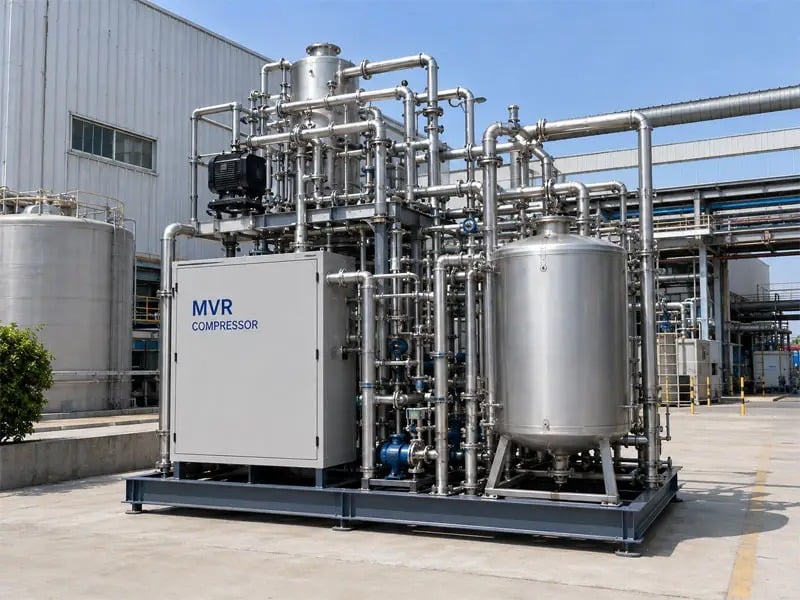
Foaming represents one of the most persistent operational challenges in industrial wastewater treatment facilities, particularly within a wastewater evaporator system. This phenomenon directly impacts treatment efficiency, reduces heat transfer capacity, and can compromise product quality and equipment integrity. Understanding the root causes of foaming and implementing effective management strategies is essential for operators seeking to maintain consistent, reliable performance across their wastewater treatment infrastructure.
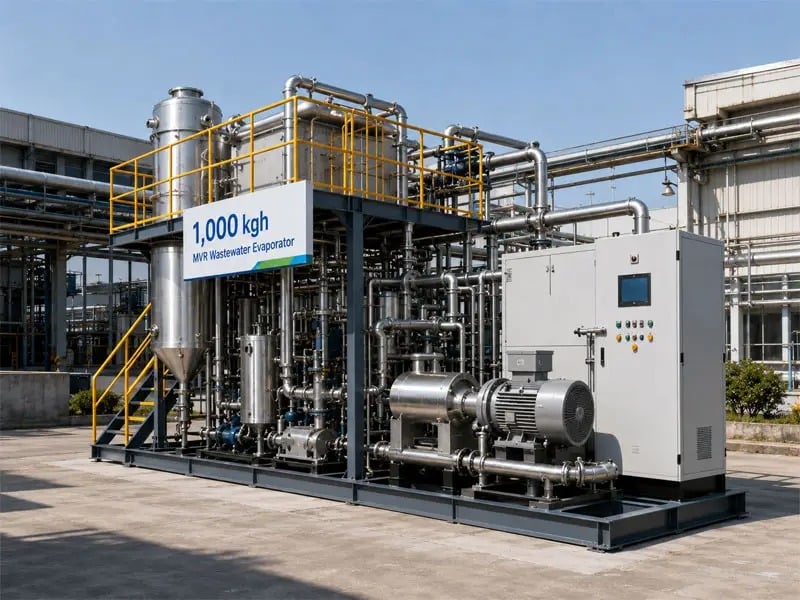
Foaming occurs when gas bubbles accumulate at the liquid surface, creating a persistent foam layer that disrupts evaporation and can overflow from the evaporator vessel. In a wastewater evaporator system, this condition typically develops due to the presence of surface-active compounds within the feed stream, combined with specific operating conditions. The consequences extend beyond aesthetic concerns, affecting throughput rates, energy consumption, and the reliability of downstream separation and recovery processes.
Root Causes of Foaming in Evaporator Systems
Feed Chemistry and Surface-Active Contaminants
The composition of incoming wastewater plays a central role in determining whether foaming will occur during evaporation. Surfactants, proteins, oils, and other organic compounds naturally reduce surface tension, making them ideal foam-stabilizing agents within a wastewater evaporator system. Industrial discharges from textile mills, food processing plants, chemical manufacturers, and detergent suppliers introduce these problematic compounds into treatment streams. Feed chemistry analysis is the first critical step in diagnosing and preventing foaming issues before they escalate operational problems.
Fatty acids, emulsifiers, and biodegradable organic matter create particularly stable foam matrices that resist natural collapse. When these substances concentrate during the evaporation process, their foam-forming potential intensifies significantly. Understanding the specific feed chemistry composition allows operators to anticipate foaming risk and select appropriate preventative measures tailored to their particular wastewater profile.
Operating Conditions and Mechanical Factors
Foaming severity within a wastewater evaporator system increases dramatically under specific operational conditions. High boiling rates, excessive steam input, and rapid vapor generation create turbulent conditions that fragment liquid into smaller droplets, expanding the liquid-vapor interface where foam naturally develops. Temperature fluctuations and pressure variations can destabilize foam layers, causing them to reform and persist throughout the evaporation cycle. Improper liquid residence time and inadequate separation space between the boiling zone and vapor outlet compounds these mechanical challenges.
Vessel design geometry, steam distribution patterns, and feed introduction methods directly influence foaming tendency. Poorly designed feed distribution can create localized high-velocity zones that promote violent boiling and foam propagation. Inadequate freeboard space in the evaporator vessel leaves insufficient distance for foam to collapse before liquid entrainment occurs, leading to carryover and system upsets.
Management Strategies and Control Measures
Feed Pre-treatment and Chemistry Modification
Controlling foaming begins upstream through proactive feed chemistry management within the wastewater evaporator system design. Pre-treatment systems including coalescing filters, air flotation units, and biological reactors remove or reduce surface-active compounds before they enter the evaporator. Chemical coagulation and flocculation processes selectively precipitate many foam-forming substances, significantly reducing their concentration in the feed stream. These pre-treatment investments reduce operational strain on the evaporator and extend foam-management effectiveness.
Adjusting feed chemistry through pH modification, alkalinity control, and metal salt addition can reduce surface tension and foam stability. Lime addition, sulfuric acid treatment, and ferric chloride dosing modify the chemical environment in ways that destabilize foam structures. These chemistry-based controls work alongside mechanical measures, providing synergistic foam reduction within a wastewater evaporator system operating under demanding conditions.
Operational Controls and Antifoam Application
Real-time operational controls prevent foaming within a wastewater evaporator system by modulating steam input, reducing boiling intensity, and maintaining stable temperature conditions. Gradual feed rate increases allow foam stabilization time to pass without accumulation, while reduced vapor generation rates diminish the mechanical energy driving bubble formation. Pressure management and controlled condensation help maintain system stability and prevent rapid pressure swings that destabilize existing foam layers.
Antifoam agents represent the most direct mechanical control strategy for active foaming conditions. Silicone-based antifoams, mineral oil formulations, and proprietary defoaming compounds rapidly collapse foam structures by disrupting surface-active film barriers. Dosing timing and injection location within the wastewater evaporator system prove critical for effectiveness, with optimal application occurring at the first sign of foam development. Antifoam usage must be balanced carefully, as excessive application can interfere with downstream separation processes and product recovery.
Long-Term System Optimization and Performance
Equipment Design and Process Integration
Preventing foaming through thoughtful wastewater evaporator system design represents the most sustainable long-term strategy for industrial operators. Separator internals including demister pads, mesh contactors, and cyclone separators mechanically remove entrained liquid and foam before vapor exits the vessel. Adequate freeboard space, optimized feed distribution ports, and graduated boiling zones create conditions where natural foam collapse occurs before vapor disengagement. These design features work continuously without chemical additive consumption or operational intervention.
Advanced evaporator configurations including falling film, rising film, and circulation designs distribute boiling more evenly across heating surfaces, reducing localized high-velocity conditions that promote foaming. Heat integration strategies that moderate temperature gradients and steam input profiles prevent the violent boiling that foam requires. Coupling the wastewater evaporator system with robust separation technology ensures that any foam development is quickly controlled before it affects downstream processes or product quality.
Monitoring, Maintenance, and Adaptive Management
Continuous monitoring of foam levels, liquid carryover rates, and system pressure differentials provides early warning of developing foaming conditions. Regular feed analysis tracking surface-active compound concentrations enables operators to anticipate foaming risk and adjust controls proactively. Maintenance protocols that keep heat transfer surfaces clean, separator internals unobstructed, and steam distribution systems balanced prevent equipment degradation that accelerates foam formation. Documentation of foaming incidents, their triggers, and successful control responses builds operational knowledge that guides future adjustments.
Adaptive management recognizes that wastewater composition and operational demands evolve over time, requiring periodic reassessment of foaming risk and control strategy effectiveness. Seasonal variations in incoming waste characteristics, changes to upstream industrial processes, and equipment aging all influence optimal control approaches. Flexible, multi-layered foaming management combining feed chemistry control, operational adjustments, and equipment design excellence ensures sustained performance across the full range of conditions a wastewater evaporator system encounters.
FAQ
What is the primary cause of foaming in wastewater evaporator systems?
Foaming primarily results from surface-active compounds in the feed chemistry reducing surface tension and stabilizing gas bubbles. Combined with turbulent operating conditions that create excessive bubbling, these contaminants form persistent foam that disrupts evaporation efficiency. Surfactants, proteins, oils, and emulsifiers from industrial waste streams are the dominant foam-forming agents in a wastewater evaporator system.
How does feed chemistry affect foaming management?
Feed chemistry directly determines foaming potential because surface-active compound concentration and composition dictate foam stability. Pre-treatment removing these compounds, chemical modification adjusting pH and alkalinity, and coagulation precipitation all reduce foaming risk. Understanding your specific feed chemistry composition allows targeted controls that effectively prevent foaming in your wastewater evaporator system.
What are the most effective controls for active foaming during operation?
Operational controls reducing steam input and boiling intensity, combined with antifoam chemical injection at the first sign of foam development, provide the most immediate relief. Feed pre-treatment upstream and superior separator internals prevent foam formation before it becomes operational. A layered approach combining feed chemistry management, operational discipline, and chemical additives ensures comprehensive foaming control throughout your wastewater evaporator system lifecycle.

 EN