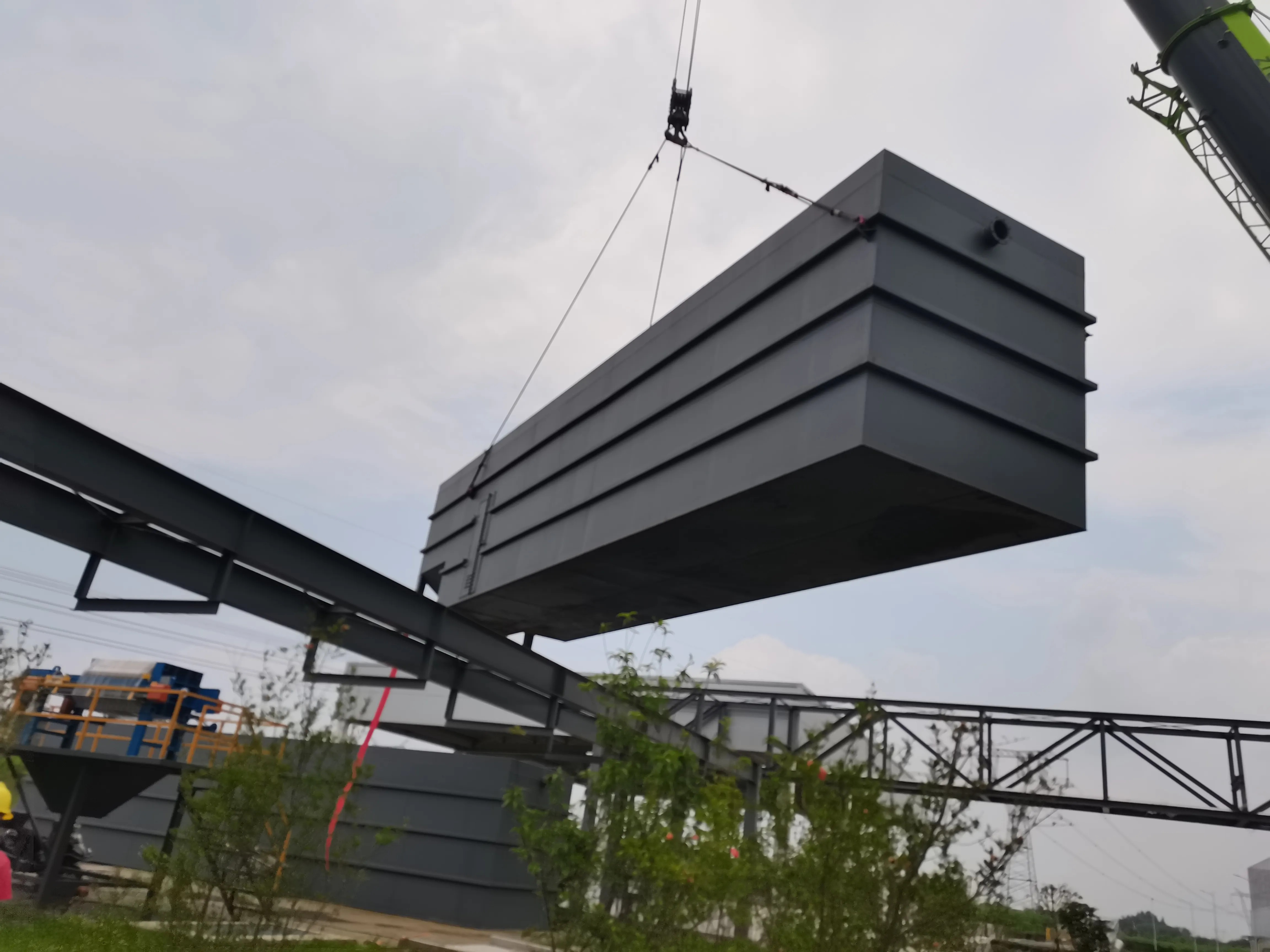
Determining the total water treatment facility cost is one of the most critical decisions for industrial and municipal planners. Unlike a simple procurement exercise, the expense depends on dozens of interconnected variables that extend far beyond equipment selection. Site conditions, process design philosophy, CAPEX requirements, and long-term utilities consumption create a complex cost landscape that demands systematic understanding. Without clarity on which factors move the budget needle most, facilities often face cost overruns, scope creep, or inadequate functional design that compromises performance.
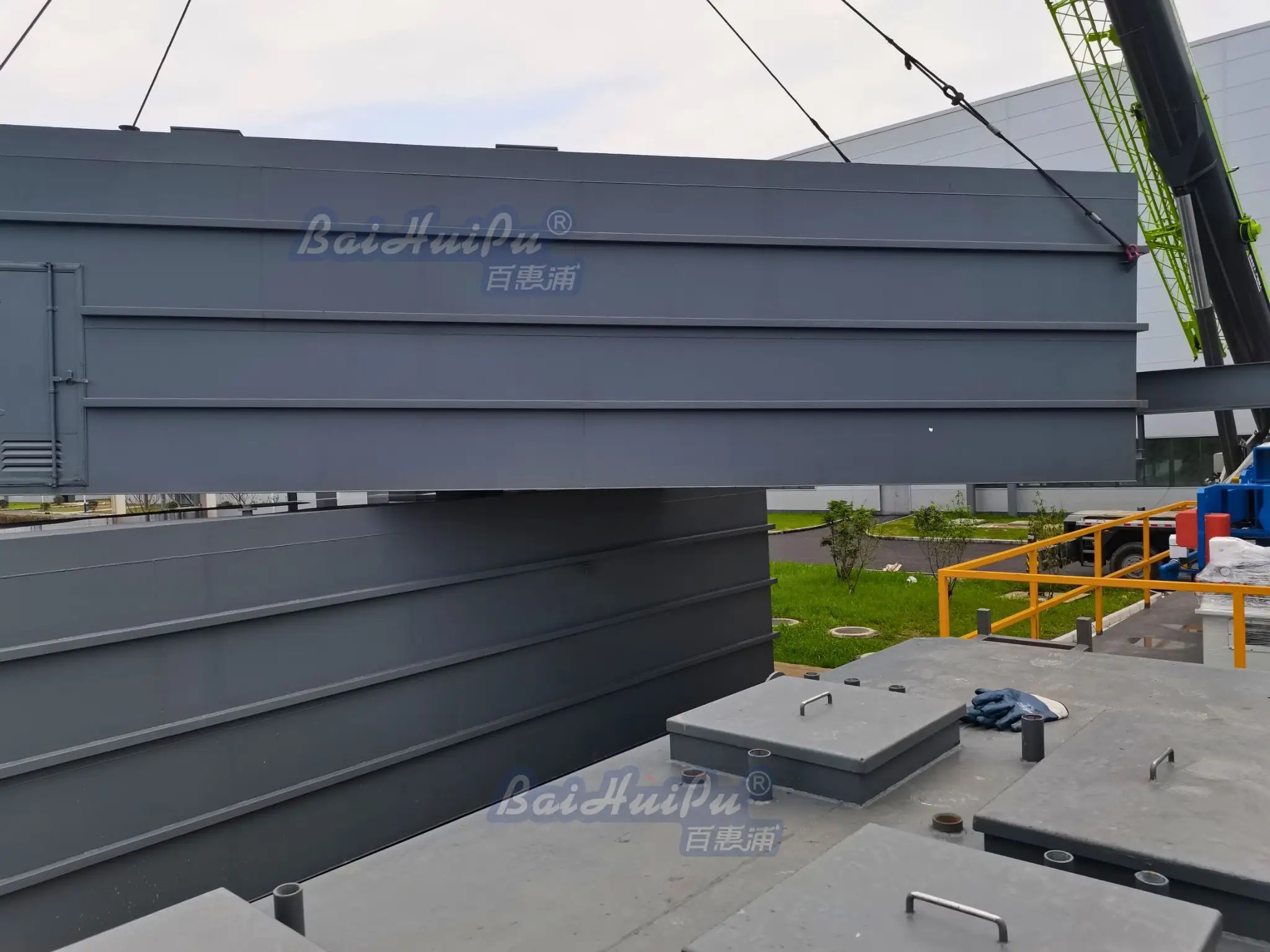
This article breaks down the dominant cost drivers for water treatment facilities, showing how site conditions and process design interact to shape your total budget. By understanding these levers, you can make informed trade-offs between capital investment and operational efficiency, align stakeholder expectations, and avoid hidden cost surprises during construction and commissioning.
Site Conditions and Their Impact on Capital Expenditure
Geographical and Geotechnical Factors
Site conditions form the foundation of any water treatment facility cost estimate. Soil stability, groundwater depth, seismic risk, and climate exposure directly influence foundation design, structural requirements, and contingency margins. Poor soil bearing capacity may require deep piling, soil stabilization, or specialized foundation systems that add tens of thousands to CAPEX before a single treatment unit is installed. Equally important is access to the site, proximity to utilities, and existing infrastructure. Remote locations with limited road access and no nearby power grids demand additional investment in roads, transmission lines, and backup power systems.
Regulatory and Permitting Context
The local regulatory environment and permitting landscape shape water treatment facility cost in ways that are often underestimated. Sites in environmentally sensitive areas may require extended environmental impact assessments, specialized discharge permits, or buffer zones that reduce usable land and increase site prep costs. Some jurisdictions mandate redundancy in treatment trains, advanced monitoring systems, or specific containment standards that inflate CAPEX. These regulatory additions are site-specific and non-negotiable, making early engagement with local authorities a critical cost-control step.
Process Design as the Primary Cost Multiplier
Treatment Pathway Selection
The choice of treatment process—conventional settling, membrane filtration, chemical oxidation, biological treatment, or advanced oxidation processes—fundamentally shapes water treatment facility cost and operational economics. A simple settling basin with sand filtration requires far less CAPEX than a multi-stage membrane or reuse-focused reclamation train. Process design directly determines the number of treatment stages, equipment redundancy, chemical usage, energy demand, and skilled labor requirements. This decision cannot be reversed after construction, making early-stage process selection a make-or-break moment for budget alignment.
Capacity Margins and Redundancy
Planning for peak flows versus average flows introduces substantial cost variability into water treatment facility cost budgets. Many facilities are designed for 20–40% capacity margins to handle seasonal fluctuations and maintain service reliability during maintenance. This cushion is prudent but expensive; oversizing treatment stages, clarifiers, and filtration trains multiplies CAPEX directly. Conversely, redundant treatment trains—a common requirement in process design for mission-critical facilities—double or triple capital investment while ensuring zero-downtime operation. The tension between capacity margin and redundancy, combined with realistic demand forecasting, determines whether CAPEX is lean or inflated.
Utilities, Operations, and Hidden Budget Consequences
Energy and Chemical Consumption
Utilities costs operate on a different timeline than CAPEX, yet they influence the initial process design and overall project economics. Sites with expensive electricity may favor gravity-driven treatment over pump-intensive membrane systems, lowering operational cost but potentially increasing CAPEX. Chemical selection for disinfection, pH adjustment, and coagulation varies widely in consumption rate and unit cost; some processes consume ten times more chemicals than alternatives, shifting budget burden from initial equipment to recurring operations. A comprehensive water treatment facility cost analysis must integrate long-term utilities economics into upfront design decisions, because a low-CAPEX design with high operating costs creates false economy.
Site-Specific Labor and Maintenance Access
Facility design must accommodate skilled technician access, equipment replacement, chemical storage, and waste disposal logistics. Sites in congested urban areas or with severe weather exposure may demand weatherproof buildings, elevated chemical storage, or specialized equipment lifting systems that increase both CAPEX and operational overhead. The total water treatment facility cost must account for ongoing staff training, spare parts inventory, and specialized service contractor availability. Remote or isolated sites face compounded labor costs and delayed maintenance response, creating economic pressure to build in overdesign margins and redundancy that would be unnecessary in accessible locations.
FAQ
What portion of water treatment facility cost typically comes from CAPEX versus operational utilities?
CAPEX typically represents 40–60% of the ten-year total cost of ownership, while utilities and labor represent 30–50%. The split varies dramatically by process design and site conditions. Energy-intensive membrane systems shift the ratio toward operational cost, while gravity-fed simple treatment shifts it toward CAPEX. Site-specific factors like electricity rates and chemical availability create additional variation.
How do site conditions directly influence the water treatment facility cost budget?
Site conditions affect foundation depth, utility infrastructure, access roads, permitting timelines, and regulatory compliance requirements. Poor soil bearing capacity can add 15–25% to structural costs alone. Remote locations multiply site prep, power, and access costs. Environmentally sensitive sites require extended permitting and specialized containment, increasing CAPEX by 20–40% depending on local regulations.
Can process design changes reduce water treatment facility cost without sacrificing performance?
Yes, but with trade-offs. Selecting treatment processes matched to actual influent quality—rather than worst-case scenarios—reduces unnecessary stages. Gravity-driven settling instead of high-energy membrane filtration lowers utilities but may increase land footprint. Right-sizing capacity margins and eliminating redundancy where reliability standards permit reduces CAPEX. However, these optimizations require rigorous engineering and stakeholder alignment to avoid future performance failures.

 EN