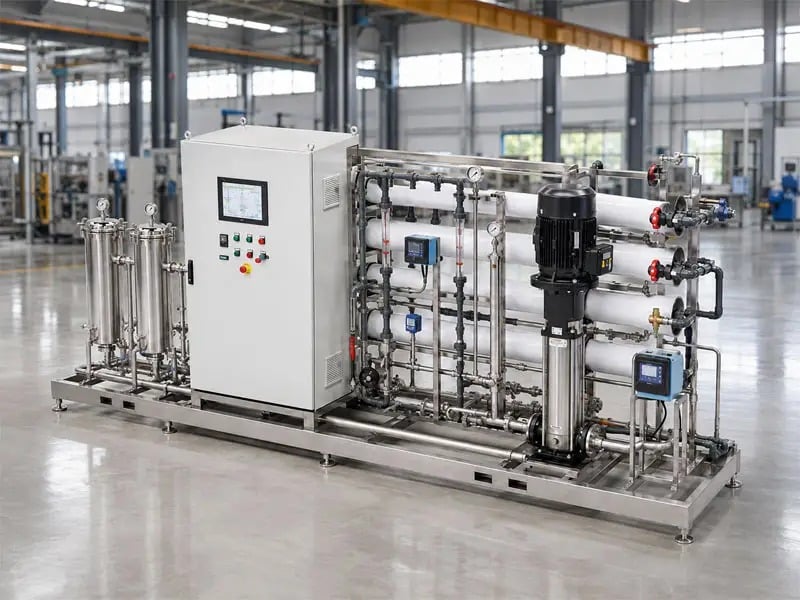
Selecting the right water recycling unit requires more than identifying available equipment. You must first establish clear capacity and water quality targets that align with your operational needs, regulatory constraints, and long-term sustainability goals. Without these specifications defined upfront, you risk selecting equipment that underperforms, exceeds budget, or fails to meet compliance standards. The foundation of every successful wastewater recycling implementation starts with precise planning of what your facility needs to treat and what reuse outcomes you expect to achieve.
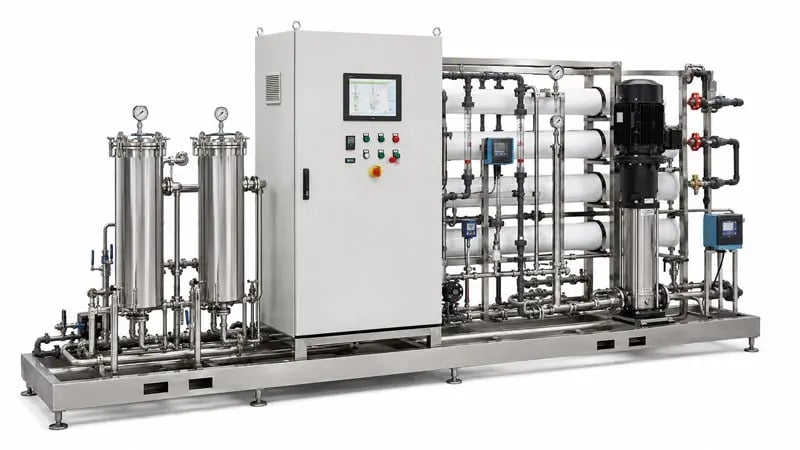
Capacity and water quality targets form the backbone of your recycling strategy. The capacity defines how much wastewater your system must handle daily or hourly, while water quality parameters specify what contaminants must be removed and to what degree. These two factors drive every aspect of system design, including filtration methods, chemical treatment requirements, storage infrastructure, and operational costs. When you clearly articulate these targets, you gain the ability to evaluate equipment options objectively and ensure that your chosen water recycling unit will deliver consistent performance over its operational lifespan.
Understanding Capacity Requirements for Water Recycling
Calculating Your Daily Flow Volume
The first step in capacity planning is determining your actual wastewater generation. Measure your facility's daily or peak-hour flow volume by analyzing production schedules, employee numbers, and process-specific water consumption. Industrial facilities often generate varying loads throughout the day, so capacity must accommodate peak demand to prevent overflow or treatment bottlenecks. Establish your baseline flow rate in gallons per minute or cubic meters per hour, then add a 15–20 percent safety margin to account for seasonal variations, production surges, or future growth. This realistic capacity target ensures your water recycling unit operates efficiently without constant stress.
Matching Capacity to Reuse Applications
Not all reuse applications demand the same flow rate. Cooling tower makeup, irrigation, or washdown operations may each require different continuous or intermittent flow levels. Landscape irrigation typically demands lower consistent flow, while industrial reuse for cooling systems may require higher volumes. Your chosen reuse scenario directly influences the capacity target you must define. If you plan to reuse recycled water across multiple applications simultaneously, aggregate those demands to establish total system capacity. This layered approach ensures your water recycling unit can support all intended reuse pathways without compromise.
Defining Water Quality and Treatment Targets
Identifying Key Quality Parameters
Water quality encompasses multiple parameters: suspended solids, turbidity, biochemical oxygen demand, chemical oxygen demand, nitrogen compounds, phosphorus, pathogens, and dissolved minerals. Your reuse application determines which parameters matter most. Irrigation and landscape reuse typically prioritize suspended solids and turbidity removal, while cooling system reuse also requires control of mineral content and scale-forming compounds. Industrial process water reuse may demand removal of specific industrial contaminants unique to your operations. Start by identifying which parameters your chosen reuse application can tolerate, then cross-reference those limits with applicable regulations in your jurisdiction. This intersection reveals which water quality targets your recycling unit must achieve.
Regulatory Compliance and Local Standards
Recycled water regulations vary significantly by location and reuse type. Some jurisdictions impose stringent reclaimed water standards that mandate tertiary treatment including filtration and ultraviolet disinfection, while others apply lighter frameworks for non-potable reuse. Research your local environmental agency requirements, building codes, and industry-specific guidelines before finalizing water quality targets. Many regions also require permits that specify allowable end-use categories and mandatory treatment pathways. When you align your design specifications with these regulatory requirements upfront, you avoid costly system modifications, compliance violations, or rejection of your recycling initiative. Water quality targets must therefore balance operational efficiency with local legal mandates.
Integrating Capacity and Quality in System Design
Trade-offs Between Scale and Treatment Intensity
System design involves strategic trade-offs. A high-capacity water recycling unit with stringent water quality requirements demands more robust filtration, more chemical treatment, and higher energy consumption. Conversely, a lower-capacity system designed for applications tolerating moderate quality levels reduces capital investment and operational complexity. Your defined targets guide these decisions. If your facility generates large wastewater volumes but your reuse application (such as dust control irrigation) tolerates lower water quality, you can specify a larger, less intensively treated system at lower cost. Alternatively, if your reuse demands pristine water quality despite moderate volumes, you invest in advanced treatment for smaller flow rates. This alignment prevents over-specification or under-specification of your recycling equipment.
Long-Term Flexibility and Scalability
Your initial capacity and quality targets should anticipate reasonable growth without necessitating complete system replacement. Select a water recycling unit design that permits modular expansion or upgrade pathways. If current reuse applications support 50 gallons per minute but future production growth may justify 75 gallons per minute, design your baseline system with headroom for additional treatment stages. Similarly, if regulatory standards may tighten over the next five years, specify treatment capability that exceeds current minimum requirements. Thinking beyond immediate needs ensures your capital investment remains viable as conditions evolve. Documentation of your initial capacity and quality targets also creates a clear baseline for comparing future expansion needs.
FAQ
How do I determine the optimal capacity for my water recycling unit?
Measure your facility's average and peak wastewater flow rates based on production data and operational schedules. Add a 15–20 percent safety margin to account for fluctuations and future growth. Next, identify all intended reuse applications and their individual flow demands, then aggregate these to establish total system capacity. This data-driven approach prevents both undersizing and unnecessary over-investment in your water recycling unit.
What water quality parameters should I prioritize for my recycling project?
Prioritize parameters directly tied to your chosen reuse application. Irrigation typically requires control of suspended solids and turbidity, while cooling system reuse demands mineral content management. Industrial process water may need removal of specific contaminants. Cross-reference these application needs against local regulations to identify mandatory limits. This combined view ensures your water quality targets support both operational performance and legal compliance.
Can I modify my capacity or water quality targets after system installation?
Some modifications are feasible, but expansion or quality upgrades often require additional equipment, chemical systems, or energy infrastructure. Planning realistic targets upfront and specifying modular design prevents expensive retrofits. If you anticipate possible changes within five years, communicate these scenarios during system specification so your water recycling unit can be designed with appropriate flexibility from the start.

 EN