Designing a successful water recycling plant requires more than equipment selection and installation. The foundation of any viable recycling operation lies in setting recovery targets that reflect both your operational capacity and market realities. Recovery targets define how much water you aim to recycle from your incoming wastewater stream, and they directly influence every design decision downstream, from membrane selection to pretreatment strategy.
Setting realistic targets is not about reaching the highest possible recovery percentage. Instead, it involves understanding your wastewater characteristics, the end-use requirements of recycled water, operational constraints, and long-term maintenance demands. When targets are misaligned with actual plant conditions, you face rising costs, frequent equipment failures, and disappointing performance metrics. This guide walks through the essential factors that determine achievable water recovery rates and how to build a design strategy around them.
Understanding Feed Quality and Its Impact on Recovery Targets
Feed quality is the single most critical variable in determining realistic water recovery targets. The composition, suspended solids concentration, organic load, and chemical characteristics of your incoming wastewater directly dictate how much water your system can process and how efficiently your membrane technology will function. Poor feed quality forces lower recovery percentages because the system must reject more water to maintain treated water standards.
Characterizing Your Wastewater Stream
Before setting recovery targets, conduct a comprehensive analysis of your wastewater. Measure total suspended solids (TSS), biological oxygen demand (BOD), chemical oxygen demand (COD), turbidity, and any industry-specific contaminants. Feed quality metrics determine the pretreatment intensity required and the lifespan of your membrane. If your feed quality is highly variable, you must design around worst-case conditions, which typically reduces achievable recovery rates.
Industrial sources often produce wastewater with higher contamination loads than municipal streams. A water recycling plant treating process effluent from manufacturing may achieve 60–70% recovery, while the same design handling high-contamination streams might only recover 40–50%. Understanding this variability prevents overestimating recovery potential during the design phase.
Pretreatment as a Recovery Enabler
Robust pretreatment improves both water recovery and system longevity. Sand filters, clarifiers, and multimedia filtration remove suspended solids and reduce the organic load before water reaches your membrane stage. Better feed quality entering the membrane system means the membrane can operate at higher recovery percentages without premature fouling. However, pretreatment adds capital costs and operational complexity, so the design must balance improved recovery against infrastructure investment.
Membrane Technology Selection and Recovery Feasibility
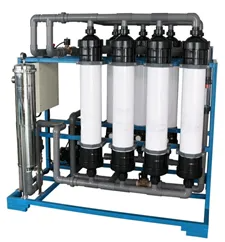
The choice of membrane technology fundamentally shapes recovery targets. Microfiltration, ultrafiltration, nanofiltration, and reverse osmosis each have different water recovery capabilities and operational windows. A water recycling plant employing only microfiltration will achieve lower recovery rates than one combining ultrafiltration with nanofiltration. Membrane choice depends on product water quality requirements, available space, energy budget, and chemical handling capacity.
Matching Membrane Type to Recovery Goals
Reverse osmosis membranes achieve the highest water recovery rates, often 75–90%, but they generate reject streams with concentrated contaminants that require further treatment or disposal. Nanofiltration offers 50–75% recovery with lower energy demand and gentler handling of certain compounds. Ultrafiltration and microfiltration deliver 60–80% recovery but produce treated water with higher dissolved solids, suitable mainly for non-potable reuse. Your recovery target must align with the membrane technology you select, and the membrane choice must match your discharge regulations and reuse applications.
Energy consumption rises sharply at higher recovery percentages because the system must overcome increased osmotic or hydrostatic pressure to push more water through the membrane. A water recycling plant targeting 85% recovery from a difficult feed stream faces exponentially higher operating costs than one targeting 65%. The design phase must include energy modeling to ensure recovery targets remain economically viable over the facility's lifetime.
Fouling Risk and Membrane Lifespan
Operating membranes at high recovery rates accelerates fouling, which reduces membrane lifespan and increases cleaning frequency. If your design pushes recovery beyond the membrane's sustainable operating point, maintenance costs balloon and downtime increases. Realistic recovery targets account for membrane replacement cycles, cleaning protocols, and performance degradation over time. Many operators choose moderate recovery rates (60–70%) to extend membrane life and reduce total cost of ownership, even when technology could theoretically achieve higher recovery.
Practical Design Considerations and Operational Reality
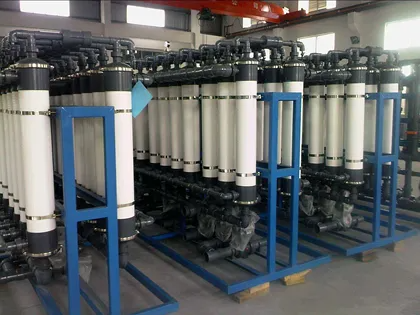
Translating recovery targets into hardware requires understanding the operational constraints specific to your site. Space limitations, seasonal wastewater volume fluctuations, chemical handling capabilities, and skilled labor availability all constrain what recovery percentages are truly realistic. A theoretical design suggesting 80% water recovery may not be implementable if your site has insufficient area for membrane banks or if skilled operators are scarce.
Volume Variability and Seasonal Adjustments
Wastewater volumes often fluctuate by season or production cycle. Design a water recycling plant targeting fixed recovery percentages without accounting for peak flows and low-flow periods, and you create bottlenecks or underutilized capacity. Most facilities set conservative recovery targets for average conditions and allow flexibility during off-peak periods. This design approach maintains consistent performance without oversizing equipment for rare peak scenarios.
Reject Stream Management and Disposal Costs
Higher recovery means more reject water requiring treatment, storage, or disposal. If your facility lacks evaporation ponds, deep wells, or municipal sewer connections, reject disposal becomes a significant cost driver. Realistic recovery targets must include the expense and logistics of managing reject streams. Some sites achieve 60% recovery economically but would face prohibitive costs reaching 80% because of reject handling constraints. Water recovery planning must factor disposal expenses into the target-setting process to avoid costly surprises after startup.
FAQ
What recovery percentage should a new water recycling plant target?
Recovery targets typically range from 50% to 85%, depending on feed quality, membrane technology, and end-use applications. Most industrial water recycling plants operate between 60% and 75% to balance performance with cost efficiency. Start with a pilot study or feasibility assessment of your specific wastewater characteristics before committing to a target, because aggressive targets without proper feed quality analysis lead to disappointment.
How does feed quality affect the design of a water recycling plant?
Poor feed quality requires more intensive pretreatment, reduces achievable recovery percentages, and increases membrane fouling risk. A water recycling plant fed with high-turbidity, high-contamination wastewater must either invest heavily in pretreatment or accept lower recovery targets. Characterizing your wastewater upfront ensures your design reflects realistic recovery potential rather than theoretical maximums.
Can I increase recovery targets after a water recycling plant is operational?
Modest increases are possible through optimization, but major target increases usually require hardware upgrades. You can improve feed quality with better pretreatment, upgrade to higher-capacity membrane, or add additional membrane stages. However, each enhancement carries capital cost and operational complexity. It is far more cost-effective to set realistic targets during design than to retrofit a system later.

 EN