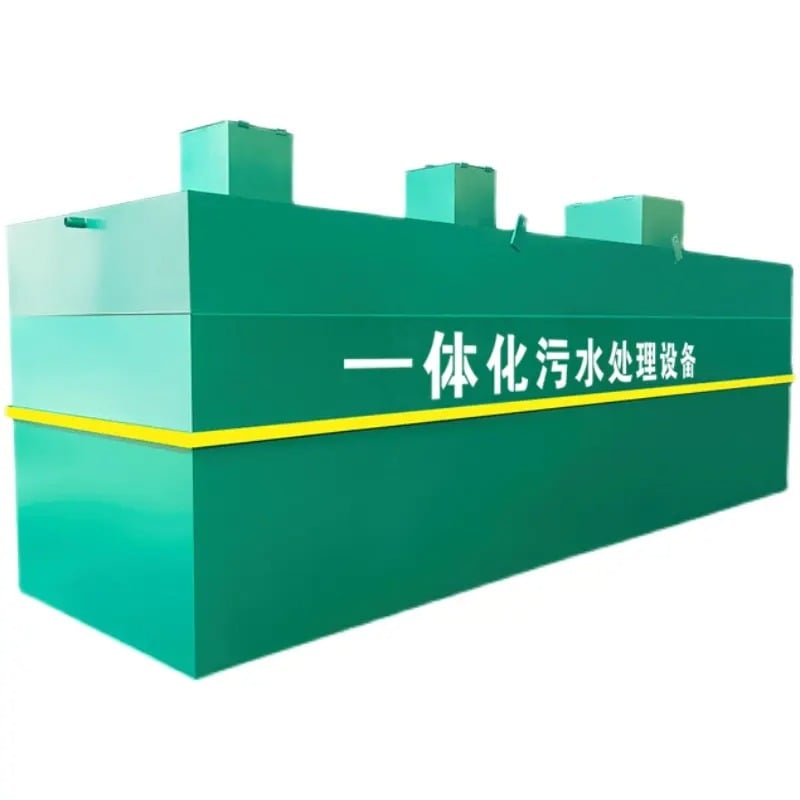
Selecting and contracting with a wastewater treatment system manufacturer represents one of the most consequential decisions in industrial infrastructure development. The stakes are high because poor manufacturer selection directly impacts operational reliability, regulatory compliance, and long-term treatment facility performance. Before signing any contract, facility managers and procurement teams must conduct rigorous verification of the manufacturer's capabilities, track record, and commitment to service excellence. This article explores the critical verification steps that protect your facility investment and ensure successful project delivery.
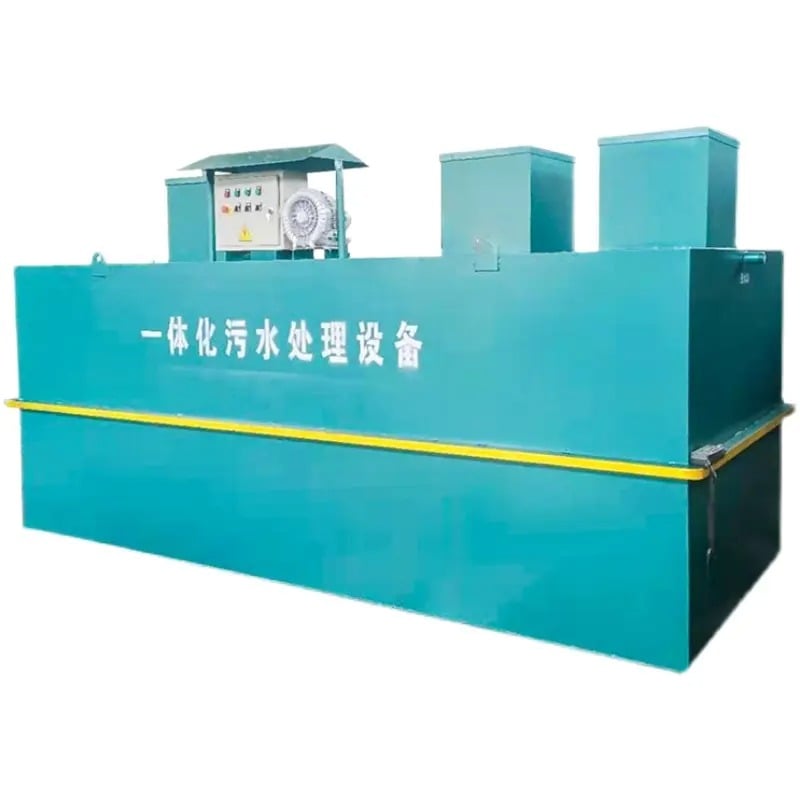
The contract award decision should never rest solely on price or convenience. A comprehensive verification process examines manufacturer credentials, technical specifications, financial stability, and service support infrastructure. Organizations that skip these verification steps frequently encounter delays, cost overruns, quality defects, and inadequate post-installation support. This structured approach to manufacturer evaluation reduces risk, ensures acceptance criteria are clearly defined upfront, and establishes realistic expectations for ongoing service delivery.
Manufacturer Credentials and Technical Capabilities
Verifying Industry Experience and Certifications
Begin by confirming that your potential manufacturer holds relevant industry certifications and has substantial documented experience with wastewater treatment system design and deployment. ISO 14001 environmental management certification, ISO 9001 quality management systems, and industry-specific accreditations demonstrate commitment to standardized processes. Ask the manufacturer to provide case studies, project references, and performance data from similar installations in your geographic region or treatment category. Direct contact with existing customers reveals real-world system performance, reliability records, and whether the manufacturer delivers on promised service levels.
Technical Design and Engineering Capacity
A qualified manufacturer must demonstrate in-house engineering capabilities rather than simply reselling generic equipment. Request detailed documentation of their design methodology, treatment process selection logic, and how they customize solutions for specific influent characteristics and discharge requirements. Verify that the manufacturing facility has adequate equipment for fabrication, testing, and quality control. Ask whether they conduct factory acceptance testing before shipment and whether they offer performance guarantees in writing. The manufacturer's ability to handle system customization, adapt to site-specific constraints, and respond to design modification requests indicates maturity and flexibility.
Financial Stability and Contract Terms
Assessing Manufacturer Financial Health
Before awarding a contract, verify that your manufacturer has financial stability sufficient to complete the project, honor warranties, and remain operational for decades of potential service support. Request audited financial statements for the past three years, bank references, and confirmation of adequate working capital. Contact their primary suppliers to confirm the manufacturer maintains good payment history. A financially distressed manufacturer may cut corners, delay delivery, or disappear entirely if cash flow becomes critical. Organizations must also confirm that the manufacturer carries adequate liability insurance, performance bonds, and equipment warranty coverage as specified in the contract.
Defining Acceptance Criteria in the Contract
The contract must explicitly define acceptance criteria before the manufacturer begins work. Acceptance provisions should specify performance parameters such as effluent quality targets, treatment capacity, hydraulic retention time, and compliance with discharge permits. Include detailed testing protocols, acceptable test result ranges, and timelines for achieving compliance. Clarify whether acceptance occurs at factory acceptance testing, site acceptance testing, or after a commissioning period. The contract should establish remedies if the system fails to meet acceptance criteria, including repair obligations, replacement provisions, and financial adjustments. Clear acceptance definitions prevent disputes and ensure the manufacturer cannot hand over a non-performing system.
Service Support and Long-Term Commitment
Service Infrastructure and Response Capability
Verify that the manufacturer maintains adequate service infrastructure in your geographic region or will establish it as part of the contract. Request details about spare parts inventory, technician availability, emergency response protocols, and average service response times. Ask whether service support is provided directly by the manufacturer or through authorized distributors, and confirm escalation procedures if issues remain unresolved. A manufacturer with distributed service centers, stock of critical replacement components, and trained service technicians provides far greater operational security than remote-only support. Define service levels contractually and establish performance metrics so you can measure manufacturer accountability.
Training and Operator Support
The manufacturer must commit to comprehensive operator training and technical documentation as part of the contract. Verify that they provide hands-on training for your facility staff during commissioning, written operations manuals, troubleshooting guides, and ongoing technical support access. Confirm whether training is conducted on-site or at the manufacturer's facility, and clarify the duration and scope. Request that all training materials be provided in your facility's primary language. Inadequate operator training directly undermines system performance because facility staff must understand normal operation parameters, maintenance requirements, and how to respond to treatment upsets. The manufacturer's commitment to training reflects their dedication to long-term customer success rather than one-time equipment delivery.
Regulatory Compliance and Risk Management
Regulatory Certifications and Discharge Permits
Confirm that the manufacturer has experience meeting regulatory requirements specific to your jurisdiction and treatment category. Verify that they understand applicable discharge permit limits, environmental regulations, and monitoring obligations. Ask whether they provide assistance in permit applications, regulatory correspondence, and meeting compliance deadlines. A manufacturer familiar with your regulatory environment can anticipate potential issues and design systems that reliably achieve compliance. Conversely, a manufacturer unfamiliar with local regulations may design a system that fails initial permit review, causing costly delays.
Warranty Coverage and Dispute Resolution
Before contract award, ensure that warranty terms are clearly defined and enforceable. Request that the manufacturer provide equipment warranties, performance warranties, and extended service warranties. Clarify warranty duration, coverage scope, and what constitutes manufacturer responsibility versus customer responsibility for maintenance. Establish dispute resolution mechanisms such as mediation or arbitration to avoid costly litigation if disagreements arise. The contract should specify which party bears costs if defects are discovered post-commissioning. Clear warranty language and dispute resolution procedures provide legal clarity and demonstrate that the manufacturer stands behind their work.
FAQ
What is the most important verification step when evaluating a manufacturer?
The single most critical verification step is confirming the manufacturer's proven track record through direct contact with existing customers operating similar treatment systems. Financial stability assessment and contract clarity are equally important, but customer references reveal whether the manufacturer actually delivers on promises regarding system performance, reliability, and service. Organizations should speak with at least three existing customers before contract award.
How should acceptance criteria be defined in the contract?
Acceptance criteria must specify measurable performance parameters including effluent quality standards, treatment capacity, contaminant removal efficiency, and discharge permit compliance. The contract should establish testing protocols, acceptable result ranges, and timelines for achieving full compliance. Include provisions for what happens if the system fails to meet acceptance criteria, such as repair obligations or replacement options. Clear acceptance definitions prevent disputes and ensure the manufacturer cannot deliver a non-performing system without recourse for the facility owner.
What service support should a manufacturer provide after system startup?
The manufacturer should provide comprehensive service support including spare parts availability, emergency response, trained service technicians, operator training, technical documentation, and ongoing support access. Service should be offered either directly or through authorized local distributors with defined response times. Operator training must be hands-on during commissioning, with written materials in your facility's language. The manufacturer should commit to wastewater treatment system manufacturer support for troubleshooting and addressing treatment performance issues throughout the system's operational life.

 EN