Understanding the true wastewater treatment system cost requires separating distinct financial components that often blur together in initial project estimates. Many facility managers and engineers encounter confusion when comparing quotes because they fail to distinguish between equipment cost, installation expenses, ongoing utilities, and total cost of ownership. This distinction becomes critical when evaluating whether a treatment solution fits within budget constraints and delivers genuine value over its operational lifespan. The gap between the price tag on equipment and the actual financial commitment can easily exceed fifty percent, making detailed cost analysis essential for sound capital planning.
Industrial and municipal wastewater treatment investments represent significant capital outlays, yet many organizations underestimate the full scope of financial responsibility. When stakeholders discuss wastewater treatment system cost, they frequently conflate equipment pricing with total project expense, leading to budget overruns and financing surprises. This article walks through each cost category systematically, helping decision-makers build accurate budgets and avoid hidden expenses that emerge only after purchase commitment.
Equipment Cost Versus Total System Investment
Understanding Core Equipment Pricing
The equipment cost represents the purchase price of treatment machinery, tanks, reactors, and primary components delivered to the facility. This figure typically appears in equipment manufacturer quotations and forms the foundation of any bid package. However, equipment cost alone masks significant additional outlays required to make a system operational. Clarifying what is included in the equipment cost statement proves essential; some vendors bundle peripheral components while others list them separately, creating apparent price differences that reflect only accounting structure rather than actual value differences.
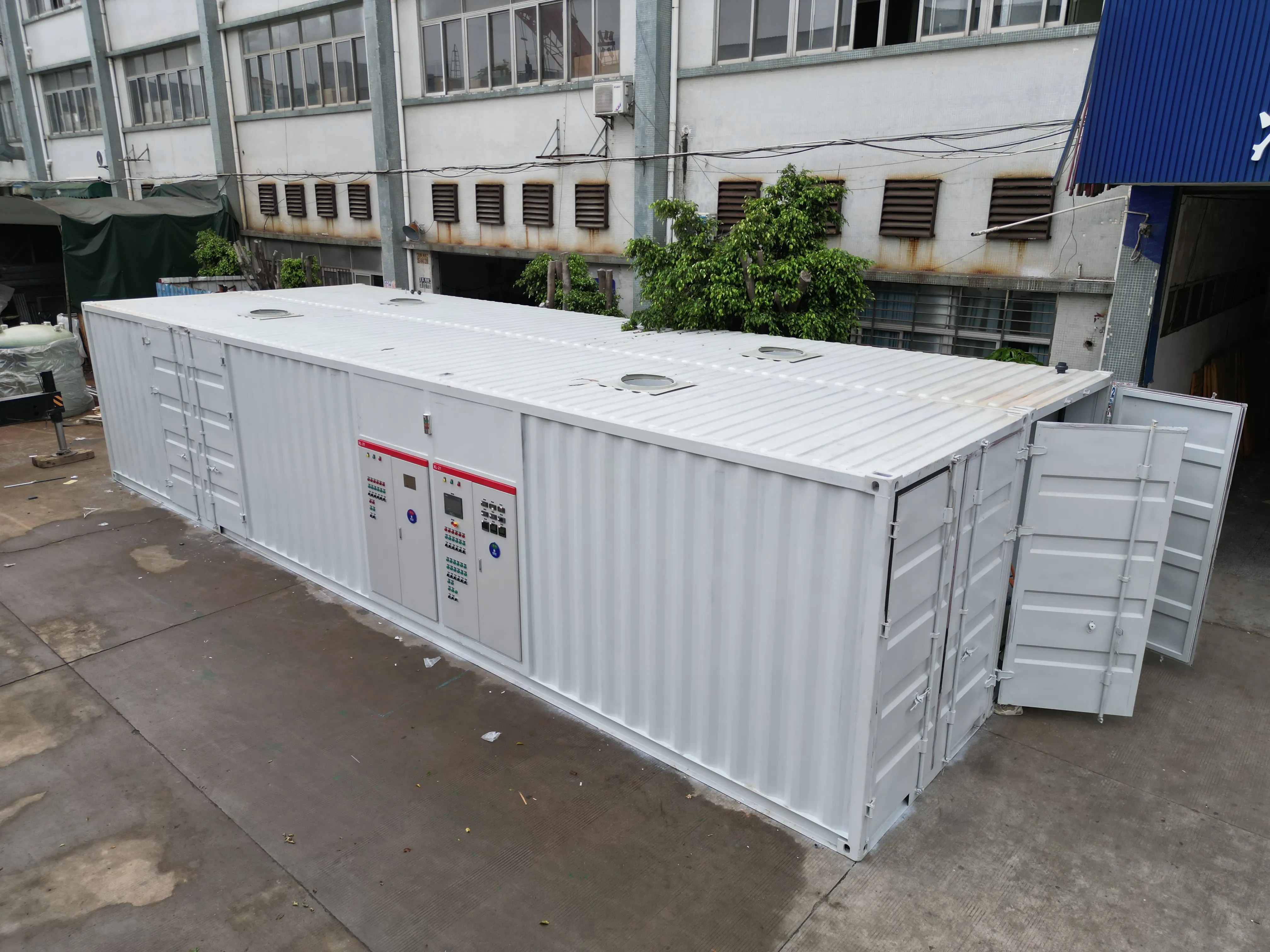
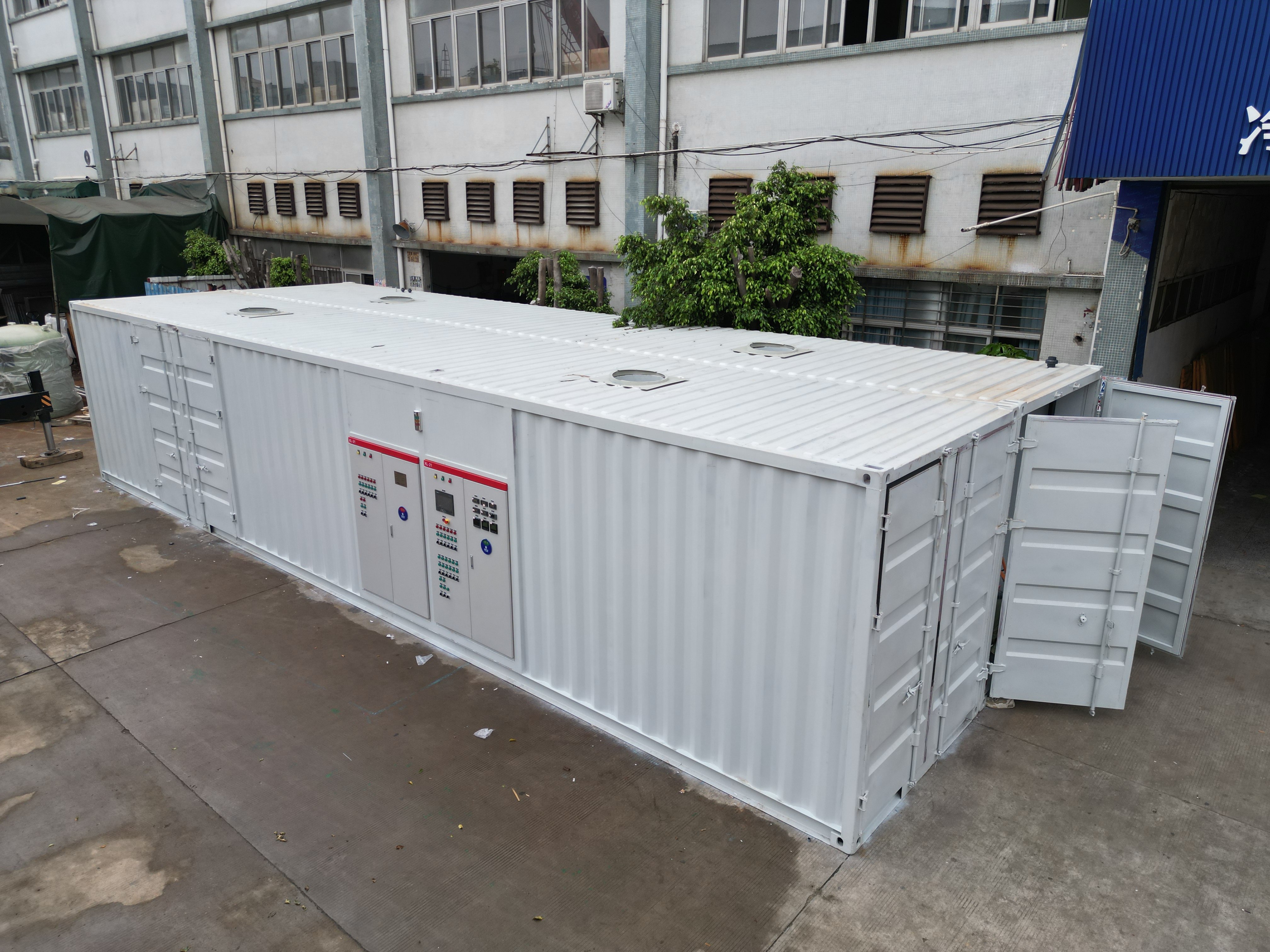
The wastewater treatment system cost for core equipment varies dramatically based on treatment capacity, technology pathway, and modularity. Skid-mounted, pre-assembled systems typically carry lower equipment cost than site-built solutions because manufacturing standardization reduces labor intensity. Conversely, custom-designed systems addressing unique effluent characteristics command premium equipment pricing due to engineering specificity and component customization.
Installation and Construction Expenses
Installation represents the second major cost category and often equals or exceeds equipment cost in total project scope. This category encompasses civil works including site excavation, concrete pad preparation, building modifications, and utility infrastructure routing. Skilled labor, equipment rental for construction, and site management all roll into installation costs that remain distinct from equipment cost pricing. A facility requiring extensive site preparation, such as contaminated soil remediation or building retrofitting, faces installation expenses that dwarf equipment pricing.
Installation complexity drives variation in this cost component more than any other factor in total wastewater treatment system cost calculations. A greenfield industrial park may require simple pad installation, while a retrofit in an existing urban facility demands coordination with building systems, environmental remediation, and regulatory compliance activities. Vendors sometimes quote equipment cost without installation costs, creating apparent pricing advantages that disappear once full scope emerges during detailed engineering phases.
Operational Cost Components and Utilities
Energy and Utilities Impact
Utilities represent the recurring operational expense category that continues throughout the system's lifespan, yet many capital budgeting processes treat utilities as separate from wastewater treatment system cost calculations. Aeration-based biological treatment systems consume substantial electrical energy, with blowers and pumps running continuously or on demand schedules. Advanced treatment methods including membrane filtration, ultraviolet disinfection, or ozone generation intensify electrical requirements significantly compared to conventional activated sludge approaches.
Chemical additives constitute another utilities component often underestimated in initial cost projections. Coagulants, flocculants, pH adjustment chemicals, and specialized treatment agents accumulate substantial expense annually depending on influent characteristics and treatment targets. Facilities treating industrial wastewater with variable influent composition often experience higher and more volatile chemical costs than municipal treatment operators managing consistent domestic flows. Understanding the utilities cost trajectory becomes vital when selecting between treatment technologies, as equipment cost differences may pale compared to long-term utilities and operational expense variations.
Maintenance and Labor Requirements
Beyond utilities, ongoing maintenance activities represent a significant operational cost that extends the true wastewater treatment system cost well beyond initial equipment and installation investments. Preventive maintenance schedules, parts replacement, equipment servicing, and system optimization require skilled personnel or contractor support. Treatment systems operating near regulatory compliance limits require more frequent monitoring and intervention than systems designed with operational margin, translating to higher labor and maintenance burdens.
Sludge handling and disposal costs emerge as often-overlooked operational expenses within total wastewater treatment system cost frameworks. Solids management through dewatering, drying, or disposal channels represents recurring financial commitment that varies based on sludge characteristics, local disposal regulations, and treatment process configuration. Some facilities achieve cost efficiency through solids reuse or land application pathways, while others face expensive disposal contracts that consume significant operational budgets.
Total Cost of Ownership and Long-Term Planning
Calculating True TCO
Total cost of ownership encompasses all financial commitments across the system lifespan, combining equipment cost, installation, utilities, maintenance, and eventual decommissioning or replacement cycles. TCO analysis frames wastewater treatment system cost as a financial stream extending ten, twenty, or thirty years into the future, rather than a single capital expenditure point. Facilities utilizing this comprehensive framework make superior technology selections because they weigh initial capital outlays against long-term operational economics transparently.
The TCO perspective reveals that a system with higher equipment cost but lower utilities requirements may deliver superior financial outcomes compared to lower-cost equipment demanding high ongoing operational expense. Process selection decisions become clearer when stakeholders calculate total financial impact across decades of operation rather than focusing narrowly on equipment cost at purchase time. Advanced treatment technologies with elevated initial cost often justify investment through reduced utilities, maintenance, or regulatory compliance expenses over extended operating periods.
Regulatory Compliance and Future-Proofing
Regulatory trajectory significantly influences true wastewater treatment system cost calculations, particularly for facilities in jurisdictions with tightening environmental standards. Equipment selected for current compliance may require replacement, retrofit, or supplemental treatment capacity if regulations shift during the system lifespan. Facilities that overspecify treatment capability beyond immediate requirements often achieve lower lifetime cost through avoided retrofits and compliance disruption compared to systems designed to minimum current thresholds.
Scalability and modularity in system design affect wastewater treatment system cost trajectory when growth or regulatory changes occur. Skid-mounted, integrated treatment units provide greater flexibility for capacity expansion than fixed site-built installations, potentially reducing future modification costs and facility disruption. Evaluating compliance risk and regulatory momentum during technology selection ensures that initial equipment cost decisions accommodate probable future requirements without triggering expensive late-stage system modifications.
FAQ
What comprises the equipment cost within total wastewater treatment system cost?
Equipment cost represents the purchase price of primary treatment components including tanks, reactors, clarifiers, filtration units, and control systems. This figure comes from manufacturer quotations and forms the foundation of project budgeting, though it excludes installation labor, site preparation, utilities infrastructure, and operational expenses. Clarifying exactly which components and accessories are included in any equipment cost quote prevents budget surprises during project execution.
How significantly do installation costs impact total wastewater treatment system cost?
Installation expenses frequently equal or exceed equipment cost in total project scope, making this the second major financial component. Site preparation, civil works, utility routing, building modifications, and skilled labor all contribute to installation expenses that vary dramatically based on facility location, existing infrastructure, and regulatory requirements. Retrofits in existing facilities typically face higher installation costs than greenfield industrial applications due to coordination complexity and site constraints.
Why should TCO analysis influence equipment selection more than initial equipment cost?
Total cost of ownership encompasses equipment cost, installation, utilities, maintenance, and long-term operational expenses across the system lifespan, revealing that higher initial equipment investment sometimes delivers superior financial outcomes through reduced recurring costs. Treatment technologies with elevated equipment cost but lower utilities and maintenance requirements often prove more economical over twenty or thirty year operating periods than cheaper equipment demanding high operational expense. Focusing narrowly on equipment cost at purchase time ignores the dominant financial impact of utilities and maintenance throughout system operation.

 EN