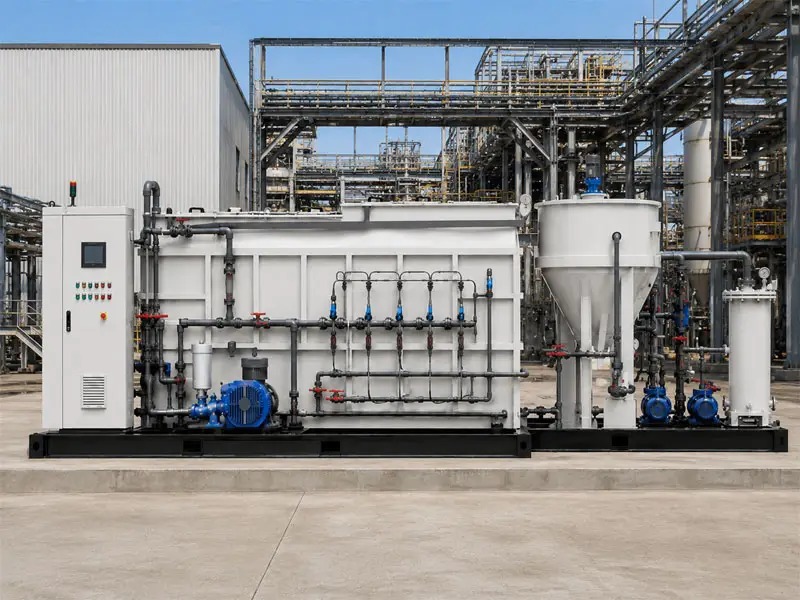
Understanding the true financial impact of a wastewater treatment plant requires examining multiple cost dimensions that extend far beyond the initial purchase price. The wastewater treatment plant cost encompasses capital expenditures, operational expenses, maintenance requirements, and long-term lifecycle considerations that determine your total investment over time. Industrial facilities, municipalities, and treatment operators must evaluate all these elements to make informed decisions about facility design, equipment selection, and budgeting strategies.
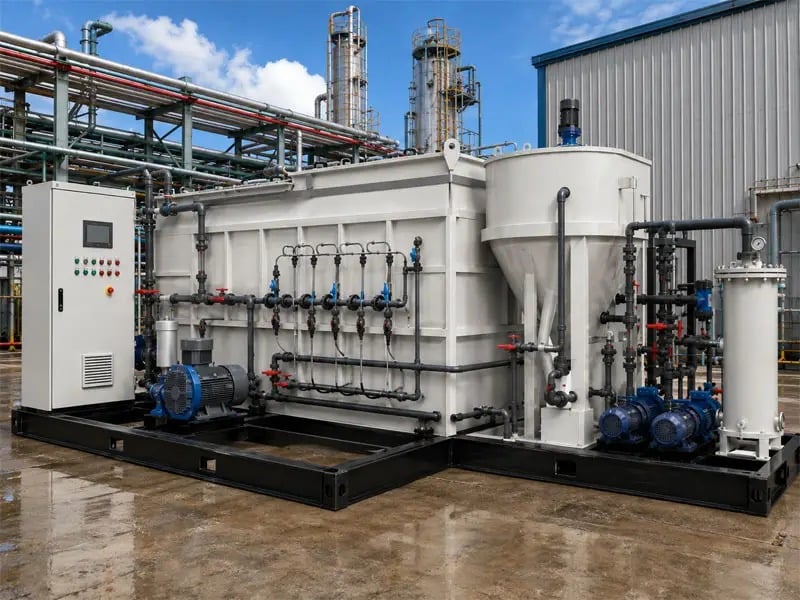
A comprehensive understanding of wastewater treatment plant cost breakdown enables stakeholders to predict spending patterns, optimize resource allocation, and identify cost-reduction opportunities throughout the system lifecycle. Financial planning for wastewater treatment requires distinguishing between one-time CAPEX investments, recurring OPEX outlays, and long-term maintenance expenses that accumulate significantly over decades of operation.
Capital Expenditure: Initial Investment Requirements
Land, Construction, and Equipment Procurement
CAPEX represents the largest upfront financial commitment in any wastewater treatment plant project. This category encompasses land acquisition, civil construction, equipment manufacturing, installation labor, engineering design, permitting, and project management costs. Modular and skid-mounted systems can reduce CAPEX compared to traditional on-site construction by streamlining assembly and reducing labor complexity. The scale of your facility, treatment technology selection, and site-specific conditions directly influence CAPEX requirements.
Technology Selection and System Design
Different treatment processes carry dramatically different CAPEX profiles. Advanced oxidation processes, membrane filtration, and biological reactors each demand specific infrastructure investments. A highly integrated skid-mounted design can lower CAPEX by consolidating multiple processes into factory-fabricated units, reducing field construction duration and associated overhead costs. Engineering decisions made during the design phase have cascading effects on both CAPEX and long-term lifecycle cost management.
Operational Expenditure: Ongoing Daily Costs
Energy Consumption and Utilities
OPEX includes energy consumption for aeration, pumping, heating, and process control systems that run continuously throughout the year. Energy costs typically represent 25 to 40 percent of total OPEX, making operational efficiency a critical financial consideration. System optimization, variable frequency drives, and real-time monitoring can substantially reduce energy OPEX without compromising treatment performance. Utility rates, peak demand charges, and seasonal variations all influence annual OPEX projections.
Chemical Additions and Consumables
Chemical OPEX includes coagulants, flocculants, disinfectants, pH adjustment chemicals, and other treatment reagents required for process function. Maintenance supplies such as filter media, membranes, activated carbon, and biological cultures contribute additional recurring expenses. Supply chain stability and bulk purchasing strategies affect chemical OPEX significantly over time. Process efficiency improvements and proper dosing control minimize chemical waste and reduce unnecessary OPEX burden.
Maintenance and Lifecycle Cost Planning
Preventive and Corrective Maintenance
Maintenance expenses encompass equipment inspections, component replacements, repairs, spare parts inventory, and technician labor throughout the facility lifespan. Lifecycle cost analysis reveals that strategic preventive maintenance reduces emergency repairs and extends equipment service life, ultimately lowering total cost of ownership. Skid-mounted systems often feature standardized components that simplify maintenance scheduling and spare parts availability. A comprehensive preventive maintenance program reduces unexpected downtime and associated emergency expenses.
Asset Replacement and Upgrade Cycles
Equipment degrades over time, requiring major component replacements at predictable intervals. Membrane systems may need replacement every 5 to 7 years, pumps every 8 to 12 years, and process reactors may operate effectively for 15 to 20 years with proper maintenance. Lifecycle cost modeling accounts for these anticipated replacements when projecting true cost of ownership. Understanding replacement cycles enables budget planning and prevents surprise capital requirements during operation. Selecting equipment with proven durability and favorable mean time between failures reduces lifecycle cost substantially.
FAQ
What factors most significantly influence wastewater treatment plant cost?
The main cost drivers include treatment capacity, technology complexity, site conditions, regulatory requirements, and location. CAPEX generally increases with plant size and equipment requirements, while OPEX is mainly affected by energy use, chemical consumption, labor, and maintenance. Over the long term, equipment reliability, efficiency, ease of maintenance, replacement requirements, system operating stability, wastewater characteristics, and the level of treatment required can also have a significant impact on total lifecycle costs.
How can facilities reduce overall lifecycle cost without compromising treatment performance?
Optimizing CAPEX through modular design, selecting proven technologies, and choosing reliable equipment can reduce initial investment and long-term maintenance costs. Minimizing OPEX requires energy-efficient process design, precise chemical dosing, optimized system operation, and proper operator training. Preventive maintenance, regular equipment inspections, and continuous monitoring of key performance indicators can help prevent costly failures, reduce unexpected downtime, extend equipment lifespan, improve treatment efficiency, and ultimately lower total lifecycle cost.
Why should operators distinguish between CAPEX, OPEX, and maintenance when planning budgets?
Each cost category requires different financial approaches and timing. CAPEX demands significant upfront capital, OPEX requires steady operational budgets, and maintenance needs vary seasonally and with equipment age. Understanding these distinctions enables accurate financial forecasting, appropriate funding mechanisms, and realistic lifecycle cost projections that support long-term facility planning and compliance with budget constraints.

 EN