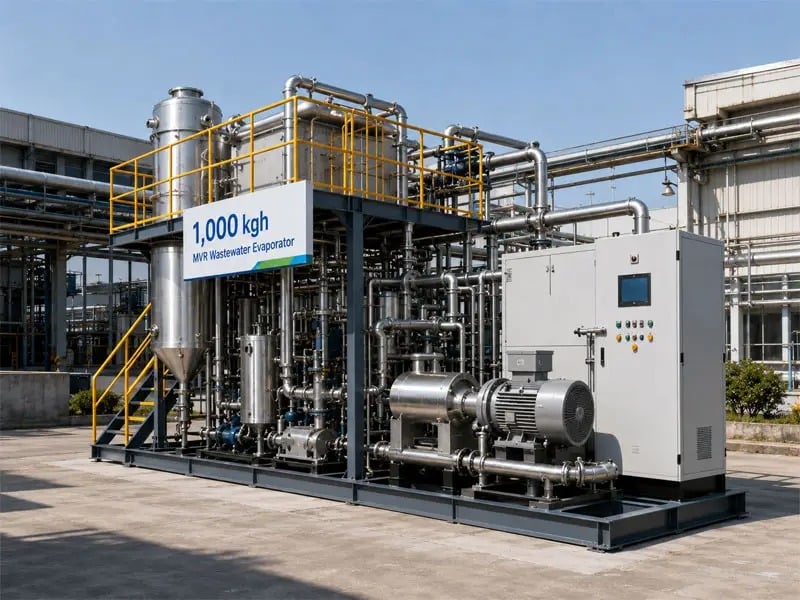
Unplanned downtime in industrial wastewater treatment can cost thousands of dollars per hour and disrupt entire facility operations. Among the most vulnerable equipment in any treatment system, a wastewater evaporator demands proactive maintenance to prevent catastrophic failures. The most common issues that trigger extended downtime stem from scaling, corrosion, fouling, and inadequate cleaning protocols. Understanding which problems carry the highest downtime risk allows operators to prioritize maintenance schedules and allocate resources where they matter most.
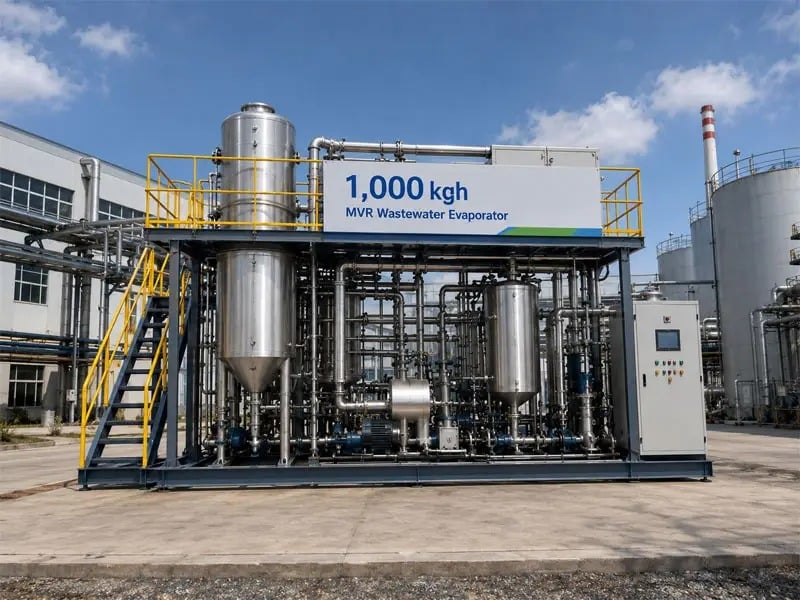
Scaling represents the single largest cause of unplanned downtime for wastewater evaporators across industrial sectors. When mineral deposits accumulate on heat transfer surfaces, thermal efficiency drops sharply, forcing operators to extend evaporation cycles or shut down for emergency cleaning. The cost of a single unexpected cleaning event often exceeds the annual budget for preventive maintenance. By identifying which scalding mechanisms dominate your specific waste streams, you can implement targeted prevention strategies that keep your system running reliably year-round.
Scaling: The Primary Downtime Driver
How Mineral Deposits Accumulate on Heat Surfaces
Scaling occurs when dissolved minerals in wastewater precipitate onto heat transfer surfaces inside the evaporator. As water evaporates, minerals concentrate and crystallize, forming hard deposits that insulate the heating elements and reduce heat transfer efficiency. Salts like calcium carbonate, magnesium hydroxide, and silica compounds are among the most troublesome offenders. Within days of operation on high-mineral streams, scale thickness can reach critical levels, necessitating immediate cleaning to restore performance.
Impact on Operational Efficiency and Uptime
Heavy scaling forces the wastewater evaporator to work harder to achieve target evaporation rates, consuming more energy while delivering less output. This thermal insulation effect can reduce heat transfer by 40 to 60 percent within two weeks of continuous operation on untreated high-salinity wastewater. When performance degrades beyond acceptable thresholds, most facilities must halt operations for emergency cleaning, resulting in 8 to 48 hours of unplanned downtime depending on scale thickness and cleaning method. Preventive descaling during scheduled maintenance windows dramatically reduces the risk of sudden production loss.
Cleaning Challenges and Maintenance Complexity
Mechanical and Chemical Cleaning Methods
Effective cleaning of a wastewater evaporator requires matching the cleaning method to the specific scale composition and equipment design. Mechanical cleaning using scrapers, brushes, or high-pressure water jets works well for soft deposits but risks damaging delicate heat transfer surfaces. Chemical cleaning with acidic solvents removes mineral buildup effectively but must be carefully controlled to prevent corrosion of the evaporator vessel itself. Most industrial facilities employ a combination approach, using mechanical pre-treatment followed by targeted chemical dissolving. The time required for proper cleaning often determines the total downtime duration, making cleaning efficiency a critical factor in minimizing lost production hours.
Preventing Scale Buildup Through Maintenance Protocols
Establishing routine maintenance schedules significantly reduces unplanned downtime by catching scaling problems before they become critical. Many operators implement weekly water chemistry monitoring to detect early warning signs of mineral precipitation. Softening pretreatment, antiscalant dosing, and pH adjustment can prevent scale formation entirely on susceptible wastewater streams. Documentation of cleaning cycles, water quality tests, and performance metrics reveals trends that help optimize maintenance intervals. A wastewater evaporator equipped with predictive monitoring systems can alert operators to declining heat transfer efficiency before scaling reaches dangerous levels, allowing planned maintenance rather than emergency shutdowns.
Corrosion, Fouling, and Secondary Downtime Risks
Corrosion and Material Degradation
Beyond scaling, corrosive wastewater streams attack the evaporator vessel, tubes, and fittings, creating leaks that force shutdown for repairs. Chlorides, sulfides, and acidic compounds in industrial wastewater accelerate material degradation, particularly in stainless steel systems exposed to high temperatures. Corrosion typically progresses slowly until a critical failure occurs, often without warning. Material selection during equipment procurement directly influences corrosion-related downtime risk; upgrading to higher-grade stainless steel or titanium surfaces costs more upfront but dramatically extends service life and reduces maintenance frequency.
Fouling Organisms and Biofilm Formation
Biological fouling, though less common than scaling in high-temperature evaporators, can still cause significant downtime if conditions permit organism growth. Some wastewater streams with organic matter or lower operating temperatures allow bacteria and microorganisms to colonize internal surfaces, forming biofilms that block flow paths and reduce heat transfer. Once biofilm establishes, mechanical cleaning becomes ineffective, requiring chemical biocides or extended hot-water flushing. Preventing biological fouling through temperature management and periodic biocide treatment eliminates a secondary but serious source of unexpected downtime.
FAQ
What is the most common cause of wastewater evaporator downtime?
Scaling caused by mineral precipitation on heat transfer surfaces accounts for approximately 60 to 70 percent of all unplanned downtime events. The speed at which scale accumulates depends on incoming water hardness, salinity, and operating temperature. High-salinity industrial wastewater typically develops problematic scaling within days to weeks without preventive treatment. Implementing water softening, antiscalant dosing, or chemistry management can significantly reduce scaling-related downtime.
How often should maintenance be performed on wastewater evaporator equipment?
Maintenance frequency depends on wastewater composition, evaporator capacity, and operational hours. Most industrial facilities perform basic water chemistry monitoring weekly and schedule descaling every one to four weeks during active operation. High-hardness streams may require more frequent cleaning, while pretreated wastewater allows longer intervals between maintenance. Documentation of scaling rates and cleaning effectiveness helps optimize your specific maintenance schedule, ensuring you clean when necessary without excessive downtime from over-maintenance.
Can preventive maintenance actually reduce downtime and save money?
Yes, planned preventive maintenance consistently costs 30 to 50 percent less than emergency repairs and unplanned downtime. Scheduled cleaning takes four to twelve hours during planned shutdown windows, whereas emergency descaling often stretches to 24 to 48 hours due to urgency and lack of preparation. Regular water quality monitoring detects scaling early, allowing gentle preventive cleaning before deposits become thick and stubborn. Investment in predictive monitoring sensors, chemical pretreatment systems, and staff training typically pays back within one to two years through reduced emergency response costs and maintained production schedules.

 EN