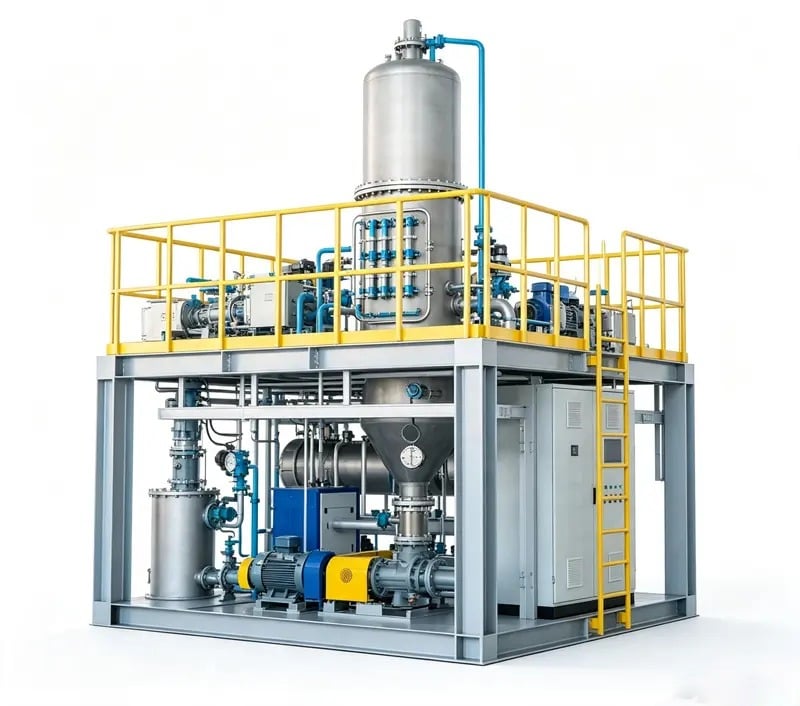
A comprehensive technical proposal for wastewater evaporation equipment is essential for ensuring successful project implementation and long-term operational performance. Whether you are evaluating solutions for industrial discharge reduction, zero-liquid-discharge systems, or brine concentration, the quality of your technical proposal directly influences procurement decisions, budget accuracy, and system reliability. This guide outlines the critical elements that must be included in a complete technical proposal to meet regulatory requirements, operational expectations, and financial objectives.
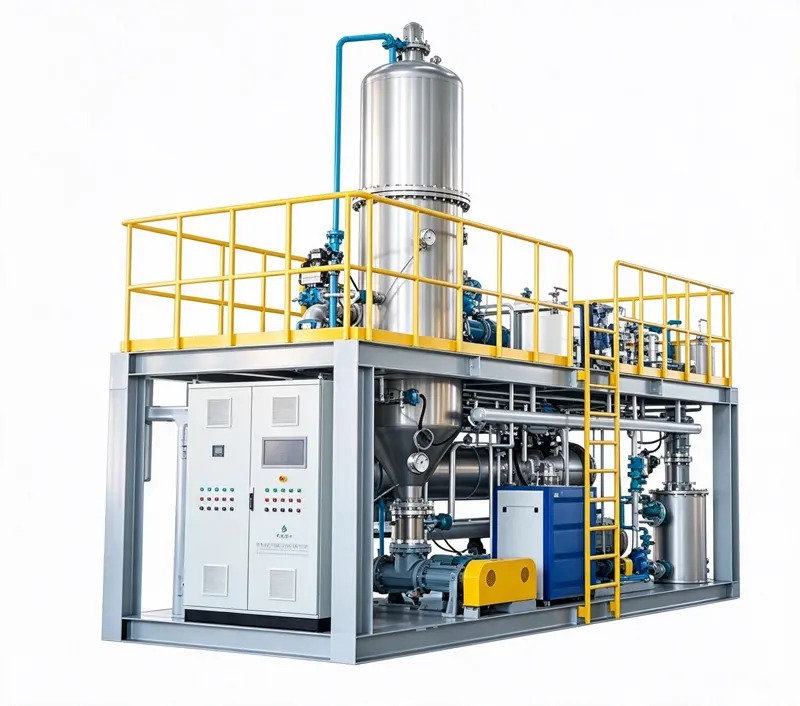
Developing a robust technical proposal requires understanding both the site-specific challenges and the standardized performance criteria that equipment manufacturers and integrators apply. A well-structured proposal demonstrates technical competence, reduces procurement risk, and establishes clear expectations for performance metrics, installation timelines, and ongoing service relationships. Organizations that invest time in preparing detailed technical proposals typically experience fewer delays, better cost control, and stronger alignment with regulatory compliance throughout the project lifecycle.
Design Basis and System Specifications
Process Requirements and Feedstock Characterization
The design basis forms the foundation of any effective technical proposal for wastewater evaporation equipment. This section must clearly document the physical and chemical characteristics of the incoming wastewater stream, including total dissolved solids concentration, pH range, temperature, flowrate variability, and the presence of corrosive or scaling-prone compounds. Accurate feedstock characterization allows equipment manufacturers to select appropriate materials of construction, sizing parameters, and pre-treatment requirements that directly affect equipment longevity and operational efficiency.
Beyond feedstock properties, the design basis should specify target discharge quality, product recovery goals, and environmental compliance constraints. Whether the project targets effluent reuse, surface water discharge limits, or zero-liquid-discharge objectives significantly influences technology selection and the scope of supporting equipment. A comprehensive wastewater evaporation equipment proposal must address seasonal fluctuations in feedstock composition, peak flowrate scenarios, and potential upset conditions that could impact system stability and performance guarantees.
Regulatory and Environmental Context
Environmental regulations and discharge permits define the boundaries within which your wastewater evaporation equipment must operate. The technical proposal should document applicable local, regional, and national discharge standards, air emissions limits, and waste classification requirements that influence technology selection and compliance strategy. Whether your facility must meet stringent surface water quality standards or manage disposal of concentrated brine residues, this regulatory framework must be explicitly addressed in the proposal to avoid costly redesigns or permitting delays.
Regulatory compliance also extends to occupational safety, equipment certification standards, and emergency response protocols. A complete technical proposal acknowledges these requirements and describes how the proposed wastewater evaporation equipment design and operational procedures satisfy them, reducing the risk of non-compliance and associated penalties or operational shutdowns.
Control Systems and Operational Parameters
Automation, Instrumentation, and Monitoring Requirements
Modern wastewater evaporation equipment depends on sophisticated control systems to maintain optimal performance across varying feedstock conditions and operational demands. The technical proposal must specify the instrumentation strategy, including real-time monitoring of key parameters such as evaporator temperature, pressure differentials, product quality, energy consumption, and system alarms. Clear definition of controls, setpoints, alarm thresholds, and response logic ensures that operators can manage the system safely and effectively while meeting performance guarantees.
The controls section should address human-machine interface design, remote monitoring capabilities, data logging requirements, and integration with existing facility automation systems. Specifying controls architecture prevents misunderstandings about operator workload, maintenance frequency, and the level of technical expertise required for day-to-day operation. This clarity reduces training costs and ensures that your facility can sustain reliable performance over the equipment's operational life.
Performance Monitoring and Optimization Logic
Advanced controls enable continuous performance optimization by adjusting operational parameters in response to feedstock composition changes and market conditions. A detailed technical proposal should describe automated response strategies for maintaining throughput during fluctuating inlet conditions, managing energy efficiency across different operational modes, and detecting equipment fouling or degradation early. Performance monitoring capabilities also support data-driven maintenance decisions and provide evidence that the wastewater evaporation equipment is meeting contractual guarantees and regulatory requirements.
Transparency about control system logic builds confidence that your facility can reliably manage the equipment without constant technical intervention. Proposals that define specific performance metrics, response times, and optimization algorithms demonstrate a mature understanding of operational reality and reduce the likelihood of post-installation disputes regarding system capability or reliability.
Service, Maintenance, and Support Framework
Preventive Maintenance Strategy and Parts Availability
A comprehensive technical proposal must address service planning and maintenance requirements that sustain equipment performance and prevent costly operational disruptions. Detailed preventive maintenance schedules, recommended spare parts inventories, and predictive maintenance technologies should be clearly documented. Service agreements that define response times for equipment failures, availability of technical support staff, and logistics for parts replacement ensure that unexpected downtime is minimized and that your wastewater evaporation equipment continues to operate reliably throughout its design life.
Parts availability and lead times directly influence operational continuity and total cost of ownership. A thorough technical proposal identifies critical components that carry longer delivery times, recommends strategic spare parts stocking, and describes supplier relationships that ensure rapid response to equipment issues. Organizations that negotiate strong service provisions during the proposal stage benefit from more predictable operating costs and fewer emergency situations that disrupt facility productivity.
Training, Documentation, and Technical Support
The service component of your technical proposal should include comprehensive operator training, detailed system documentation, troubleshooting guides, and access to technical support experts who understand the wastewater evaporation equipment configuration deployed at your facility. Training programs that address normal operation, startup procedures, emergency response, and routine maintenance ensure that your team can manage the system confidently and competently. Well-structured documentation reduces dependency on external expertise and empowers your staff to resolve minor issues without costly service calls.
Support frameworks that include initial commissioning assistance, extended warranty periods, and ongoing technical consultation contribute significantly to long-term project success. Proposals that clearly outline service commitments, response protocols, and escalation procedures demonstrate supplier reliability and create accountability for performance outcomes. Strong service provisions in the technical proposal typically translate to smoother facility operations, faster problem resolution, and stronger relationships between your organization and equipment providers.
FAQ
What specific design basis parameters must be included in a technical proposal?
A complete technical proposal for wastewater evaporation equipment must include feedstock characterization covering total dissolved solids concentration, pH, temperature, and flowrate; target discharge quality and recovery goals; regulatory compliance requirements; and seasonal variability in composition. These parameters enable equipment manufacturers to select appropriate materials, sizing, and pre-treatment requirements that match your specific operational environment and performance expectations.
How detailed should the controls specification be in a technical proposal?
The controls specification should document instrumentation strategy, real-time monitoring parameters, alarm setpoints and response logic, human-machine interface design, and data logging capabilities. Clear definition of controls architecture, integration with existing automation systems, and automated optimization strategies ensures that operators understand the level of technical expertise required and that the wastewater evaporation equipment can maintain performance across varying conditions without constant manual intervention.
What service elements should be addressed in the technical proposal?
Service provisions should include preventive maintenance schedules, recommended spare parts inventories, predictive maintenance technologies, support response times, technical support access, operator training programs, and comprehensive documentation. Defining these service elements during the proposal stage ensures that your facility has the resources and expertise needed to sustain reliable wastewater evaporation equipment operation throughout the system's design life while controlling total cost of ownership.

 EN