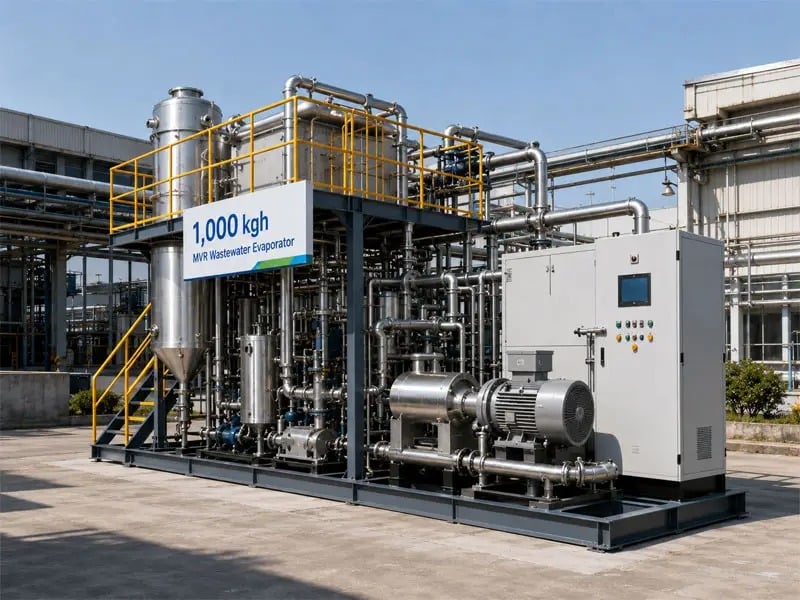
Selecting the right waste water evaporator requires detailed upfront preparation. Many organizations make costly mistakes during the selection process because they fail to gather and document essential feed data before requesting quotes or sizing calculations. The quality of your input data directly determines the accuracy of equipment specifications, operational efficiency, and long-term treatment performance. Understanding which feed parameters matter most can save months of delays and prevent undersized or oversized systems that fail to meet discharge regulations or operational targets.
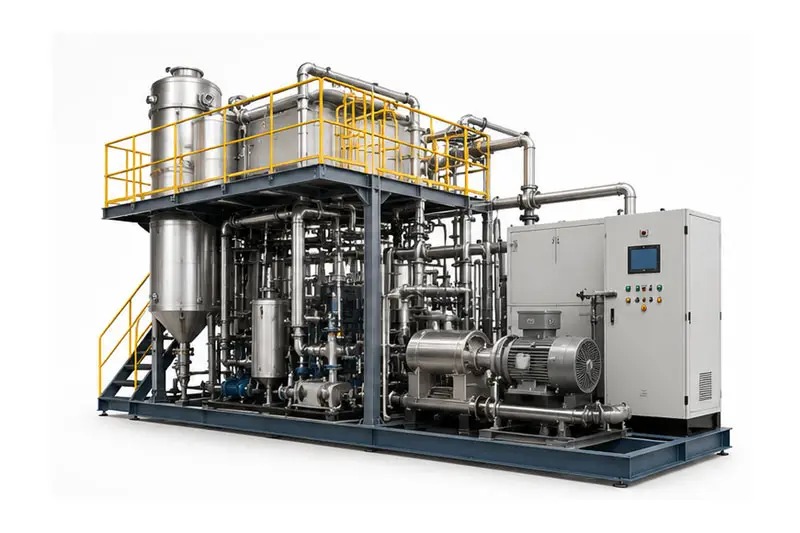
Every waste water evaporator system depends on precise knowledge of your specific wastewater composition and operational constraints. Before you contact equipment vendors or engineers, you must compile feed data that describes both the quantity and chemical characteristics of your discharge stream. This foundational work eliminates guesswork and positions your organization to select equipment that achieves cost-effective treatment within your budget and space limitations.
Identifying Flow Rate and Peak Operating Conditions
Establishing Design and Actual Flow Rate
Flow rate is the cornerstone of waste water evaporator sizing. You must distinguish between average daily flow, peak hourly flow, and design capacity requirements. Peak flow determines the evaporator's throughput capability, while average flow influences operating hours and energy costs. Document your flow rate in gallons per minute or liters per hour, ensuring consistency with manufacturer units.
Review your wastewater discharge records for the past 12 to 24 months to establish realistic flow patterns. Industrial processes often show seasonal variations, production cycles, or batch operations that affect peak demand. A waste water evaporator sized only for average flow will become a bottleneck during peak periods, leading to buffer tank overflow or emergency discharge. Conversely, oversizing the system based on unrealistic peak assumptions drives unnecessary capital and energy expenditure.
Understanding Temperature and Seasonal Variations
Temperature profoundly affects waste water evaporator performance and energy demand. Record incoming feed temperature, ambient conditions, and whether temperature varies seasonally. Cold feed water requires more heat input to reach evaporation conditions, increasing steam or thermal energy consumption. Temperature data also influences material selection, as some evaporator designs handle temperature shock or thermal cycling better than others.
Document the range of temperatures your wastewater reaches under normal operations. If your process produces hot discharge near boiling point, a waste water evaporator can recover latent heat efficiently. If your feed enters at ambient or cool temperatures, you must budget for substantial energy input. Temperature consistency also determines whether the system can operate continuously or requires preheating stages.
Quantifying Chemical and Solids Content
Measuring Total Dissolved Solids and Suspended Solids
TDS, or total dissolved solids, represents all dissolved minerals, salts, and organic compounds in your wastewater. This parameter directly impacts evaporator concentrate handling and heat transfer efficiency. High TDS streams require larger concentrate holding tanks and more frequent concentrate disposal. Know your TDS concentration in parts per million or milligrams per liter, as this determines the final concentrate volume and disposal method your waste water evaporator will produce.
Suspended solids differ from TDS and require separate measurement. Suspended particles can foul heat exchanger surfaces and reduce waste water evaporator efficiency. If your wastewater contains significant suspended solids, pre-treatment through filtration or settling may be necessary before evaporation. Document the suspended solids load to confirm whether your evaporator system needs integrated filtration or upstream clarification.
Assessing COD and Organic Contamination
COD, or chemical oxygen demand, quantifies organic pollution and oxidizable compounds in your wastewater. High COD concentrations can create operational challenges in certain waste water evaporator configurations. Some organic compounds form foam, scale, or deposits on heat exchange surfaces, reducing efficiency and requiring frequent maintenance. Understanding your COD level helps engineers select appropriate evaporator technology and recommend cleaning strategies or chemical additives to prevent fouling.
Measure COD in milligrams per liter and provide historical trends if your process shows variation. Some industrial operations have highly variable COD depending on production schedules or raw material batches. A waste water evaporator sized for average COD may struggle when concentrate organics reach peak levels. Including COD data in your selection package ensures the equipment specification accounts for real operating scenarios.
Documenting Discharge Compliance and End-Use Requirements
Clarifying Discharge Limits and Permit Conditions
Regulatory discharge permits specify concentration limits for various contaminants, and your waste water evaporator must consistently meet those limits. Review your environmental discharge permit to identify which parameters are regulated and what residual concentrations are allowed. Some jurisdictions impose strict limits on TDS, BOD, nitrogen, phosphorus, or other specific compounds in treated effluent.
A waste water evaporator produces both purified distillate and concentrated brine reject. Your permit may allow distillate recirculation to production processes, storage tanks, or surface discharge, but concentrate disposal faces stricter oversight. Understanding permitted endpoints ensures your system design includes appropriate concentrate handling, whether crystallization, drying, or disposal contractor services.
Planning for Concentrate Reuse or Disposal
Determine how your organization will manage the concentrated residue that a waste water evaporator generates. If evaporation reduces your liquid waste volume by 90 percent, the concentrate represents a smaller but highly contaminated byproduct. Some facilities incinerate concentrate, send it to licensed disposal contractors, or crystallize it for dry material handling. Each path influences equipment selection and long-term operating costs associated with your waste water evaporator investment.
Document the expected concentrate volume in gallons or liters per day, and confirm your disposal pathway before equipment selection. If concentrate disposal costs are prohibitive, you may need to explore concentrate reuse, crystallization technologies, or alternative treatment methods alongside your waste water evaporator system.
FAQ
Why is flow rate so critical for waste water evaporator selection?
Flow rate determines the evaporator's throughput and physical footprint. Undersized flow capacity creates bottlenecks that back up operations, while oversized capacity wastes capital investment and energy. Accurate flow data ensures your waste water evaporator operates efficiently within your facility's constraints.
What role does TDS play in waste water evaporator sizing?
TDS concentration directly impacts the volume and hazard level of concentrated brine that your waste water evaporator produces. High TDS streams require larger concentrate tanks and may present disposal challenges. Knowing your TDS allows equipment engineers to size the system and recommend appropriate concentrate management solutions.
How does temperature affect waste water evaporator energy demand?
Cold incoming wastewater requires substantial heat energy to reach evaporation conditions, increasing steam or fuel consumption. Warm or hot feed reduces energy input significantly. Temperature data guides equipment selection and helps forecast operating costs for your waste water evaporator system over its lifecycle.

 EN