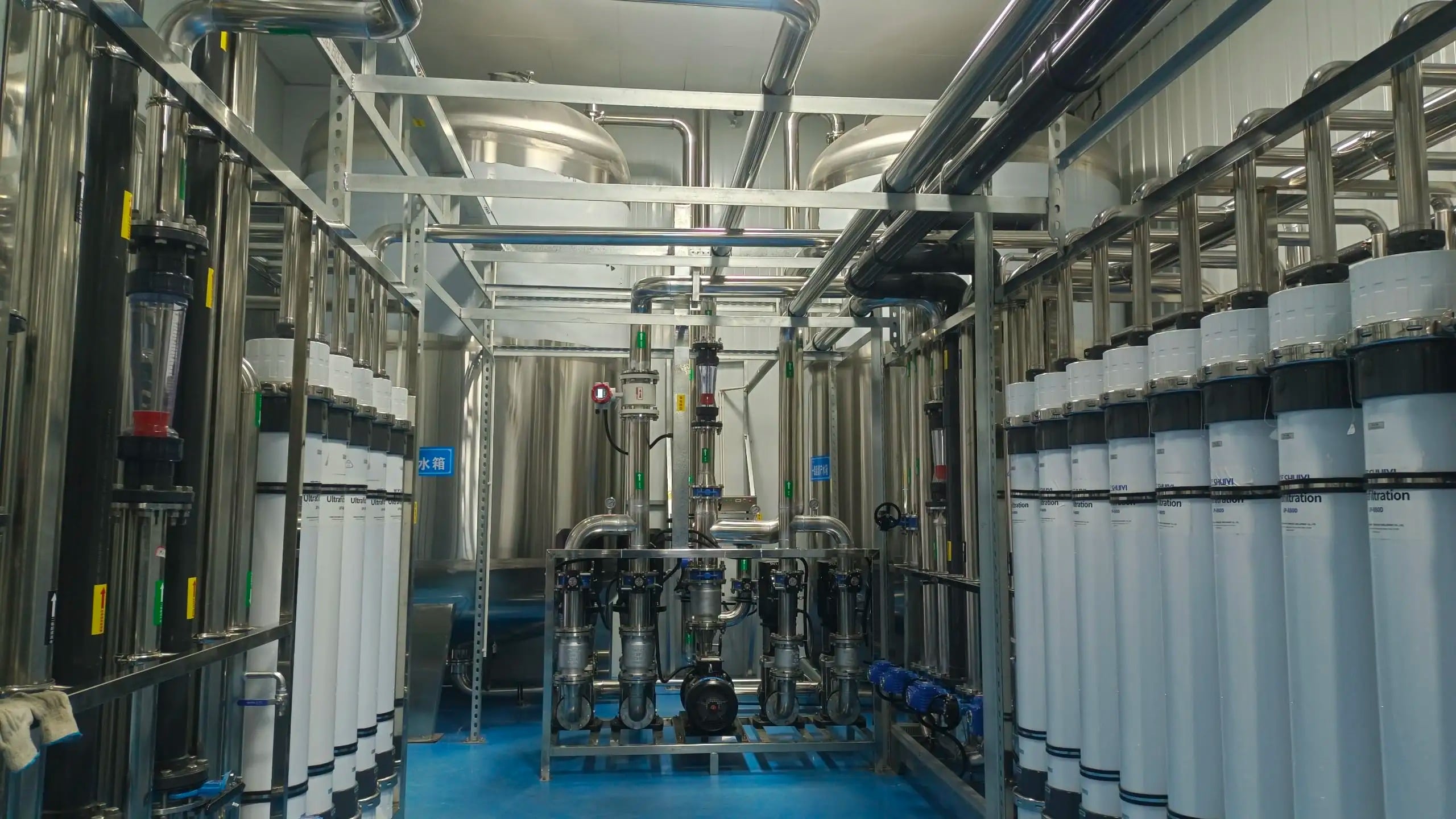
Selecting the right ultrafiltration unit requires understanding several interconnected performance factors that directly influence operational cost and treatment reliability. The most critical parameters affecting your selection decision are flux rate and cleaning frequency, both of which depend on feed water quality, membrane characteristics, and system design. These variables determine not only capital investment but also ongoing maintenance burden and downtime risk. Getting the balance right between initial flux performance and realistic cleaning intervals is essential for sustainable wastewater treatment operations.
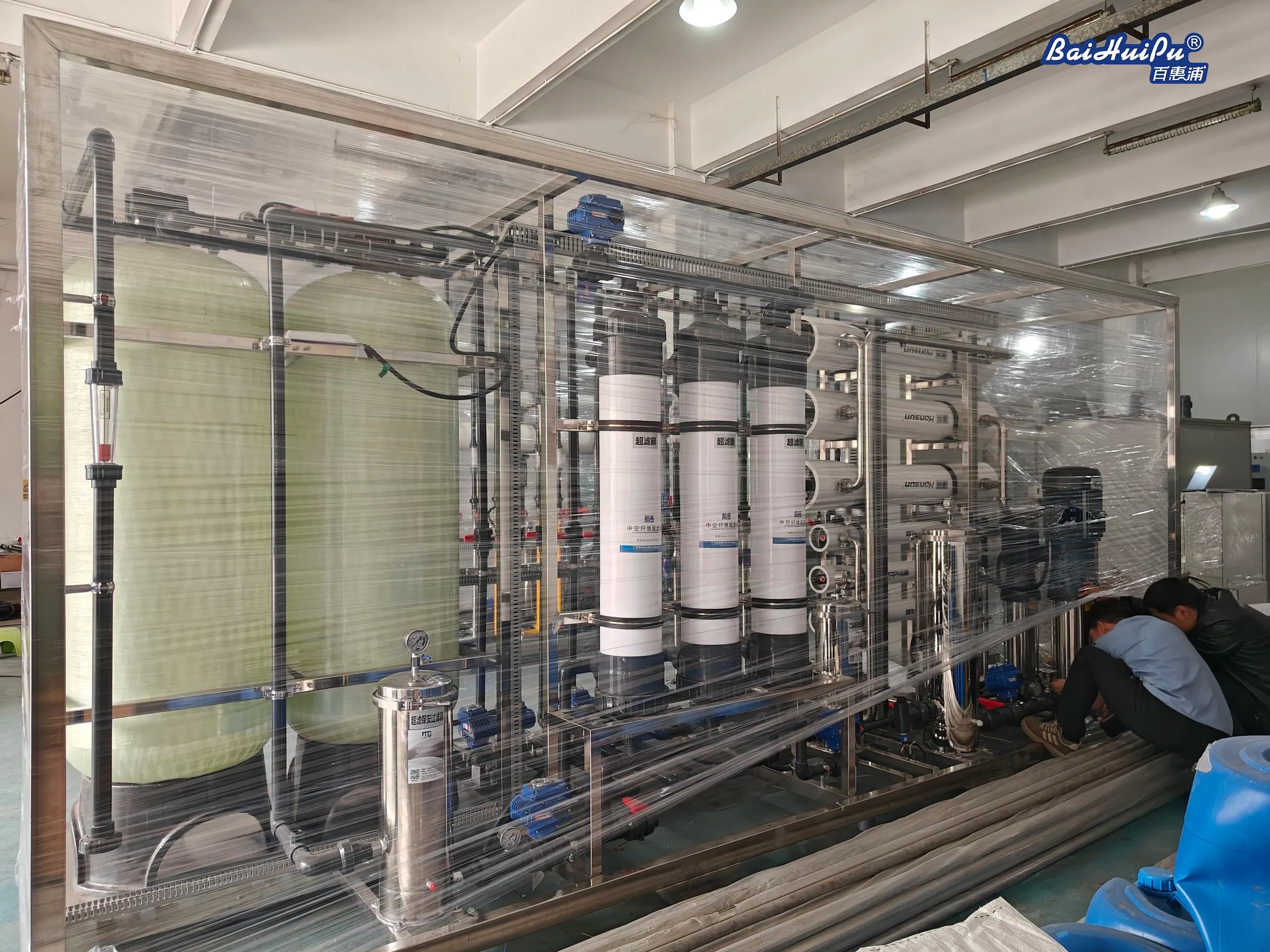
Understanding the relationship between flux performance and fouling behavior helps you avoid undersized systems that require constant chemical cleaning or oversized systems that waste capital. This guide walks through the key technical factors that determine how an ultrafiltration unit will perform in your specific application, with practical insights into flux optimization and cleaning strategy planning.
Understanding Flux Rate and Its Operational Impact
Defining Flux and Its Role in System Sizing
Flux is the volumetric flow rate per unit membrane area, typically measured in liters per square meter per hour. Higher flux means more treated water per membrane area, which allows for smaller—and less expensive—systems. However, increased flux accelerates fouling, the accumulation of particles and contaminants on the membrane surface. This trade-off between throughput and membrane lifespan is central to ultrafiltration unit selection. Your flux decision depends on feed water quality, target recovery rate, and acceptable cleaning frequency in your operational environment.
Factors That Control Achievable Flux
Feed water suspended solids concentration is the primary driver of achievable flux in any ultrafiltration unit system. High-solids wastewater streams demand lower flux to prevent rapid fouling, while cleaner pretreated feeds can sustain higher flux safely. Temperature affects membrane viscosity and molecular mobility, allowing warmer water to achieve higher flux with the same membrane resistance. Membrane pore size, material composition, and module design also determine the maximum safe flux the ultrafiltration unit can sustain before differential pressure spikes beyond acceptable limits.
Fouling Mechanisms and Cleaning Frequency
Reversible and Irreversible Fouling Patterns
Fouling occurs in two forms: reversible fouling, which responds to backwashing with air or clean water, and irreversible fouling, which requires chemical cleaning. Reversible fouling builds gradually during the operating cycle and reduces UF flux progressively until backwash restores performance. Irreversible fouling—caused by adsorbed oils, colloids, and biological material—accumulates even after backwashing and necessitates stronger chemical treatment. Your ultrafiltration unit selection must account for the ratio of reversible to irreversible fouling expected in your feedwater, as this ratio dictates the balance between simple backwash intervals and complex chemical cleaning schedules.
Predicting Cleaning Frequency for Your Application
Cleaning frequency depends on feed water composition, operating flux, and fouling rate specific to your wastewater type. Industrial wastewater with high organic content typically requires chemical cleaning every 3–7 days at standard flux rates. Lower-solids feedwater may extend cleaning intervals to 14–30 days. The ultrafiltration unit you select should include pilot data or historical performance benchmarks for feedwater similar to yours, allowing you to forecast realistic cleaning labor and chemical costs. Underestimating cleaning frequency leads to system downtime and degraded permeate quality; overestimating it masks underlying design problems and inflates operating budgets.
Selection Criteria: Balancing Performance and Operations
Matching UF Flux to Your Feedwater Profile
Begin by characterizing your feed water: total suspended solids, turbidity, organic matter, biological activity, and seasonal variation. Standard flux recommendations range from 40–80 LMH for municipal secondary wastewater, 30–50 LMH for industrial wastewater with moderate fouling potential, and 15–30 LMH for high-fouling streams. An ultrafiltration unit operating below its theoretical maximum flux will have longer membrane life and lower cleaning burden, making it more economical over five to ten years despite higher initial capital cost. Conversely, pushing flux too high chases short-term throughput gains but triggers premature fouling, frequent chemical cleaning, and premature membrane replacement.
Evaluating Pretreatment and System Integration
Pretreatment—screens, sedimentation, or coagulation—directly reduces fouling load on the ultrafiltration unit membrane and raises achievable flux by 20–40 percent. A system with proper pretreatment can operate at higher flux safely, delaying fouling and extending cleaning intervals. Without pretreatment, even low flux operation may not prevent rapid irreversible fouling if feedwater quality deteriorates seasonally. Evaluate whether your capital budget allows pretreatment investment; the payback in reduced membrane replacement and chemical cleaning often justifies the added upfront expense. UF flux performance is not independent of system design—it reflects the entire treatment train's effectiveness.
FAQ
What flux rate should I target for wastewater treatment applications?
Most wastewater applications support 40–80 LMH depending on feedwater quality and pretreatment. Start with pilot testing at multiple flux levels to measure fouling rate and cleaning frequency under your specific conditions. Conservative flux selection—50–60 LMH for standard industrial wastewater—provides a safety margin and minimizes chemical cleaning cost. Flux rates above 100 LMH are possible with exceptional pretreatment and low-fouling feedwater, but they require close monitoring and acceptance of more frequent cleaning cycles.
How often should chemical cleaning occur in a typical ultrafiltration unit?
Cleaning intervals range from 3–14 days depending on feed water fouling potential and operating flux. Higher flux and higher-fouling feedwater trigger more frequent cleaning. Most systems are designed for weekly or bi-weekly chemical cleaning as a practical baseline. If cleaning is needed more than twice weekly, consider reducing flux, improving pretreatment, or upgrading membrane modules. Conversely, if cleaning is needed less than monthly, your ultrafiltration unit may be oversized relative to throughput requirements.
Can pretreatment reduce fouling and cleaning frequency?
Yes, pretreatment is one of the most effective strategies for reducing fouling and extending UF cleaning intervals. Coagulation followed by sedimentation or media filtration removes 60–90 percent of suspended solids and colloids before they reach the ultrafiltration unit membrane. This allows higher safe flux and 50–70 percent reduction in cleaning frequency compared to direct UF of untreated wastewater. Pretreatment investment typically pays for itself within three years through lower membrane replacement and chemical cleaning costs.

 EN