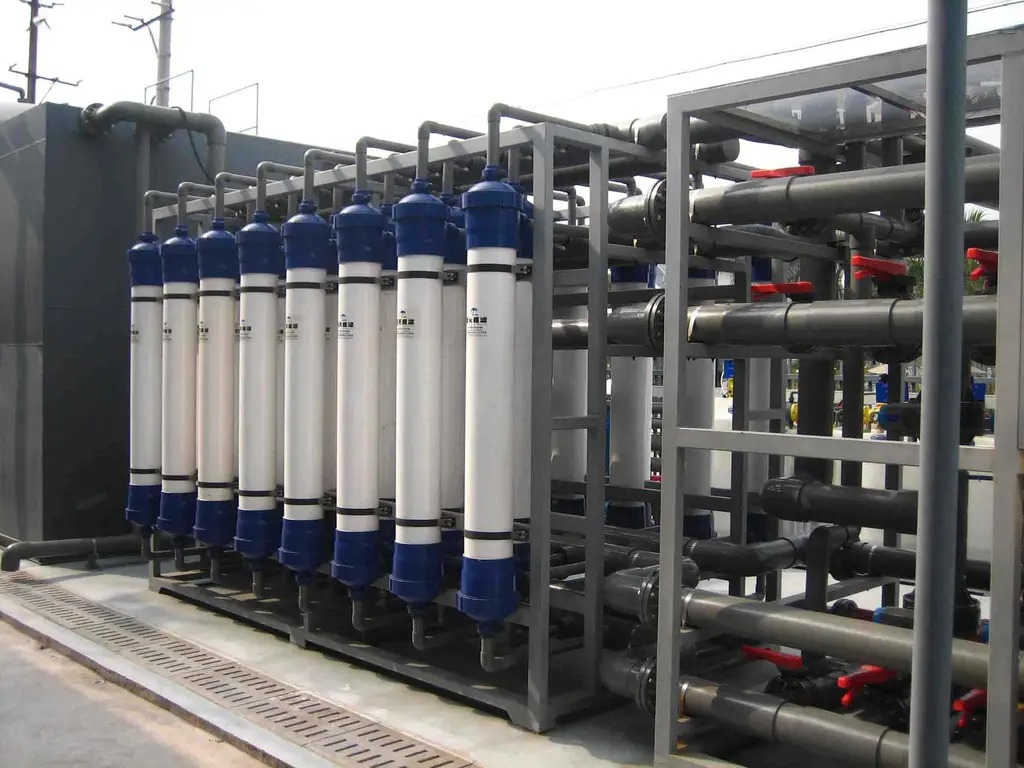
Operating an ultrafiltration membrane system requires precision and understanding of how fouling develops and pressure dynamics change over time. Fouling is the accumulation of materials on the membrane surface, which directly increases transmembrane pressure (TMP) and reduces system efficiency. Without proper control strategies, fouling can reduce permeate flow, increase energy consumption, and shorten membrane lifespan significantly. Managing these challenges is essential for maintaining reliable performance in water treatment, wastewater reuse, and industrial applications.
The key to controlling fouling and pressure rise lies in understanding the mechanisms behind membrane degradation and implementing proactive operational strategies. UF systems operate by forcing water through semipermeable membranes under pressure, leaving suspended solids, colloids, and dissolved organic matter on the feed side. Regular backwash cycles, TMP monitoring, and feed pretreatment are the primary tools for managing system performance. This guide explores practical methods to minimize fouling, optimize backwash frequency, and maintain safe TMP levels throughout your ultrafiltration membrane system lifecycle.
Understanding Fouling Mechanisms in UF Systems
How Fouling Develops and Affects Performance
Fouling occurs when particles, colloids, and organic compounds accumulate on the UF membrane surface or within its pores. This layer acts as a secondary barrier, increasing resistance to flow and requiring higher pressure to maintain permeate production. In an ultrafiltration membrane system, fouling happens in stages: initial deposition of particles, cake layer formation, and eventual pore blocking. The speed of fouling depends on feed water quality, membrane type, and operating conditions. Understanding these stages helps operators recognize when intervention is needed and prevents irreversible damage to the membrane.
Key Fouling Indicators and Warning Signs
Operators should monitor several indicators to detect fouling early. Rising TMP with constant permeate flow signals membrane surface fouling. Color changes in the permeate, unusual odors, or increased turbidity indicate potential breakthrough. Pressure spikes during operation suggest cake layer buildup or pore blockage. Regular visual inspection of the membrane module and documentation of TMP trends help establish a baseline and identify abnormal patterns. Early detection allows operators to adjust backwash schedules before severe fouling compromises the ultrafiltration membrane system's ability to produce clean water efficiently.
Optimizing Backwash Cycles for Fouling Control
Determining Optimal Backwash Frequency and Duration
Backwash is the reverse flow of treated water through the membrane to dislodge accumulated material. The frequency and duration of backwash cycles directly impact fouling control and TMP management. Most UF systems require backwash every 15 to 60 minutes, depending on feed water quality and membrane configuration. Longer intervals reduce water consumption but increase fouling risk; shorter intervals use more water but maintain lower TMP. Operators should establish a backwash schedule based on historical TMP rise rates and feed characteristics. A well-timed backwash can reduce TMP by 20 to 40 percent, extending the ultrafiltration membrane system's operational window between cleaning events.
Backwash Best Practices and Execution
Effective backwash requires adequate pressure and flow rate to lift fouling layers without damaging delicate membranes. Typical backwash pressure ranges from 0.5 to 2 bar, applied in reverse for 30 to 120 seconds. Water used for backwash should be clean permeate or treated water to avoid recontaminating the membrane. Automated backwash triggers based on TMP setpoints ensure consistent fouling management without operator intervention. Backwash effectiveness decreases over time as irreversible fouling accumulates; when backwash no longer restores TMP to baseline levels, chemical cleaning becomes necessary. Proper backwash execution remains the first line of defense in maintaining stable operating pressure within your ultrafiltration membrane system.
Managing TMP and Implementing Chemical Cleaning
TMP Monitoring and Safe Operating Limits
Transmembrane pressure (TMP) is the pressure difference driving water through the UF membrane. Most systems are designed to operate below a maximum TMP setpoint, typically 2 to 3.5 bar, to prevent membrane damage and ensure consistent performance. Continuous TMP monitoring through automated sensors allows real-time system adjustments. If TMP reaches the design limit, operators must trigger chemical cleaning or reduce permeate demand to prevent irreversible fouling. TMP trending over weeks or months reveals the ultrafiltration membrane system's health; a steep rise indicates progressive fouling requiring intervention. Maintaining TMP below 80 percent of the design maximum provides a safety margin and extends membrane lifetime significantly.
Chemical Cleaning Protocols for Severe Fouling
When physical backwash no longer controls fouling and TMP rises beyond acceptable levels, chemical cleaning becomes necessary. Chemical cleaning uses detergents, acids, bases, or enzymatic solutions to dissolve organic and inorganic deposits. For the ultrafiltration membrane system, typical chemical cleaning occurs monthly to quarterly, depending on feed characteristics. Common cleaning agents include sodium hypochlorite for biofouling, citric acid for mineral deposits, and caustic solutions for organic matter. Chemical cleaning cycles take 1 to 4 hours and temporarily shut down production. Following manufacturer recommendations and maintaining proper chemical concentrations prevent membrane damage while restoring permeability. Post-cleaning validation with low-pressure integrity tests ensures the membrane remains undamaged and operational.
Feed Pretreatment and Preventive Strategies
Source Water Quality and Pretreatment Options
Feed water quality dramatically influences fouling rates and UF system performance. High turbidity, suspended solids, and organic matter accelerate fouling accumulation. Pretreatment systems such as sand filtration, coagulation-flocculation, or cartridge filtration remove particles before they reach the ultrafiltration membrane system. Multimedia filters reduce turbidity to below 1 NTU, significantly extending membrane intervals between backwash cycles. Coagulation with aluminum sulfate or iron salts removes colloids and dissolved organic compounds that would otherwise pass through prefilters. Investing in proper pretreatment reduces fouling pressure, lowers chemical cleaning frequency, and improves overall system reliability and product water quality.
Operational Practices to Minimize Fouling
Beyond physical and chemical controls, operational discipline prevents unnecessary fouling accumulation. Maintaining consistent feed flow and avoiding sudden pressure spikes protects the ultrafiltration membrane system from mechanical stress. Temperature management affects membrane performance; cooler water generally fouls less slowly. Regular inspection of inlet screens, prefilters, and feed lines ensures no debris bypasses pretreatment stages. Documenting daily operating parameters, TMP trends, and cleaning events creates a maintenance record that guides optimization efforts. Training operators on proper system startup, shutdown, and emergency procedures prevents operational mistakes that accelerate fouling. Consistent adherence to these practices maintains predictable TMP rise rates and extends service intervals substantially.
FAQ
What is the typical TMP increase rate in a well-operated ultrafiltration membrane system?
In properly maintained systems with adequate pretreatment and regular backwash, TMP typically rises 0.1 to 0.3 bar per day. A rise exceeding 0.5 bar daily indicates accelerated fouling and signals the need for more frequent backwash, chemical cleaning, or feed pretreatment optimization. TMP rise rates depend heavily on feed water quality, so baseline rates should be established during normal operation and used as a comparison point for troubleshooting.
How often should backwash be performed in a UF system?
Backwash frequency depends on feed water characteristics and membrane configuration but typically ranges from every 15 to 60 minutes. Systems treating high-turbidity water may require backwash every 10 to 20 minutes, while low-fouling applications may extend intervals to 90 minutes or longer. Automated TMP-based triggers optimize backwash scheduling by initiating cycles only when needed, reducing unnecessary water consumption while preventing excessive fouling.
When is chemical cleaning necessary for an ultrafiltration membrane system?
Chemical cleaning becomes necessary when physical backwash no longer restores TMP to acceptable baseline levels, typically when TMP fails to drop below 80 to 90 percent of maximum design pressure after backwash. Most systems require chemical cleaning monthly to quarterly depending on fouling rate. Delaying chemical cleaning too long risks permanent membrane damage, while cleaning too frequently wastes chemicals and reduces membrane lifespan through unnecessary chemical exposure.

 EN