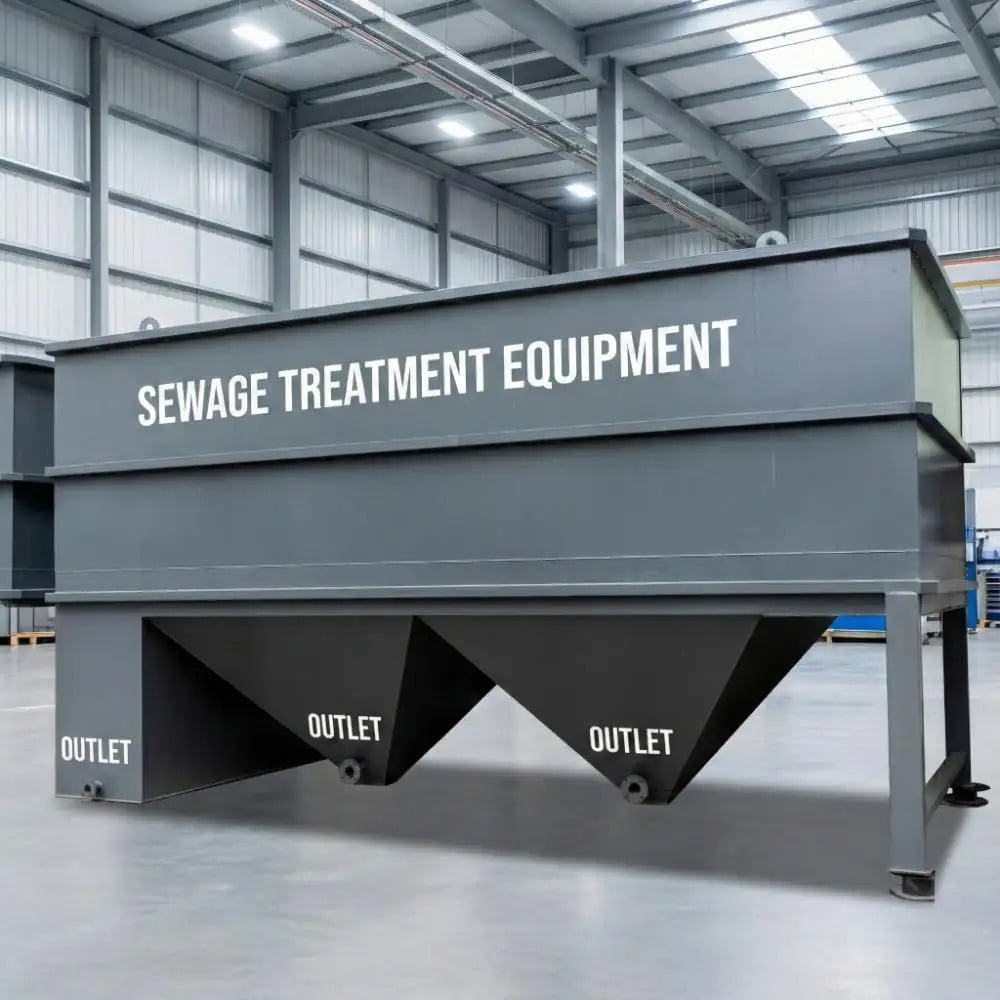
When industrial facilities plan a sewage system cost budget, many decision-makers focus narrowly on equipment purchase price alone. This approach often leads to significant financial surprises during project execution and operational phases. The true sewage system cost encompasses far more than the initial equipment outlay, including installation labor, ongoing operation protocols, regular maintenance procedures, and utility consumption. Understanding these broader cost components is essential for accurate budgeting and long-term financial planning in industrial wastewater management.
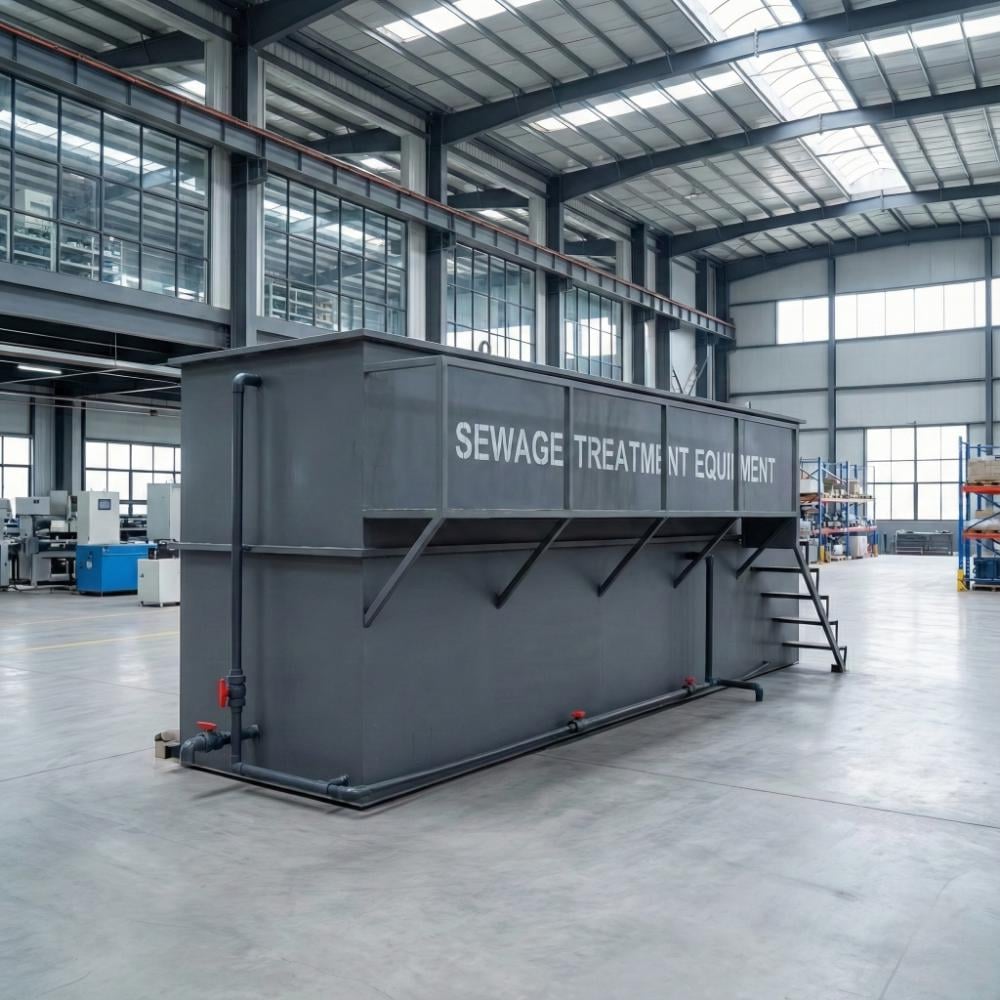
Industrial buyers must recognize that sewage system cost calculations demand a holistic view of total cost of ownership. Professional assessment of installation complexity, regional labor rates, ongoing operation staffing requirements, maintenance scheduling intensity, and local utilities pricing provides the foundation for realistic financial projections. This comprehensive approach prevents budget overruns and enables facilities to allocate resources strategically across their wastewater treatment lifecycle.
Installation Labor and Site Preparation Expenses
Understanding Installation as a Significant Cost Driver
Installation represents one of the largest hidden components of sewage system cost beyond the equipment purchase price. The complexity of installation depends heavily on site conditions, soil composition, groundwater levels, and existing infrastructure. Industrial facilities located in areas with challenging terrain or restrictive space may face substantially higher installation costs than facilities on open, level ground. Labor rates also vary significantly by region, with urban industrial zones typically commanding premium installation fees compared to rural locations. Equipment delivery logistics, site mobilization, and specialized rigging further inflate installation expenses that many buyers underestimate when calculating total sewage system cost.
Site Preparation and Infrastructure Requirements
Before installation of sewage treatment equipment begins, considerable site preparation work must occur. Excavation, foundation construction, utility rerouting, and access road development all contribute meaningfully to the overall sewage system cost. Industrial facilities must also account for necessary permits, environmental assessments, and inspection fees that accompany installation projects. Piping connections to existing drainage infrastructure, electrical hookups, and control system integration add further complexity and expense. These preparatory elements frequently represent 30 to 50 percent of total installation costs, yet remain overlooked in preliminary budget estimates for sewage system cost.
Operation and Staffing Requirements
Daily Operational Workflows and Labor Allocation
The sewage system cost extends significantly through operational phases, where facilities must budget for trained personnel to manage treatment processes. Modern treatment systems require qualified operators who monitor chemical balances, adjust flow rates, oversee biological processes, and respond to operational anomalies. Depending on facility size and treatment complexity, operations staffing may demand a dedicated full-time team or require portions of existing staff time allocation. Training costs for operator certification and ongoing professional development must be factored into operational sewage system cost projections. Regulatory compliance demands also necessitate comprehensive documentation and reporting labor that extends operational expenses beyond simple day-to-day equipment management.
System Monitoring and Process Control Costs
Continuous monitoring systems, SCADA software licenses, automated control equipment maintenance, and data management platforms all constitute operation expenses that affect total sewage system cost. Real-time monitoring ensures treatment efficiency and regulatory compliance, preventing costly treatment failures or environmental violations. Software subscriptions, system updates, cybersecurity measures, and backup systems require ongoing financial commitment throughout the treatment system's operational life. Industrial facilities must budget for emergency response capabilities and contingency staffing when primary operators become unavailable. These operational layers create recurring costs that compound significantly over years of system operation.
Maintenance and Utilities Operational Expenses
Preventive and Corrective Maintenance Scheduling
Maintenance represents a critical yet frequently underestimated component of total sewage system cost for industrial operations. Preventive maintenance programs designed to extend equipment life and prevent catastrophic failures require regular inspections, component replacement, lubricant changes, and equipment calibration. Corrective maintenance for unexpected failures, parts replacement, and emergency repairs creates variable costs that can spike substantially during unexpected downtime. Industrial facilities should budget 5 to 10 percent of equipment purchase price annually for routine maintenance as a baseline estimate for sewage system cost allocation. Specialized maintenance contractors often command premium rates for expertise in industrial treatment technologies, further escalating maintenance expenses throughout the system lifecycle.
Utilities Consumption and Chemical Treatment Expenses
Utilities costs, particularly electricity for pumping and aeration processes, represent substantial recurring expenses that define the operational sewage system cost. Energy-intensive treatment processes such as activated sludge treatment, membrane filtration, and ultraviolet disinfection demand continuous power supply scaled to facility discharge volumes and regulatory treatment standards. Chemical treatment including coagulants, flocculants, pH adjustment compounds, and disinfectants adds variable operational expenses tied directly to wastewater characteristics and treatment intensity. Industrial facilities must conduct detailed utility consumption analysis during system design to accurately forecast long-term sewage system cost impacts. Water usage for system cleaning, equipment operation, and treatment process support further elevates utility expenses beyond obvious electricity consumption. Regional utility rate structures and seasonal demand variations introduce complexity into multi-year sewage system cost budgeting.
FAQ
What percentage of total sewage system cost should I budget for installation compared to equipment purchase?
Installation typically accounts for 25 to 40 percent of total sewage system cost, depending on site complexity, location, and soil conditions. Equipment purchase generally represents 35 to 45 percent of total costs. The remaining 20 to 35 percent covers permits, site preparation, and preliminary infrastructure modifications. This distribution underscores why installation expenses cannot be ignored when calculating comprehensive sewage system cost projections.
How should I estimate ongoing operation and maintenance costs within my sewage system cost budget?
Budget 15 to 25 percent of equipment purchase price annually for combined operation, maintenance, and utilities expenses. This percentage varies based on treatment intensity, regional labor rates, energy costs, and chemical prices. Develop detailed operational profiles by consulting with system manufacturers and experienced operators to refine sewage system cost estimates. Include contingencies for unexpected repairs and regulatory compliance investments when calculating realistic operational budgets.
Can sewage system cost be reduced through design optimization or alternative treatment approaches?
Yes, strategic design choices significantly influence total sewage system cost across installation, operation, and maintenance phases. Selecting energy-efficient treatment technologies, optimizing site layout to minimize excavation, and choosing modular systems that scale with facility growth can reduce long-term sewage system cost. Consulting with experienced wastewater engineering firms during design phases helps identify cost reduction opportunities while maintaining regulatory compliance and treatment quality standards.

 EN